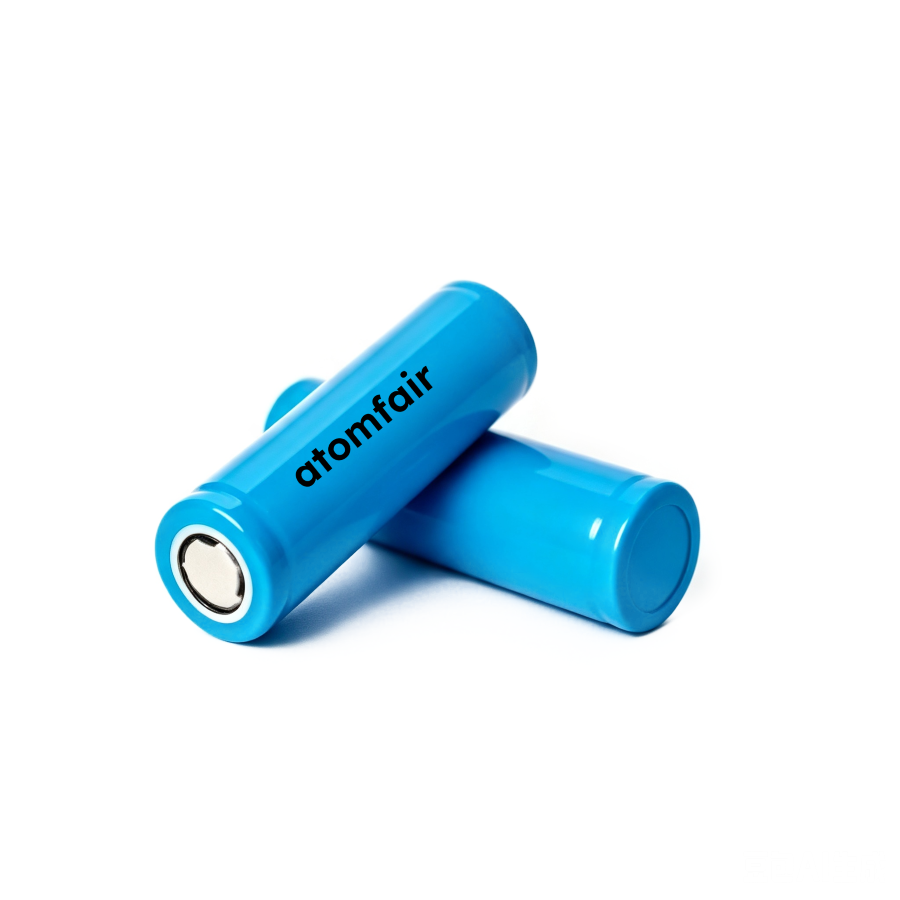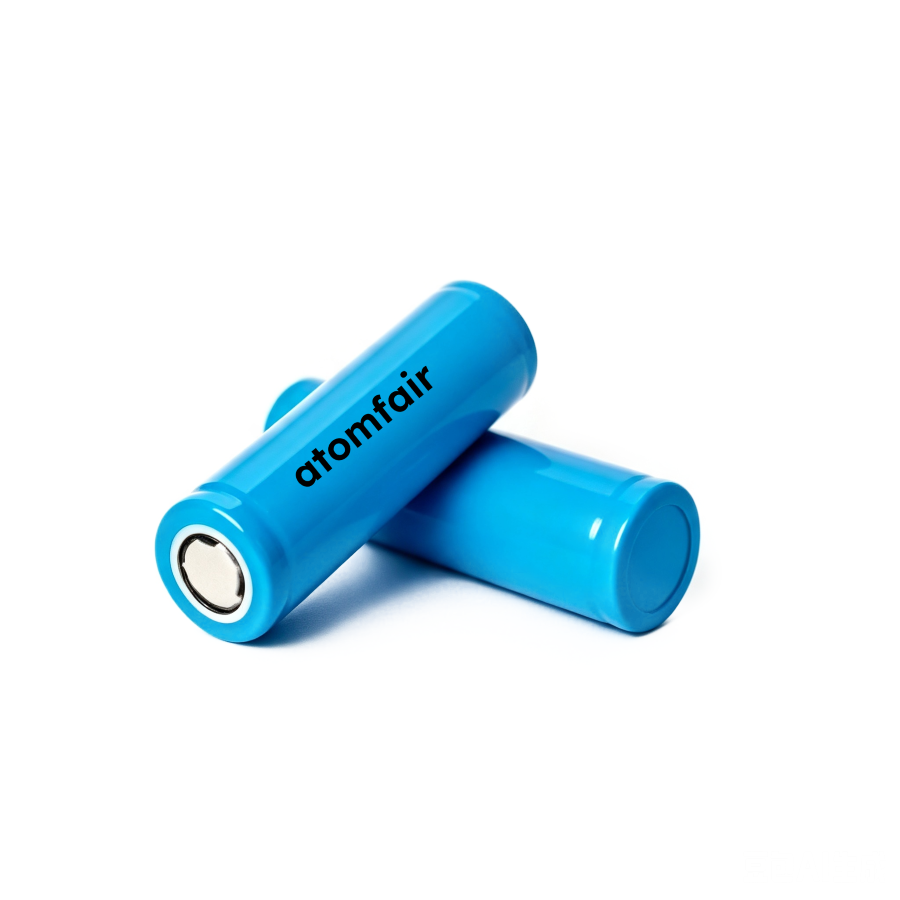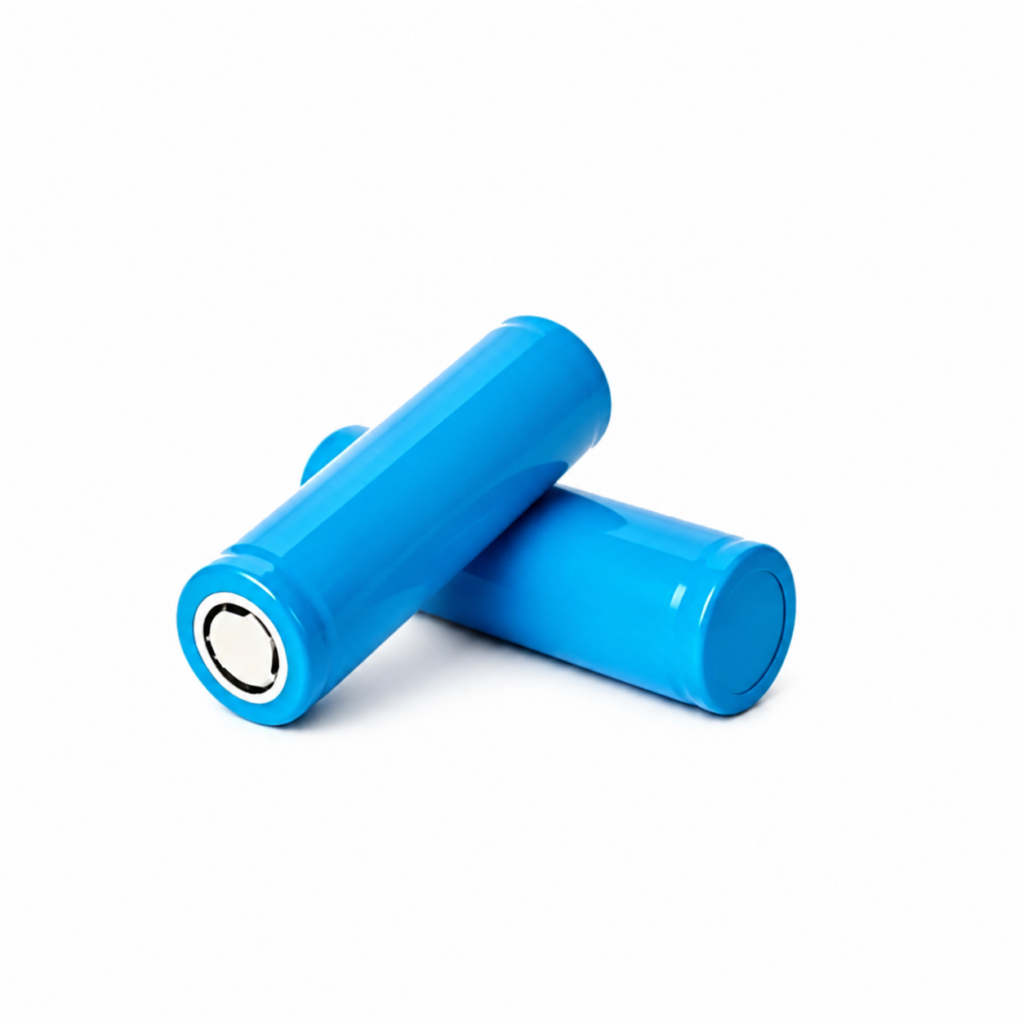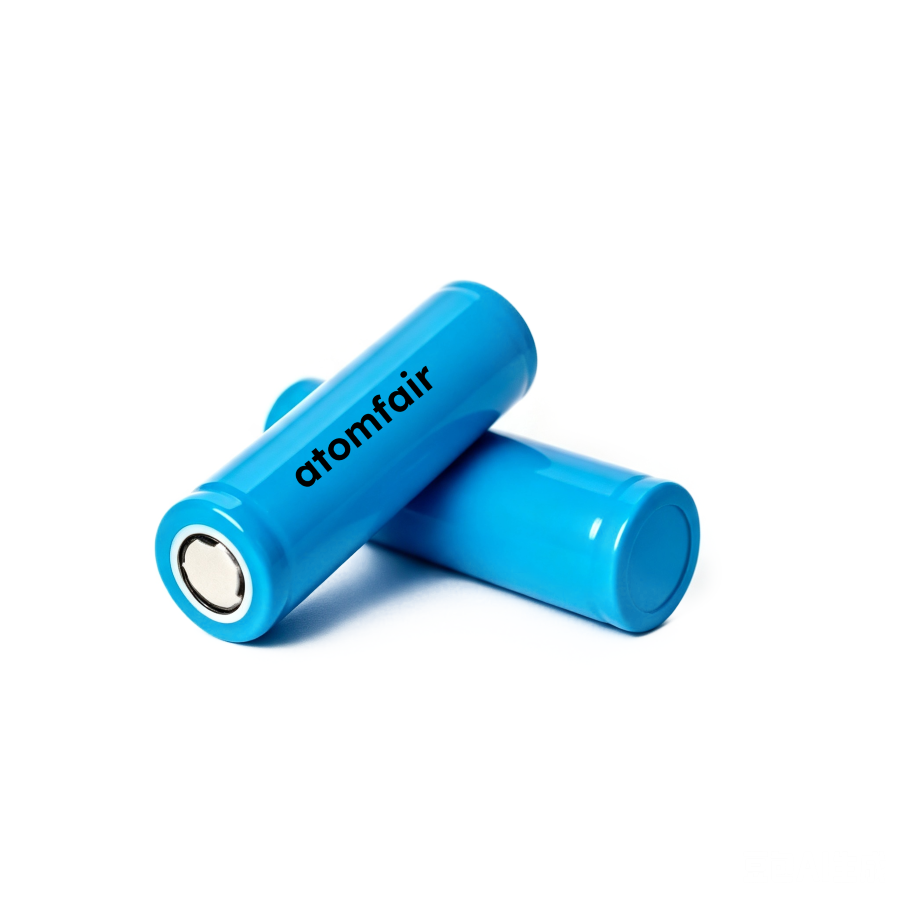
850 mAh 18650 Cylindrical Sodium-Ion Cell – 4 Pack | ATOMFAIRProduct Type: Sodium-ion battery product
Sodium-ion battery product
|
|||||||||||||||||||||||||||||||
|
|||||||||||||||||||||||||||||||
|
BATTERY PROCUREMENT SUPPORT
For model selection, system matching or configuration confirmation, contact our technical sales team.
E-MAIL: inquiry@atomfair.com
|
|||||||||||||||||||||||||||||||
|
Supplier: Atomfair
Brand: ATOMFAIR®
|
This cell requires strict voltage and temperature limits during charging and discharging to prevent degradation or failure. The cell must be operated within specified current and temperature ranges to ensure safety and performance.
- Charging Voltage Limit: Charging voltage must be strictly maintained at 3.65 ± 0.05 V to avoid overcharge.
- Discharge Termination Voltage: Discharge must end at 1.5 ± 0.05 V to prevent deep discharge damage.
- Temperature Range During Charging: Cell body temperature must be between 0 °C and 45 °C during charging to avoid thermal stress.
- Temperature Range During Discharging: Discharging is permitted only within a cell temperature range of -20 °C to 60 °C.
- Maximum Discharge Currents: Continuous discharge must not exceed 17 A, and pulse discharge must not exceed 34 A under specified conditions.
Follow these steps to safely charge, discharge, and integrate the sodium-ion cell into a battery pack. Always verify voltage and temperature limits before and during operation to prevent damage.
Required Equipment: Battery charger with CC/CV capability and voltage accuracy within ±0.05 V, Temperature sensor or thermal imager, Protection circuit module (PCM) with undervoltage and overcurrent protection
- Verify Charging Voltage
Set the charger to deliver a constant current of 0.5C (425 mA) until the voltage reaches 3.65 V, then switch to constant voltage. - Monitor Temperature During Charging
Ensure the cell body temperature remains between 0 °C and 45 °C throughout the charging cycle. - Set Discharge Termination
Configure the discharge cutoff voltage to 1.5 V to prevent over-discharge. - Limit Discharge Current
Do not exceed 17 A continuous discharge current or 34 A pulse discharge current during operation. - Integrate with Protection Circuit
Connect the cell to a protection circuit module that matches the voltage and current limits specified for the cell.
What are the continuous and pulse discharge limits of the 850 mAh 18650 sodium-ion cell, and how do they compare to typical lithium-ion cells of similar form factor?
This sodium-ion cell supports a maximum continuous discharge of 17 A and a maximum pulse discharge of 34 A under specified conditions. These rates are competitive with many lithium-ion 18650 cells, but the lower nominal voltage of 2.9 V means that power delivery at a given current is reduced, which must be accounted for in pack voltage design.
What are the critical voltage and temperature constraints for charging and discharging this sodium-ion cell?
The cell requires a charging voltage of 3.65 ±0.05 V and a discharge ending voltage of 1.5 ±0.05 V. Recommended cell-body temperature during charging is 0–45 °C, and during discharging is –20 to 60 °C. Exceeding these voltage or temperature limits may compromise safety and cycle life.
What internal resistance and dimensional tolerances should be expected for this 18650 sodium-ion cell when integrating into a battery pack?
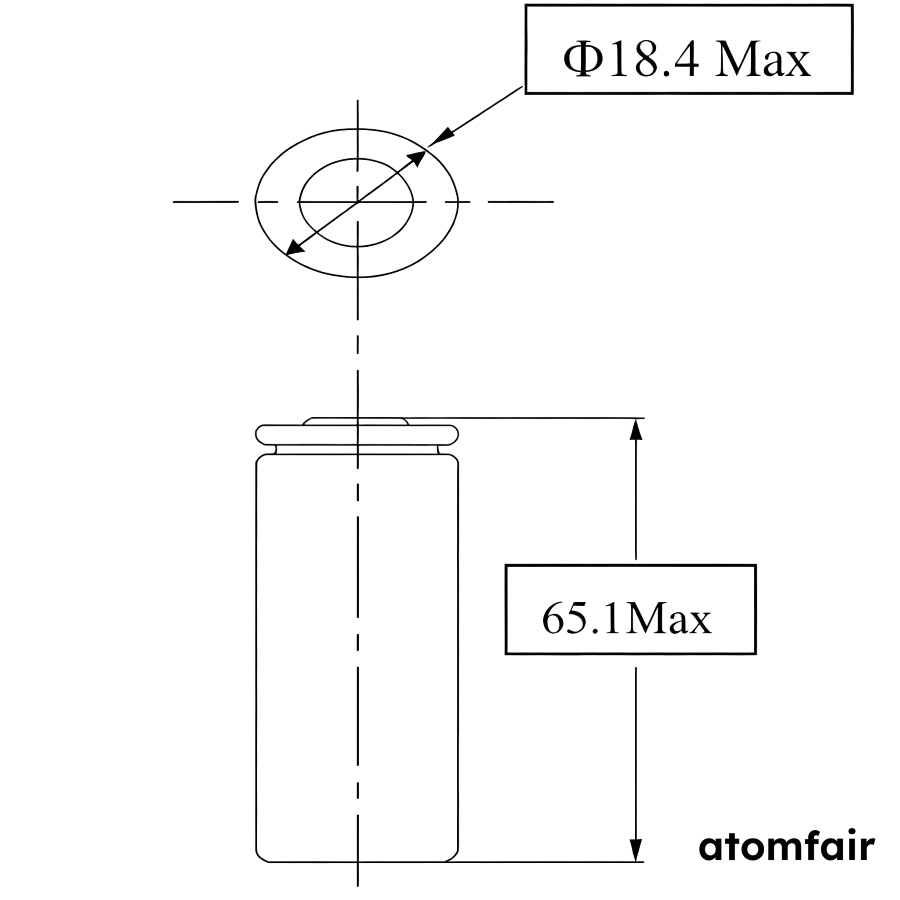
The cell has an internal resistance of ≤16 mΩ measured at 425 Hz AC impedance. Maximum dimensions are 65.1 mm in height and 18.4 mm in diameter, with a weight of ≤40 g. These parameters are critical for ensuring proper fit, contact resistance, and thermal management within a battery pack assembly.
The 850 mAh 18650 sodium-ion cell delivers high continuous (17 A) and pulse (34 A) discharge currents with a wide discharge temperature range (-20 to 60 °C), but its low per-cell capacity and narrow charging temperature window (0–45 °C) impose thermal management and pack-size trade-offs for demanding applications.
Positive
- High continuous and pulse discharge: Supports 17 A continuous and 34 A pulse discharge, enabling high-power drain in applications such as power tools or hybrid systems.
- Wide discharge temperature range: Operates reliably from -20°C to 60°C during discharge, allowing deployment in cold environments or elevated-temperature conditions.
Trade-offs
- Limited charging temperature window: Charging is restricted to 0–45°C; charging outside this range may degrade cell performance or require active thermal management.
- Low per-cell energy capacity: At 850 mAh, the cell provides lower energy density compared to typical 18650 lithium-ion cells, necessitating more cells or larger packs for equivalent runtime.
Every advanced material, component, equipment, and instrument in our catalog is backed by rigorous testing. We maintain strict internal quality management frameworks and align with CE conformity metrics to deliver transparent, reproducible performance data via our public open-science repository.
To request raw batch performance data, submit formal vendor registration paperwork, or execute a fast-turnaround R&D manufacturing loop, contact us at inquiry@atomfair.com.
Item is dispatched under the Atomfair Shipping & Delivery Framework (Free worldwide shipping on orders over $59 USD excl. heavy equipment). Return is governed by the Atomfair Return & Refund Policy (7-day technical return window).