
Standard & Custom Battery Packs
Production-Ready Battery Cells & Packs are designed for customers who need reliable battery products for development, equipment integration, small-batch production, and real-world applications. Whether you are building a prototype, upgrading a device, powering a mobile platform, or preparing for project deployment, this category helps you select battery products based on voltage, capacity, size, discharge capability, and working environment.
This range supports multiple levels of battery use, from individual battery cells for engineering and pack development to ready-to-use battery packs for direct installation. Standard & Custom Battery Packs are finished battery products, typically built with cell assembly, BMS protection, enclosure, wiring, and interface design. When the specifications match your device, they can be used directly for equipment, vehicles, robotics, backup power, or industrial systems.
The right battery choice depends on the real application, not capacity alone. Voltage, current demand, installation space, weight limit, charging method, temperature range, protection functions, and connector requirements should all be reviewed before ordering. For special projects, custom battery pack options can help match unique structures, interfaces, and operating conditions.
Show More
Application Areas
- UAVs, robots, AGVs, AMRs, and other mobile platforms
- Electric two-wheelers, light electric vehicles, specialty vehicles, and industrial vehicles
- UPS backup power, communication backup, portable power, and standby power systems
- Industrial equipment, automation systems, test equipment, and instruments
- Residential, commercial, and industrial energy storage projects
- Prototype development, battery pack design, R&D testing, and small-batch production
- Projects requiring high energy density, high discharge rate, long cycle life, or special dimensions
How to Choose the Right Battery Product
| Requirement | What to Check |
|---|---|
| Direct equipment power | Choose a finished battery pack and confirm voltage, connector, dimensions, and charging method. |
| Longer runtime | Review capacity, total energy, battery weight, and device power consumption. |
| High power output | Check continuous discharge current, peak current, heat generation, and safety limits. |
| Limited installation space | Confirm outer dimensions, fixing method, cable direction, connector position, and weight. |
| Outdoor or industrial use | Review waterproofing, dust protection, vibration resistance, temperature range, and enclosure strength. |
| System integration | Check BMS functions, communication protocol, protection design, and batch consistency. |
| Backup power or energy storage | Focus on kWh capacity, cycle life, safety protection, charging method, and system compatibility. |
Ready-to-Use Battery Pack Solutions
Standard & Custom Battery Packs are suitable for customers who want a battery solution that can be installed into a device with less assembly work. These packs usually include cell grouping, BMS protection, enclosure design, wiring, connectors, and basic safety functions.
They can be used for mobile equipment, electric vehicles, robotics, backup power, industrial devices, and other application-specific power systems. Before selection, customers should confirm that the pack voltage, capacity, current rating, connector, physical size, charging method, and operating environment match the target equipment.
For special projects, battery packs can often be customized around voltage, capacity, enclosure type, connector, communication method, protection level, quick-swap structure, mounting method, and cable layout.
Information to Confirm Before Ordering
| Parameter | Why It Matters |
|---|---|
| Rated voltage | The battery must match the device, controller, inverter, or charger voltage. |
| Capacity or energy | Ah, Wh, or kWh helps estimate runtime and overall power reserve. |
| Continuous and peak current | Important for motors, robotics, vehicles, startup loads, and high-power equipment. |
| Dimensions and weight | The pack must physically fit the device and meet handling or mobility requirements. |
| Connector and cable direction | Correct wiring layout helps installation, maintenance, and device compatibility. |
| Charging method | The battery and charger should match in voltage, current, connector, and charging profile. |
| Operating environment | Temperature, moisture, dust, vibration, and outdoor exposure affect battery selection. |
| BMS and communication | Some projects require CAN, RS485, Bluetooth, SOC display, alarms, or remote monitoring. |
Frequently Asked Questions
1. Which battery should I choose if I want to use it directly in my device?
Choose a finished battery pack if you need power for equipment, vehicles, robots, UPS systems, or industrial devices. A finished pack is easier to install when the voltage, capacity, connector, size, current rating, and charger are compatible.
2. Is voltage and capacity enough for battery selection?
No. Voltage and capacity are only the starting points. You should also check maximum current, connector type, physical size, weight, BMS functions, charger compatibility, and working environment.
3. Why do batteries with similar capacity have different prices?
Price can be affected by cell type, discharge rate, cycle life, enclosure design, BMS features, protection level, communication functions, and customization requirements.
4. Can a battery pack be customized to fit my device size?
Yes. Custom battery packs can often be designed around the available battery compartment, mounting method, cable direction, connector position, and weight limit. Providing a drawing or space layout helps confirm feasibility.
5. Can these battery products be used outdoors?
Outdoor use depends on the enclosure, sealing, temperature range, connector protection, and application conditions. For outdoor projects, confirm waterproofing, dust resistance, vibration resistance, and operating temperature before ordering.
6. What does a BMS do?
A BMS helps manage charging, discharging, protection, balancing, and battery status monitoring. For multi-cell battery packs, the BMS is an important part of safety and stable operation.
7. Do I need a matching charger?
Yes. The charger should match the battery voltage, charging current, connector, and charging profile. Using an unsuitable charger may reduce performance or create safety risks.
8. What information should I provide if I am not sure which battery to choose?
Provide the device type, required voltage, expected runtime, available installation space, operating environment, load current, connector preference, and charging method. These details help narrow the options and identify whether a standard or custom solution is more suitable.
Showing 17–31 of 31 results
-
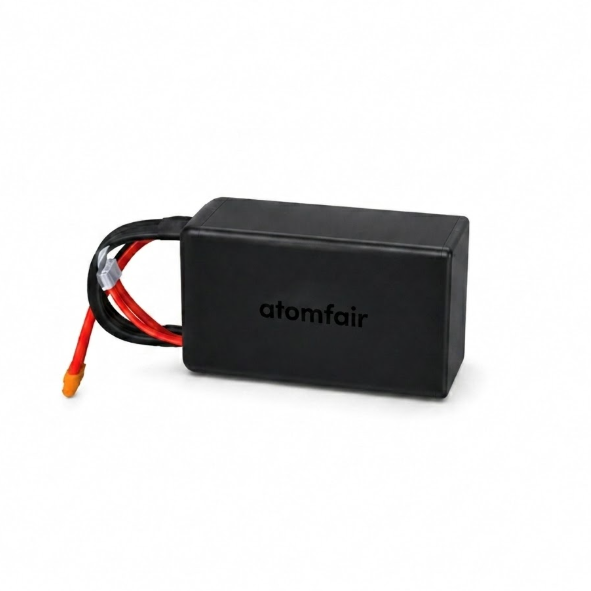
Energy Storage Battery 83.2V 233.1Ah 19.39kWh ATOMFAIR®
$5,600.00 -
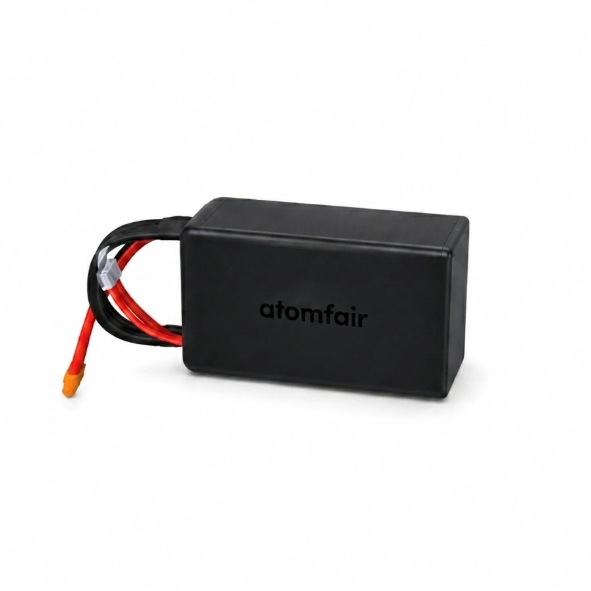
Explosion-Proof Battery Pack 51.2V 50Ah IP68 ATOMFAIR®
$790.00 -
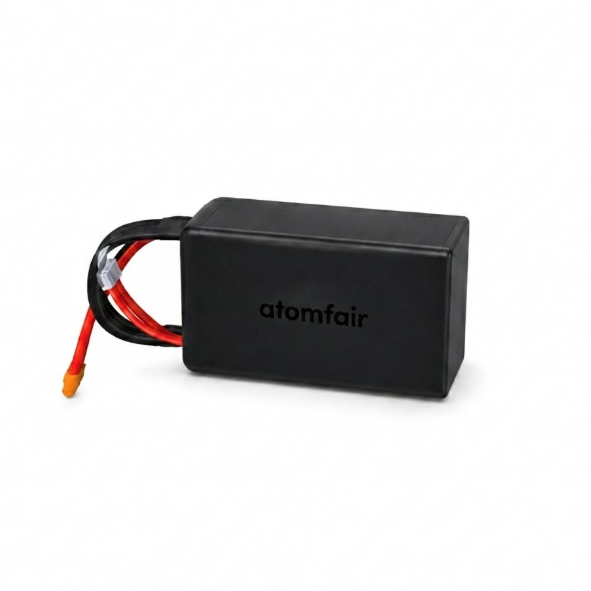
Lithium Battery Pack 72V Step-Through 2520-3600Wh ATOMFAIR®
Price range: $1,400.00 through $1,800.00 -
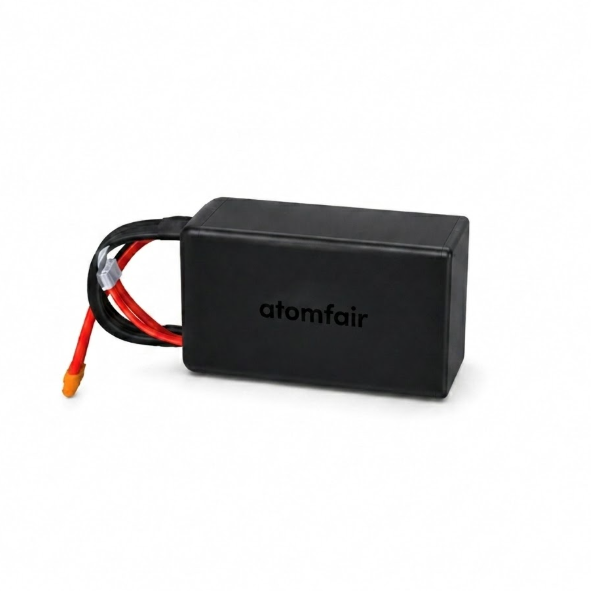
Motive Battery Pack 60V 17S1P 2100-3000Wh ATOMFAIR®
Price range: $1,200.00 through $1,500.00 -
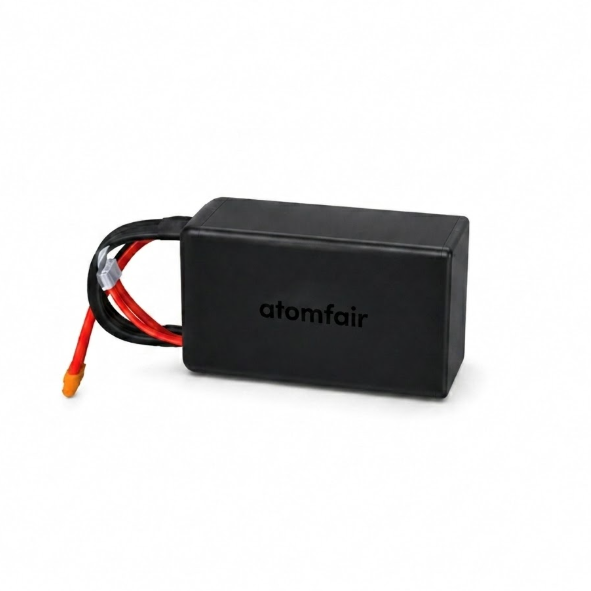
Semi-Solid Battery 20Ah 6S-18S 3.95V 240Wh/kg ATOMFAIR®
Price range: $81.00 through $149.00 -
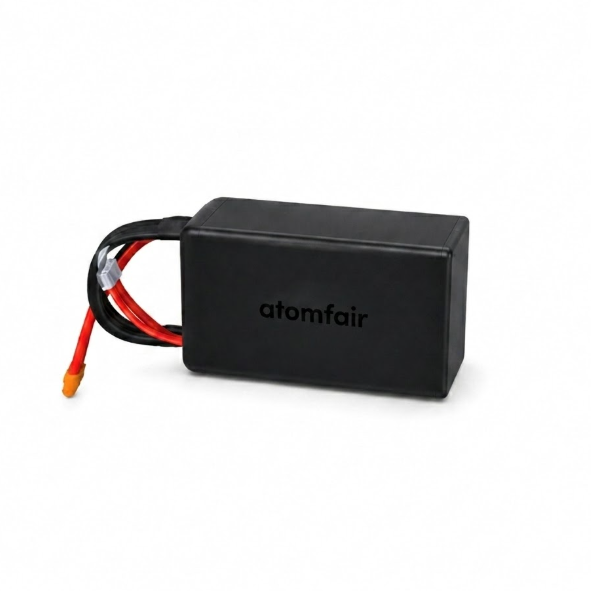
Semi-Solid E-Bike Battery 48V 13S1P 13-20Ah ATOMFAIR®
Price range: $220.00 through $318.00 -
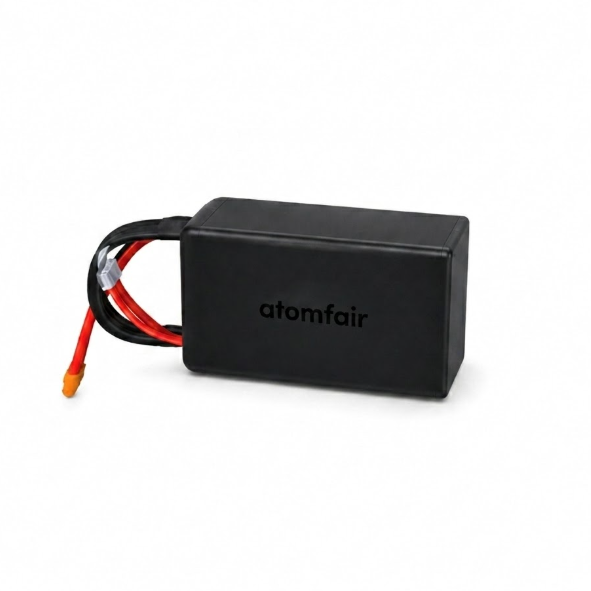
Semi-Solid E-Motorcycle Battery 72V 50-100Ah ATOMFAIR®
Price range: $1,084.00 through $2,128.00 -
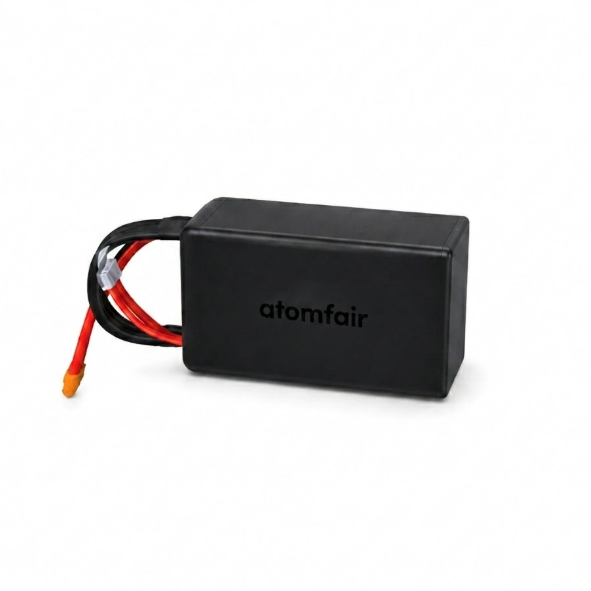
Semi-Solid Pouch Battery 3.95V 11Ah 6S-18S ATOMFAIR®
Price range: $359.00 through $684.00 -
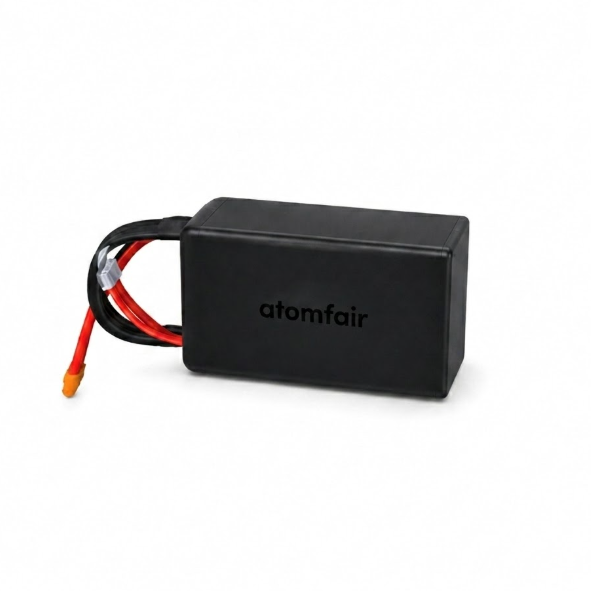
Semi-Solid Pouch Battery 3.95V 25Ah 250Wh/kg ATOMFAIR®
Price range: $75.00 through $87.00 -
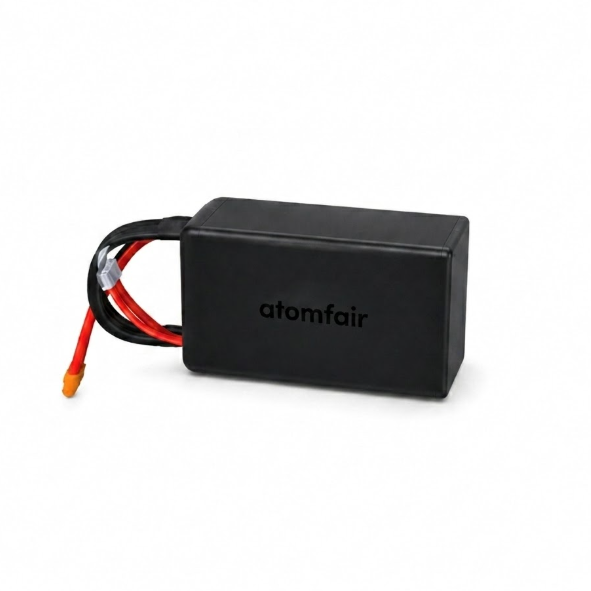
Semi-Solid Pouch Battery 3.95V 56Ah 6S-18S ATOMFAIR®
Price range: $1,015.00 through $2,710.00 -
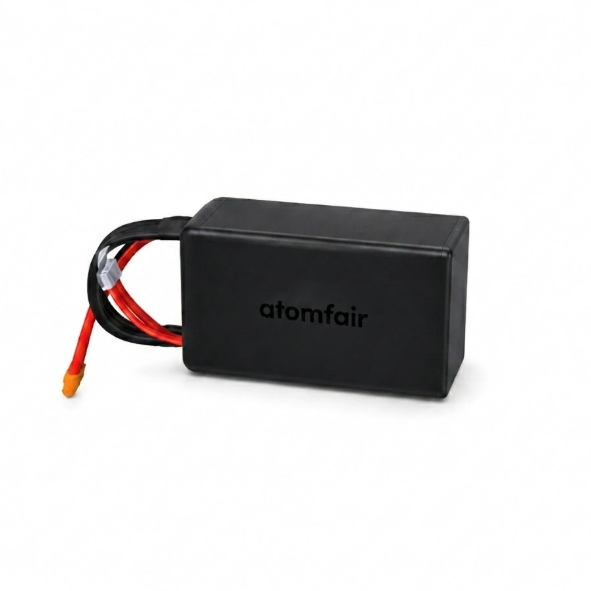
Semi-Solid Pouch Battery 3.95V 8Ah 250Wh/kg ATOMFAIR®
Price range: $49.00 through $70.00 -
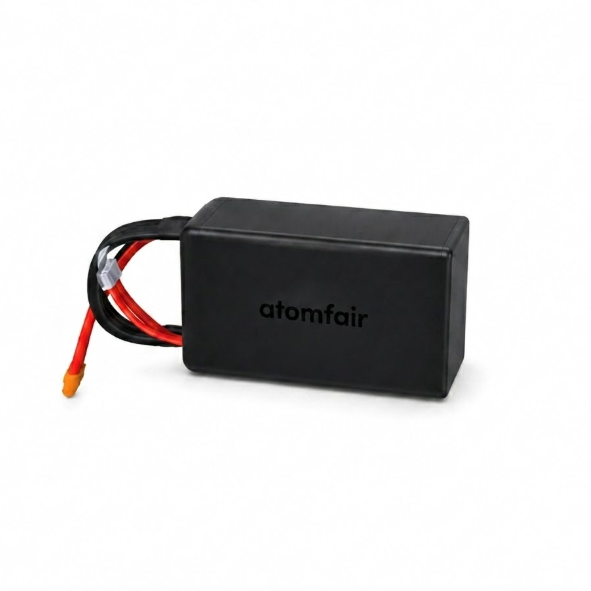
Semi-Solid Pouch Battery 43Ah 260Wh/kg 3.95V ATOMFAIR®
Price range: $142.00 through $279.00 -
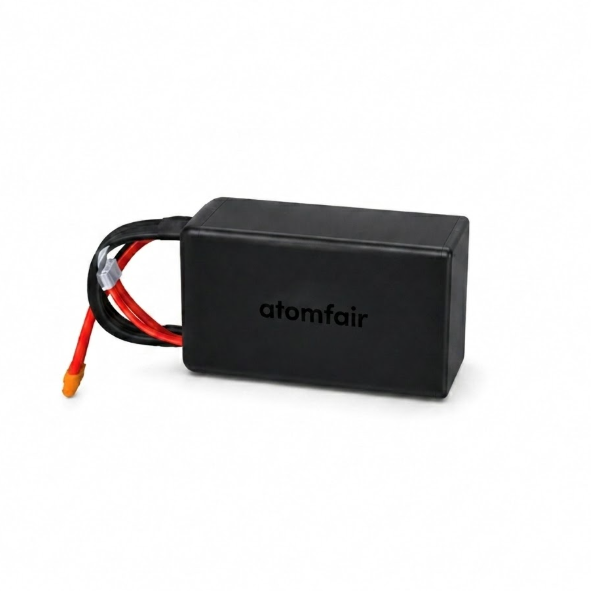
Semi-Solid Pouch Battery 50Ah 3.95V 290Wh/kg ATOMFAIR®
Price range: $935.00 through $2,459.00 -
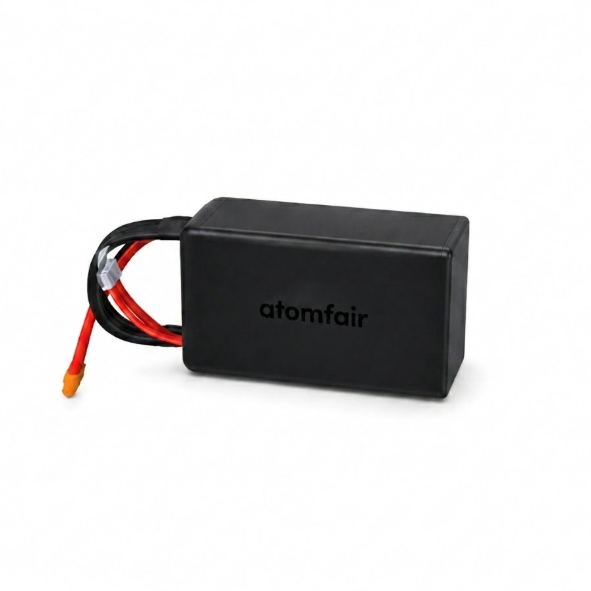
Solid-State Robot Battery Module 48V 20Ah ATOMFAIR®
$1,200.00 -
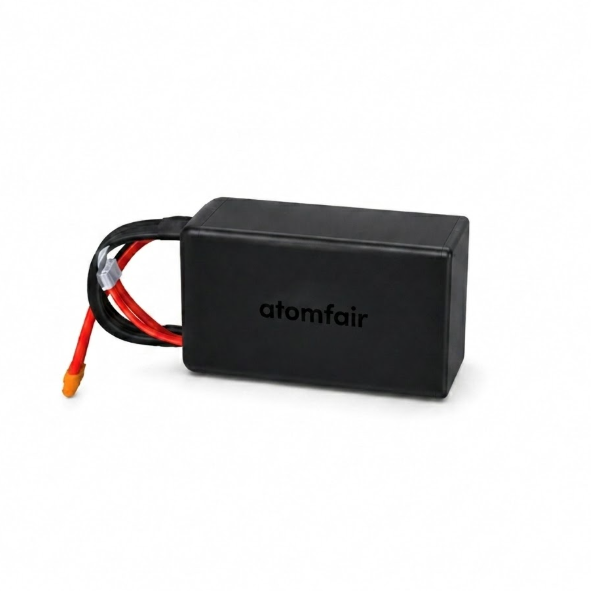
UAV Li-Ion Battery Pack 14.8/22.2V 360Wh/kg ATOMFAIR®
Price range: $200.00 through $250.00