
Cylindrical Battery Cells
Cylindrical battery cells are one of the most widely used cell formats for portable electronics, power tools, light electric mobility, robotics, industrial backup power, energy storage, battery modules, and custom battery pack development. This category is designed to help customers compare cylindrical cells by chemistry, size, capacity, discharge rate, cycle life, temperature performance, and application requirements.
Atomfair’s Cylindrical Battery Cells category can support a broad range of product directions, including lithium iron phosphate cells, ternary lithium-ion cells, high-rate cells, high-capacity cells, low-temperature cells, sodium-ion cylindrical cells, and large-format cylindrical cells for advanced battery systems. Customers can use this category to identify suitable single cells for testing, replacement, prototyping, module assembly, or pack integration.
Because cylindrical cells are available in many chemistries and sizes, the best choice depends on the full system design rather than capacity alone. Before ordering, customers should confirm voltage, dimensions, discharge current, charging method, BMS compatibility, operating temperature, and whether the cells will be used individually, in parallel, in series, or as part of a larger battery pack.
Show More: Cylindrical Battery Cell Selection Guide
Choose by Battery Chemistry
Battery chemistry is one of the most important selection factors. It affects voltage, safety profile, energy density, cycle life, discharge capability, charging requirements, and system cost.
| Chemistry | Main Strengths | Typical Applications |
|---|---|---|
| LFP / LiFePO4 | Stable chemistry, long cycle life, good safety profile, suitable for repeated charge and discharge | Energy storage, UPS, telecom backup, electric tools, low-speed vehicles, industrial equipment |
| NMC / NCM | Higher energy density, balanced capacity and power performance | E-bikes, robotics, drones, portable devices, power battery packs, mobility systems |
| NCA | High energy density and strong performance potential in advanced pack designs | Electric vehicles, high-energy battery packs, weight-sensitive applications |
| LCO | Good volumetric energy density for compact devices | Consumer electronics, portable instruments, compact battery-powered products |
| LMO | Good power response and useful discharge performance | Power tools, mobility devices, hybrid battery systems, high-power applications |
| LTO | Very long cycle life, fast charging capability, strong low-temperature potential | Industrial systems, fast-charge applications, buses, backup power, high-cycle energy storage |
| Sodium-ion | Alternative chemistry with different voltage, charging, and BMS requirements | Energy storage, low-speed mobility, cold-region applications, emerging battery systems |
Choose by Cylindrical Cell Size
Cylindrical cell numbers usually refer to approximate diameter and height. For example, 18650 typically means about 18 mm diameter and 65 mm height. Actual dimensions may vary slightly depending on manufacturer design, insulation, terminals, and packaging.
| Common Size | General Direction | Typical Use |
|---|---|---|
| 14500 | Small cylindrical cell | Compact electronics, handheld devices, small battery packs |
| 18650 | Popular standard size | Consumer electronics, tools, battery packs, testing and prototyping |
| 21700 | Higher-capacity standard size | Electric tools, e-mobility, energy storage, high-capacity packs |
| 26650 | Larger cylindrical cell | High-capacity devices, LFP packs, power systems, industrial equipment |
| 32650 / 32700 | Large-format cylindrical cell | Storage systems, vehicles, backup power, industrial battery packs |
| 40135 / 40140 | High-capacity large cell | Large power systems, storage modules, heavy-duty battery packs |
| 46120 / 46145 | Large cylindrical platform | EV development, energy storage, industrial power, high-capacity modules |
| 4680 / 4695 | New-generation large cylindrical format | Advanced battery packs, electric vehicles, high-integration battery systems |
Choose by Performance Requirement
| Customer Need | Recommended Product Direction | Key Parameters to Check |
|---|---|---|
| Longer runtime | High-capacity NMC, NCA, LCO, or high-energy cylindrical cells | Capacity, energy density, weight, discharge current |
| Higher power output | High-rate LFP, LMO, LTO, or high-power NMC cells | Continuous current, pulse current, internal resistance, heat generation |
| Long cycle life | LFP, LTO, or long-life cylindrical cells | Cycle life, depth of discharge, temperature range |
| Fast charging | LTO or specially designed high-rate lithium-ion cells | Maximum charge rate, charging temperature, charger compatibility |
| Low-temperature use | Low-temperature cylindrical cells or selected sodium-ion cells | Low-temperature discharge, low-temperature charge limits, safety requirements |
| Battery pack assembly | Cells with stable batch consistency and suitable matching options | Voltage consistency, capacity matching, internal resistance, terminal structure |
Application Areas
Cylindrical battery cells can be selected for many different end uses. A compact device may need a small high-energy cell, while a power tool may need a high-rate cell, and an energy storage project may prioritize cycle life, safety, and system cost.
| Application | What Customers Usually Need |
|---|---|
| Consumer electronics | Compact size, high energy density, stable runtime |
| Power tools | High discharge current, good heat control, strong pulse capability |
| E-bikes and scooters | Balanced capacity, power output, cycle life, and pack safety |
| Robotics and AGV systems | Reliable output, repeated cycling, stable pack integration |
| UPS and backup power | Safety, cycle life, stable voltage, dependable standby performance |
| Energy storage | Long cycle life, safety, system cost, thermal management |
| Battery testing and development | Clear specifications, sample availability, chemistry comparison, repeatable data |
Before You Order
- Confirm the required chemistry, nominal voltage, and charge cutoff voltage.
- Check whether the cell size fits your device, holder, module, or pack structure.
- Compare capacity together with discharge current, not capacity alone.
- Confirm whether the application needs high-rate discharge, fast charging, or low-temperature operation.
- For pack assembly, confirm BMS design, cell matching, insulation, spacing, and thermal management.
- Do not mix different chemistries, capacities, batches, or aged cells in the same battery pack unless the system is specifically designed for it.
FAQ
What types of cylindrical battery cells can I choose from?
Common options include LFP, NMC/NCM, NCA, LCO, LMO, LTO, and sodium-ion cylindrical cells. Each chemistry is designed for different priorities, such as safety, energy density, power output, cycle life, fast charging, or low-temperature performance.
Should I choose LFP or NMC cylindrical cells?
Choose LFP if you care more about safety, cycle life, and long-term stability. Choose NMC if you need higher energy density, longer runtime, or a more compact battery pack. The final choice should also consider voltage, discharge current, BMS design, and operating temperature.
What is the difference between 18650 and 21700 cells?
21700 cells are usually larger than 18650 cells and may provide higher capacity or power capability. However, they are not directly interchangeable. Customers must confirm the device space, holder size, terminal design, and pack structure before replacing one size with another.
Is a higher-capacity cylindrical cell always better?
No. Higher capacity can improve runtime, but it does not always mean better performance. High-power devices may need high discharge current and lower internal resistance. For tools, drones, and mobility products, discharge capability and heat control can be just as important as capacity.
Can cylindrical cells be used to build a battery pack?
Yes. Cylindrical cells are widely used in battery packs, but pack assembly requires proper BMS protection, cell matching, insulation, connection design, thermal management, and mechanical support. A single cell specification is not enough to define a complete safe battery pack.
Can I mix different cylindrical cells in one battery pack?
It is not recommended to mix different chemistries, sizes, capacities, internal resistance levels, brands, batches, or aged cells in the same pack. Mismatched cells can cause imbalance, reduced performance, faster aging, or safety risks.
Do cylindrical cells need a BMS?
For battery packs, a suitable BMS is usually required. The BMS helps manage overcharge, overdischarge, overcurrent, short circuit, temperature protection, and cell balancing. The correct BMS depends on cell chemistry, series and parallel configuration, current load, and charging method.
Which cylindrical cells are better for low-temperature use?
Customers should choose cells that clearly state low-temperature charge and discharge performance. Low-temperature discharge and low-temperature charging are different requirements. Do not assume that every lithium-ion or LFP cell can be charged safely in cold environments.
What information should I provide if I need help choosing a cylindrical cell?
Please provide the application, required voltage, target capacity, maximum working current, cell size limit, operating temperature, charging method, and whether the cells will be used individually or assembled into a pack. These details help narrow the choice by chemistry, size, and performance level.
Showing 17–30 of 30 results
-
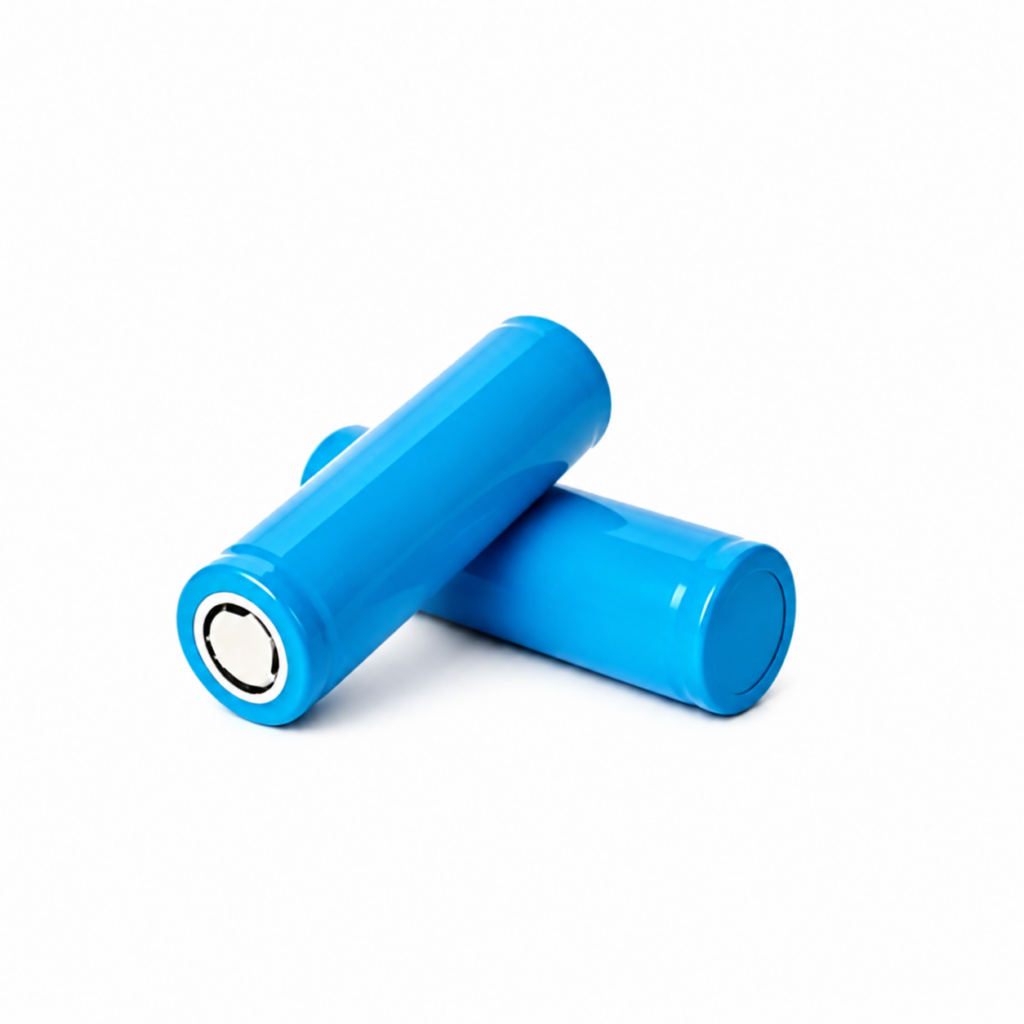
46800 LFP Cylindrical Cells 12.8-17.6Ah 4-Pack ATOMFAIR®
Price range: $49.00 through $65.00 -
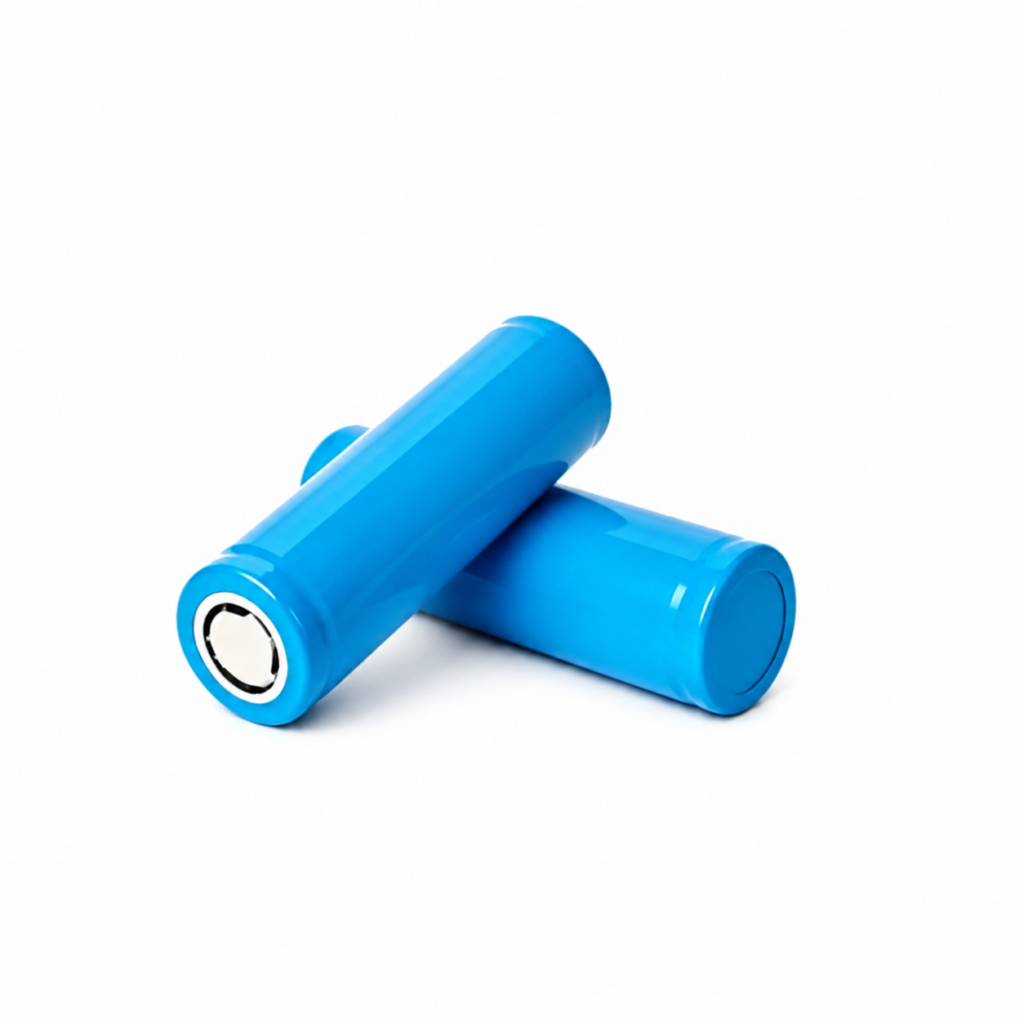
46800 Sodium-Ion Cylindrical Cell 8-10Ah 4-Pack ATOMFAIR®
Price range: $40.00 through $45.00 -
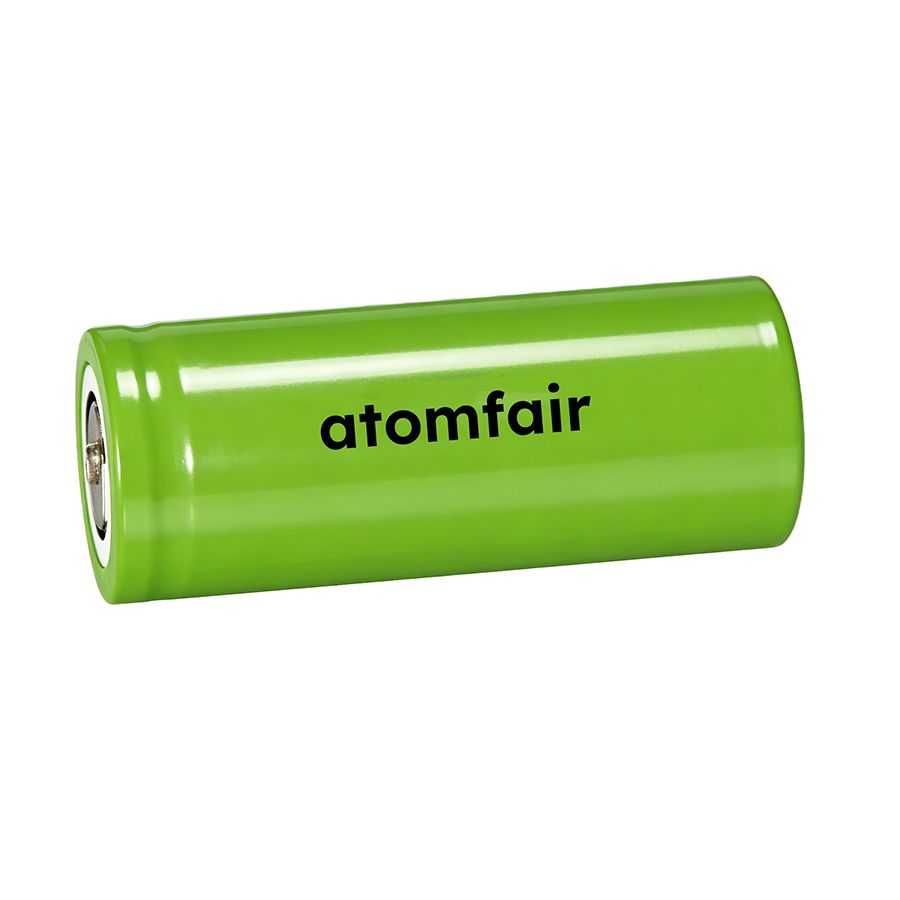
Cylindrical Battery Cell 3.7V 4800mAh -70°C ATOMFAIR®
$45.00 -
Fast-Charge 14500 LTO Battery 0.55Ah 1.7V 8C ATOMFAIR®
$30.00 -
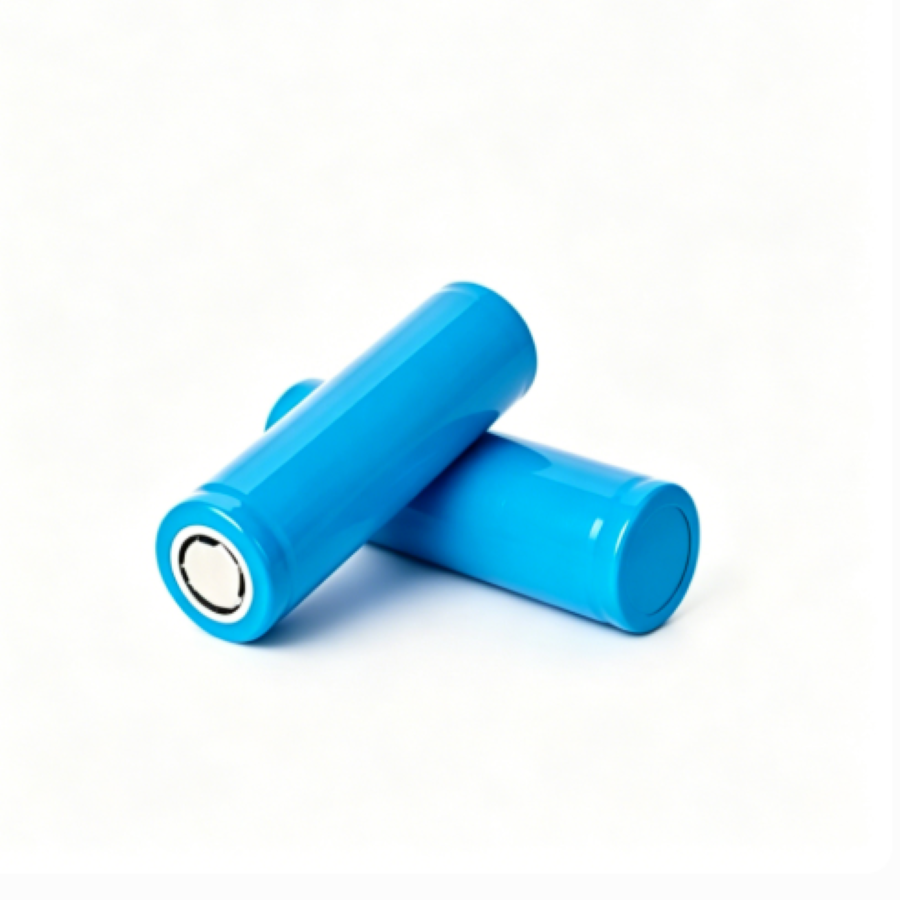
High Power 18650 NCA/SiOx Battery 2.9Ah 12C ATOMFAIR®
$30.00 -
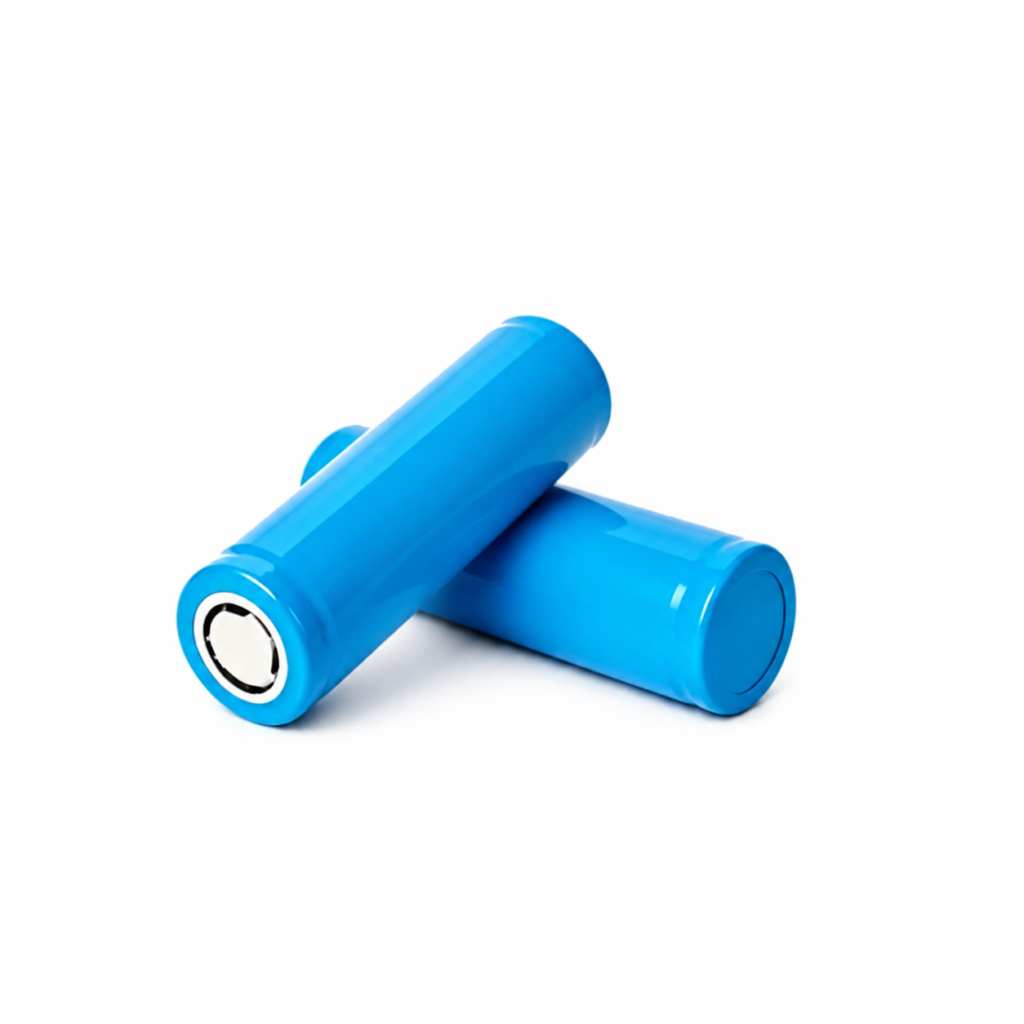
High-Nickel NCM 46145 Cylindrical Cell 49.2-55.7Ah ATOMFAIR®
Price range: $45.00 through $52.00 -
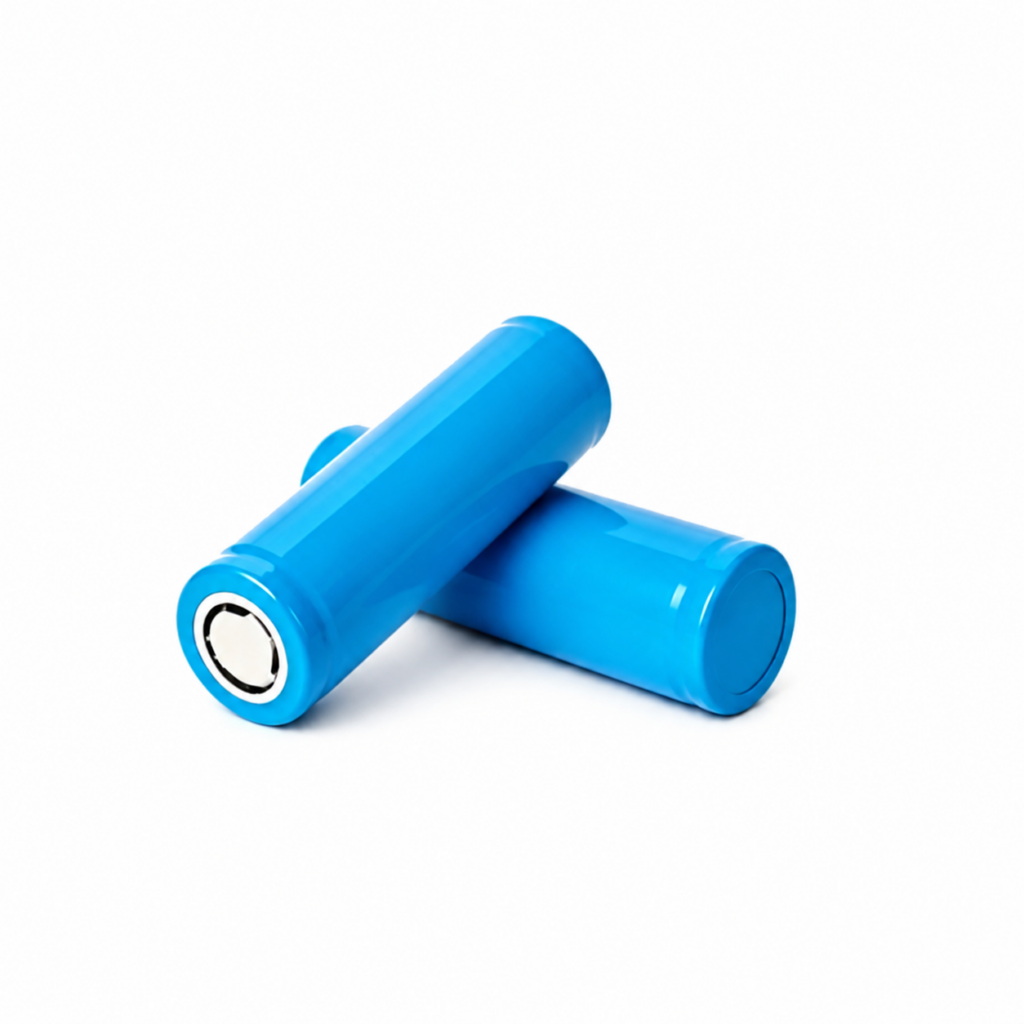
LiFePO4 26650 Low-Temperature Cell 3500mAh ATOMFAIR®
$39.00 -
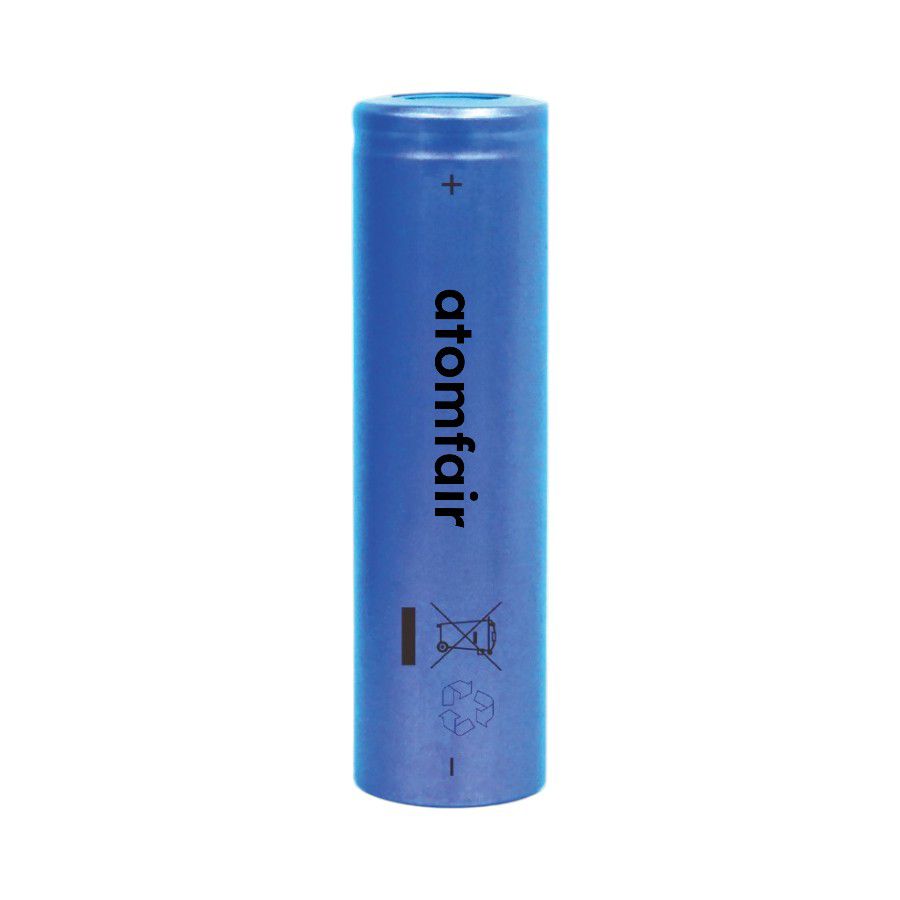
LiFePO4 3.2V Ultra-Low Temperature Cells 4-Pack ATOMFAIR®
Price range: $30.00 through $42.00 -
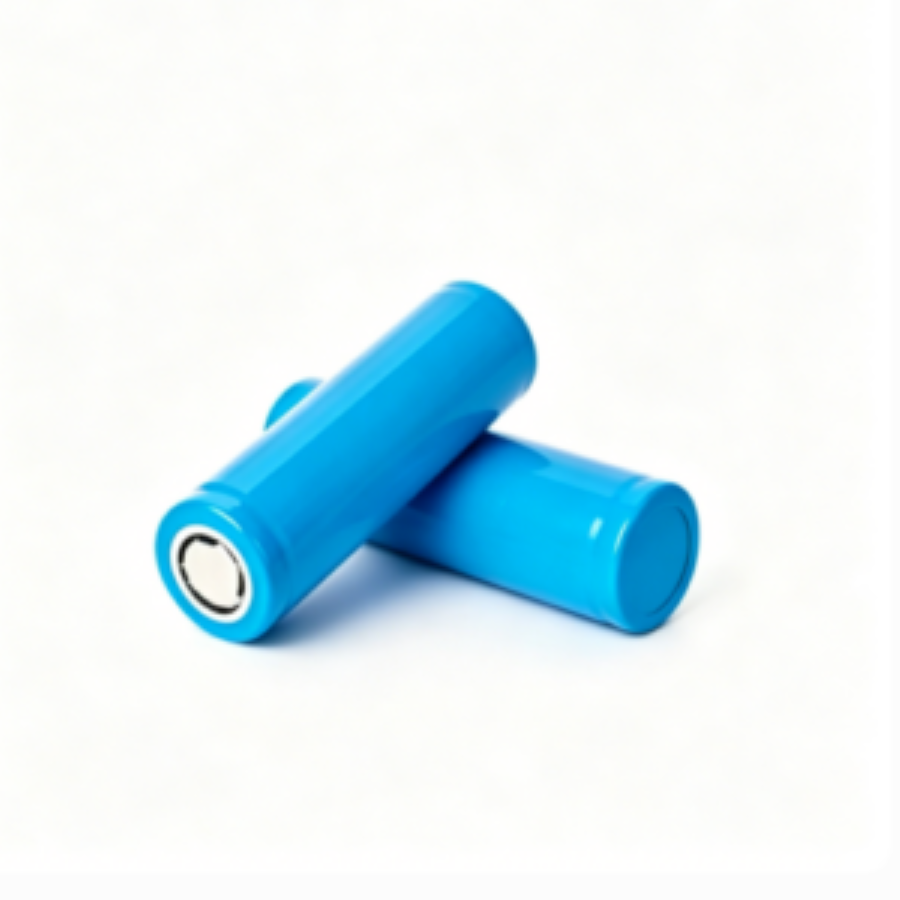
LiFePO4 46120 Cylindrical Cell 20.7-28.5Ah ATOMFAIR®
Price range: $25.00 through $30.00 -
Low-Temperature 26650 LFP Cell 3400mAh 4-Pack ATOMFAIR®
$37.00 -
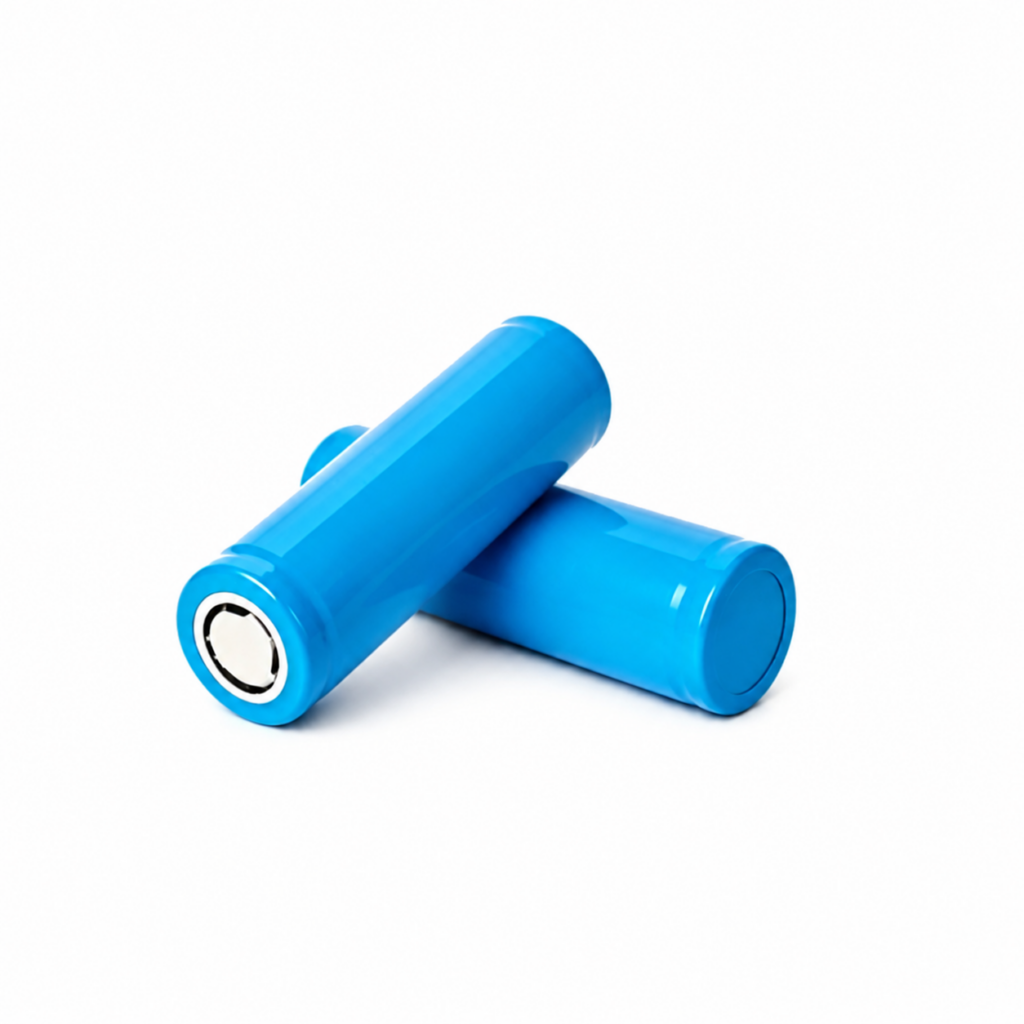
Sodium-Ion 46145 Cylindrical Cells 15-20Ah ATOMFAIR®
Price range: $59.00 through $69.00 -
Tabless 21700 NCM Li-ion Battery 5.0Ah 15C ATOMFAIR®
$30.00 -
Ultra-Low-Temperature 26650 LFP Cell 3000mAh ATOMFAIR®
$30.00 -
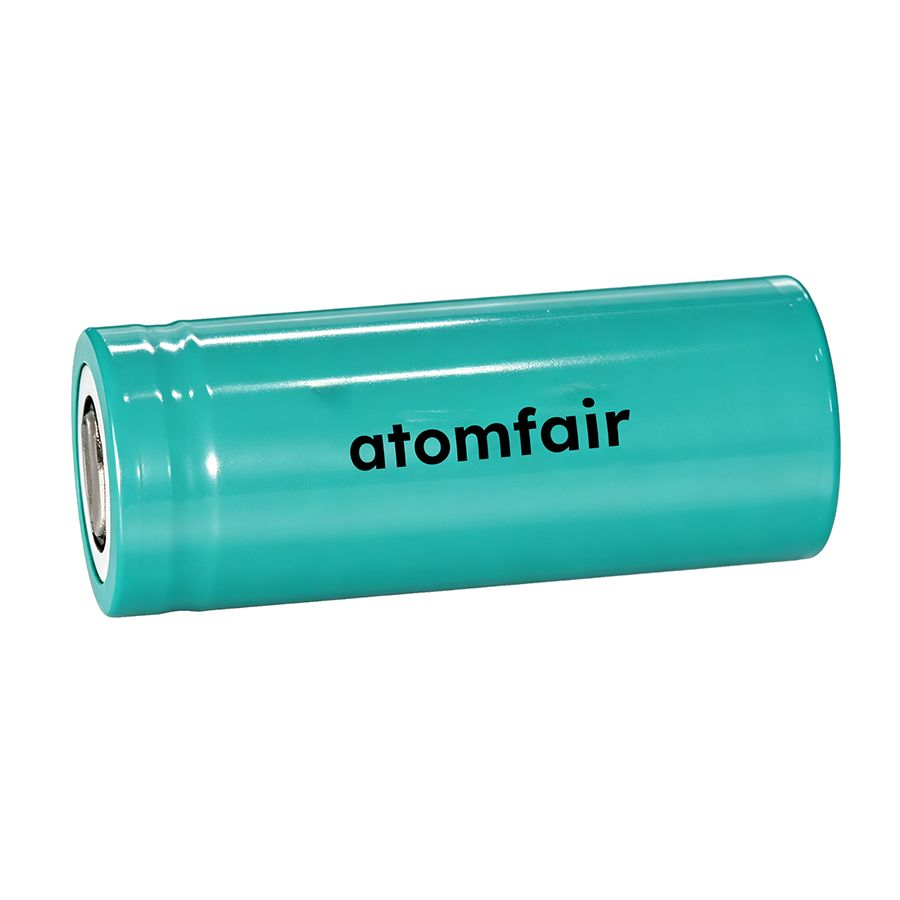
Wide-Temperature Cylindrical Cell 3.2V 3600mAh ATOMFAIR®
$39.00