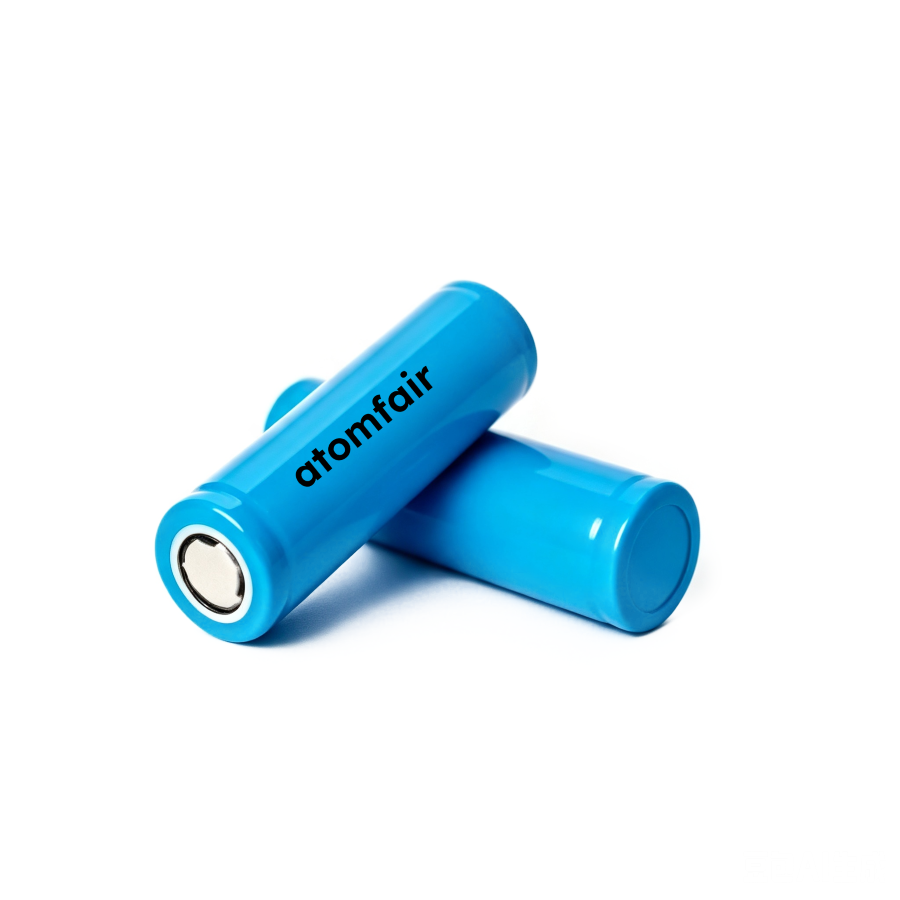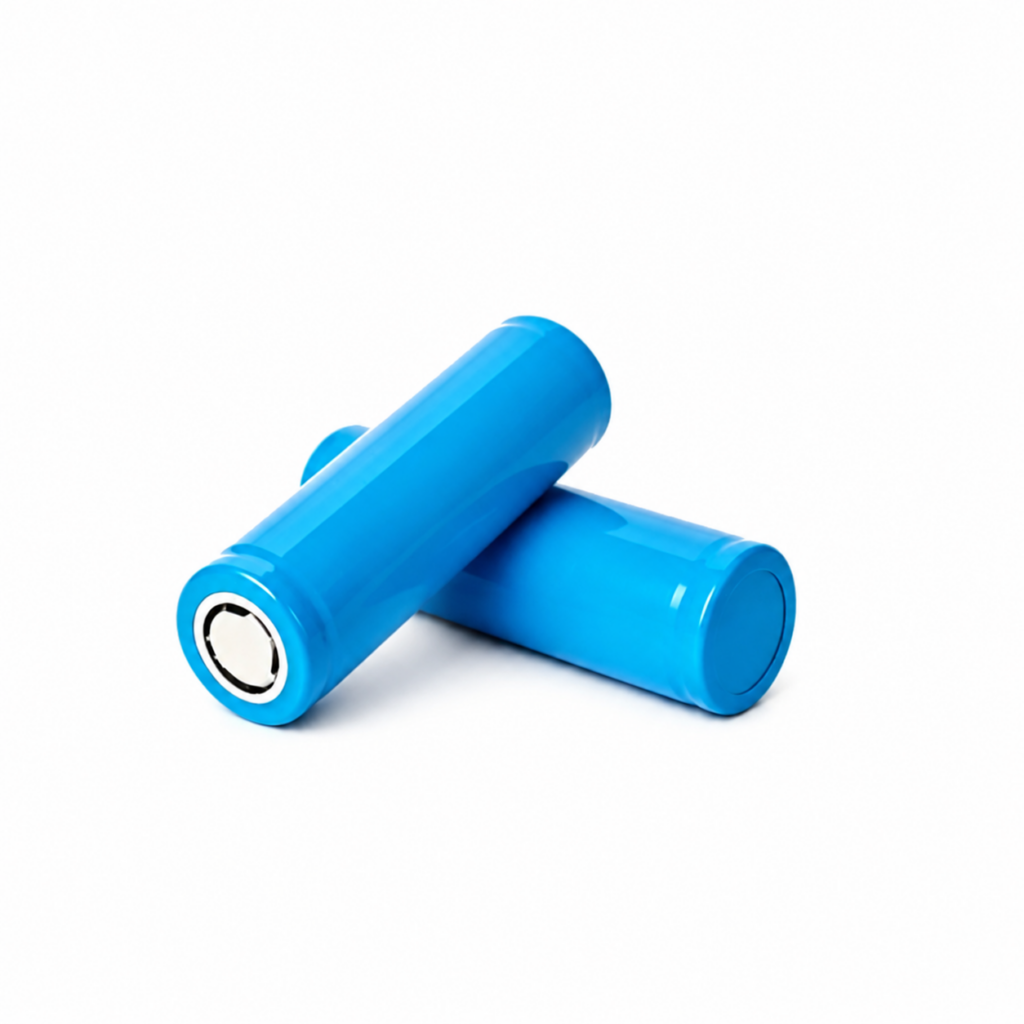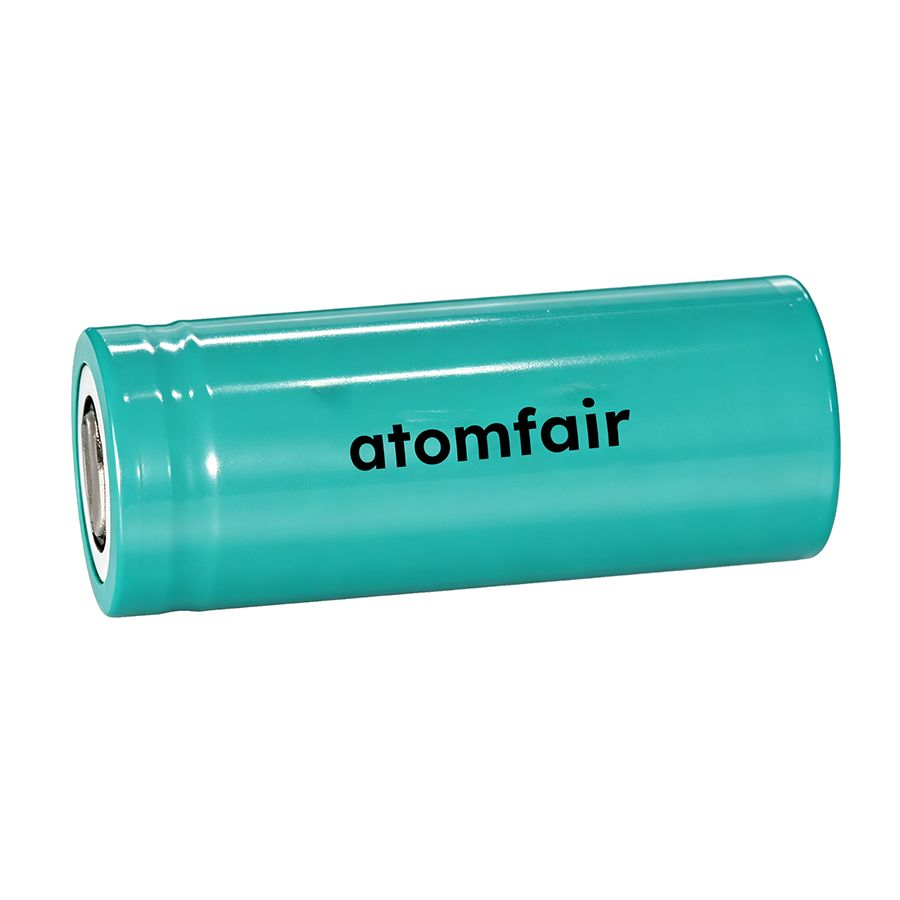
3.2V 3600mAh Wide-Temperature Cylindrical Battery Cell (-60°C to 80°C) | ATOMFAIRCOMMERCIAL GRADE PRODUCTION
|
|||||||||||||||||||||||||||||||||||||
|
|||||||||||||||||||||||||||||||||||||
|
TAILORED SOLUTIONS FOR RESEARCH
Contact our engineering team for technical support or official institutional quotations.
EMAIL: inquiry@atomfair.com
|
|||||||||||||||||||||||||||||||||||||
|
Manufacturer: Atomfair LLC
Brand: ATOMFAIR®
|
This cell requires storage in a cool, dry environment and operation within discharge temperature range of -60°C to 80°C and charge range of -40°C to 60°C. Prolonged exposure beyond these limits can degrade performance; the cell must not be disassembled, deformed, short-circuited, or incinerated, and pack assembly requires appropriate cell balancing and protection circuitry.
- Temperature Storage Constraint: Store cells in a cool, dry environment away from prolonged exposure to temperatures above 80°C or below -60°C.
- Mechanical Safety Constraint: Do not disassemble, deform, short-circuit, or incinerate the cell to prevent thermal runaway or rupture.
- Pack Assembly Constraint: Ensure appropriate cell balancing and protection circuitry is utilized in battery pack assembly to maintain safe operation.
- Charge Rate Constraint: Charge current must be adjusted according to temperature: 0.1C at -40°C to -30°C, 0.15C at -30°C to 5°C, and 0.5C at 5°C to 60°C.
- Discharge Rate Constraint: Standard discharge current is 0.5C between -40°C and 0°C, and 1C between 0°C and 60°C; maximum continuous discharge is 5C at 25±2°C.
Inspect the cell for physical damage before use and verify the ambient temperature is within the allowed charging or discharging range. Connect the cell to a compatible charger set to the appropriate current based on temperature, and monitor during the first charge cycle.
Required Equipment: Compatible Li-ion battery charger with temperature compensation, Multimeter for voltage verification, Thermocouple or temperature sensor, Protection circuit module or battery management system
- Inspect cell condition
Inspect the cell for any physical damage, swelling, or leakage before use. - Verify ambient temperature
Verify that the ambient temperature is within the charging range (-40°C to 60°C) or discharging range (-60°C to 80°C) as appropriate. - Set charger current
Set the charger to the recommended current based on temperature: 0.1C below -30°C, 0.15C between -30°C and 5°C, or 0.5C above 5°C. - Connect cell to charger
Connect the cell to the charger ensuring correct polarity and secure connection. - Monitor initial charge
Monitor the cell voltage and temperature during the initial charge cycle to detect any anomalies. - Store cell properly
After charging, store the cell in a cool, dry environment if not in immediate use. - Integrate protection circuitry
For pack assembly, integrate a battery management system that provides cell balancing and overcurrent protection.
How does the cycle life of the ATOMFAIR 3.2V 3600mAh wide-temperature cell degrade at extreme low temperatures compared to room temperature?
The cell retains ≥500 cycles at -30°C charge/discharge, compared to ≥2,000 cycles at 25°C, representing a 75% reduction in cycle life, but still provides reliable long-term operation in freezing environments. Validated cycle life at -10°C is ≥1,000 cycles, demonstrating robust performance under moderate cold conditions.
What are the specific charging current requirements for the ATOMFAIR 3.2V 3600mAh cell at different temperatures?
The standard charge current is temperature-dependent: at -40°C to -30°C use 0.1C (360 mA), at -30°C to 5°C use 0.15C (540 mA), and at 5°C to 60°C use 0.5C (1800 mA). This graduated charging profile prevents damage and ensures safe, efficient charging across the entire -40°C to 60°C charging window.
What cell balancing and protection circuitry is recommended when assembling the ATOMFAIR 3.2V 3600mAh cell into a battery pack?
The manufacturer specifies that appropriate cell balancing and protection circuitry must be used in pack assembly. The cell has a nominal voltage of 3.2V, charge cut-off at 3.65V, and discharge cut-off at 2.0V, so a BMS must enforce these limits. Additionally, store cells in a cool, dry environment and avoid prolonged exposure to temperatures above 80°C or below -60°C during operation.
This 3.2V 3600mAh cylindrical cell delivers reliable discharge from -60°C to 80°C and charging from -40°C to 60°C, with 5C continuous discharge at ambient temperature and validated low-temperature cycle life of ≥500 cycles at -30°C, making it suitable for extreme-environment applications.
Positive
- Ultra-Wide Temperature Range: Discharge from -60°C to 80°C and charge from -40°C to 60°C enables operation in extreme climatic conditions without performance interruption.
- Low-Temperature Cycle Life: Validated ≥500 cycles at -30°C charge/discharge and ≥1,000 cycles at -10°C, ensuring long-term reliability in freezing environments.
Trade-offs
- Reduced Discharge Rate at Low Temperature: Standard discharge current is limited to 0.5C (1800 mA) from -40°C to 0°C, significantly lower than the 5C (18A) max at ambient 25°C, impacting power delivery under extreme cold.
- Cycle Life Degradation at Extreme Cold: Cycle life at -30°C is ≥500 cycles, a reduction from ≥2,000 cycles at 25°C, indicating accelerated aging under sustained low-temperature operation.
Every advanced material, component, equipment, and instrument in our catalog is backed by rigorous testing. We maintain strict internal quality management frameworks and align with CE conformity metrics to deliver transparent, reproducible performance data via our public open-science repository.
To request raw batch performance data, submit formal vendor registration paperwork, or execute a fast-turnaround R&D manufacturing loop, contact us at inquiry@atomfair.com.
Item is dispatched under the Atomfair Shipping & Delivery Framework (Free worldwide shipping on orders over $59 USD excl. heavy equipment). Return is governed by the Atomfair Return & Refund Policy (7-day technical return window).