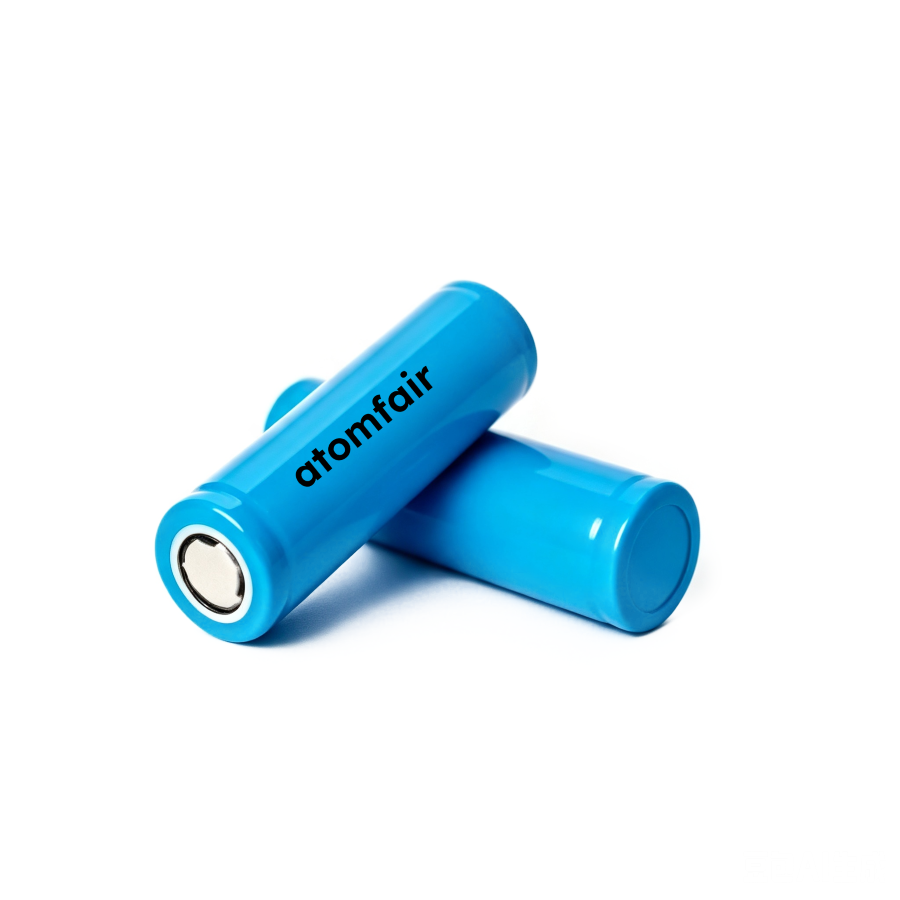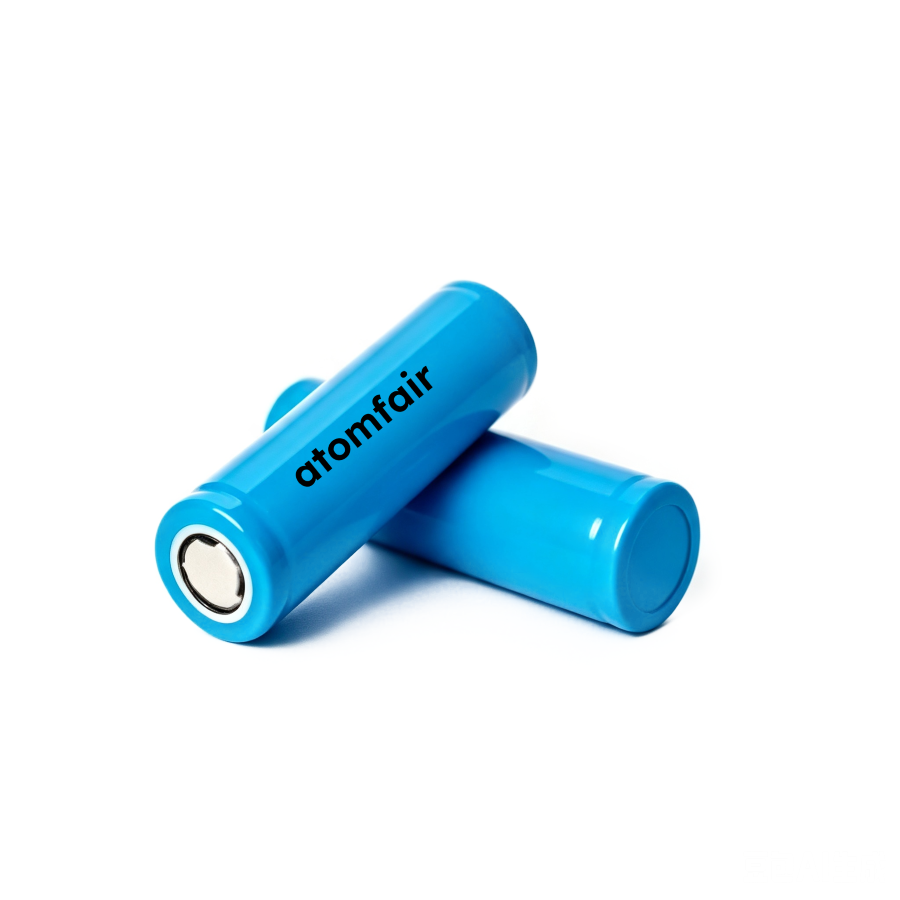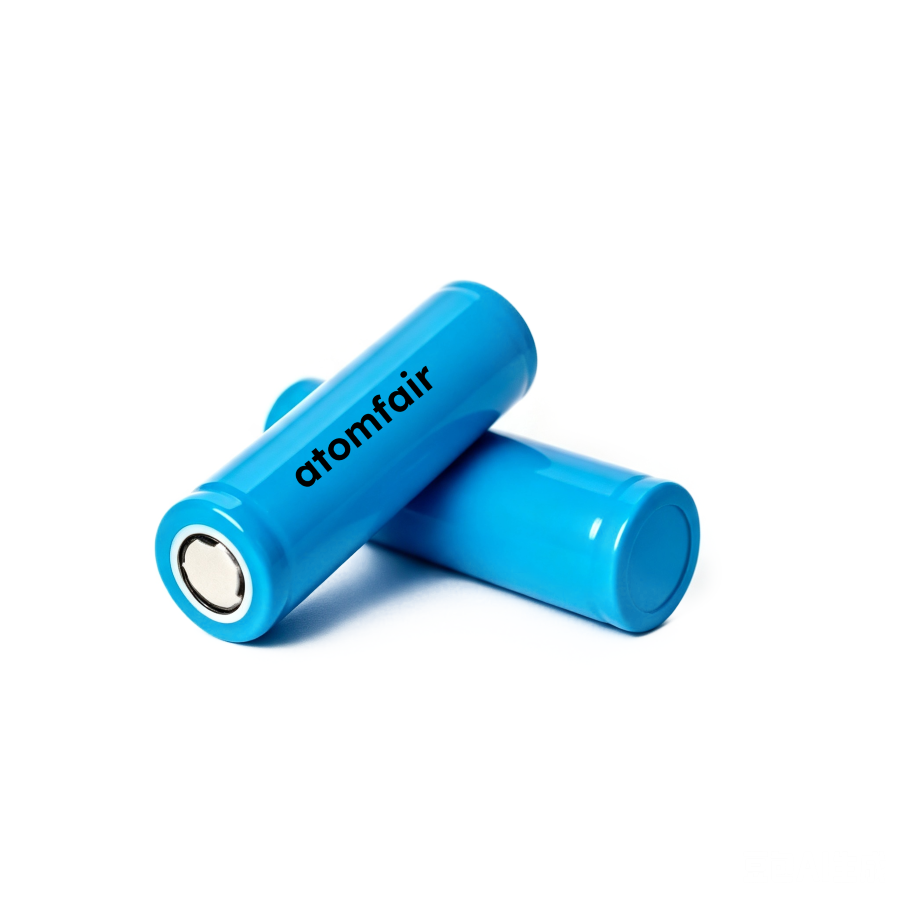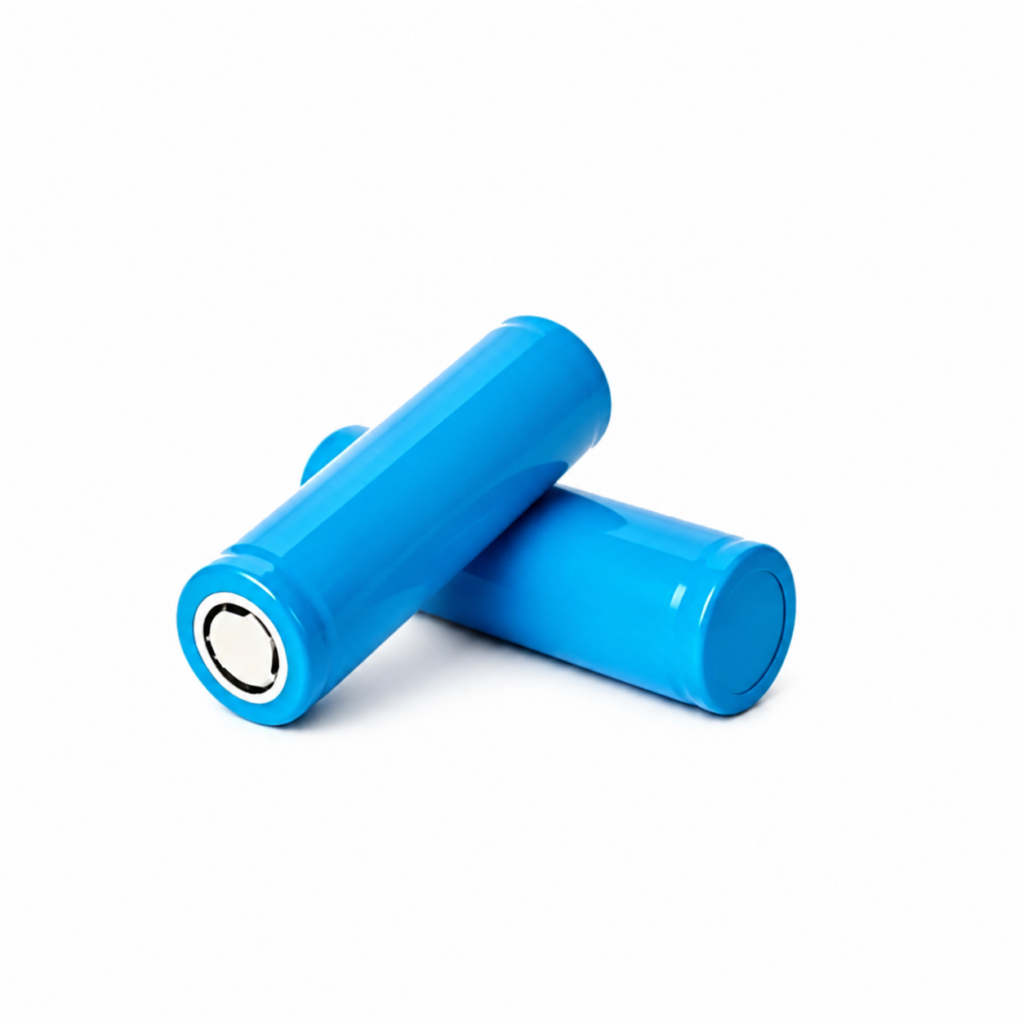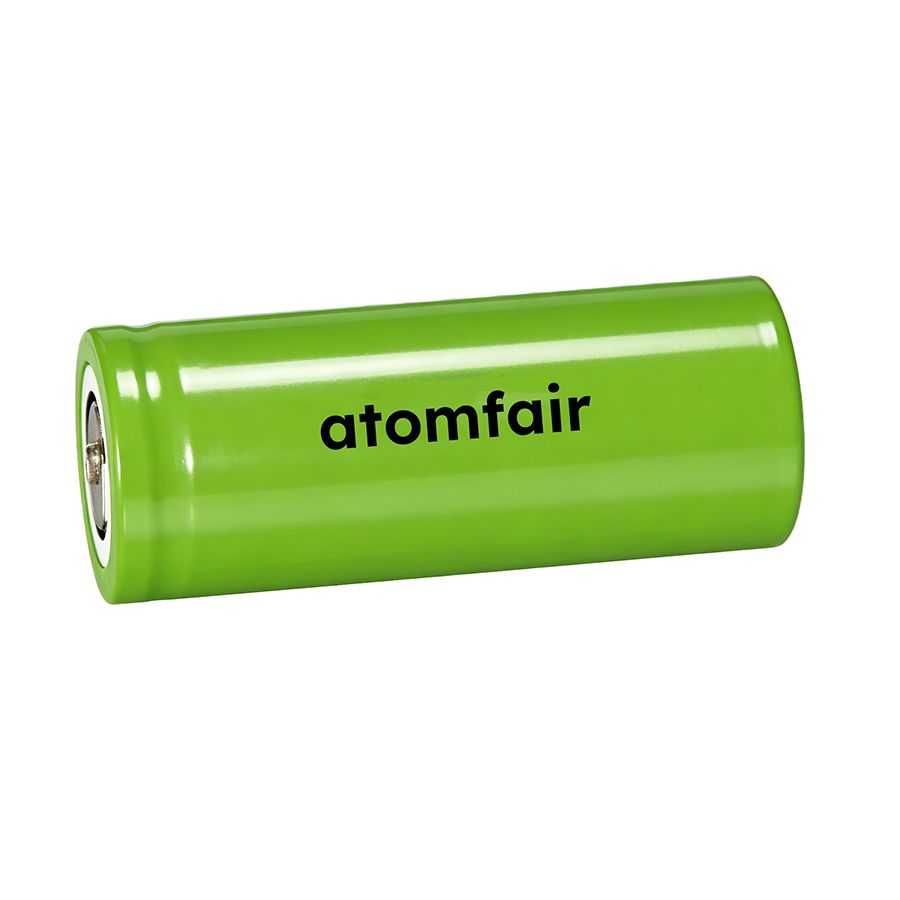
3.7V 4800mAh Ultra-Wide-Temperature Cylindrical Battery Cell (-70°C to 80°C) | ATOMFAIRCOMMERCIAL GRADE PRODUCTION
|
|||||||||||||||||||||||||||||||||
|
|||||||||||||||||||||||||||||||||
|
TAILORED SOLUTIONS FOR RESEARCH
Contact our engineering team for technical support or official institutional quotations.
EMAIL: inquiry@atomfair.com
|
|||||||||||||||||||||||||||||||||
|
Manufacturer: Atomfair LLC
Brand: ATOMFAIR®
|
This lithium-ion cell requires strict temperature control during storage and operation to prevent capacity loss and safety hazards. Proper handling and protection circuitry are mandatory to avoid short circuits and thermal runaway.
- Storage Requirements: Store the cell in a cool, dry environment to minimize self-discharge and prevent degradation.
- Operating Temperature Limits: The cell must not be operated outside the discharge temperature range of -70°C to 80°C or the charge temperature range of -40°C to 60°C.
- Prohibited Actions: Do not disassemble, deform, short-circuit, or incinerate the cell to avoid fire or explosion risk.
- Pack Assembly Precautions: Use appropriate cell balancing and protection circuitry when assembling the cell into a battery pack.
- Charge Current Guidelines: Adjust the charge current according to the cell temperature as specified in the technical table to ensure safe charging.
This procedure outlines safe handling and initial charging steps for the ultra-wide-temperature lithium-ion cell. Follow these steps to ensure optimal performance and avoid safety hazards.
- Store the cell
Store the cell in a cool, dry environment to prevent performance degradation. - Charge the cell
Charge the cell using a current appropriate for its temperature range as specified in the technical documentation. - Verify charge voltage
Verify the cell voltage does not exceed 4.2V during charging to avoid overvoltage damage. - Assemble into pack
Assemble the cell into a battery pack with appropriate cell balancing and protection circuitry.
How does the charging current of this ultra-wide-temperature cell depend on ambient temperature?
The cell employs multi-stage charging with current varying by temperature: 0.1C (480 mA) from -40°C to -30°C, 0.15C (720 mA) from -30°C to -20°C, 0.2C (960 mA) from -20°C to 0°C, and 0.5C (2400 mA) from 0°C to 60°C. This staged approach ensures safe and efficient charging across the full -40°C to 60°C charging range while maximizing charge acceptance at each temperature band.
What special considerations are required when integrating this cell into a battery pack for extreme environments?
Pack assembly must include appropriate cell balancing and protection circuitry, as stated in the product notice. The battery management system (BMS) should be rated for the cell's discharge range of -70°C to 80°C and charge range of -40°C to 60°C. Additionally, cells should be stored in a cool, dry environment and protected from prolonged exposure above 80°C or below -70°C during operation.
What is the cycle life performance at low temperatures compared to room temperature?
At -10°C with a 0.33C charge / 1C discharge regime, cycle life is ≥300 cycles. At 25±2°C with a 1C charge / 1C discharge regime, cycle life is ≥1000 cycles. While low temperature reduces cycle life substantially, the cell still delivers hundreds of cycles under cold conditions, making it suitable for applications requiring long-term reliability in freezing environments.
The ATOMFAIR 3.7V 4800mAh cylindrical cell delivers reliable discharge at -70°C and charging at -40°C, with an energy density of ~180 Wh/kg and 3C continuous discharge, making it suitable for extreme-environment applications.
Positive
- Ultra-wide temperature operation: Reliable discharge from -70°C to 80°C and stable charging from -40°C to 60°C, enabling uninterrupted performance in extreme Arctic to desert conditions.
- High energy density and rate capability: ~180 Wh/kg energy density with 3C (14.4A) max continuous discharge at ambient temperatures, providing compact, lightweight power delivery for demanding applications.
Trade-offs
- Temperature-dependent charge current: Standard charge current varies from 0.1C to 0.5C across the -40°C to 60°C range, requiring precise temperature monitoring and multi-stage charging protocols to avoid damage.
- Reduced cycle life at low temperature: Cycle life is ≥300 cycles at -10°C (0.33C/1C) compared to ≥1000 cycles at 25°C, indicating significant degradation under sustained cold operation.
Every advanced material, component, equipment, and instrument in our catalog is backed by rigorous testing. We maintain strict internal quality management frameworks and align with CE conformity metrics to deliver transparent, reproducible performance data via our public open-science repository.
To request raw batch performance data, submit formal vendor registration paperwork, or execute a fast-turnaround R&D manufacturing loop, contact us at inquiry@atomfair.com.
Item is dispatched under the Atomfair Shipping & Delivery Framework (Free worldwide shipping on orders over $59 USD excl. heavy equipment). Return is governed by the Atomfair Return & Refund Policy (7-day technical return window).