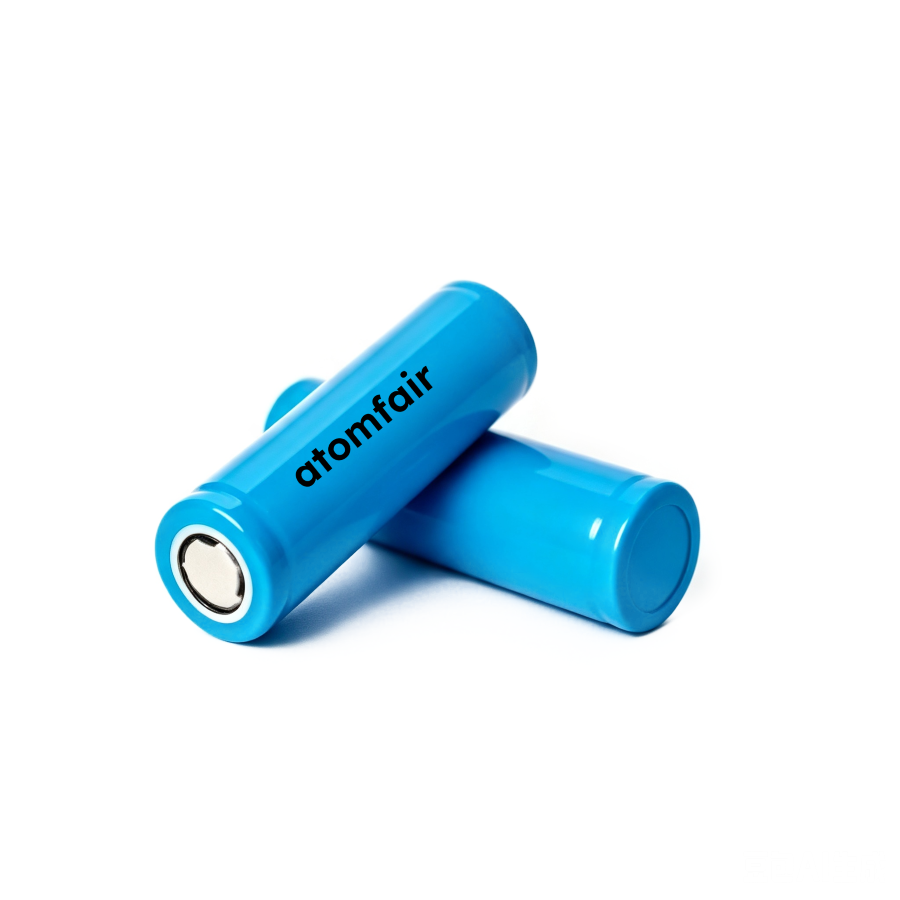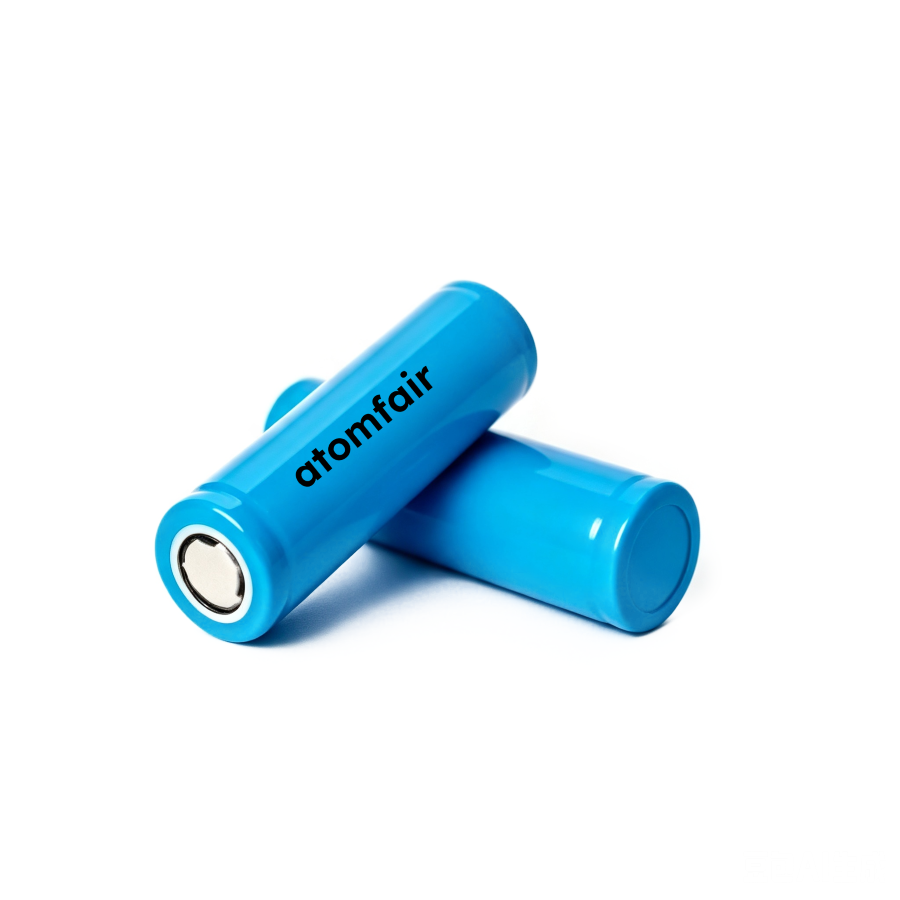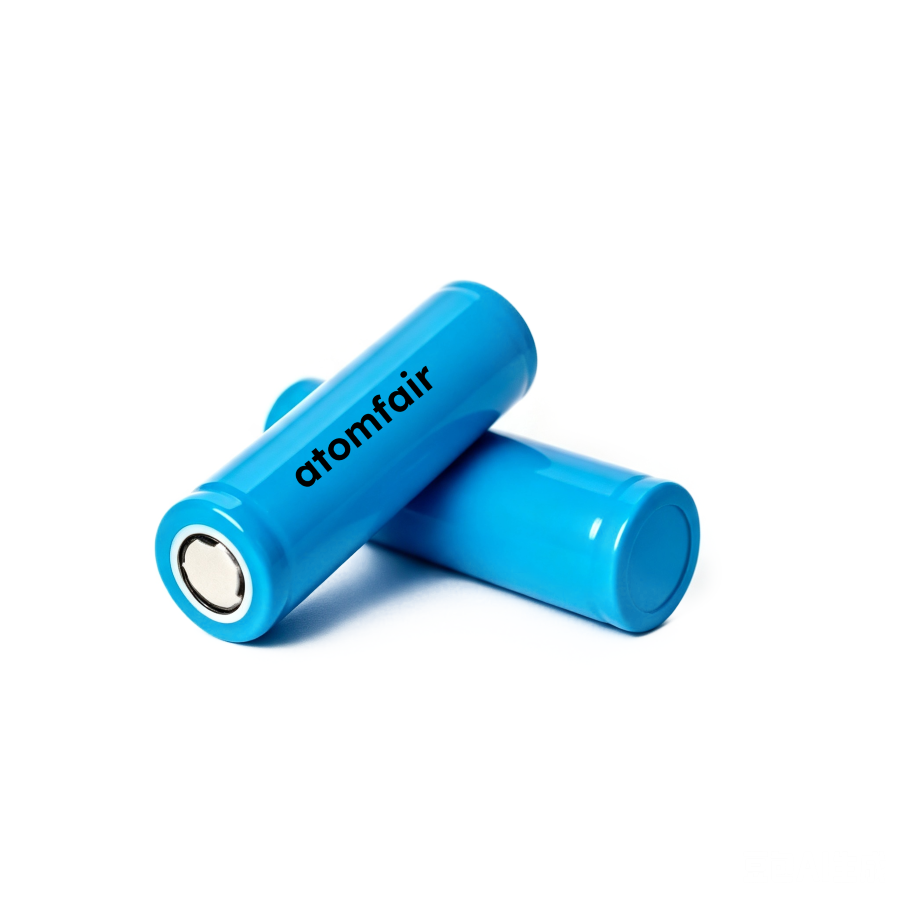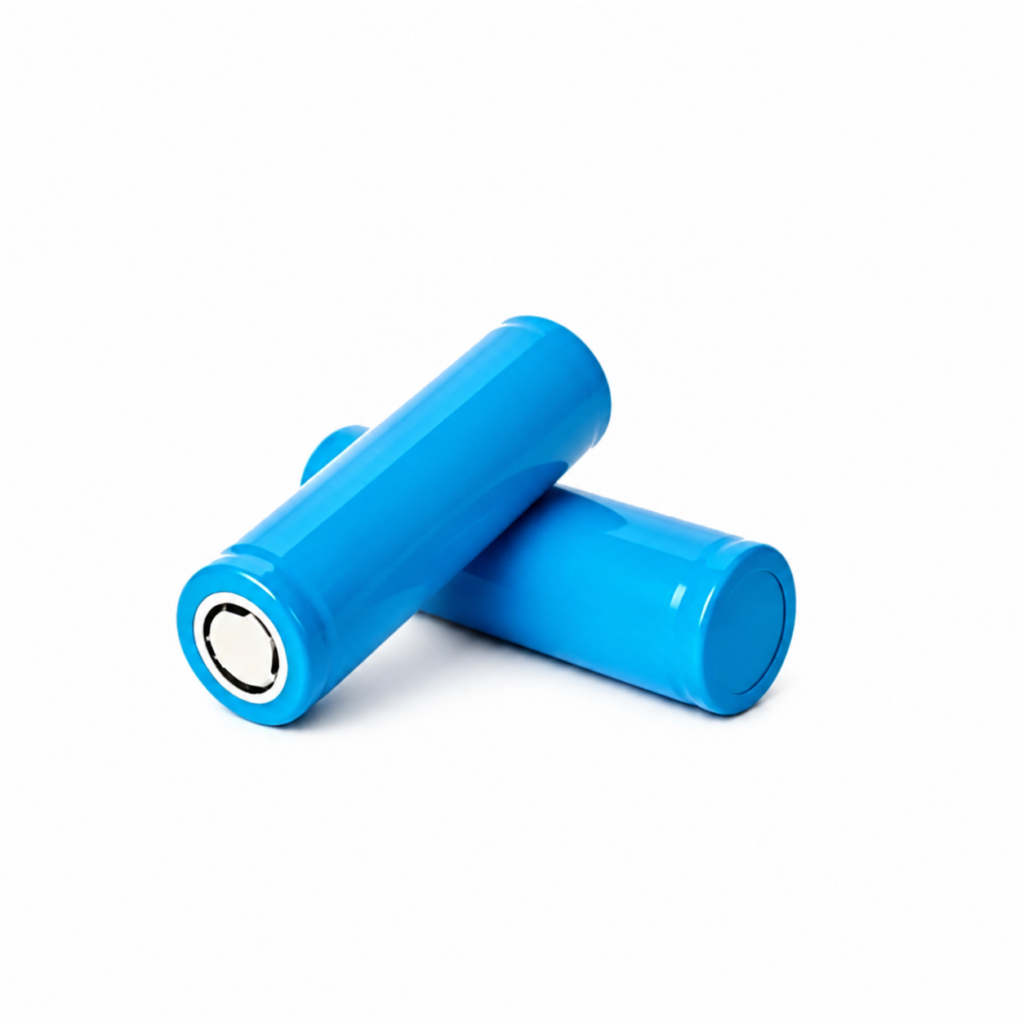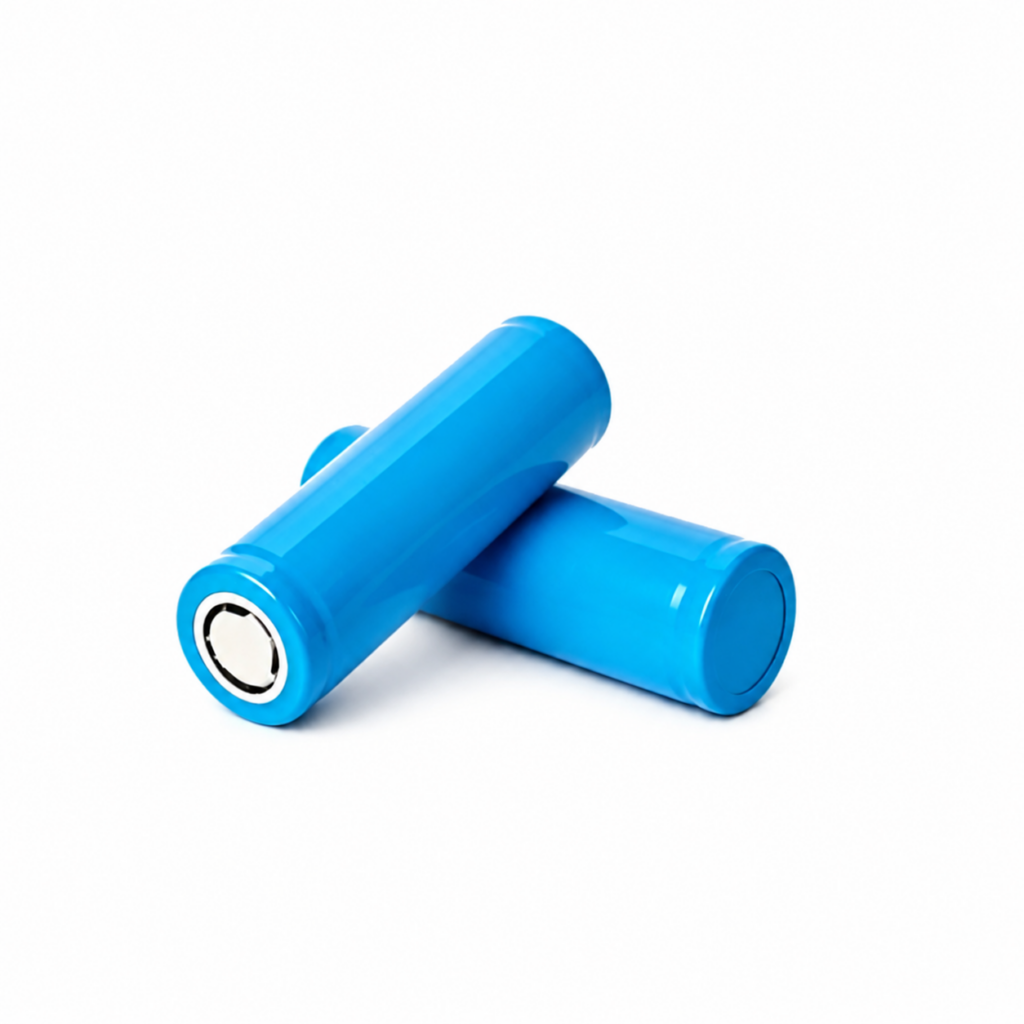
WIDE TEMPERATURE RANGE 21700 TABLEtS LITHIUM-ION BATTERY (4-Pack)COMMERCIAL GRADE · PRODUCTION
|
|||||||||||||||||||||||||||||||||||||||||||||||||||||
|
|||||||||||||||||||||||||||||||||||||||||||||||||||||
|
TAILORED SOLUTIONS FOR RESEARCH
Contact our engineering team for technical support or official institutional quotations.
EMAIL: INQUIRY@ATOMFAIR.COM
|
|||||||||||||||||||||||||||||||||||||||||||||||||||||
|
MANUFACTURER: ATOMFAIR LLC
BRAND: ATOMFAIR®
|
|||||||||||||||||||||||||||||||||||||||||||||||||||||
Store in a dry, ventilated area between 15-30°C to prevent capacity fade and internal degradation. Charge using a CCCV profile with thermal cut-off at 60°C and discharge with thermal cut-off at 80°C to avoid thermal runaway.
- Charge Temperature Constraint: Charge only within 0°C to +60°C to prevent lithium plating and irreversible capacity loss.
- Discharge Temperature Constraint: Discharge only within -60°C to +60°C, with pre-conditioning required for extreme low-temperature operation.
- Current Limits: Do not exceed 5.0C continuous charge current or 15.0C continuous discharge current to avoid thermal cut-off activation.
- Prohibited Actions: Do not disassemble, short circuit, or expose the cell to fire to prevent violent chemical release or explosion.
Inspect the cell for physical damage and verify terminal integrity before first use. Charge using a CCCV profile within the specified temperature range and current limits to ensure safe activation.
Required Equipment: CCCV-capable battery charger with thermal cut-off, Multimeter for voltage verification, Temperature-controlled environment (0°C to 60°C for charging)
- Inspect the cell
Visually inspect the cell for dents, punctures, or corrosion and confirm terminal cleanliness before handling. - Verify initial voltage
Measure open-circuit voltage with a multimeter to confirm it is within the safe range of 2.50V to 4.20V. - Set charge parameters
Configure the CCCV charger to a maximum charge current of 5.0C and a cut-off voltage of 4.20V, with thermal cut-off at 60°C. - Charge the cell
Place the cell in a temperature-controlled environment between 0°C and 60°C and initiate the CCCV charge cycle. - Monitor temperature during charge
Confirm the cell surface temperature remains below 60°C throughout the charge cycle to prevent thermal cut-off. - Prepare for discharge
Allow the cell to rest for at least 30 minutes after charging before connecting to a load. - Operate within discharge limits
Connect the load and ensure continuous discharge current does not exceed 15.0C and cell temperature stays below 80°C.
How does the tabless architecture affect the cycle life trade-off at high discharge rates compared to standard tabbed cells?
The tabless design drastically reduces internal resistance to ≤3.5 mΩ, minimizing heat generation and enabling high continuous discharge up to 15.0C. However, cycle life is trade-off: at 2C/10C 80% DOD, the cell delivers ≥300 cycles, while at standard 1C/1C 100% DOD it achieves ≥1000 cycles. This is suitable for high-power applications where longevity at extreme rates is secondary to sustained current delivery.
What charging infrastructure and parameters are required to support the 5C maximum continuous charge rate?
The cell supports up to 5.0C continuous charge (25A for a 5.0Ah cell) with a thermal cut-off at 60°C. A CCCV charger must be used with a 4.20V cut-off voltage, and the charge temperature range is 0°C to +60°C. Exceeding 5C or operating outside the thermal limit may compromise safety and cycle life.
What are the storage and handling requirements for the tabless 21700 cells to maintain performance and safety?
Store in a dry, ventilated area between 15°C and 30°C. For extreme low-temperature discharge down to -60°C, pre-conditioning may be required. Do not exceed rated currents, disassemble, short circuit, or expose to fire. Charge with a CCCV profile with cut-off at 60°C and discharge cut-off at 80°C. The cells arrive pre-calibrated in hazardous-material packaging with batch inspection data.
This 21700 tabless lithium-ion cell (4-pack) integrates NCM/SiOx chemistry with a tabless architecture to achieve ≤3.5 mΩ internal resistance, enabling 15C continuous and 30C pulse discharge across a -60°C to +60°C temperature window. The 5.0 Ah, 3.6 V rating yields ≥250 Wh/kg, with cycle life reaching 1000 cycles at 1C/1C 100% DOD. Charge is limited to 0–60°C and requires CCCV profiling; sub-zero discharge may require pre-conditioning.
Positive
- Ultra-wide discharge temperature range: Discharge rated from -60°C to +60°C, enabling reliable operation in extreme cold and hot environments without performance degradation, suitable for aerospace and arctic deployments.
- Tabless design for low impedance and high rate: Internal resistance ≤3.5 mΩ supports 15C continuous and 30C pulse discharge, minimizing heat generation and voltage drop under high-load conditions.
Trade-offs
- Charge temperature range limited to 0°C+: Charging is restricted to 0°C to +60°C; below 0°C the cell cannot be charged, which may require thermal management in cold environments.
- Pre-conditioning required for extreme low-temp discharge: At -60°C discharge, pre-conditioning may be necessary to avoid capacity loss or voltage instability, adding operational complexity.
Every advanced material, component, equipment, and instrument in our catalog is backed by rigorous testing. We maintain strict internal quality management frameworks and align with CE conformity metrics to deliver transparent, reproducible performance data via our public open-science repository.
To request raw batch performance data, submit formal vendor registration paperwork, or execute a fast-turnaround R&D manufacturing loop, contact us at inquiry@atomfair.com.
Item is dispatched under the Atomfair Shipping & Delivery Framework (Free worldwide shipping on orders over $59 USD excl. heavy equipment). Return is governed by the Atomfair Return & Refund Policy (7-day technical return window).