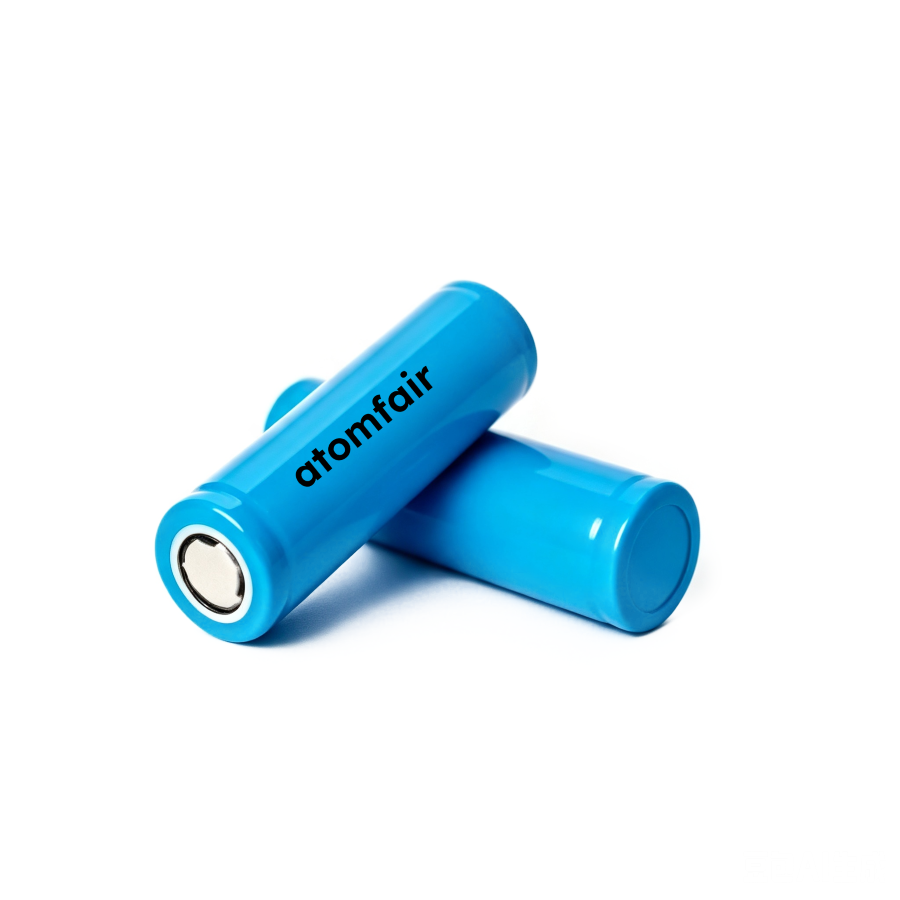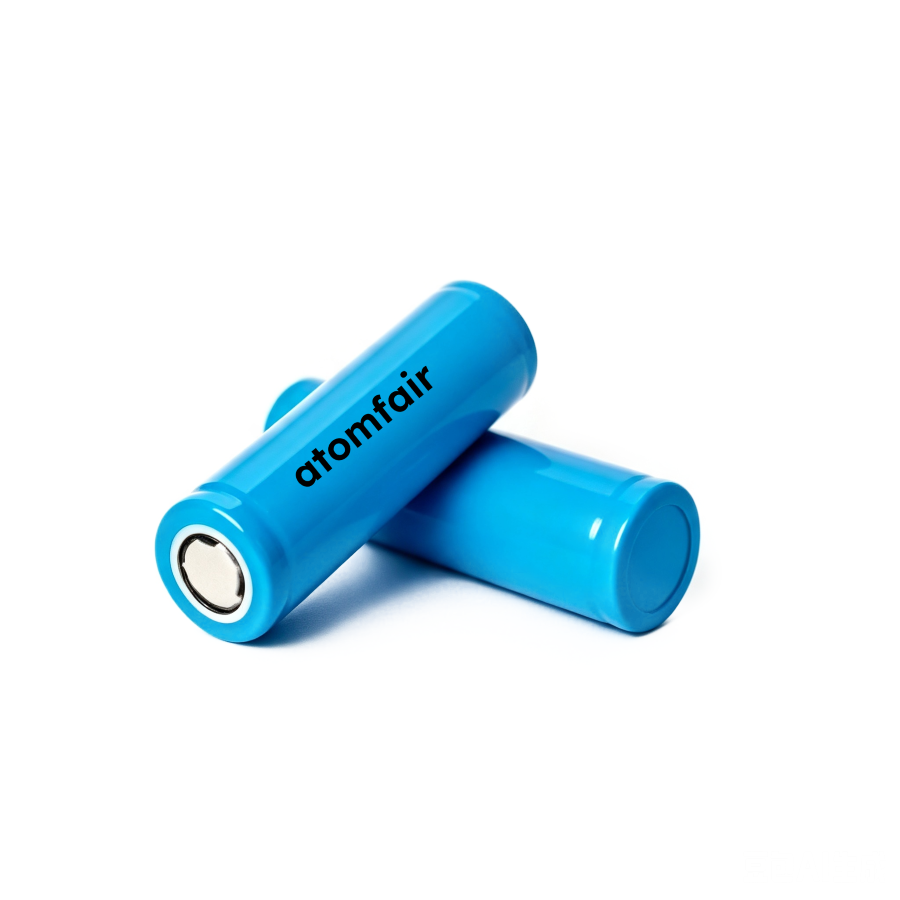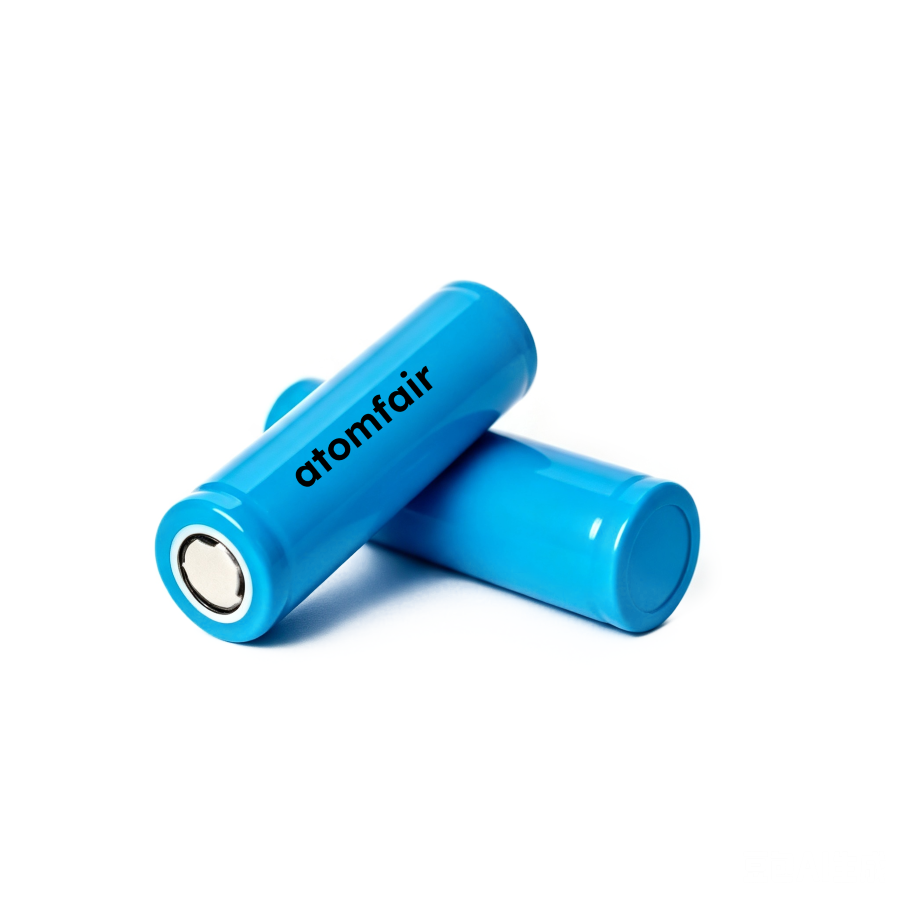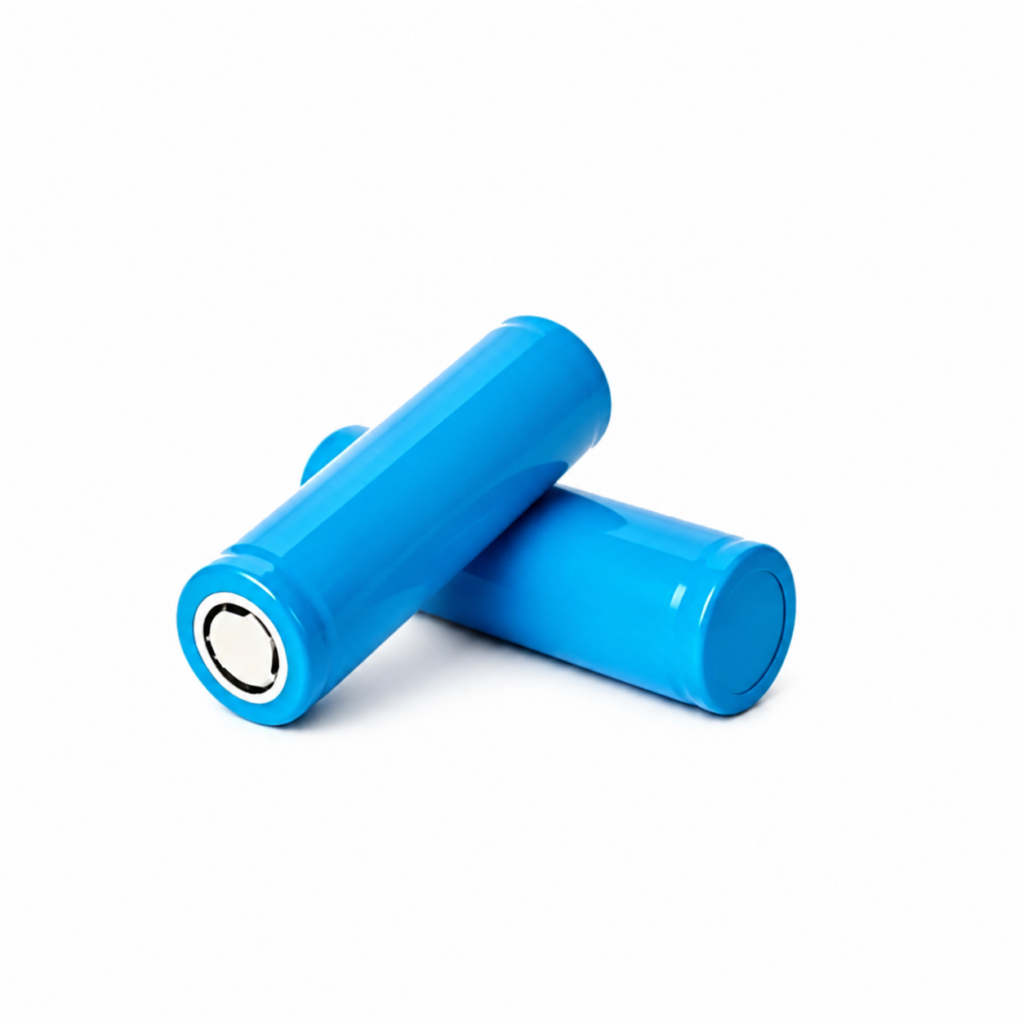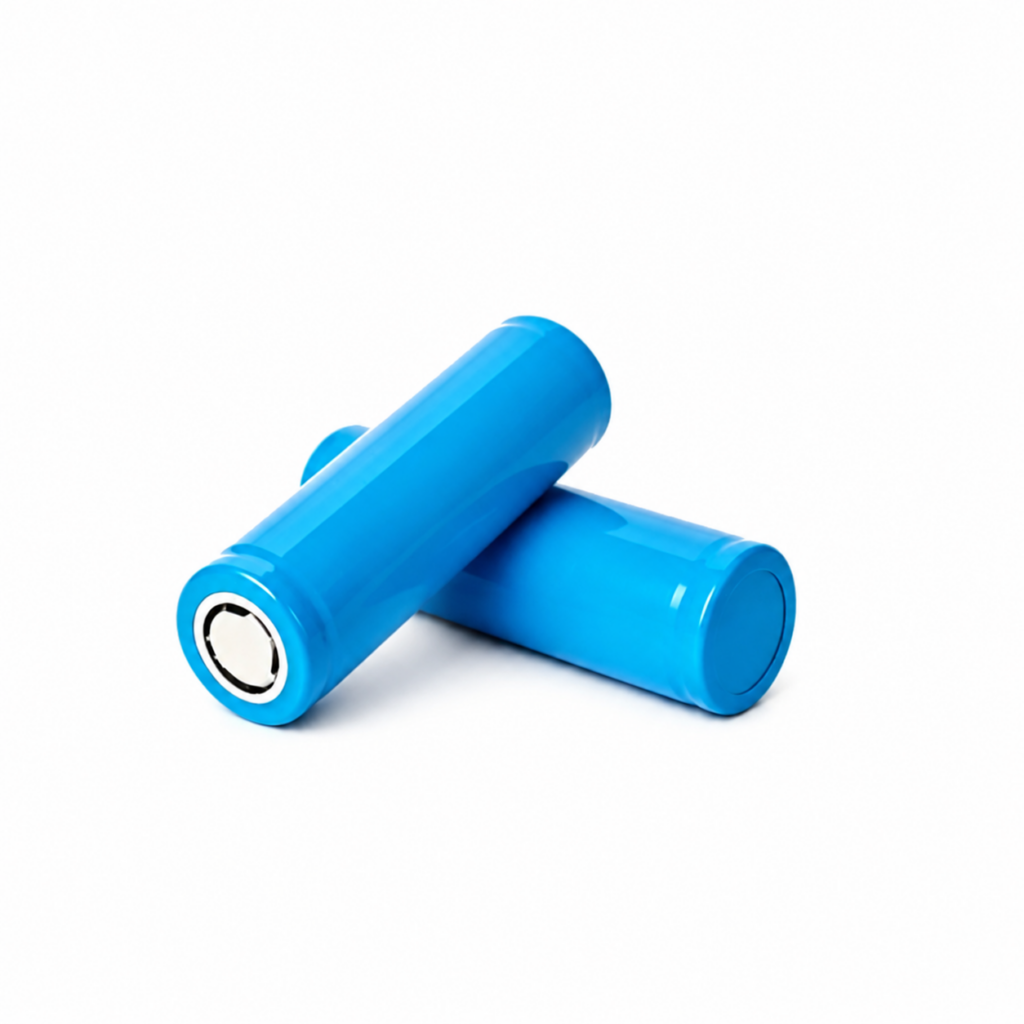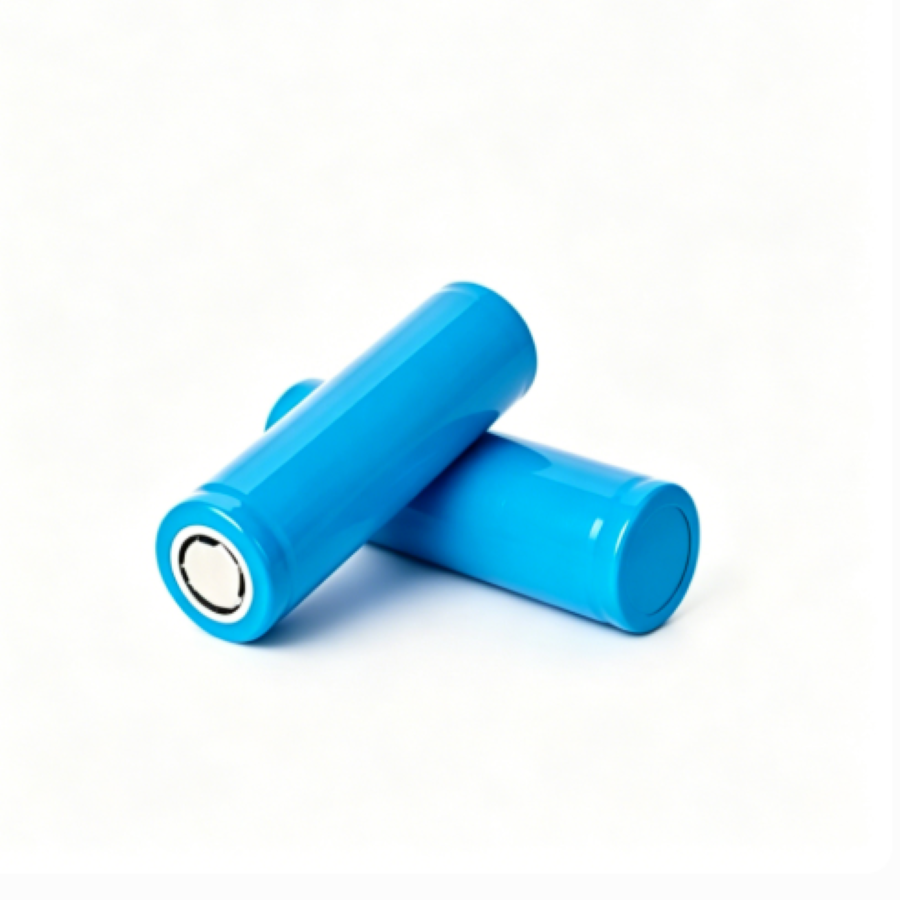
High Power 18650 Cylindrical Lithium-ion Battery – NCA / Gr+SiOx (4-Pack)COMMERCIAL GRADE · PRODUCTION
|
|||||||||||||||||||||||||||||||||||||||||||||||||||||
|
|||||||||||||||||||||||||||||||||||||||||||||||||||||
|
TAILORED SOLUTIONS FOR RESEARCH
Contact our engineering team for technical support or official institutional quotations.
EMAIL: INQUIRY@ATOMFAIR.COM
|
|||||||||||||||||||||||||||||||||||||||||||||||||||||
|
MANUFACTURER: ATOMFAIR LLC
BRAND: ATOMFAIR®
|
|||||||||||||||||||||||||||||||||||||||||||||||||||||
This battery requires strict adherence to voltage, temperature, and current limits to prevent thermal runaway. Store in a dry, ventilated area between 15-30°C and avoid physical damage.
- Charge Temperature Limit: Charge the battery only within 0°C to 60°C with a thermal cut-off at 60°C.
- Discharge Temperature Limit: Discharge the battery only within -60°C to 60°C with a thermal cut-off at 80°C.
- Current Limits: Do not exceed the maximum continuous charge current of 3.0C or the maximum continuous discharge current of 12.0C.
- Storage Conditions: Store the battery in a dry, ventilated area between 15°C and 30°C.
- Prohibited Actions: Do not disassemble, short circuit, or expose the battery to fire.
Follow these steps to safely charge, discharge, and store the battery. Always monitor temperature and current during operation.
Required Equipment: CCCV charger
- Charge Battery
Charge the battery using a CCCV profile with a temperature cut-off at 60°C. - Discharge Battery
Discharge the battery with a temperature cut-off at 80°C and do not exceed the rated currents. - Store Battery
Store the battery in a dry, ventilated area between 15°C and 30°C. - Avoid Hazards
Avoid disassembling, short-circuiting, or exposing the battery to fire.
What is the cycle life trade-off when operating this NCA/SiOx 18650 cell at high continuous discharge rates like 8C or 12C?
At 25°C, the cell delivers ≥1000 cycles at 1C/1C 100% DOD, but under more demanding 1C/4C 100% DOD it achieves ≥500 cycles, and at 2C/8C 80% DOD it provides ≥300 cycles. This degradation reflects the increased stress from high-rate discharge on the silicon oxide-blended graphite anode, which enhances energy density but accelerates capacity fade under extreme current loads.
What charge voltage and temperature window must a BMS enforce for safe integration of this 18650 NCA/SiOx cell?
The cell requires a CCCV charge profile with a maximum voltage of 4.20V and a cut-off at 2.50V. Charge temperature range is 0°C to +60°C, with thermal cut-off at 60°C. The standard charge current is 1.0C, and max continuous charge is 3.0C. These parameters must be strictly adhered to prevent thermal runaway, especially given the low internal resistance (≤8.0 mΩ) which can lead to high current draw if not properly managed.
What storage conditions and handling precautions are necessary for this high-power 18650 battery with an extreme low-temperature discharge capability?
Store in a dry, ventilated area between 15-30°C. Do not disassemble, short circuit, or expose to fire. The cell can discharge from -60°C to +60°C, but charging is only permitted from 0°C to +60°C. The low internal resistance (≤8.0 mΩ) means the cell can deliver high currents, so proper insulation and terminal protection are critical during handling. The 4-pack should be secured in shock-damping hazardous material transport packaging.
This 18650 cell with NCA/Gr+SiOx chemistry delivers 12C continuous discharge (20C pulse) and 2.9Ah capacity in a compact form, with wide discharge temperature range down to -60°C but charge limited to above 0°C.
Positive
- High power discharge capability: Supports 12.0C maximum continuous discharge and 20.0C pulse discharge (10s), enabling sustained high-current loads for demanding applications like power tools and drone assemblies.
- Ultra-wide discharge temperature range: Discharge operational from -60°C to +60°C, allowing reliable performance in severe cold environments such as high-altitude research and cold-climate systems.
Trade-offs
- Charge temperature restriction: Charge temperature range is limited to 0°C to +60°C; charging below freezing is not allowed, requiring thermal management in cold environments.
- Thermal monitoring required for high rates: Max continuous charge (3.0C) and discharge (12.0C) invoke thermal cut-offs at 60°C and 80°C respectively, necessitating active temperature sensing and heat dissipation in high-duty cycles.
Every advanced material, component, equipment, and instrument in our catalog is backed by rigorous testing. We maintain strict internal quality management frameworks and align with CE conformity metrics to deliver transparent, reproducible performance data via our public open-science repository.
To request raw batch performance data, submit formal vendor registration paperwork, or execute a fast-turnaround R&D manufacturing loop, contact us at inquiry@atomfair.com.
Item is dispatched under the Atomfair Shipping & Delivery Framework (Free worldwide shipping on orders over $59 USD excl. heavy equipment). Return is governed by the Atomfair Return & Refund Policy (7-day technical return window).