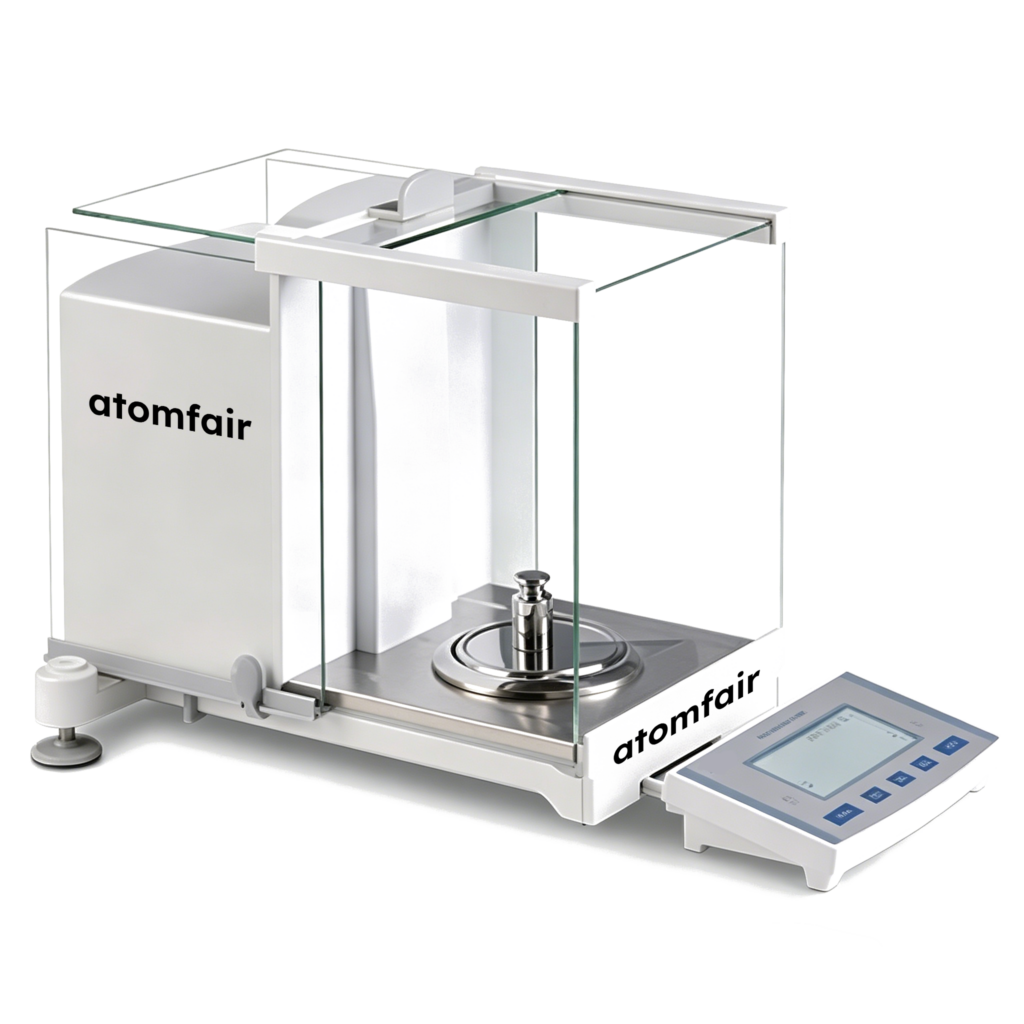
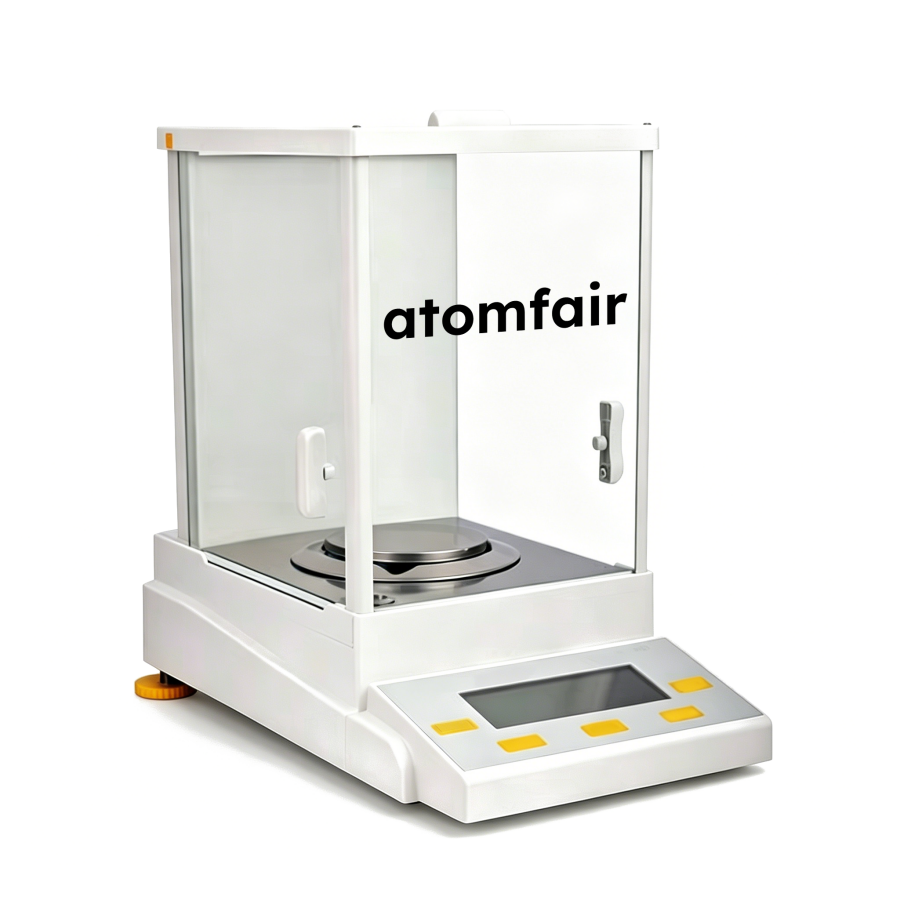
Electronic Balances
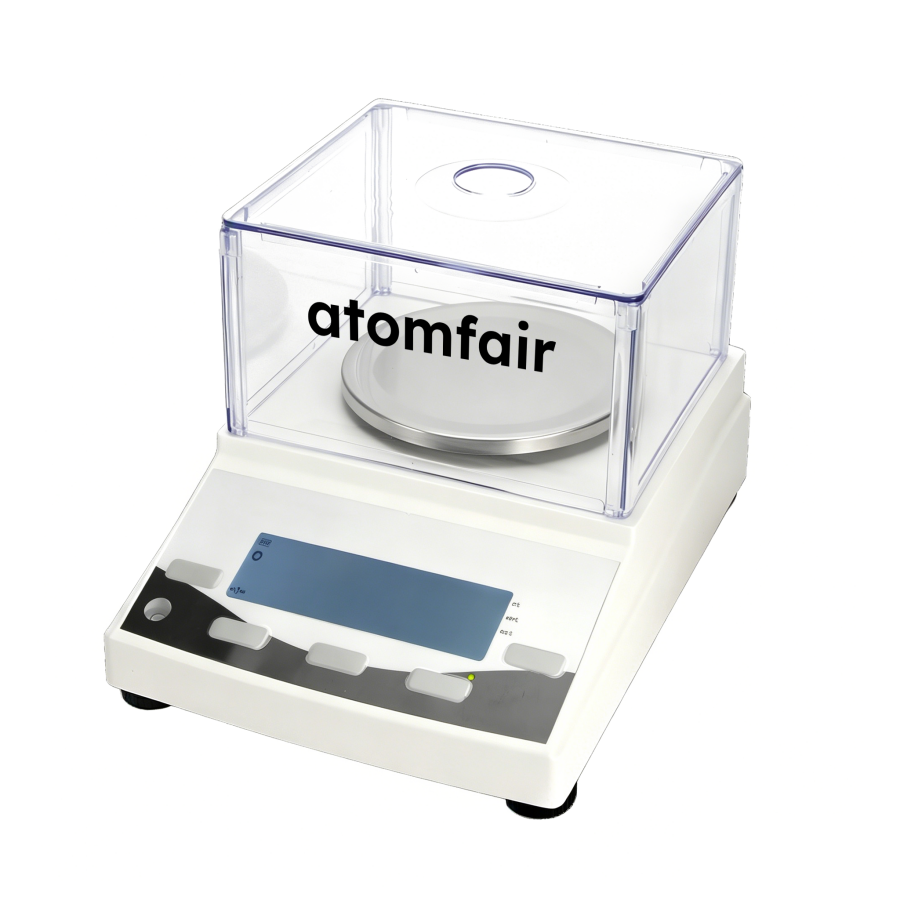
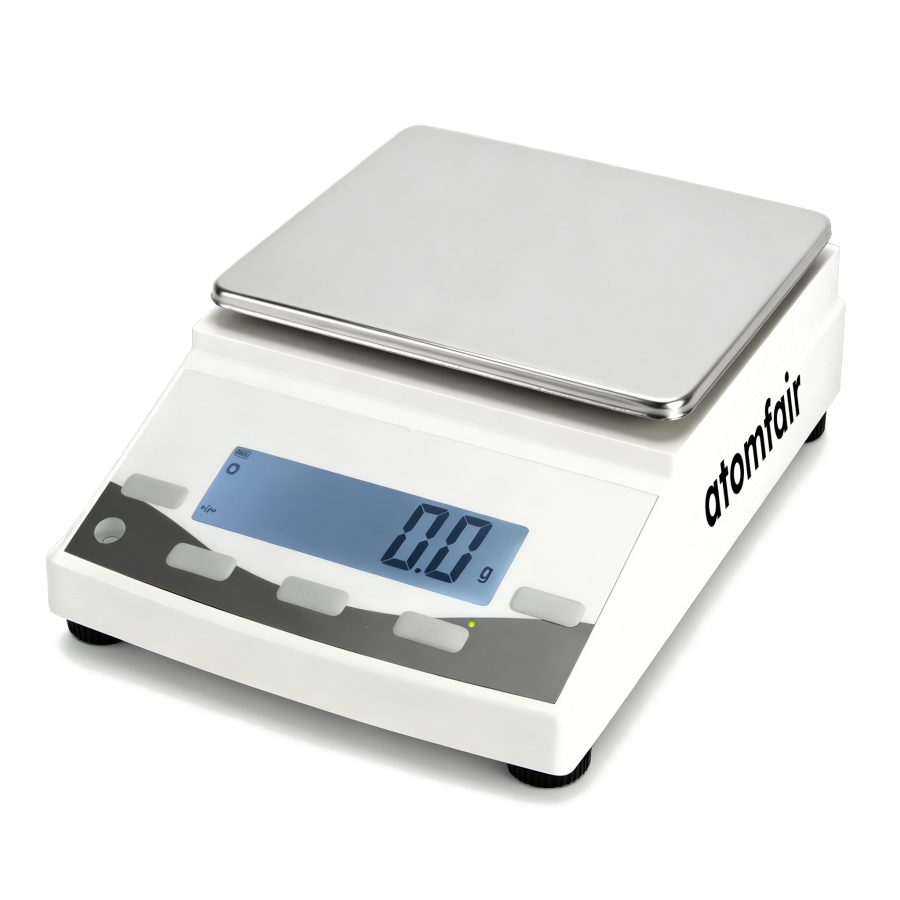
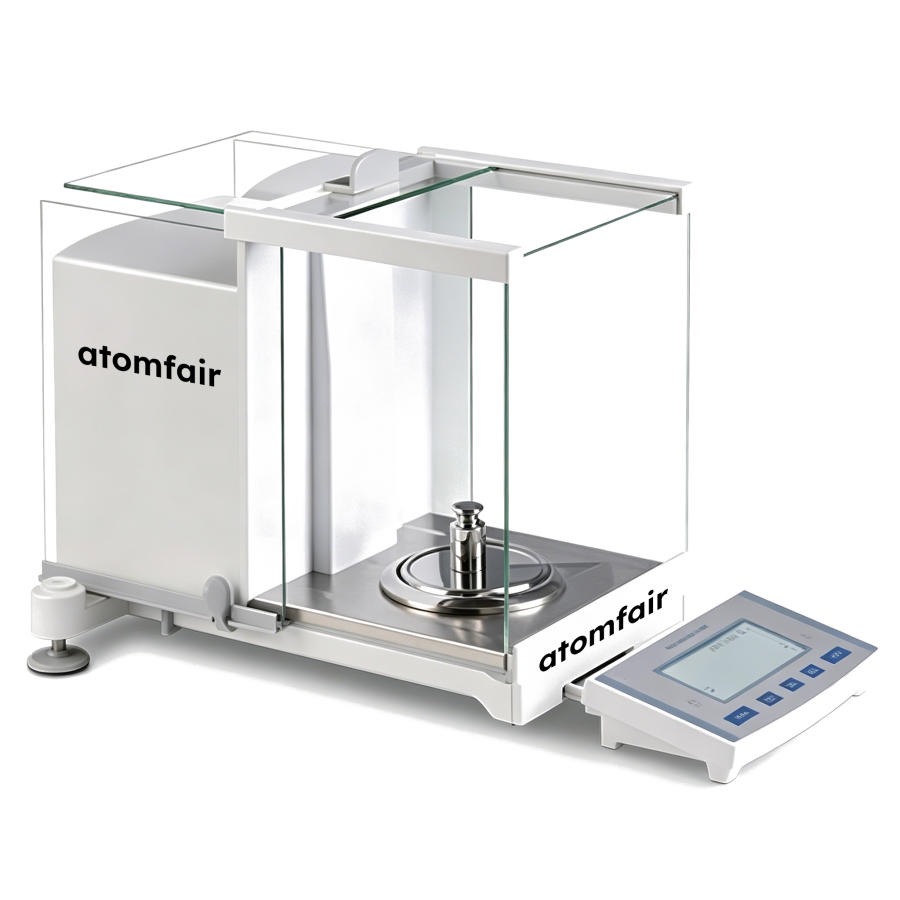
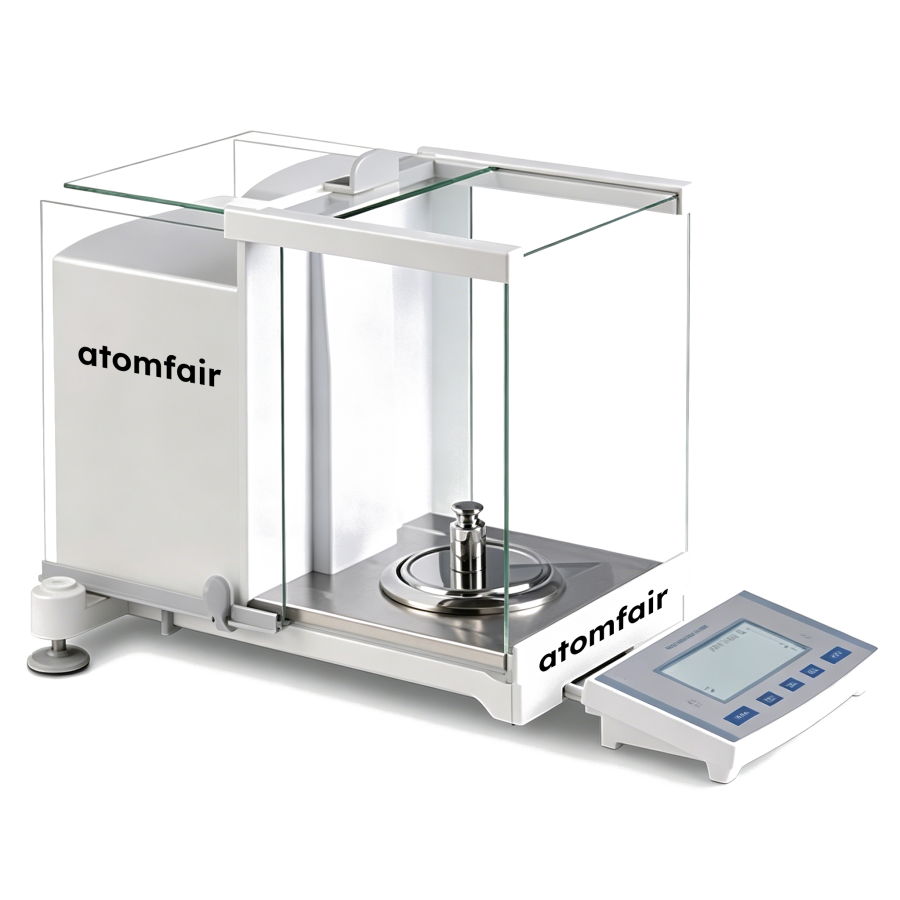
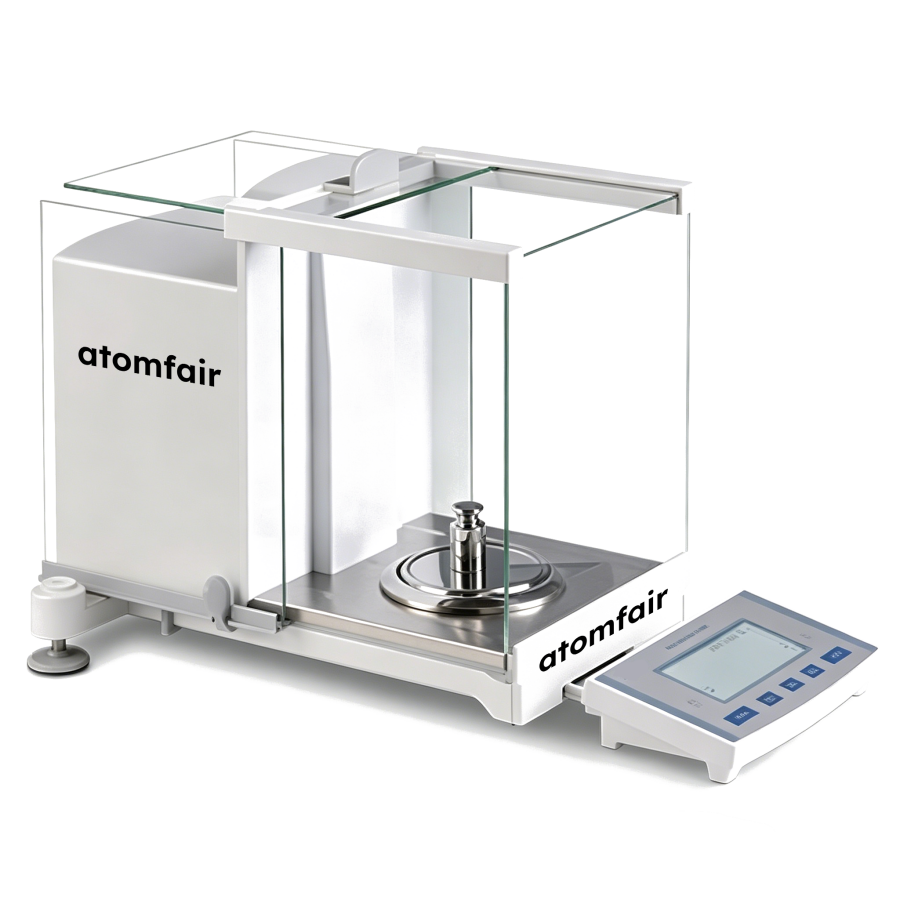
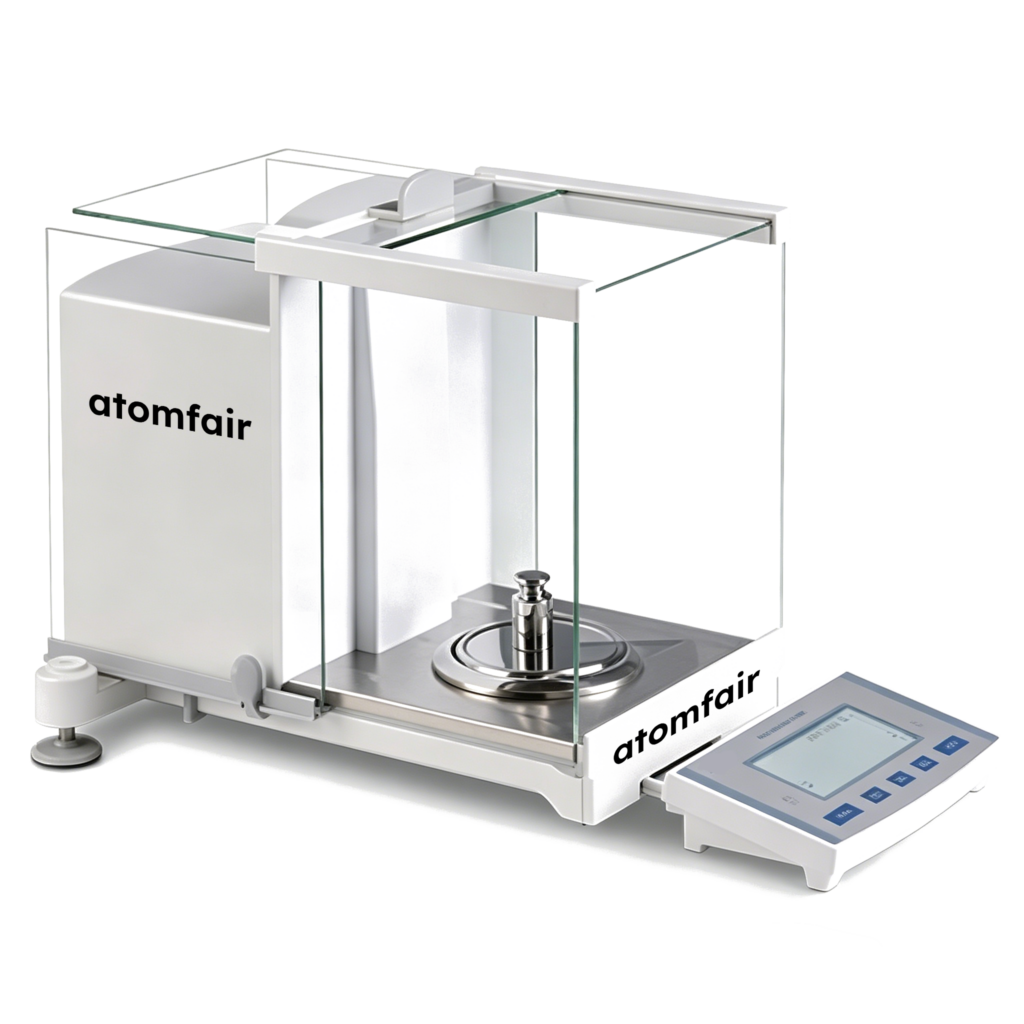
Electronic balances are essential instruments for laboratory weighing, sample preparation, quality control, formulation work, and research testing that requires stable and repeatable mass measurement. This category includes laboratory electronic balances for university labs, research institutes, corporate R&D teams, and quality control departments, with options selected by capacity, readability, calibration method, operating interface, and data-recording needs.
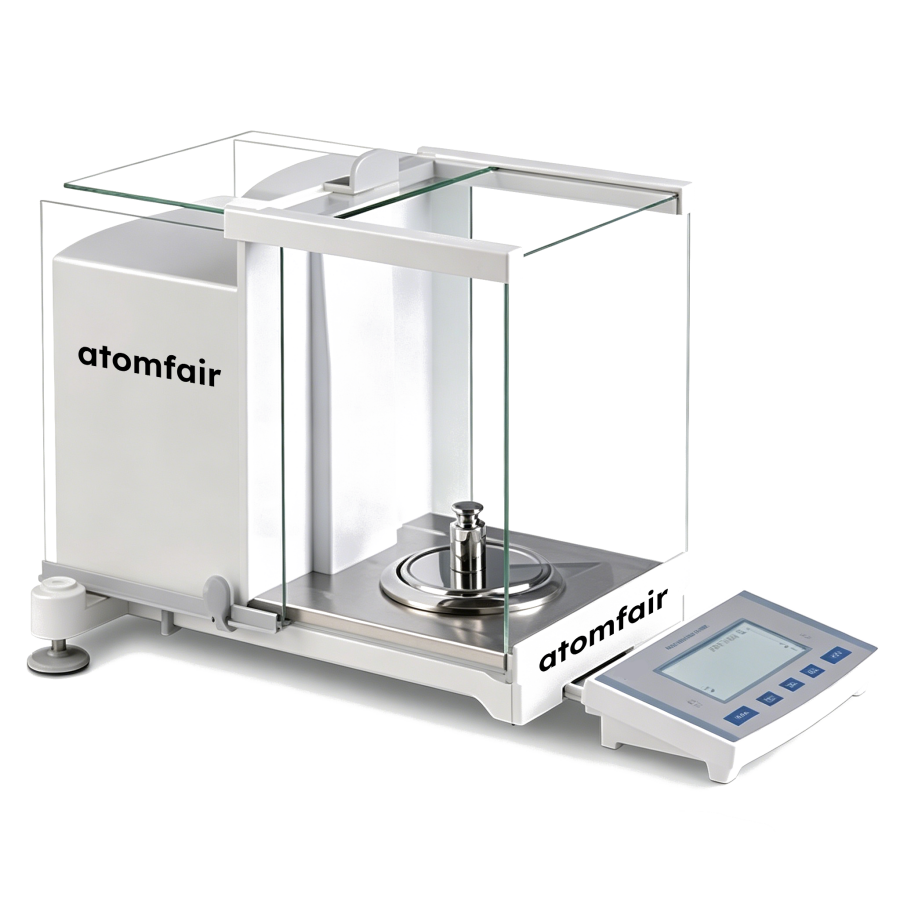
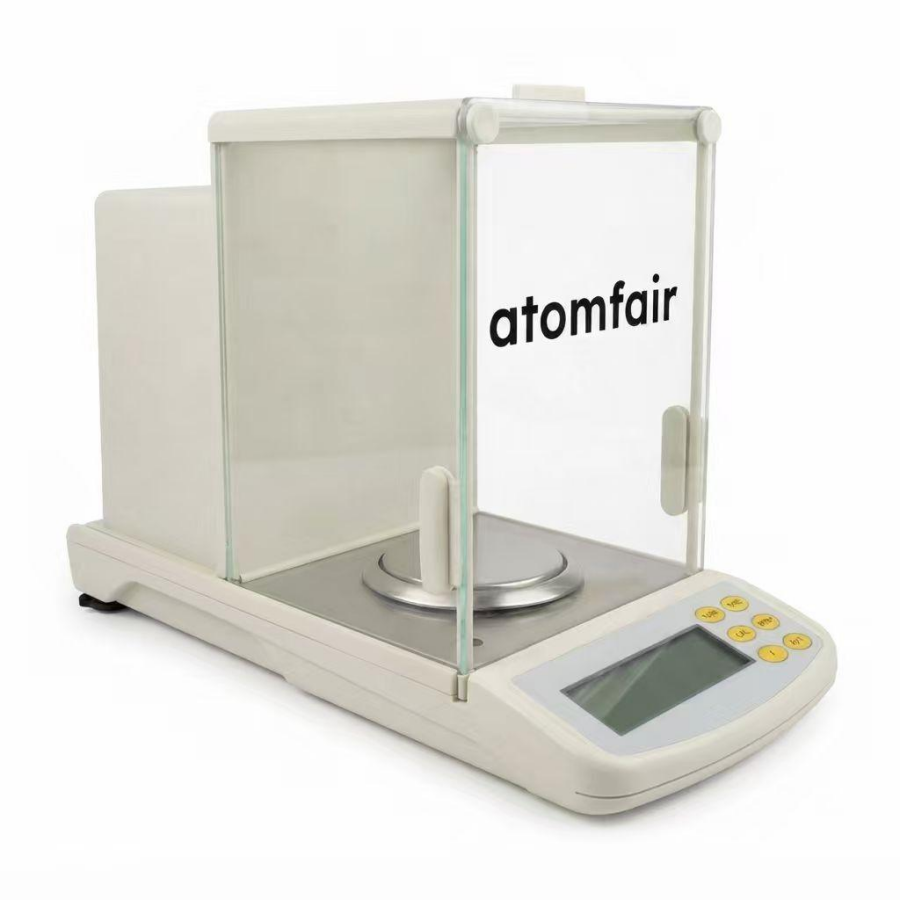
ATOMFAIR’s Electronic Balances category is currently centered on analytical and semi-micro balance formats, including 1 mg, 0.1 mg, and 0.01 mg readability options, as well as dual-range, touchscreen, and internal-calibration configurations. Buyers can compare models according to sample weight, target precision, weighing environment, and daily usage frequency.
Choosing an electronic balance should not be based on readability alone. Maximum capacity, tare container weight, draft protection, calibration method, bench stability, anti-static conditions, and data output can all affect real weighing performance. For high-precision weighing, the working environment and supporting accessories are often just as important as the balance itself.
Show More
How to Choose an Electronic Balance
| Selection Factor | What to Confirm | Why It Matters |
|---|---|---|
| Readability | 1 mg, 0.1 mg, 0.01 mg, or finer | Defines the smallest display increment and practical weighing resolution. |
| Capacity | Maximum sample, container, and tare weight | Prevents overload and keeps weighing within the useful operating range. |
| Balance Type | Analytical, semi-micro, precision, or top-loading balance | Matches the balance to sample weight, precision needs, and lab environment. |
| Calibration | External calibration or internal calibration | Affects daily calibration convenience and consistency of use. |
| Draft Protection | Enclosed weighing chamber or open-pan format | Reduces airflow effects during high-precision weighing. |
| Operating Interface | Touchscreen, keypad, data output, or printer support | Supports multi-user operation, recordkeeping, and quality control. |
| Lab Environment | Vibration, airflow, static, and temperature drift | Strongly affects repeatability for analytical and semi-micro balances. |
Main Balance Types
Analytical Balances
Analytical balances are used for controlled, repeatable weighing of small samples. They are commonly selected for chemical preparation, materials research, powder weighing, battery material handling, formulation work, and university laboratories. Many analytical balances include draft shields and offer 0.1 mg or 1 mg readability depending on the model.
Semi-Micro Balances
Semi-micro balances provide finer readability for applications where sample quantity is limited, sample value is high, or small mass differences are important. These balances typically require a stable location, vibration control, and careful environmental management.
Dual-Range Balances
Dual-range balances are useful when a lab needs high readability for smaller loads while also covering a broader weighing range. For workflows with varying sample sizes, a dual-range model may reduce the need for two separate balances.
Internal-Calibration Balances
Internal-calibration balances simplify routine operation through a built-in calibration mechanism. They are useful for labs that need consistent daily readiness or shared use by multiple operators. Depending on lab policy, periodic verification with suitable calibration weights may still be required.
Typical Applications
| Application Area | Recommended Selection Direction |
|---|---|
| Chemical and Reagent Weighing | Analytical balance with suitable readability and draft protection |
| Materials and Powder Research | Analytical or semi-micro balance depending on sample mass |
| Battery and Energy Material Labs | Analytical balance for powders, salts, binders, additives, and electrode materials |
| University Teaching Labs | Durable analytical or precision balance with simple operation |
| Quality Control and Formulation | Balance with consistent calibration workflow and data-recording options |
| Small-Sample R&D | Semi-micro balance or high-readability analytical balance |
Pre-Purchase Checklist
Before selecting a model, confirm the minimum sample mass, maximum combined sample and container weight, target readability, need for internal calibration, data output or printing requirements, and whether the balance will be used in a controlled weighing room or on a general laboratory bench.
If the balance will be used near ventilation, frequent door movement, charged powders, or vibration sources, prioritize a model with draft protection and consider anti-static tools, a vibration-control table, or a more stable installation location. For analytical and semi-micro balances, the laboratory environment can directly affect weighing stability.
For laboratories with quality-record requirements, also check calibration support, data export, printer compatibility, user access control, and traceability options. For general research labs, ease of use, cleaning access, display clarity, and accessory availability are also worth considering.
FAQ
Should I choose by capacity or readability first?
Both matter, but start by confirming the maximum weighing load, including the sample, container, and tare weight. Then choose readability according to the smallest sample size and acceptable experimental error. If samples are very light, focus on 0.1 mg or 0.01 mg models; if containers are heavy, higher capacity may be required.
How should I choose between a 0.1 mg and 1 mg balance?
A 1 mg balance is often practical and cost-effective for routine reagent weighing, teaching labs, and general sample preparation. A 0.1 mg balance is usually more suitable for analytical work, formulation research, material powder weighing, or smaller sample quantities.
When do I need a 0.01 mg semi-micro balance?
Consider a 0.01 mg semi-micro balance when samples are very small, sample value is high, or the experiment needs to compare very small mass differences. Before purchasing, confirm that the lab can provide a stable bench, draft protection, vibration control, and anti-static conditions.
Is internal calibration worth choosing?
Internal calibration is useful when the balance is used daily, shared by multiple operators, or when the lab wants to reduce external calibration steps. If usage is less frequent or the budget is limited, an external-calibration model with suitable calibration weights may also be appropriate.
What is the difference between touchscreen and keypad models?
Touchscreen models are usually more intuitive and are well suited to multi-user labs, training settings, and workflows that require frequent function changes. Keypad models are simpler and may be preferred for budget-sensitive labs or fixed weighing routines.
Should I buy calibration weights with the balance?
In many cases, yes. Suitable calibration weights are recommended, especially for external-calibration balances or labs that need routine verification. The weight class and range should be selected according to the balance readability and internal quality requirements.
Will airflow or vibration in our lab affect the choice?
Yes. High-precision balances are sensitive to airflow, vibration, static, and temperature changes. If the bench is near air conditioning, doors, fume hoods, or vibrating equipment, choose a model with draft protection and consider a vibration-control table, anti-static tools, and a more stable location.
What information should I provide if I am not sure which model to buy?
Provide the maximum sample weight, minimum weighing amount, target readability, sample type, need for internal calibration, data output or printing requirements, lab environment conditions, and budget range. This helps match the balance to the actual workflow more accurately.