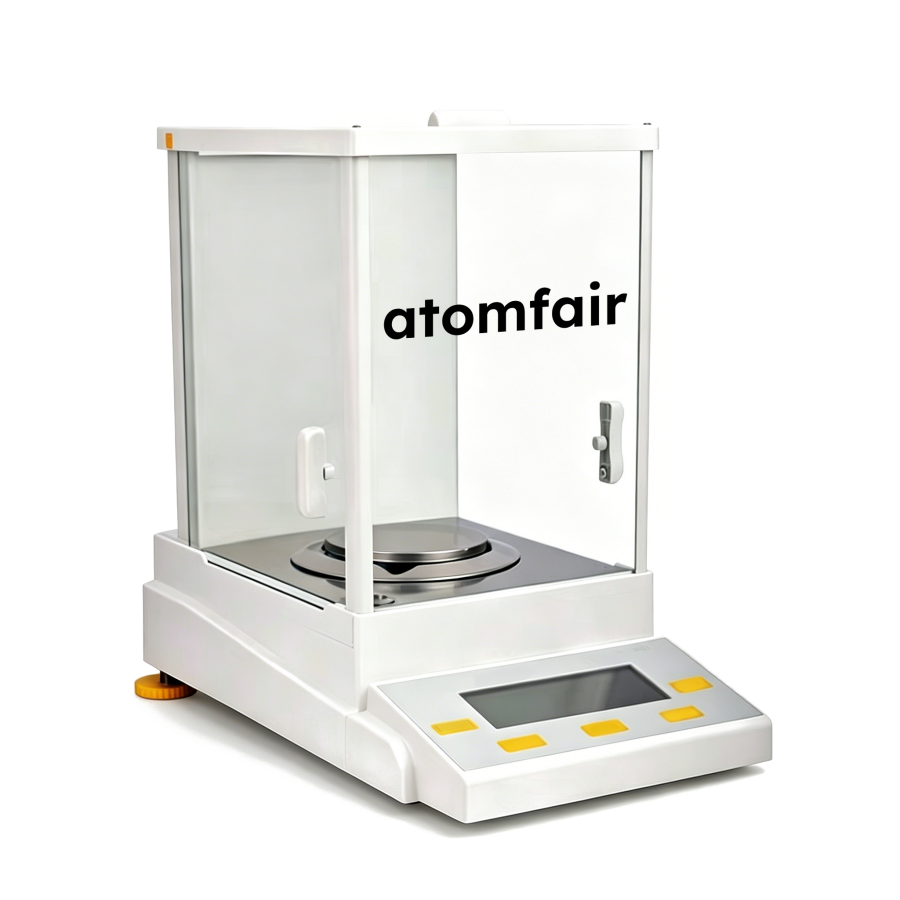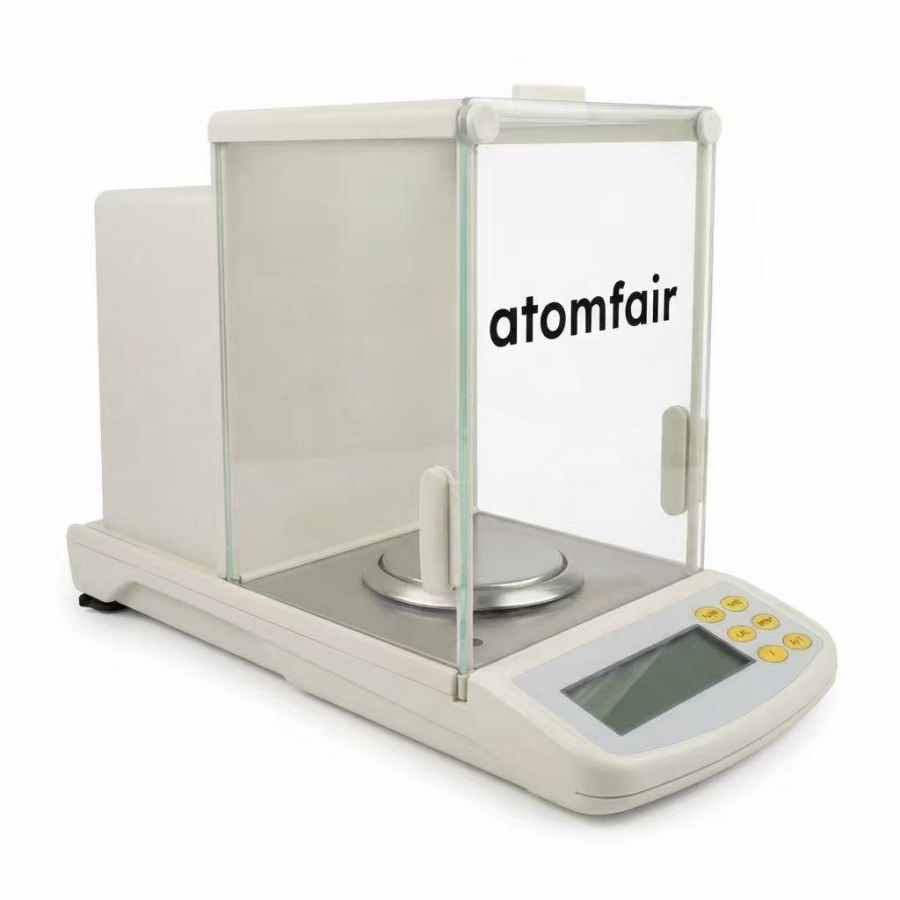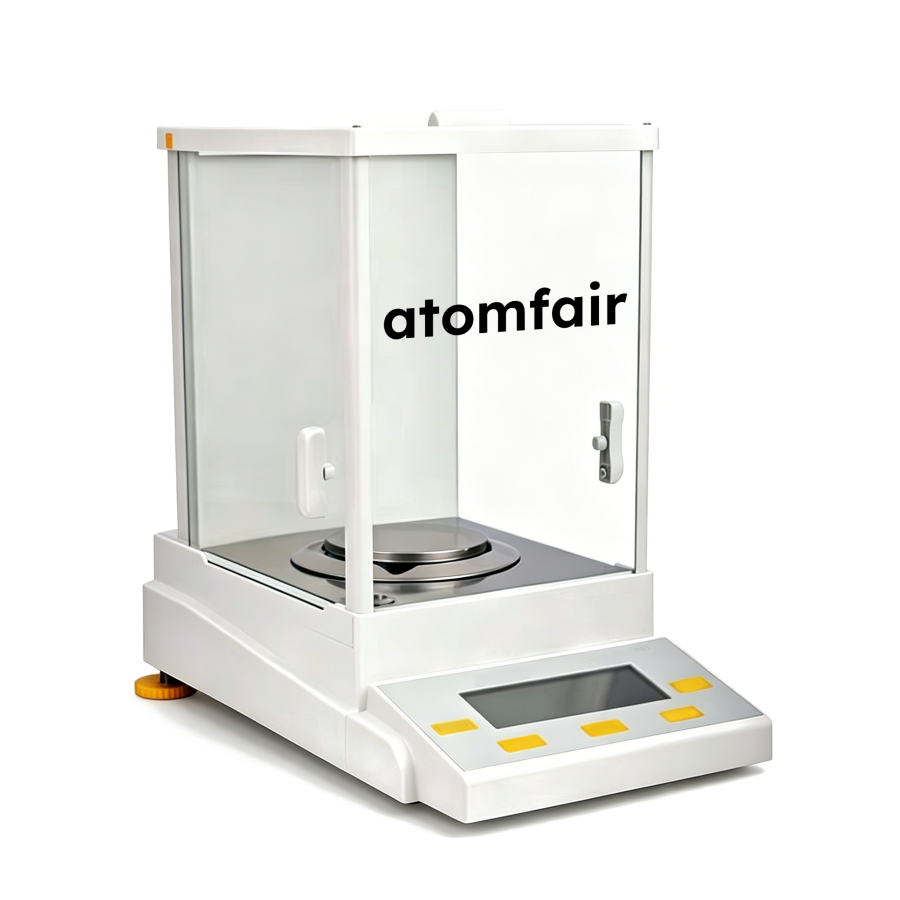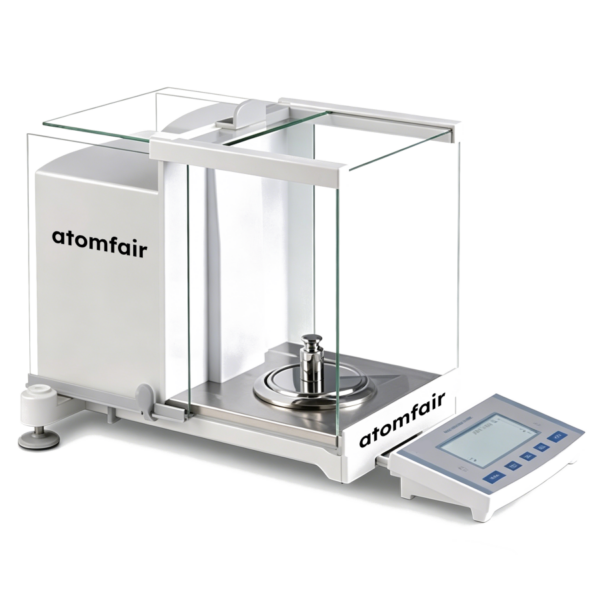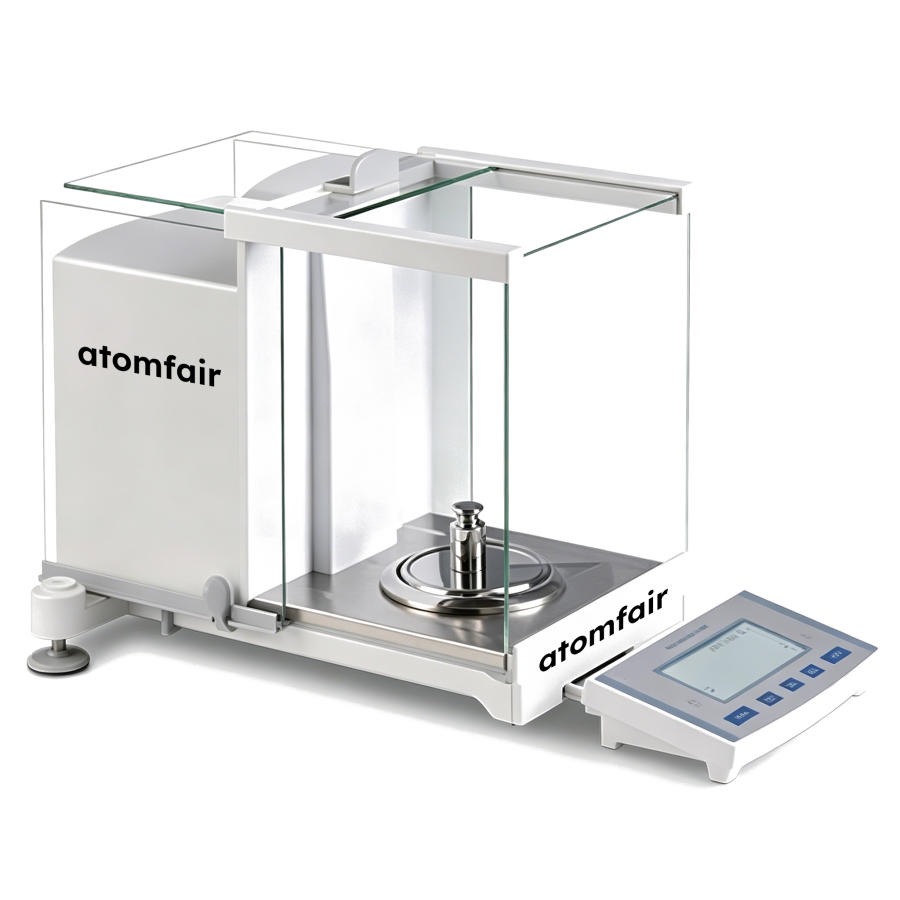
ATOMFAIR® EB31-210G-01MG-R SEMI-MICRO ANALYTICAL BALANCEEB31-210G-01MG-R CORE SPECIFICATION PLATFORM
|
|||||||||||||||||||||||||||||||||||||||||||||||||||||||||||||||||||||||||||||||||||||||||||||||||||||||||||||||||||||||||||||||||||||||||||||||||||||||||||||||||||||||||||||||||||||||||||||||||||||||
|
|||||||||||||||||||||||||||||||||||||||||||||||||||||||||||||||||||||||||||||||||||||||||||||||||||||||||||||||||||||||||||||||||||||||||||||||||||||||||||||||||||||||||||||||||||||||||||||||||||||||
|
TAILORED INDUSTRIAL LAB SOLUTIONS
Contact our elite laboratory engineering team for institutional bulk procurement quotes or interface custom integration.
EMAIL: INQUIRY@ATOMFAIR.COM
|
|||||||||||||||||||||||||||||||||||||||||||||||||||||||||||||||||||||||||||||||||||||||||||||||||||||||||||||||||||||||||||||||||||||||||||||||||||||||||||||||||||||||||||||||||||||||||||||||||||||||
|
MANUFACTURER OPERATIONS: ATOMFAIR LLC INSTRUMENTS DIVISION
REGISTERED BRAND: ATOMFAIR®
|
|||||||||||||||||||||||||||||||||||||||||||||||||||||||||||||||||||||||||||||||||||||||||||||||||||||||||||||||||||||||||||||||||||||||||||||||||||||||||||||||||||||||||||||||||||||||||||||||||||||||
The balance requires a controlled operating environment with temperature maintained between 18°C and 23°C and relative humidity between 20% and 80% to preserve measurement accuracy. A mandatory 30- to 60-minute warm-up period after power-on is necessary before performing zeroing, calibration, or specimen additions.
- Environmental Sensitivity: Ambient temperature deviations exceeding 1.5°C or elapsed time over 2 hours automatically trigger the autonomous calibration subsystem to mitigate environmental error.
- Power and Warm-Up: The balance must be powered via the specified 220V AC / 50Hz input and allowed to stabilize for 30 to 60 minutes before any operational use.
- Calibration Compliance: External weight calibration using a 10 g reference mass is required, with recalibration automatically initiated if local temperature varies more than 1.5°C or if two hours have elapsed.
- Stabilization Requirement: After sample placement, allow a minimum stabilization time of 2.5 seconds before recording the measurement to ensure accuracy.
- Handling and Draft Shield: Use the glass draft shield to isolate the weighing chamber from air currents and maintain spatial shielding for stable semi-micro resolution.
The initialization process requires a controlled warm-up and environmental check before calibration. Subsequent steps ensure accurate measurement through proper sample handling and stabilization.
Required Equipment: External calibration weight (10 g), Glass draft shield
- Power On and Warm-Up
Connect the balance to the 220V AC / 50Hz power supply and allow the instrument to warm up for 30 to 60 minutes before any operation. - Verify Environmental Conditions
Confirm the ambient temperature is between 18°C and 23°C and relative humidity is between 20% and 80% RH to ensure stable performance. - Perform Zero Calibration
Press the tare function to zero the balance with the empty pan and closed draft shield. - Execute External Calibration
Place the 10 g external calibration weight on the pan and follow the calibration procedure to verify accuracy. - Load Sample and Stabilize
Open the draft shield, place the sample on the pan, close the shield, and wait for the stabilization indicator (typically 2.5 seconds) before recording the reading. - Verify Measurement Quality
If the ambient temperature changes by more than 1.5°C or two hours have elapsed, initiate a recalibration before proceeding with further measurements.
How does the dual-range capability (31 g and 210 g) affect measurement precision and calibration on the EB31-210G-01MG-R semi-micro balance?
The balance delivers 0.01 mg readability across both the 31 g high-precision range and the full 210 g capacity, enabling semi-micro target validation and multi-range verification. Calibration is performed using an external 10 g reference weight, and the stabilization time is 2.5 seconds. The 31 g range is specifically optimized for premium semi-micro analytical work, while the 210 g range extends capacity for larger samples without sacrificing readability.
What are the integration requirements for connecting the EB31-210G-01MG-R to a LIMS or external data system?
The balance includes a standard bidirectional RS232 communication interface for direct connection to micro-printers, lab host computers, or third-party LIMS management systems. No additional protocol details are specified in the documentation, but the RS232 port provides a hardware pipeline for data transfer. The split-body design with detachable display also facilitates flexible placement for cable routing.
Why is a 30–60 minute warm-up period mandatory before using the EB31-210G-01MG-R for semi-micro measurements?
A mandatory preheating threshold of 30 to 60 minutes following power-on initialization is required to preserve uncompromised semi-micro resolution linearity. During this warm-up, the electromagnetic force compensation sensor stabilizes thermally, ensuring accurate zeroing, external calibration mass loading, and trace specimen additions. Operating without this warm-up risks drift and degraded repeatability in the 0.01 mg range.
The ATOMFAIR EB31-210G-01MG-R semi-micro analytical balance delivers 0.01 mg readability across a 31 g high-precision range and 210 g full capacity, using an electromagnetic force compensation sensor with 2.5 s stabilization time. Its external weight calibration and mandatory 30–60 minute preheating threshold impose operational discipline for achieving specified linearity in analytical chemistry and powder sampling workflows.
Positive
- Dual-range semi-micro readability: Provides 0.01 mg readability within the 31 g high-precision sub-range and 0.1 mg readability up to 210 g full capacity, enabling both trace analytical chemistry powder sampling and larger mass verification on a single platform.
- Autonomous temperature-triggered recalibration: The built-in automatic calibration subsystem initiates recalibration when ambient temperature shifts exceed 1.5°C or after 2 hours of operation, reducing environmental drift errors without operator intervention.
Trade-offs
- Mandatory 30–60 minute preheating: Requires a 30–60 minute warm-up after power-on before zeroing or calibration to achieve specified semi-micro resolution linearity, adding setup delay in time-sensitive workflows.
- Narrow operating temperature range: Specified for 18°C–23°C ambient temperature and 20%–80% RH, demanding climate-controlled laboratory conditions to maintain measurement stability and avoid drift.
Every advanced material, component, equipment, and instrument in our catalog is backed by rigorous testing. We maintain strict internal quality management frameworks and align with CE conformity metrics to deliver transparent, reproducible performance data via our public open-science repository.
To request raw batch performance data, submit formal vendor registration paperwork, or execute a fast-turnaround R&D manufacturing loop, contact us at inquiry@atomfair.com.
Item is dispatched under the Atomfair Shipping & Delivery Framework (Free worldwide shipping on orders over $59 USD excl. heavy equipment). Return is governed by the Atomfair Return & Refund Policy (7-day technical return window).