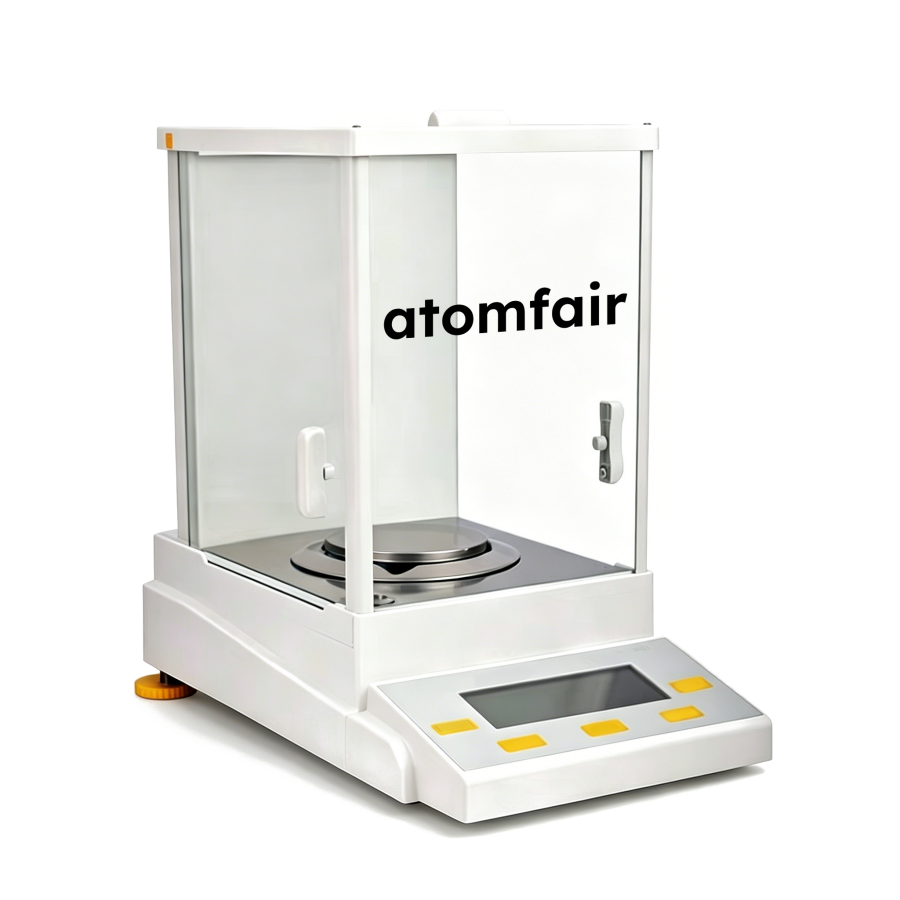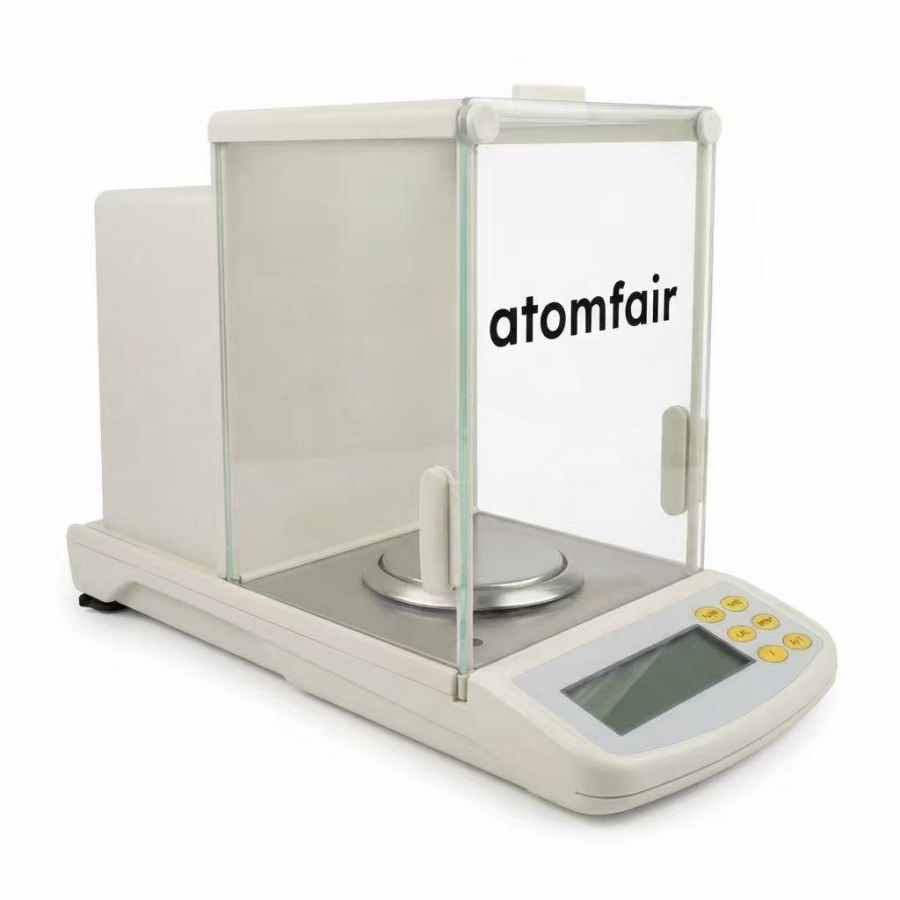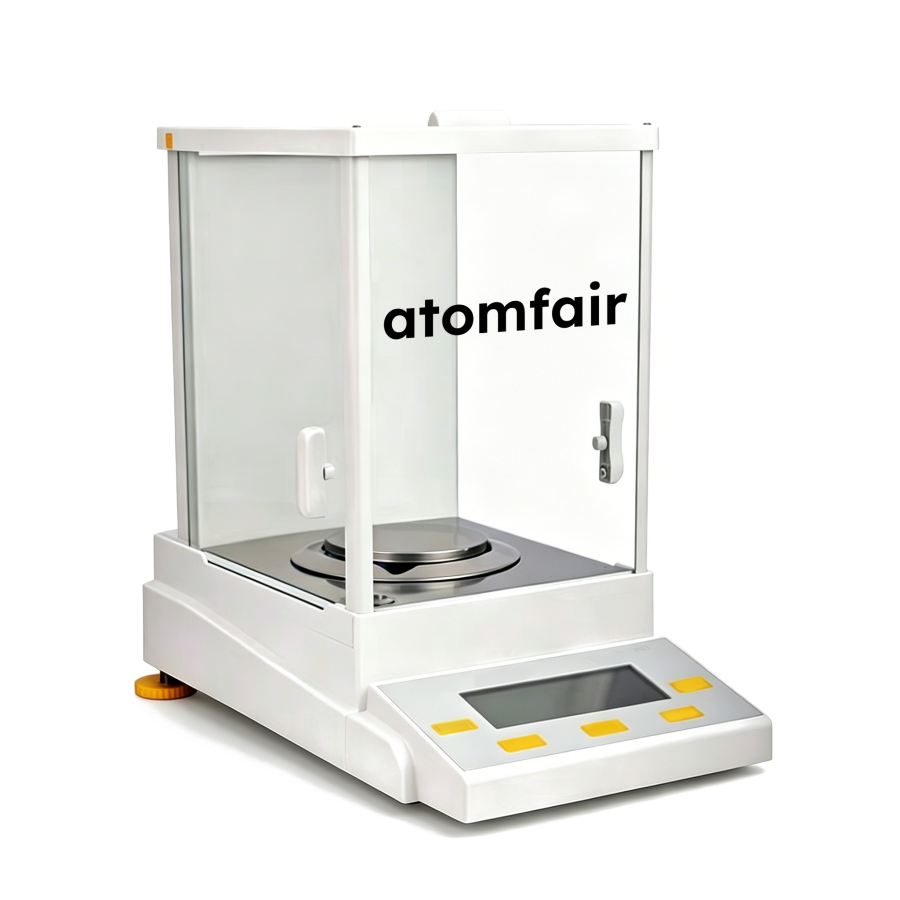
ATOMFAIR® EB51-120G-01MG-R SEMI-MICRO ANALYTICAL BALANCEEB51-120G-01MG-R CORE SPECIFICATION PLATFORM
|
|||||||||||||||||||||||||||||||||||||||||||||||||||||||||||||||||||||||||||||||||||||||||||||||||||||||||||||||||||||||||||||||||||||||||||||||||||||||||||||||||||||||||||||||||||||||||||||||||||||||
|
|||||||||||||||||||||||||||||||||||||||||||||||||||||||||||||||||||||||||||||||||||||||||||||||||||||||||||||||||||||||||||||||||||||||||||||||||||||||||||||||||||||||||||||||||||||||||||||||||||||||
|
TAILORED INDUSTRIAL LAB SOLUTIONS
Contact our elite laboratory engineering team for institutional bulk procurement quotes or interface custom integration.
EMAIL: INQUIRY@ATOMFAIR.COM
|
|||||||||||||||||||||||||||||||||||||||||||||||||||||||||||||||||||||||||||||||||||||||||||||||||||||||||||||||||||||||||||||||||||||||||||||||||||||||||||||||||||||||||||||||||||||||||||||||||||||||
|
MANUFACTURER OPERATIONS: ATOMFAIR LLC INSTRUMENTS DIVISION
REGISTERED BRAND: ATOMFAIR®
|
|||||||||||||||||||||||||||||||||||||||||||||||||||||||||||||||||||||||||||||||||||||||||||||||||||||||||||||||||||||||||||||||||||||||||||||||||||||||||||||||||||||||||||||||||||||||||||||||||||||||
The balance requires a 30-60 minute warm-up period after power-on before any measurement operations. It must be operated within an ambient temperature range of 18-23°C and humidity between 20-80% RH to maintain specification accuracy.
- Preheating Requirement: Allow the balance to warm up for 30-60 minutes after power engagement before performing zeroing, calibration, or sample measurements.
- Environmental Stability: Maintain the operating environment within 18-23°C and 20-80% RH to avoid drift and ensure repeatability within ±0.02 mg.
- External Calibration: Perform external calibration using a 10 g reference weight to correct for linearity and repeatability deviations.
- Stabilization Time: Wait for the stabilization indicator after sample placement, typically within 2.5 seconds, before recording the measurement.
- Draft Shield Use: Keep the glass draft shield closed during weighing to minimize air current interference and maintain resolution.
The following steps outline the correct procedure for obtaining accurate weighing results using the semi-micro analytical balance. This workflow ensures compliance with the instrument's preheating and calibration requirements.
Required Equipment: External calibration weight (10 g), Sample container or weighing paper
- Power On and Warm Up
Connect the power supply and turn on the balance, then allow a 30-60 minute warm-up period before any measurement. - Zero the Balance
Press the tare or zero button to reset the display to zero with no load on the pan. - Calibrate the Balance
Place the 10 g external calibration weight on the pan and initiate the calibration routine to ensure accuracy. - Prepare the Sample
Place the sample container or weighing paper on the pan and record the tare weight if needed. - Add the Sample
Carefully add the sample to the container or paper until the desired mass is reached, monitoring the display. - Wait for Stabilization
Wait for the stabilization indicator to appear, typically within 2.5 seconds, before recording the final reading. - Record the Measurement
Record the displayed mass value, ensuring the ambient conditions are within the specified range for traceability.
Does the EB51-120G-01MG-R semi-micro balance maintain 0.01 mg readability across both its 51 g and 120 g weighing ranges?
Yes, the balance delivers 0.01 mg readability, ±0.02 mg repeatability, and ±0.02 mg linearity across both the 51 g high-precision range and the full 120 g capacity range, as specified in the product specification matrix.
What is the mandatory preheating threshold for the EB51-120G-01MG-R before performing external calibration or trace specimen additions?
The balance requires a preheating period of 30 to 60 minutes following power-on initialization before performing operational zeroing, external calibration mass loading, or trace specimen additions to preserve uncompromised semi-micro resolution linearity.
How does the EB51-120G-01MG-R's automatic calibration subsystem respond to ambient temperature changes?
The autonomous fully automatic calibration subsystem instantly triggers system recalibration if local temperature variations exceed 1.5°C or if time elapsed exceeds 2 hours, mitigating environmental drift errors without operator intervention.
The ATOMFAIR EB51-120G-01MG-R semi-micro analytical balance provides 0.01 mg readability with ±0.02 mg repeatability and linearity across dual ranges up to 120 g, achieving 2.5-second stabilization, but requires a 30-60 minute warm-up and strict environmental control (18–23°C, 20–80% RH) for optimal performance.
Positive
- 0.01 mg Readability and High Precision: Provides 0.01 mg readability with ±0.02 mg repeatability and linearity, suitable for semi-micro analytical tasks such as powder sampling and validation.
- Fast Stabilization at 2.5 Seconds: Achieves average stabilization in ≤2.5 seconds, enabling efficient measurement workflows in compliance laboratories.
Trade-offs
- Mandatory 30–60 Minute Warm-Up: Requires a preheating period of 30 to 60 minutes after power-on before performing zeroing or calibration to maintain semi-micro resolution linearity.
- Narrow Environmental Operating Range: Operates effectively only within 18–23°C and 20–80% RH; deviations may compromise accuracy and require external calibration adjustments.
Every advanced material, component, equipment, and instrument in our catalog is backed by rigorous testing. We maintain strict internal quality management frameworks and align with CE conformity metrics to deliver transparent, reproducible performance data via our public open-science repository.
To request raw batch performance data, submit formal vendor registration paperwork, or execute a fast-turnaround R&D manufacturing loop, contact us at inquiry@atomfair.com.
Item is dispatched under the Atomfair Shipping & Delivery Framework (Free worldwide shipping on orders over $59 USD excl. heavy equipment). Return is governed by the Atomfair Return & Refund Policy (7-day technical return window).