
Ionic Liquids for Batteries
Battery ionic liquids are functional liquid ionic materials used in electrochemical research and battery electrolyte development. By adjusting the cation structure, anion type, and alkyl-chain design, researchers can tune viscosity, ionic conductivity, thermal stability, wettability, and electrochemical stability window.
This category is suitable for electrolyte formulation screening, ion-transport studies, additive evaluation, and laboratory-scale battery validation. The current product selection focuses mainly on imidazolium-based ionic liquids, with anion options such as BF4, PF6, NTf2, FSI, DCA, and SCN for controlled comparison across related ion-pair systems.
When selecting ionic liquids for battery research, the most important factors are ion-pair structure, purity grade, moisture control, storage conditions, and compatibility with the target electrode system. For sensitive electrochemical work, packaging format, dryness, and available analytical data should be confirmed before use.
Show More
Key Selection Factors
| Selection Factor | What to Check | Research Impact |
|---|---|---|
| Cation Structure | Imidazolium framework, alkyl-chain length, and substitution pattern | Affects viscosity, ion mobility, and formulation compatibility |
| Anion Type | BF4, PF6, NTf2, FSI, DCA, SCN, and related anions | Influences electrochemical stability, hydrophobicity, and conductivity |
| Purity Grade | Research grade, battery grade, or requested custom purity | Supports batch consistency and reduces impurity-driven variation |
| Moisture Control | Water content, sealed packaging, and dry handling requirements | Improves repeatability in electrochemical testing |
| Packaging Format | Small packs, lab packs, sealed bottles, or custom packaging | Reduces repeated exposure and helps preserve material quality |
Common Research Uses
- Battery electrolyte formulation screening
- Ionic conductivity and viscosity comparison studies
- Electrochemical stability window testing
- Additive or co-solvent formulation research
- Laboratory coin-cell, pouch-cell, or materials-evaluation workflows
- Structure-property studies across related cation and anion combinations
Selection Guidance
For formulation screening, researchers often begin by fixing one side of the ion pair. Keeping the cation constant while changing the anion can help isolate changes in conductivity, viscosity, hydrophobicity, and electrochemical stability. Keeping the anion constant while varying alkyl-chain length or substitution pattern can help evaluate wetting behavior, diffusion, and interfacial effects.
For moisture-sensitive studies, choose materials with clearly stated purity, packaging, and storage information. For controlled electrochemical testing, request additional analytical details or custom packaging when water content, halide residue, or trace metal contamination may affect the result.
FAQ
Should electrolyte screening start with the cation or the anion?
If the goal is to compare electrochemical stability or hydrophobicity, it is usually useful to keep the cation fixed and screen different anions. If the goal is to tune viscosity, wetting, or interfacial behavior, keeping the anion fixed while varying alkyl-chain length or substitution structure can be more informative.
Which specifications are most important for repeatable battery testing?
Water content, purity, halide residue, trace metal content, and packaging integrity can all affect repeatability. In small-format cell testing, minor impurity or moisture differences may create noticeable variation in impedance, capacity retention, or interfacial behavior.
How can I judge whether an ionic liquid is suitable for high-voltage systems?
Suitability should be confirmed through linear sweep voltammetry, cyclic voltammetry, or cell-level testing under the intended conditions. The anion name alone is not enough, because electrode surface chemistry, lithium salt choice, additives, and water content can all shift observed stability.
What problems can high viscosity create in battery experiments?
High viscosity can reduce ion mobility, slow separator wetting, and limit rate performance. If blending is used to lower viscosity, the full formulation should be rechecked for stability window, interfacial reaction behavior, and long-term cycling response.
Why can alkyl-chain length change results even when the anion is the same?
Alkyl-chain length changes molecular volume, hydrophobicity, ion packing, and local organization. These differences can affect viscosity, diffusion behavior, wetting, and electrode-interface response.
What concentration range should be used when testing an ionic liquid as an additive?
There is no universal fixed loading. A practical approach is to begin with a low, medium, and higher concentration series, then compare impedance, capacity retention, coulombic efficiency, and cycling stability against a blank control.
How can handling error be reduced after opening?
Sample under dry or inert atmosphere when possible, reduce repeated opening, and record opening date, storage condition, and transfer method. For moisture-sensitive experiments, confirm water content before use or include a controlled comparison.
Showing 33–48 of 57 results
-
1-Hexyl-3-Methylimidazolium Chloride CAS 171058-17-6
Price range: $248.00 through $330.00 -
1-Hexyl-3-Methylimidazolium NTf₂ Ionic Liquid
Price range: $310.00 through $450.00 -
1-Hexyl-3-Methylimidazolium PF6 Research Grade
Price range: $295.00 through $335.00 -
1-Hexyl-3-Methylimidazolium Tetrafluoroborate IL
Price range: $239.00 through $329.00 -
1-Methyl-3-(3-sulfopropyl)imidazolium chloride RG
Price range: $245.00 through $387.00 -
1-Propylsulfonic-3-Methylimidazolium (O3SC3)MIm RG
Price range: $231.00 through $296.00 -
1-Propylsulfonic-3-Methylimidazolium Chloride RG
Price range: $250.00 through $389.00 -
1-Vinyl-3-Butylimidazolium [VBIm]PF6 Ionic Liquid
Price range: $235.00 through $350.00 -
1-Vinyl-3-Butylimidazolium BF4 Research Grade
Price range: $247.00 through $370.00 -
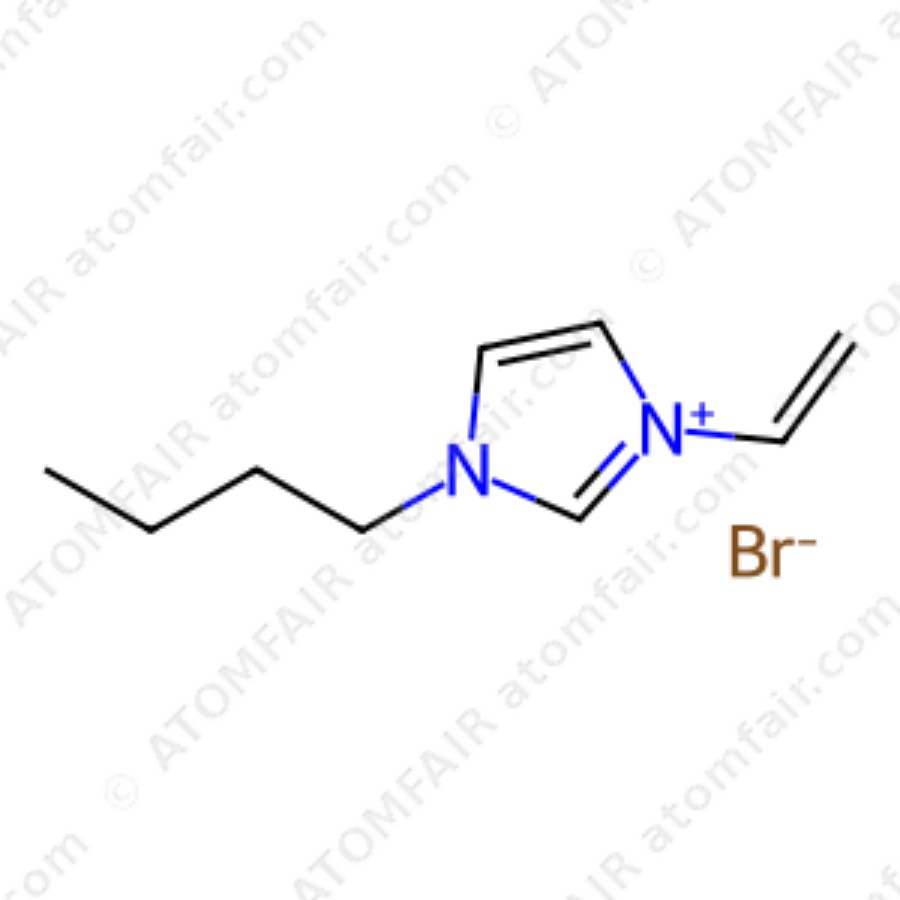
1-Vinyl-3-Butylimidazolium Bromide MW 231.13
Price range: $230.00 through $325.00 -
1-Vinyl-3-Butylimidazolium NTf2 Research Grade
Price range: $385.00 through $775.00 -
BMIM Acetate CAS 284049-75-8 Research Grade
Price range: $255.00 through $335.00 -
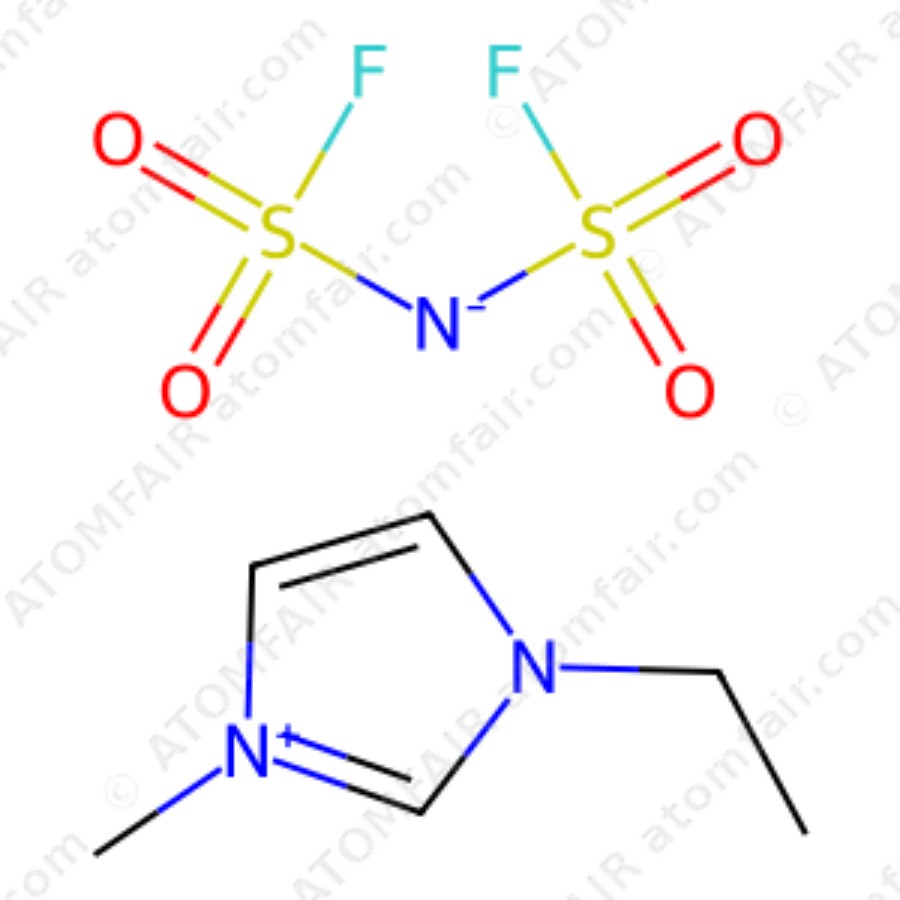
EMI-FSI Ionic Liquid 99.9% Battery Grade
Price range: $284.00 through $416.00 -
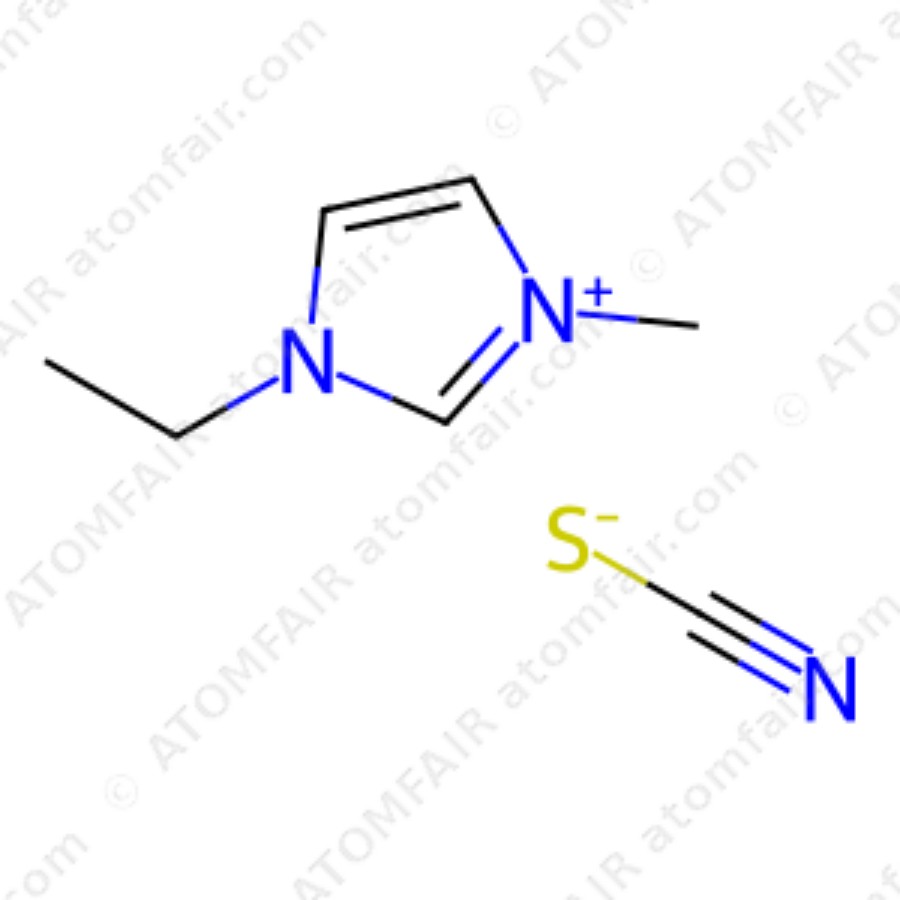
EMIM [C2MIm] SCN Ionic Liquid Research Grade ATOMFAIR®
Price range: $245.00 through $326.00 -
EMIM Acetate Ionic Liquid Research Grade
Price range: $293.00 through $430.00 -
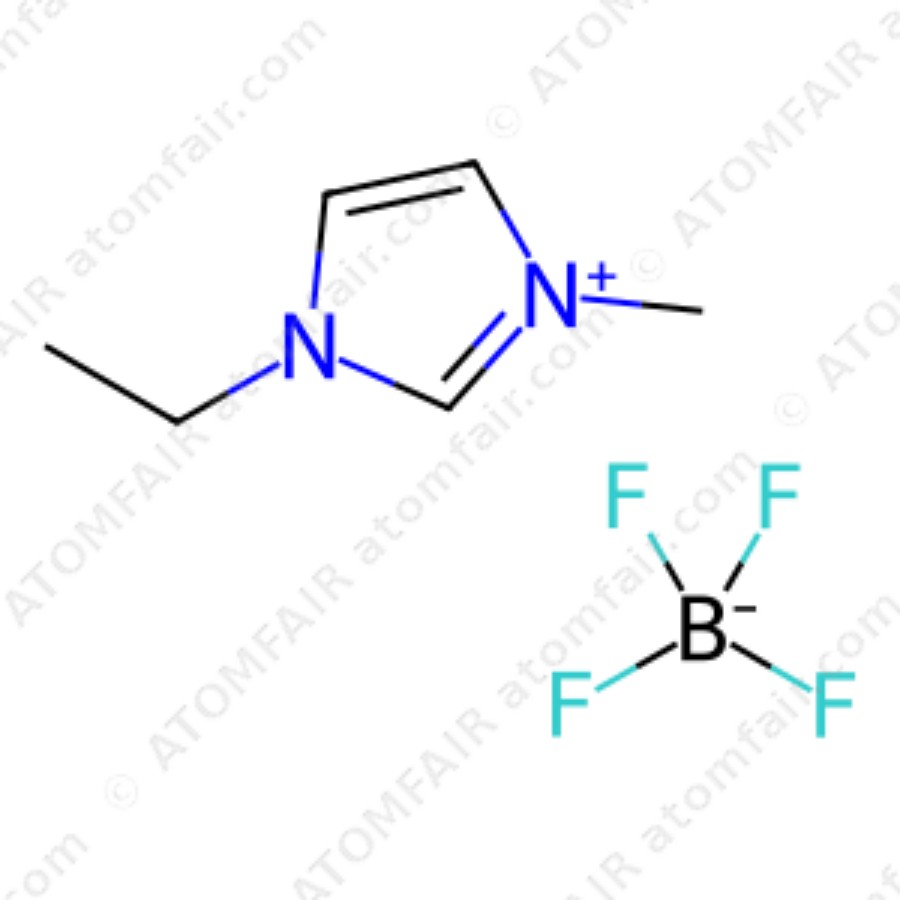
EMIM BF4 ≥98% Research Grade Ionic Liquid ATOMFAIR®
Price range: $250.00 through $335.00