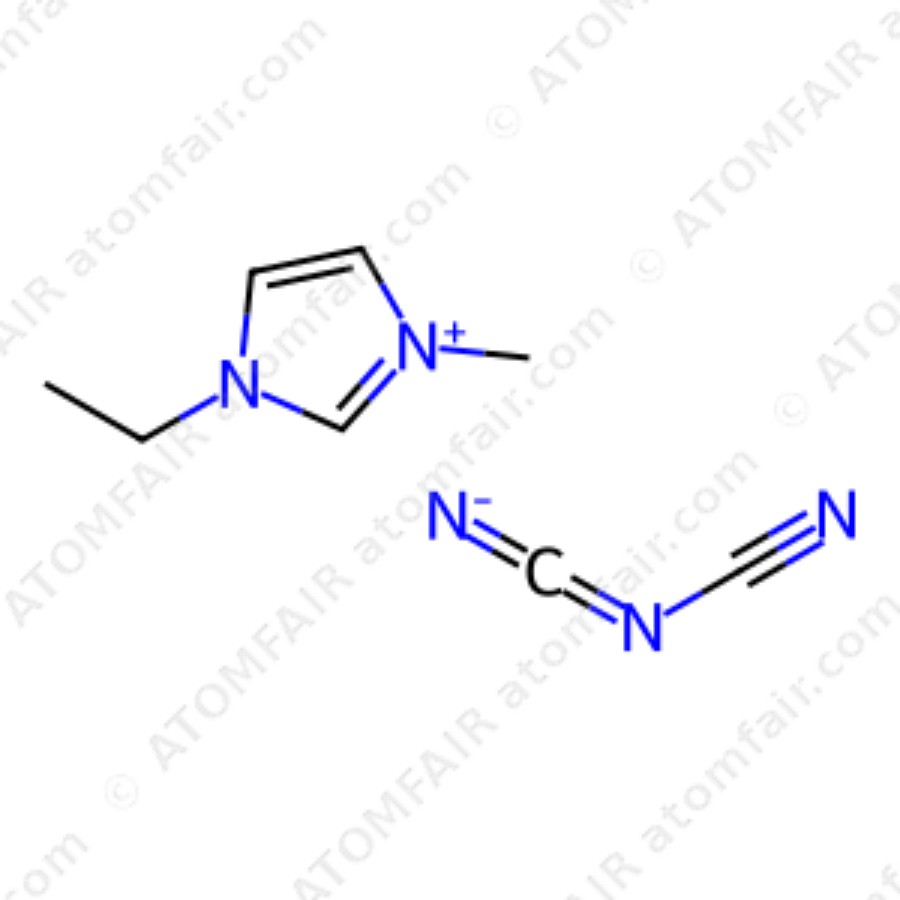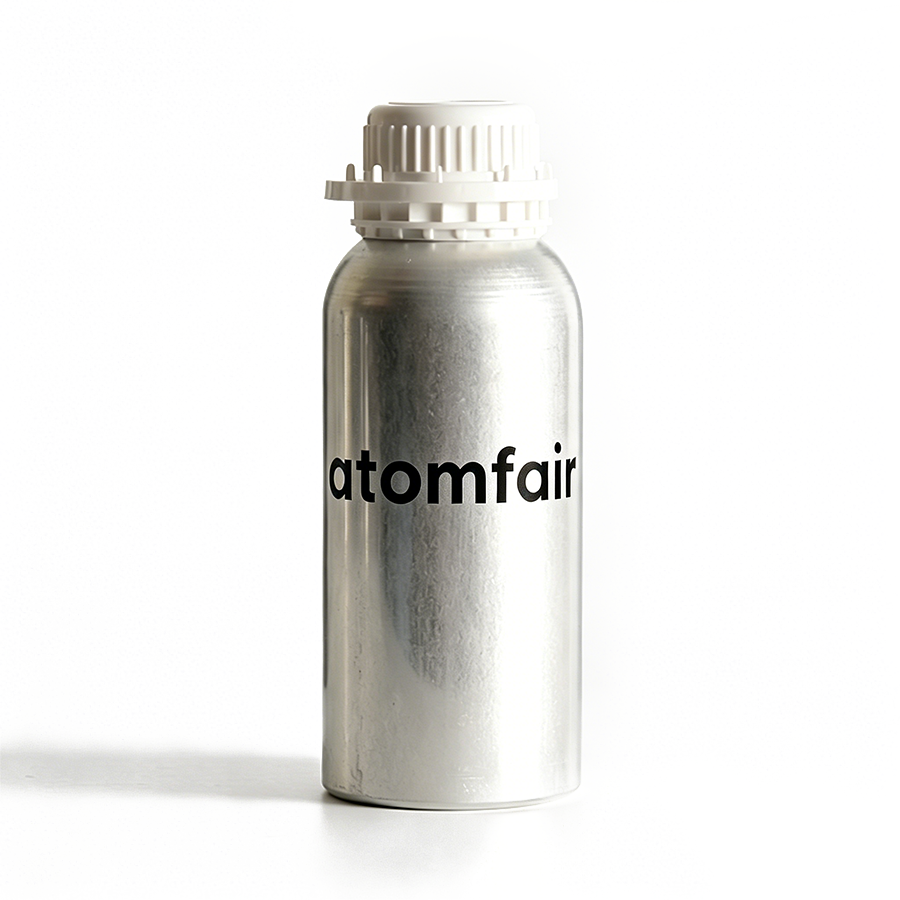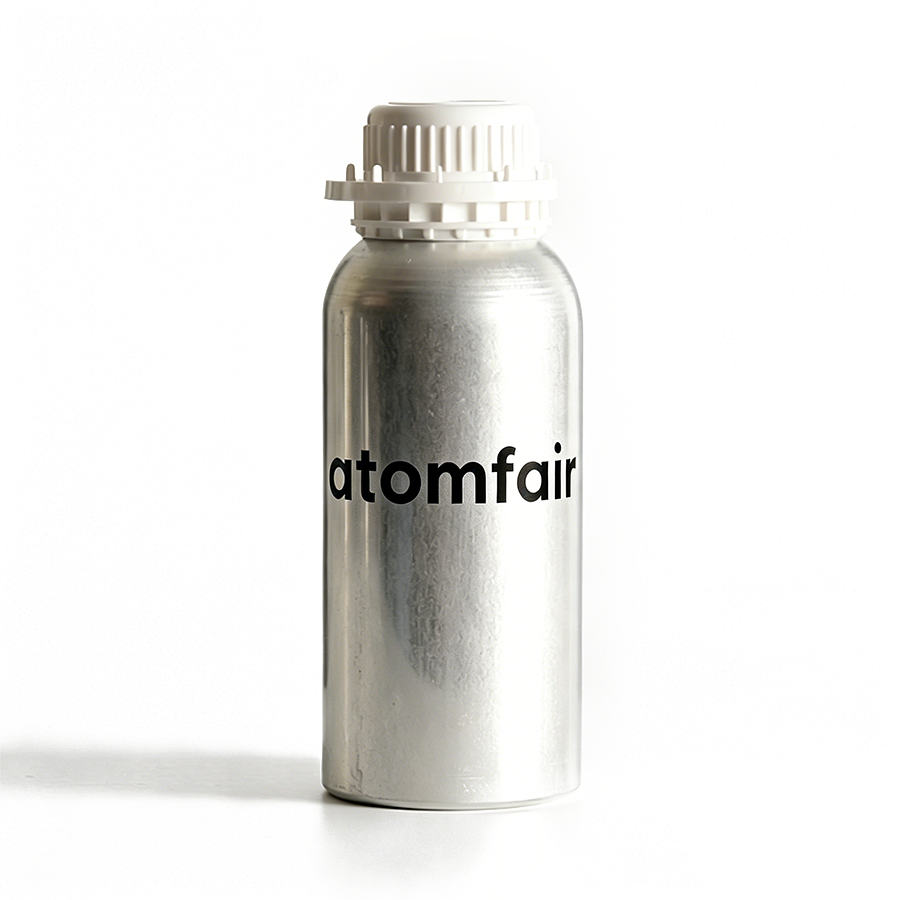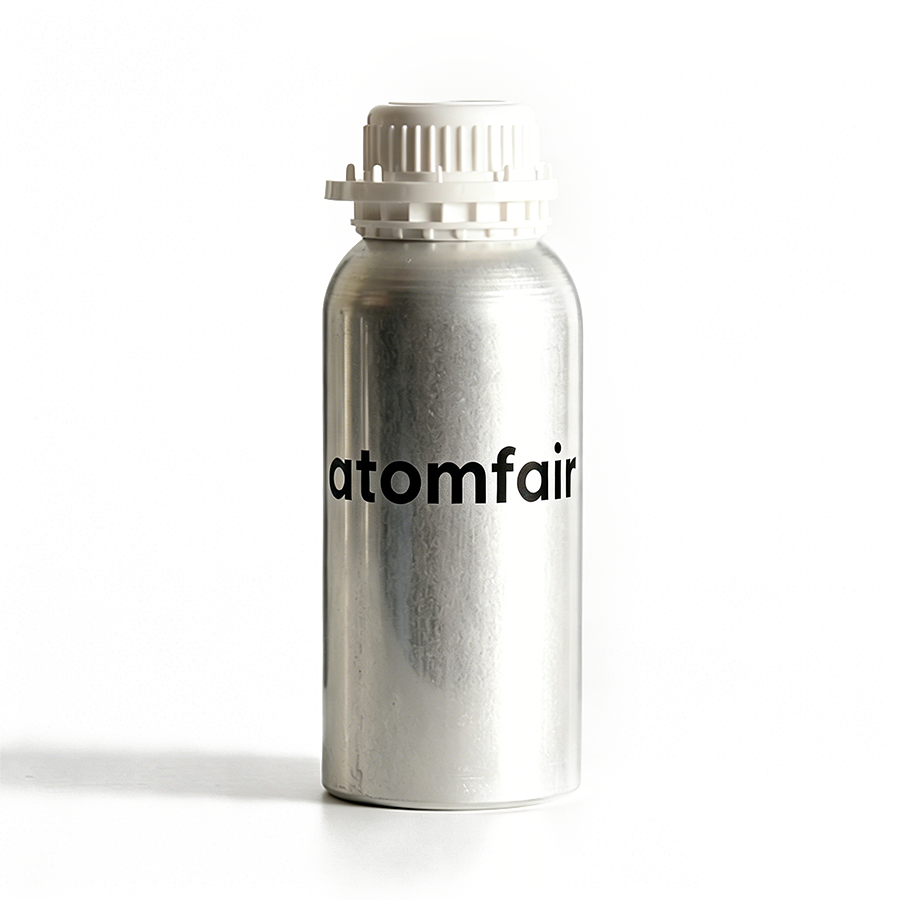
ATOMFAIR® 1-ETHYL-3-METHYLIMIDAZOLIUM ACETATERESEARCH GRADE MATERIAL
|
|||||||||||||||||||||||||||||||||
|
|||||||||||||||||||||||||||||||||
|
TAILORED SOLUTIONS FOR RESEARCH
Contact our engineering team for technical support or official institutional quotations.
EMAIL: inquiry@atomfair.com
|
|||||||||||||||||||||||||||||||||
|
Manufacturer: Atomfair LLC
Brand: ATOMFAIR®
|
|||||||||||||||||||||||||||||||||
This ionic liquid decomposes at 216°C and must not be exposed to temperatures exceeding this limit. It is a low-melting-point liquid that remains fluid below -20°C and is soluble in water.
- Thermal Decomposition Constraint: The material undergoes decomposition at 216°C, requiring avoidance of temperatures above this threshold to maintain stability.
How does the extremely low melting point of [C2MIm]Ac below -20°C affect its performance in low-temperature electrochemical applications compared to conventional organic solvents?
The sub-ambient melting point of [C2MIm]Ac, at <-20°C, ensures it remains a liquid across a wide temperature range without requiring heating, eliminating phase-change issues in cold environments. This provides a stable ionic conductivity window from well below freezing up to its decomposition limit of 216°C, offering a broader operational range than many molecular solvents that freeze or exhibit sharp viscosity increases at low temperatures.
What are the solubility constraints of [C2MIm]Ac in aqueous systems for use as an electrolyte or reaction medium?
[C2MIm]Ac is explicitly identified as water soluble in its solubility profile, confirming full miscibility with aqueous phases. This enables direct incorporation into water-based electrochemical cells or reaction media without the need for co-solvents or surfactants, simplifying formulation in aqueous workflows.
What thermal handling limits should be observed when storing or processing [C2MIm]Ac in the laboratory?
With a melting point below -20°C, [C2MIm]Ac remains free-flowing at standard storage temperatures without risk of solidification. The decomposition temperature is 216°C, so processing must remain well below this threshold to prevent thermal degradation; the safe operating range extends from sub-ambient up to approximately 200°C.
This research-grade ionic liquid offers a low melting point below -20°C and water solubility, making it suitable for low-temperature aqueous electrochemical and synthesis applications. However, its thermal stability is limited to 216°C, and its water solubility must be considered for non-aqueous or hydrophobic system compatibility.
Positive
- Broad liquid-phase operating range: With a melting point below -20°C, this ionic liquid remains in a stable liquid phase at low temperatures, enabling use in cryogenic or low-temperature electrochemical and synthesis workflows without solidification.
- Aqueous compatibility: The material's clear solubility in water facilitates its integration into functional aqueous electrochemical media and solution-based synthesis, expanding its utility in polar solvent systems.
Trade-offs
- Thermal decomposition limit: Decomposition at 216°C imposes an upper temperature ceiling, restricting applications that require prolonged exposure to high temperatures or necessitate thermal stability beyond this threshold.
- Water solubility constraints: The compound's solubility in water precludes its use in anhydrous or hydrophobic environments without careful moisture control, as it readily mixes with aqueous phases.
Every advanced material, component, equipment, and instrument in our catalog is backed by rigorous testing. We maintain strict internal quality management frameworks and align with CE conformity metrics to deliver transparent, reproducible performance data via our public open-science repository.
To request raw batch performance data, submit formal vendor registration paperwork, or execute a fast-turnaround R&D manufacturing loop, contact us at inquiry@atomfair.com.
Item is dispatched under the Atomfair Shipping & Delivery Framework (Free worldwide shipping on orders over $59 USD excl. heavy equipment). Return is governed by the Atomfair Return & Refund Policy (7-day technical return window).