
Foams & Porous Materials
Foams and porous materials offer lightweight structures, high surface area, controllable pore architecture, and effective fluid transport. They are widely used in energy research, filtration, thermal management, catalysis, acoustic control, impact protection, and advanced-material development.
This category brings together metal foams, porous ceramics, porous carbon materials, sintered porous metals, and metal fiber felts. Materials can be selected by base material, pore structure, pore size, porosity, thickness, dimensions, strength, conductivity, corrosion resistance, and operating environment.
Show More: Choose Foams and Porous Materials by Material and Application
Material Types and Typical Uses
| Material Type | Key Characteristics | Typical Application Areas |
|---|---|---|
| Aluminum Foams | Lightweight, energy absorbing, thermally insulating, and acoustically effective; available in open-cell and closed-cell structures. | Lightweight structures, acoustic control, impact protection, thermal management, and materials research. |
| Copper Foams | High electrical and thermal conductivity with an open porous structure. | Battery electrodes, current collectors, heat transfer, catalyst supports, EMI shielding, and filtration research. |
| Nickel and Nickel-Alloy Foams | Conductive, heat resistant, and suitable for a broad range of electrochemical systems. | Battery and fuel-cell electrodes, electrocatalysis, water electrolysis, sensors, filtration, and material development. |
| Titanium Foams | Lightweight, corrosion resistant, and suitable for demanding chemical or electrochemical environments. | Electrochemical systems, filtration, flow distribution, energy research, and biomedical-material studies. |
| Specialty Metal Foams | May include iron, cobalt, stainless steel, nickel-cobalt, nickel-iron, and other alloy systems with specialized functional properties. | Catalysis, electromagnetic applications, corrosion-resistant structures, heat management, filtration, and custom research projects. |
| Porous Ceramic Materials | High-temperature stability, wear resistance, chemical resistance, and stable porous frameworks. | High-temperature filtration, molten-metal filtration, catalyst supports, insulation, gas treatment, and laboratory research. |
| Porous Carbon Materials | Low density, high surface area, and adjustable electrical and chemical properties. | Electrodes, adsorption and separation, catalysis, energy storage, sensing, gas diffusion, and thermal management. |
| Sintered Porous Metals and Metal Fiber Felts | Uniform porous structures designed for controlled flow, filtration, diffusion, and mechanical support. | Liquid and gas filtration, diffusion layers, flow control, mist elimination, noise reduction, and high-temperature filtration. |
Understanding Pore Structures
| Pore Structure | Main Characteristics | Common Selection Priorities |
|---|---|---|
| Open-Cell Structure | Interconnected pores allow gases and liquids to pass through the material. | Filtration, flow distribution, heat dissipation, electrodes, catalysis, and acoustic control. |
| Closed-Cell Structure | Most cells are isolated, emphasizing low weight, thermal insulation, and energy absorption. | Impact protection, lightweight panels, insulation, buoyancy, and vibration control. |
| Sintered Porous Structure | A more uniform pore network that can support controlled fluid passage and particle retention. | Fine filtration, diffusion, venting, flow stabilization, and pressure-resistant applications. |
| Metal Fiber Felt Structure | A three-dimensional network made from interlaced metal fibers with good permeability and flexibility. | Filtration, mist elimination, conductive support, gas diffusion, and high-temperature use. |
How to Select the Right Material
| Your Requirement | Materials to Consider |
|---|---|
| Electrical and thermal conductivity | Copper foams, nickel foams, metal fiber felts, and porous carbon materials. |
| Corrosion resistance or chemical exposure | Titanium foams, sintered stainless steel, and application-appropriate porous ceramics. |
| High-temperature operation | Porous ceramics, sintered stainless steel, porous titanium, and specialty metal materials. |
| Filtration or controlled fluid flow | Sintered porous metals, metal fiber felts, open-cell metal foams, and porous ceramics. |
| Lightweight, acoustic, or impact-management structures | Aluminum foams, especially closed-cell and application-specific open-cell structures. |
| High surface area and three-dimensional support | Nickel foam, copper foam, titanium foam, porous carbon, and graphene-based porous materials. |
| Battery, fuel-cell, or electrochemical research | Nickel foam, copper foam, titanium foam, porous carbon, and other conductive porous materials. |
| Custom dimensions or specialized properties | Materials selected by required dimensions, thickness, pore structure, base material, and intended operating conditions. |
Frequently Asked Questions
What is the difference between foam materials and porous materials?
Foam materials typically have a three-dimensional cellular structure and may be open-cell or closed-cell. Porous materials are a broader group that also includes sintered porous metals, porous ceramics, porous carbon materials, and metal fiber felts. The best choice depends on whether the material is needed for flow, conductivity, filtration, structural support, or energy absorption.
How do I choose between open-cell and closed-cell foam?
Open-cell foam is generally selected when gases, liquids, or electrolytes need to pass through the structure. Closed-cell foam is usually preferred when low weight, insulation, buoyancy, or impact absorption is more important than fluid permeability.
What do pore size, PPI, and porosity mean?
Pore size describes the approximate size of openings in the material. PPI means pores per inch and is commonly used to describe reticulated foam structures. Porosity indicates how much of the material volume is open space. These properties work together and affect flow, surface area, mechanical strength, and weight.
Which porous materials are suitable for electrodes or catalyst supports?
Conductive materials with interconnected pores and high surface area are commonly considered, including nickel foam, copper foam, titanium foam, and porous carbon materials. Final selection should also account for the electrolyte, operating temperature, reaction conditions, and coating process.
Can porous materials be used for filtration?
Yes. Sintered porous metals, metal fiber felts, porous ceramics, and selected open-cell metal foams can be used for filtration or flow distribution. Choose the material and pore structure according to the fluid or gas, temperature, pressure, target particle size, and cleaning method.
Can metal foam be cut or processed?
Many metal foams can be cut, stamped, welded, bonded, or surface treated depending on the base material and thickness. Thin, high-porosity, or delicate structures may require a suitable processing method to preserve their pore architecture.
Which porous materials are suitable for high-temperature environments?
Porous ceramics, sintered stainless steel, porous titanium, and specialty porous metals may be considered for high-temperature use. Material selection should account for operating temperature, atmosphere, oxidation resistance, thermal cycling, and chemical exposure.
What information should I prepare before selecting a porous material?
Useful information includes the desired material, open-cell or closed-cell structure, pore size or PPI, thickness, dimensions, quantity, operating medium, temperature, pressure, and whether the application requires conductivity, filtration, corrosion resistance, or custom processing.
Showing 113–128 of 445 results
-
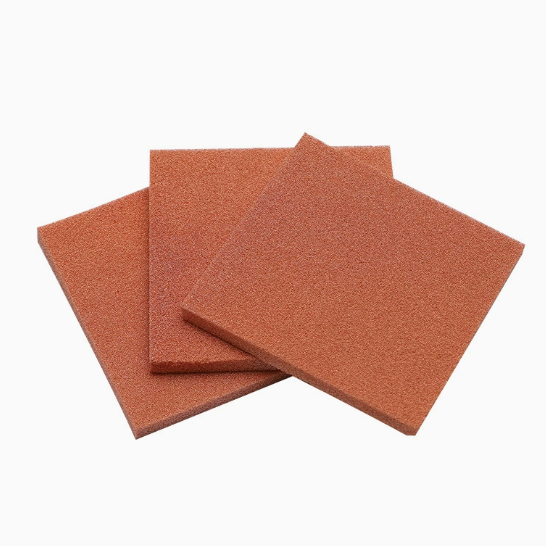
Copper Wire Foam 98% Open Rate 100 Mesh 2mm ATOMFAIR®
$72.00 -
Copper Wire Foam 98% Open Rate 100×100×5mm ATOMFAIR®
$66.00 -
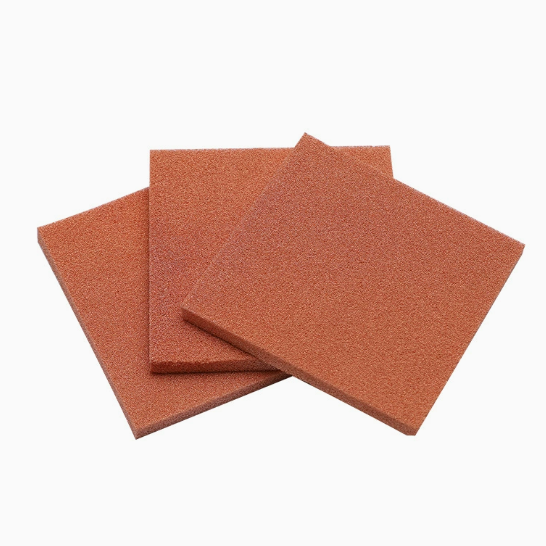
Copper Wire Foam 98% Open Rate 200×200×1.5mm ATOMFAIR®
$75.00 -
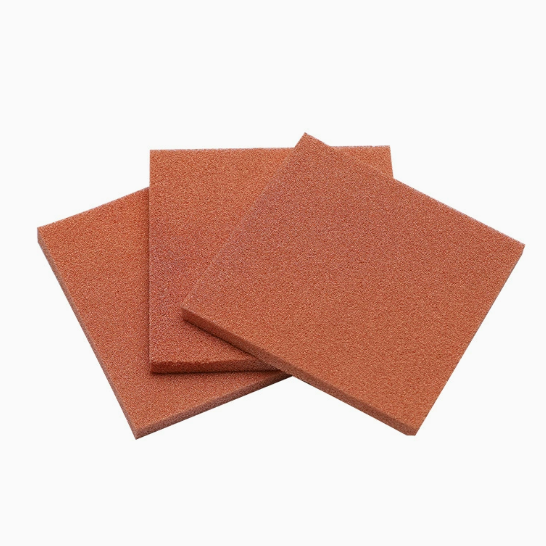
Copper Wire Foam Air Filter 110 Mesh 150×150×2mm ATOMFAIR®
$66.00 -
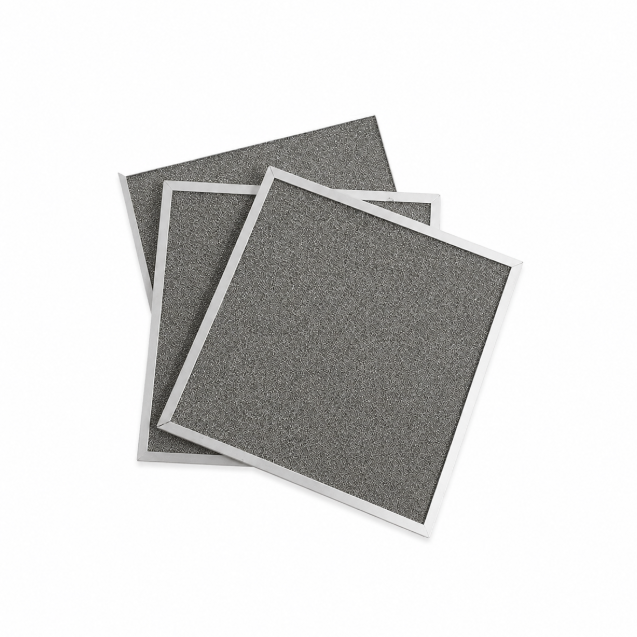
Iron-Nickel Foam Oil Mist Filter 20 PPI 93% ATOMFAIR®
$154.00 -
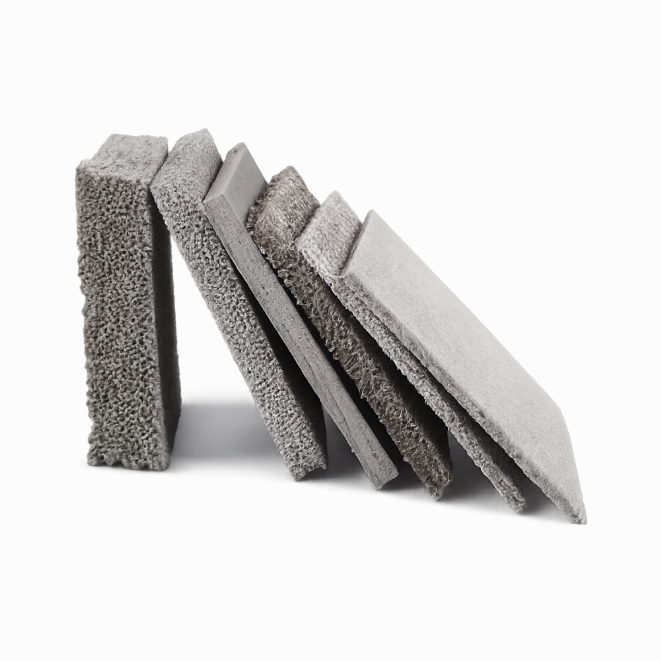
Knitted Nickel Foam 5-130 PPI 98% Open Rate ATOMFAIR®
$59.00 -
Knitted Nickel Foam 60 PPI 900°C Resistant ATOMFAIR®
Price range: $39.00 through $195.00 -
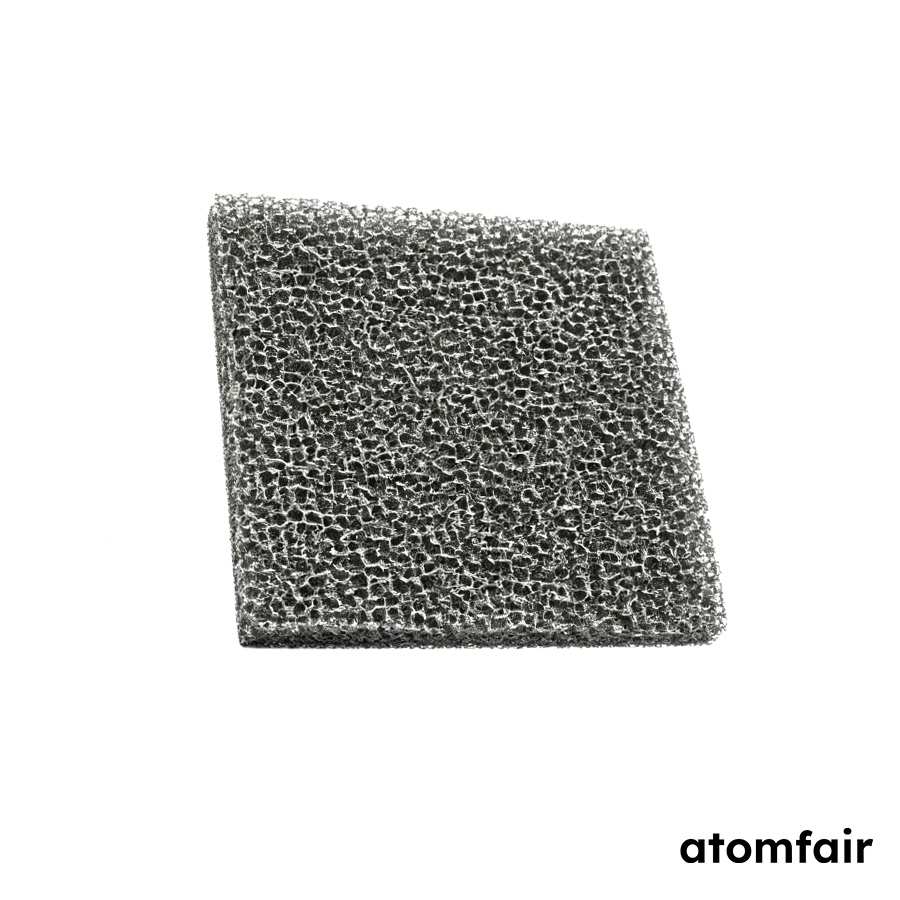
Laboratory Nickel Foam Sheet 40 PPI 100×200×20 mm ATOMFAIR®
Price range: $100.00 through $325.00 -
Nickel Foam 100 PPI 75-80% Porosity 1.6-5mm ATOMFAIR®
Price range: $46.00 through $92.00 -
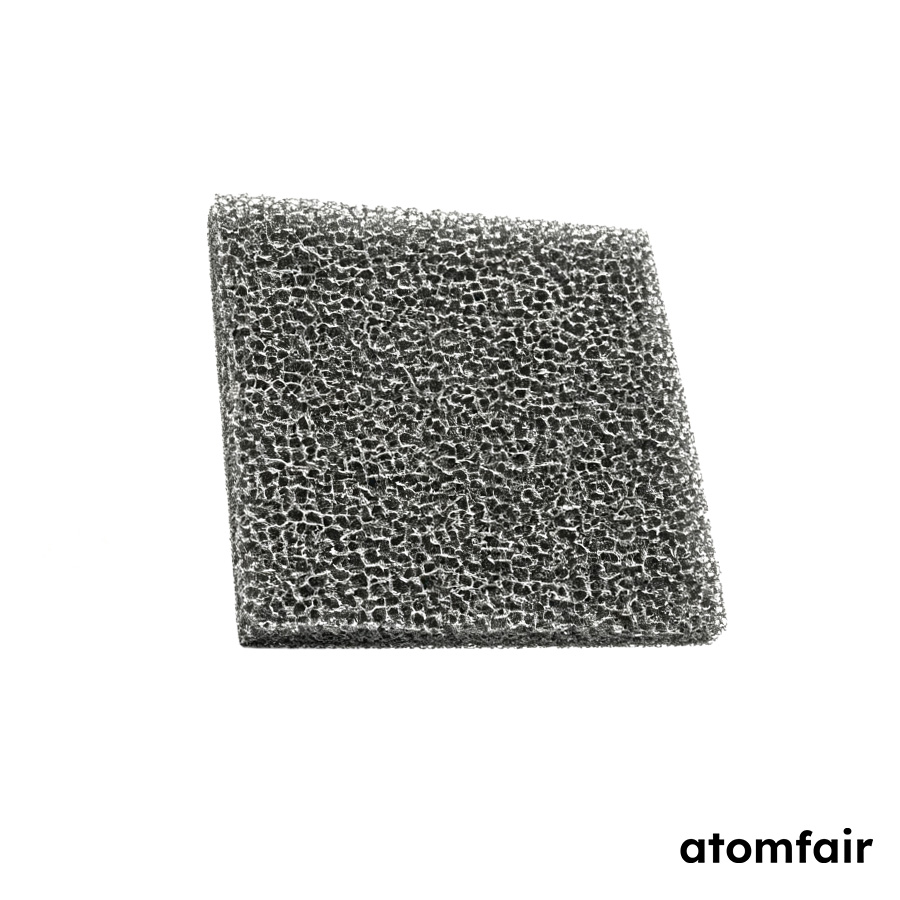
Nickel Foam 110 PPI 100×100×3 mm Research Grade ATOMFAIR®
Price range: $42.00 through $90.00 -
Nickel Foam 45 PPI Fuel Cell Electrode Substrate ATOMFAIR®
Price range: $45.00 through $65.00 -
Nickel Foam 70PPI ≥80% Porosity 10mm Knitted ATOMFAIR®
Price range: $38.00 through $82.00 -
Nickel Foam 99% Ni 40 PPI Open Cell Research Grade ATOMFAIR®
Price range: $37.00 through $54.00 -
Nickel Foam Oil Mist Filter SS Frame 10mm ATOMFAIR®
Price range: $70.00 through $160.00 -
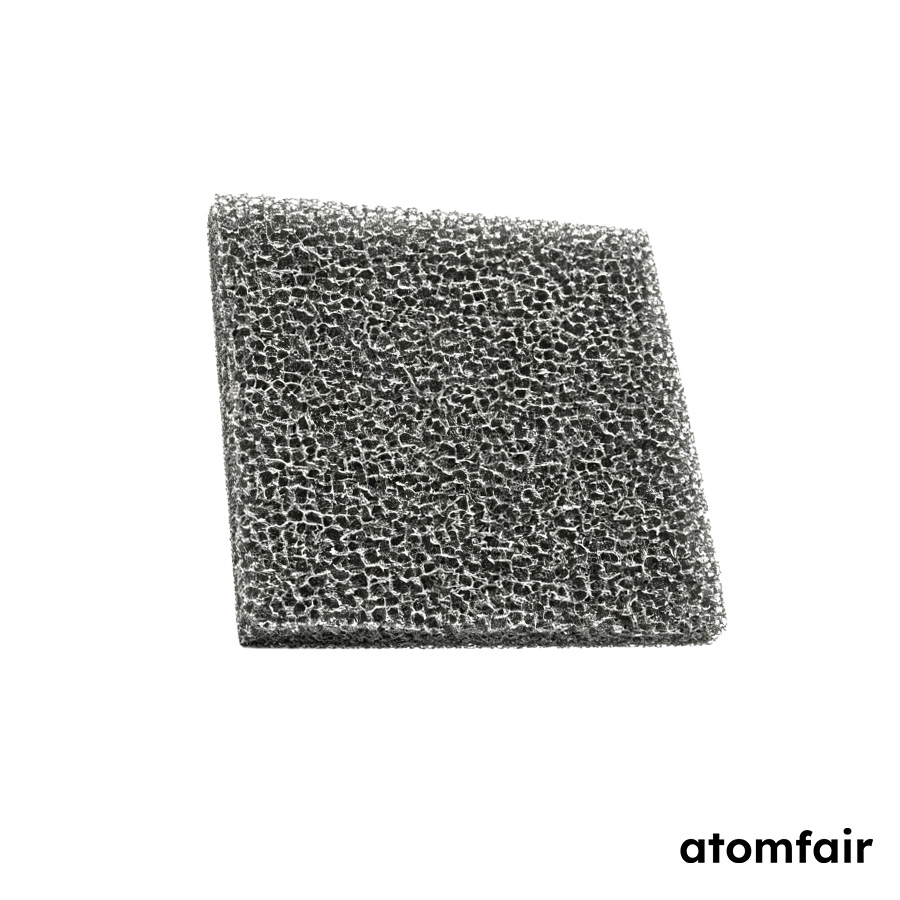
Nickel Foam Open-Cell 40 PPI 100×100×10 mm ATOMFAIR®
Price range: $65.00 through $140.00 -
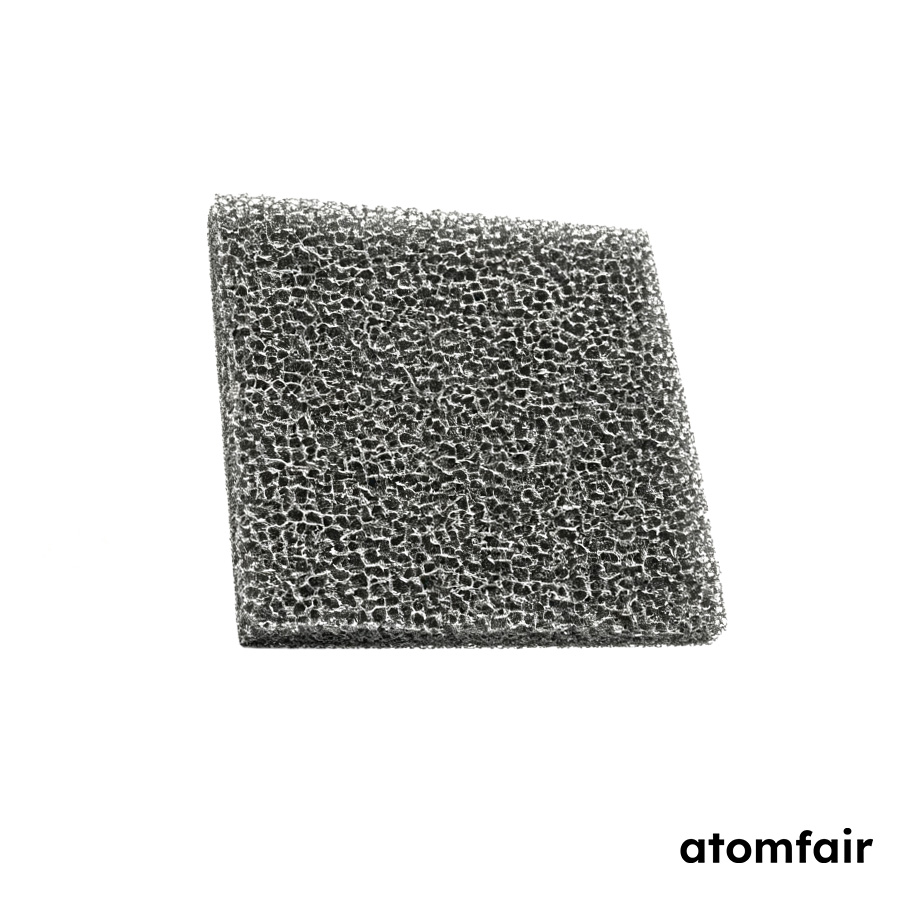
Nickel Foam Sheet 110 PPI 100 × 100 × 5 mm ATOMFAIR®
Price range: $42.00 through $90.00