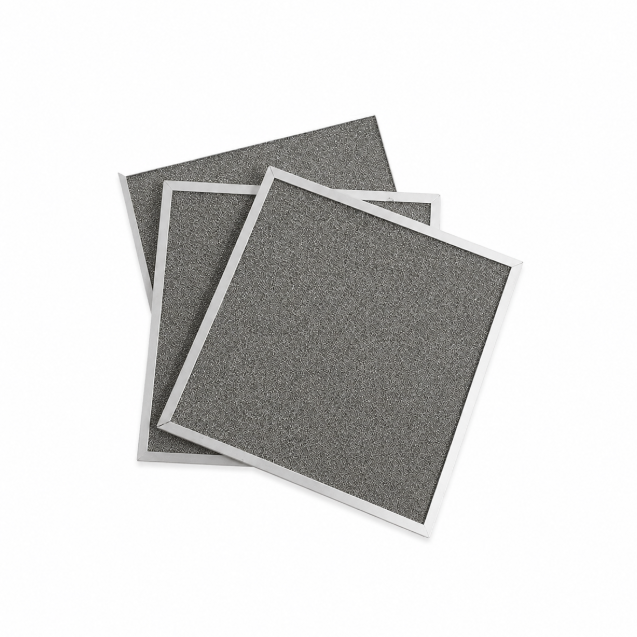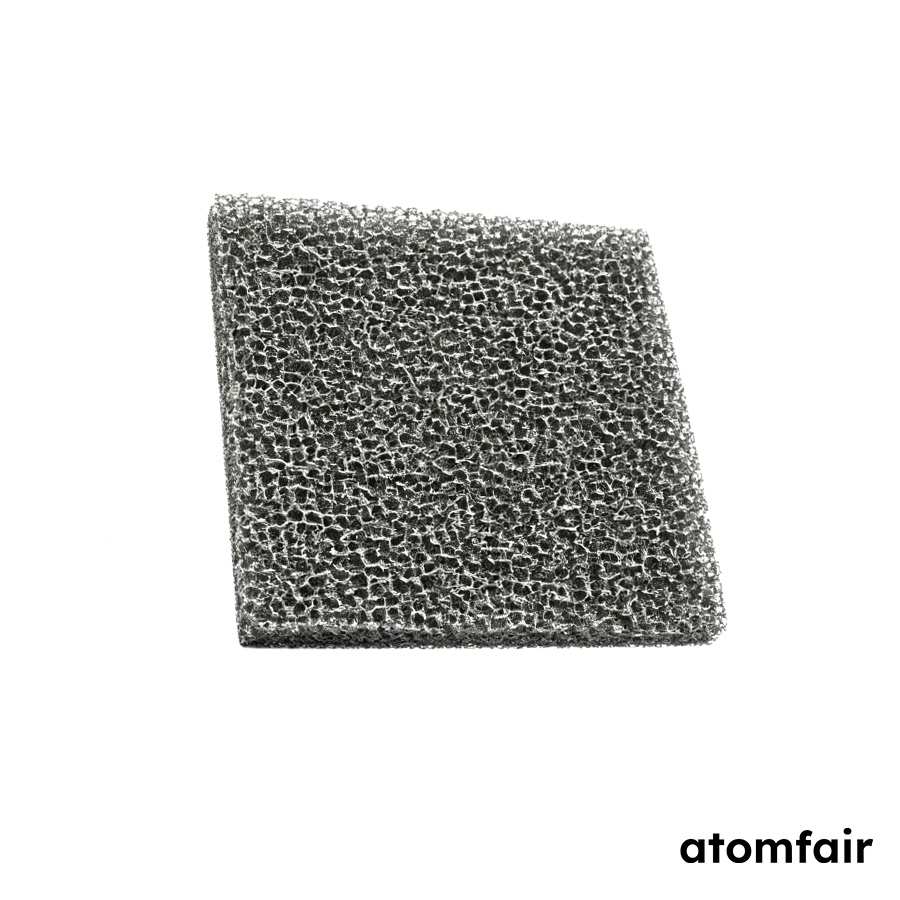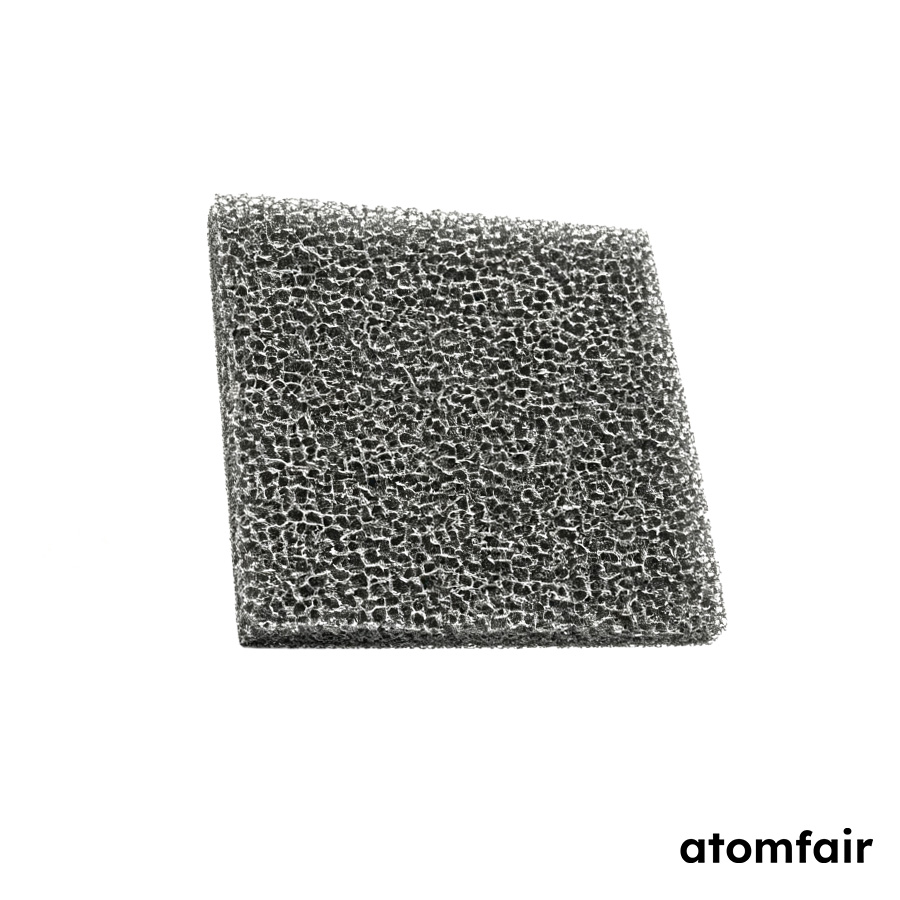
NICKEL FOAM 45 PPI KNITTED 3D RETICULATED FUEL CELL ELECTRODE SUBSTRATERESEARCH GRADE MATERIAL
|
|||||||||||||||||||||||||||||||||||||||
|
|||||||||||||||||||||||||||||||||||||||
|
TAILORED SOLUTIONS FOR RESEARCH
Contact our engineering team for technical support or official quotations.
EMAIL: inquiry@atomfair.com
|
|||||||||||||||||||||||||||||||||||||||
|
Manufacturer: Atomfair LLC
Brand: ATOMFAIR®
|
This nickel foam substrate requires careful handling to avoid mechanical damage to its hollow strut network. Storage in a desiccated, temperature-controlled environment is necessary to preserve shelf stability and prevent surface degradation.
- Mechanical Handling: For sheets thinner than 1 mm, use vacuum pickup tools or flat-tipped tweezers to prevent localized plastic deformation of the hollow strut network.
- Electrochemical Pre-conditioning: Prior to active material loading, pre-condition the nickel surface via cyclic voltammetry in the target electrolyte to establish a stable electrochemical interface.
- Hydrogen Safety: Because nickel absorbs hydrogen and uptake increases with decreasing strut diameter, implement appropriate safety protocols during hydrogen-rich electrochemical operations.
- Chemical Compatibility: While the nickel skeleton is acid-alkali resistant, avoid prolonged exposure to oxidizing acids at elevated temperatures as they may dissolve the passivating surface oxide layer.
- Storage Conditions: Store the material in a desiccated, temperature-controlled environment to maintain maximum shelf stability.
This procedure covers the safe handling and preparation of nickel foam for electrochemical electrode applications. Follow these steps to avoid mechanical damage and establish a stable electrochemical interface.
Required Equipment: Vacuum pickup tools, Flat-tipped tweezers, Sharp blade or scissors, Cyclic voltammetry equipment
- Inspect and Cut
Inspect the nickel foam sheet for visible damage, then cut it to the required dimensions using a sharp blade or scissors. - Handle Thin Sheets
For sheets thinner than 1 mm, handle using vacuum pickup tools or flat-tipped tweezers to prevent plastic deformation of the hollow strut network. - Pre-condition Surface
For electrochemical electrode applications, pre-condition the nickel surface by performing cyclic voltammetry in the target electrolyte before active material loading. - Store Prepared Substrate
After pre-conditioning, store the prepared substrate in a desiccated, temperature-controlled environment until final assembly.
How does the 45 PPI pore density affect gas-liquid mass transfer and electrochemical performance in fuel cell electrode substrates?
The 45 PPI knitted 3D reticulated structure provides a fully interconnected open-cell network with stable gas-liquid mass transfer characteristics, ensuring uniform fluid distribution across the substrate volume. This pore density standard (45 PPI ±5–10) balances specific surface area and permeability, critical for Ni-H₂, Ni-Cd, and PEM fuel cell electrodes where dead zones compromise efficiency. The source specifies that the 45 PPI standard is part of a 5–130 PPI range, with each sheet vacuum-sealed to preserve the delicate structure.
Can this nickel foam be used as a catalyst carrier in electrolytic hydrogen production, and what is its corrosion resistance in acidic environments?
Yes, the nickel foam is validated for electrolytic hydrogen production and electrocatalysis applications, functioning as a catalyst carrier and gas-liquid separation medium. The nickel skeleton is inherently acid-alkali resistant, but the source warns that prolonged exposure to oxidizing acids at elevated temperatures may gradually dissolve the passivating surface oxide layer. For electrochemical electrode applications, pre-conditioning via cyclic voltammetry in the target electrolyte is recommended to stabilize the interface before active material loading.
What handling precautions are required when cutting or bonding thin nickel foam sheets below 1 mm thickness?
For sheets below 1 mm thickness, the source specifies using vacuum pickup tools or flat-tipped tweezers to avoid localized plastic deformation of the hollow strut network. The material is cuttable, bendable, and bondable without fracturing the interconnected structure, but the delicate knitted 3D reticulated architecture requires careful handling. Storage in a desiccated, temperature-controlled environment is recommended for maximum shelf stability, and hydrogen uptake increases with decreasing strut diameter, necessitating safety protocols during hydrogen-rich electrochemical operations.
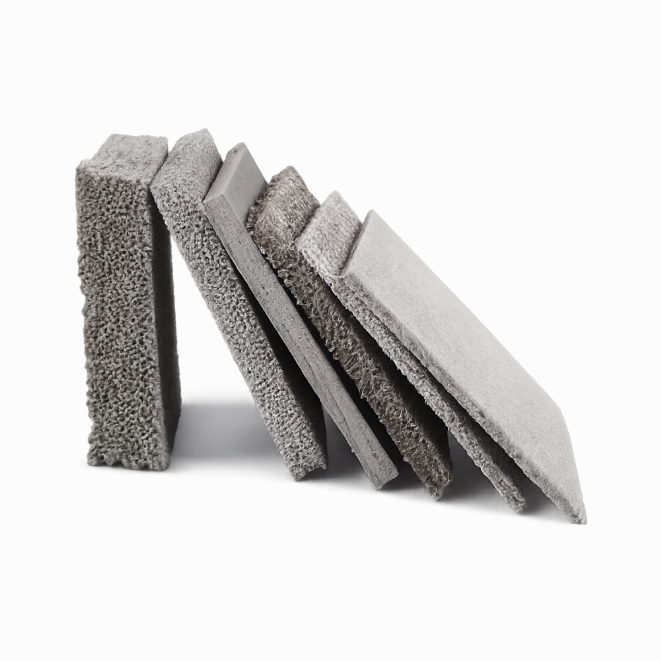
This 45 PPI knitted 3D reticulated nickel foam offers an ultra-lightweight, fully interconnected porous architecture with a specific gravity of 0.2–0.3 and bulk density only 1/50th of solid nickel, providing high specific surface area and stable gas-liquid mass transfer for fuel cell electrode substrates. The material is cuttable, bendable, and bondable, but thin sheets require careful handling and electrochemical applications demand pre-conditioning to establish a stable interface.
Positive
- Ultra-Lightweight High-Surface-Area Skeleton: Specific gravity of 0.2–0.3 with bulk density 1/50th of solid nickel maximizes specific surface area while minimizing mass, delivering an exceptional strength-to-weight ratio for portable energy storage and aerospace applications.
- Fully Interconnected 3D Porosity: 100% open-cell connectivity ensures stable gas-liquid mass transfer and uniform fluid distribution across the entire substrate volume, critical for electrochemical reactions and catalytic processes where dead zones compromise efficiency.
Trade-offs
- Delicate Thin-Sheet Handling: For thickness below 1 mm, vacuum pickup tools or flat-tipped tweezers are required to avoid localized plastic deformation of the hollow strut network, increasing handling complexity during integration.
- Electrochemical Pre-conditioning Required: For electrode applications, pre-conditioning via cyclic voltammetry in the target electrolyte is recommended to establish a stable electrochemical interface prior to active material loading, adding a preparatory step.
Every advanced material, component, equipment, and instrument in our catalog is backed by rigorous testing. We maintain strict internal quality management frameworks and align with CE conformity metrics to deliver transparent, reproducible performance data via our public open-science repository.
To request raw batch performance data, submit formal vendor registration paperwork, or execute a fast-turnaround R&D manufacturing loop, contact us at inquiry@atomfair.com.
Item is dispatched under the Atomfair Shipping & Delivery Framework (Free worldwide shipping on orders over $59 USD excl. heavy equipment). Return is governed by the Atomfair Return & Refund Policy (7-day technical return window).