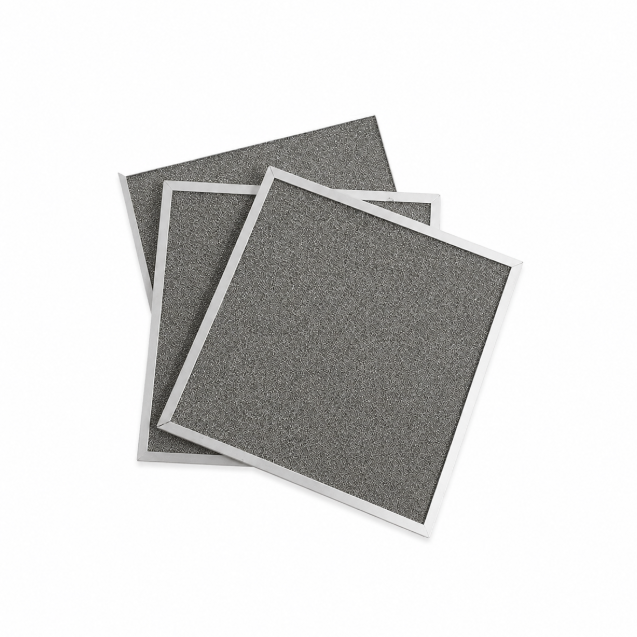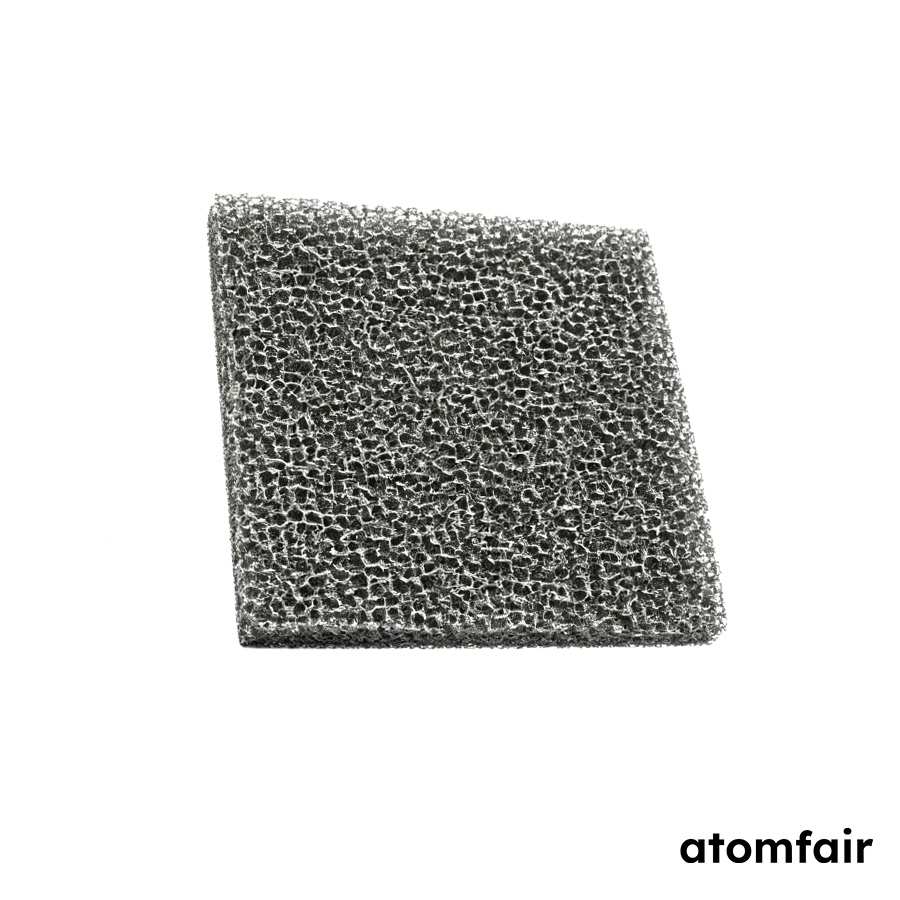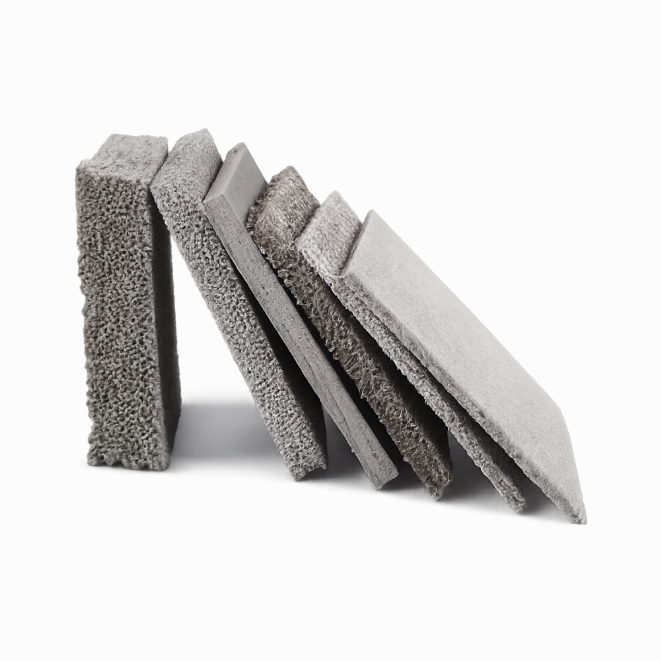
NICKEL FOAM 99% NI 40 PPI OPEN CELL DISTILLATION PACKING MATERIALRESEARCH GRADE MATERIAL
|
|||||||||||||||||||||||||||||||||||||||||||||||
|
|||||||||||||||||||||||||||||||||||||||||||||||
|
TAILORED SOLUTIONS FOR RESEARCH
Contact our engineering team for technical support or official quotations.
EMAIL: inquiry@atomfair.com
|
|||||||||||||||||||||||||||||||||||||||||||||||
|
Manufacturer: Atomfair LLC
Brand: ATOMFAIR®
|
This product requires specific handling, pre-conditioning, and storage protocols to maintain structural integrity and performance. The material exhibits chemical reactivity with nitric acid and hydrogen gas, necessitating appropriate safety measures.
- Handling thin sheets: When handling thin nickel foam sheets below 1 mm thickness, use vacuum pickup tools or flat-tipped tweezers to prevent localized plastic deformation.
- High-temperature pre-conditioning: For high-temperature applications exceeding 500°C in oxidizing atmospheres, pre-condition the material in a reducing environment to remove the surface oxide layer.
- Nitric acid interaction: Dilute nitric acid slowly dissolves nickel while concentrated nitric acid passivates the surface and enhances corrosion resistance.
- Hydrogen absorption: The material absorbs hydrogen gas, with absorption capacity increasing as grain size decreases, requiring safety considerations during hydrogen-rich electrochemical operations.
- Storage requirements: Store in a desiccated environment if extended shelf life with minimal surface oxidation is required.
Follow these steps to safely handle thin nickel foam sheets, prepare them for high-temperature use, and store them properly. These procedures prevent mechanical damage, ensure optimal performance, and minimize oxidation.
Required Equipment: Vacuum pickup tools, Flat-tipped tweezers
- Handle thin sheets
Use vacuum pickup tools or flat-tipped tweezers when handling thin nickel foam sheets to prevent plastic deformation. - Pre-condition for high temperature
Pre-condition the nickel foam in a reducing atmosphere of H₂/Ar to remove surface oxide before use above 500°C in oxidizing environments. - Store in desiccated environment
Store the nickel foam in a desiccated environment to minimize surface oxidation during extended shelf life.
How does the pore density of this nickel foam affect the balance between fluid permeability and mechanical strength?
At the standard 40 PPI, water permeability is ≥80% with tensile strength ranging from 8–50 MPa and compressive strength ≥250 KPa at 50% compression. Higher PPI increases fluid resistance, reducing permeability, but the source does not specify the exact impact on mechanical strength. The 40 PPI standard provides a balanced compromise for distillation packing and filtration applications.
Can this nickel foam be used directly as an electrode substrate in alkaline electrolysis without additional surface treatment?
Yes, the 99% nickel foam with its self-passivating oxide film is suitable for alkaline electrolysis and Ni-MH/Ni-Cd battery systems. However, for high-temperature applications exceeding 500°C in oxidizing atmospheres, pre-conditioning in a reducing environment (H₂/Ar) is recommended to remove the oxide layer and restore maximum electrical and thermal conductivity. The material also absorbs hydrogen, requiring appropriate safety considerations during hydrogen-rich electrochemical operations.
What handling precautions are necessary when working with thin nickel foam sheets to preserve structural integrity?
For sheets under 1 mm thickness, use vacuum pickup tools or flat-tipped tweezers to prevent localized plastic deformation of the plain-weave structure. Store in a desiccated environment if extended shelf life with minimal surface oxidation is required. For hydrogen-rich electrochemical applications, account for the material's hydrogen absorption capacity, which increases with decreasing grain size.
This 99% nickel, 40 PPI open-cell foam provides high corrosion resistance, thermal stability above 500°C, and excellent fluid permeability for distillation packing and electrochemical applications. Thin sheets require careful handling to avoid deformation, and hydrogen absorption introduces safety considerations in hydrogen-rich environments.
Positive
- Ultra-high purity nickel: Nickel purity exceeds 99% with minimal trace elements, ensuring low catalytic interference and reliable electrochemical stability for sensitive electrode and catalyst carrier applications.
- Self-passivating corrosion barrier: Nickel forms a dense oxide film at ambient temperature, providing intrinsic resistance to organic acids, alkaline solutions, and atmospheric oxidation, with enhanced passivation in concentrated nitric acid.
Trade-offs
- Fragile thin sheets: Sheets under 1 mm thickness are prone to plastic deformation; vacuum pickup tools or flat-tipped tweezers are required to avoid structural damage during handling.
- Hydrogen absorption risk: The material absorbs hydrogen, with capacity increasing as grain size decreases, necessitating appropriate safety protocols during hydrogen-rich electrochemical operations.
Every advanced material, component, equipment, and instrument in our catalog is backed by rigorous testing. We maintain strict internal quality management frameworks and align with CE conformity metrics to deliver transparent, reproducible performance data via our public open-science repository.
To request raw batch performance data, submit formal vendor registration paperwork, or execute a fast-turnaround R&D manufacturing loop, contact us at inquiry@atomfair.com.
Item is dispatched under the Atomfair Shipping & Delivery Framework (Free worldwide shipping on orders over $59 USD excl. heavy equipment). Return is governed by the Atomfair Return & Refund Policy (7-day technical return window).