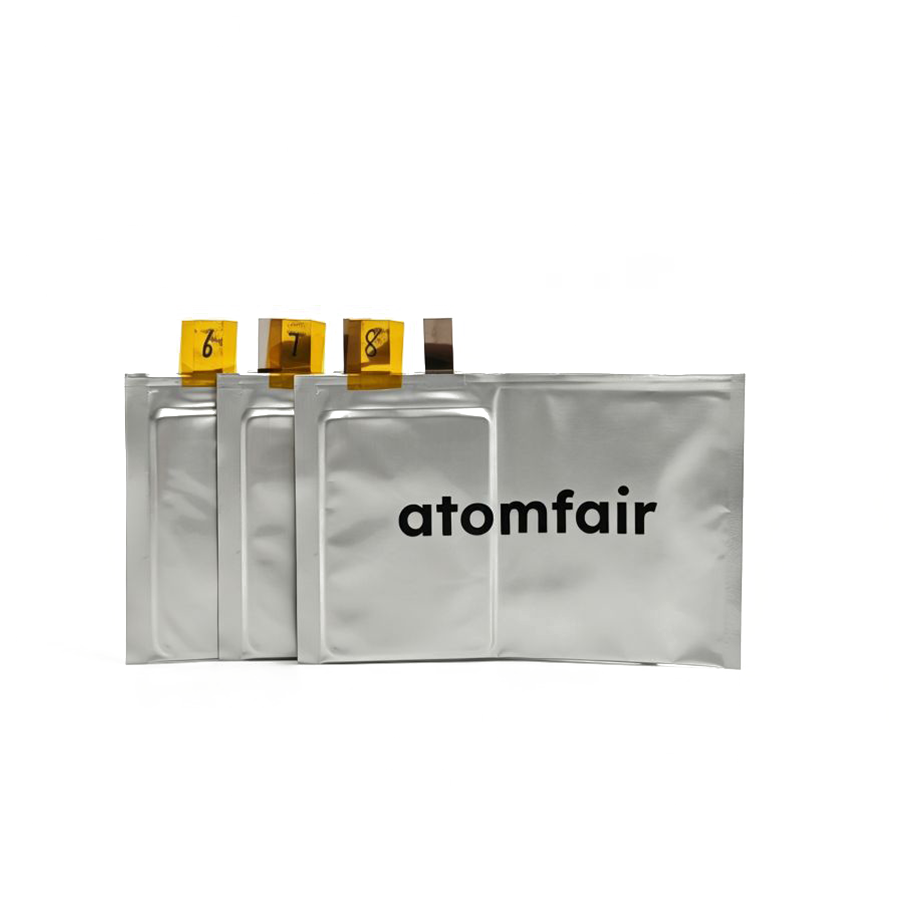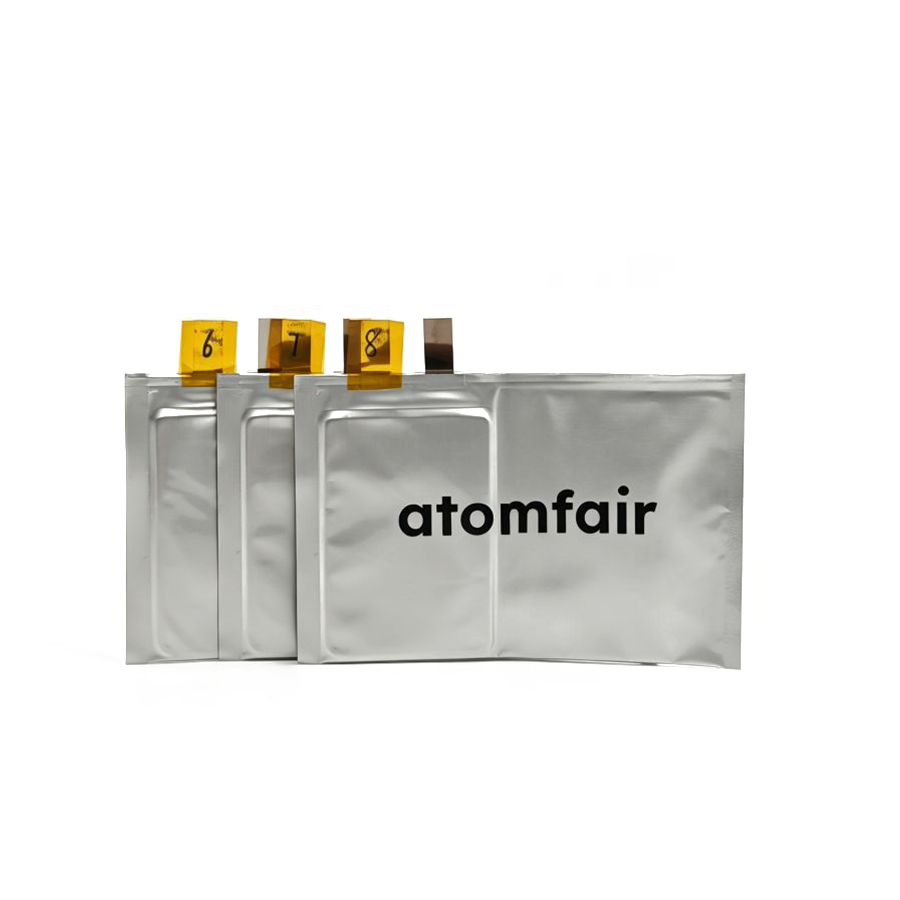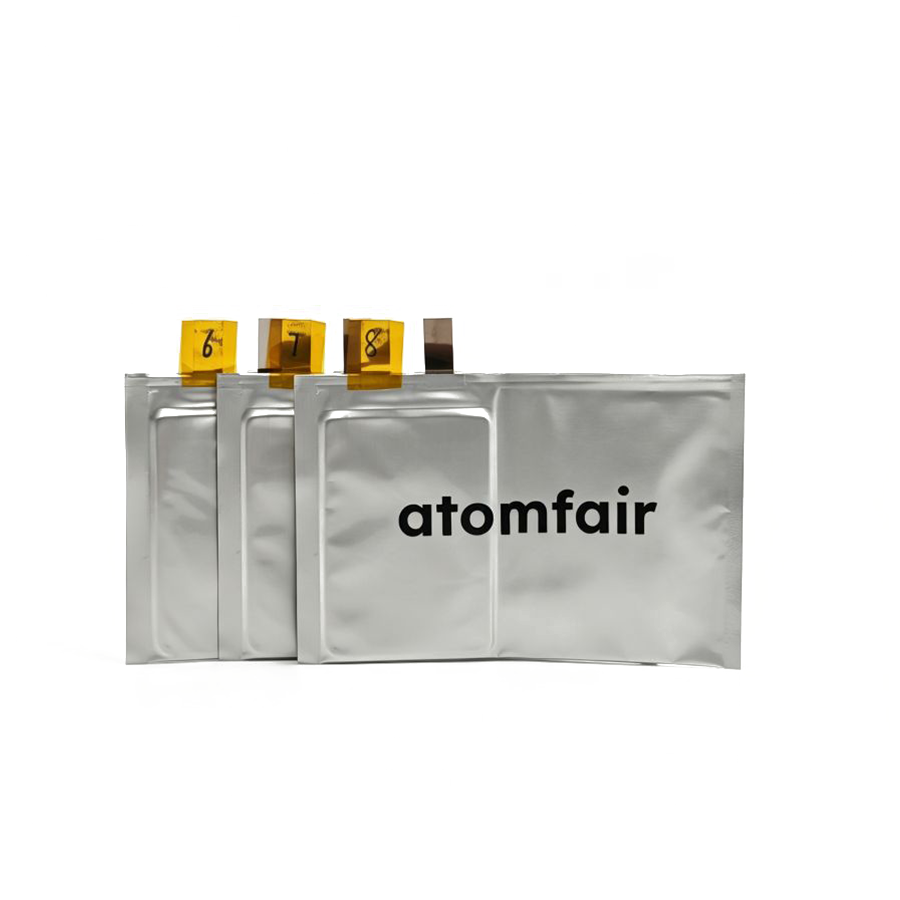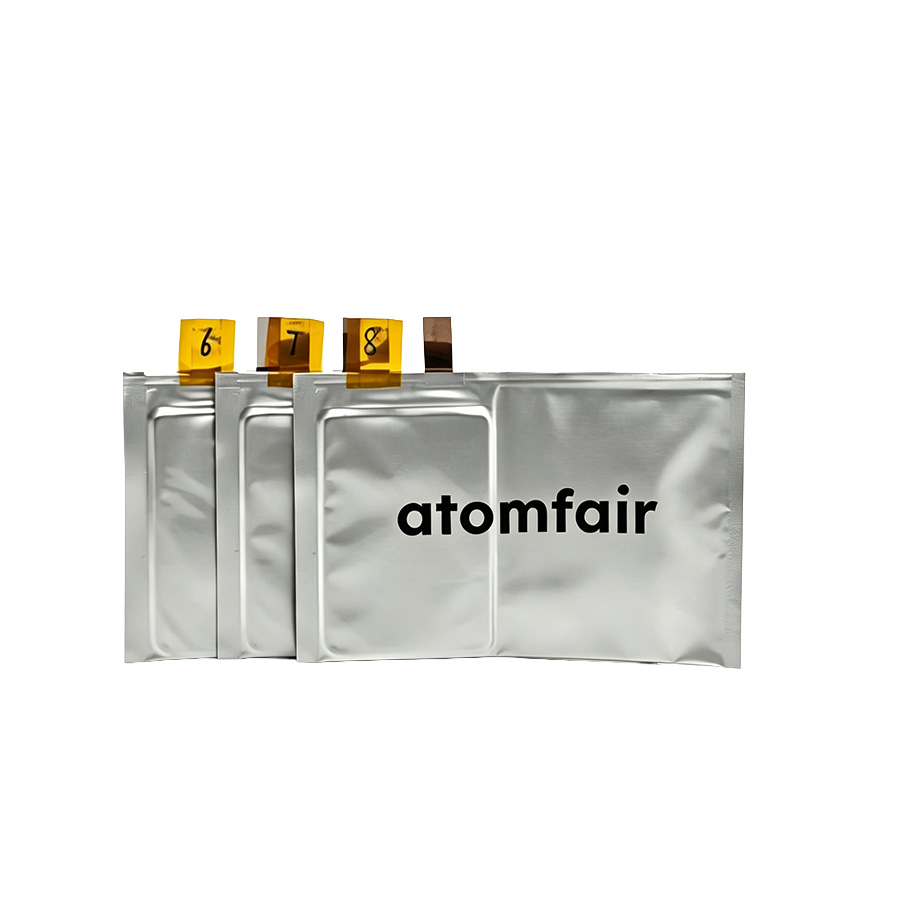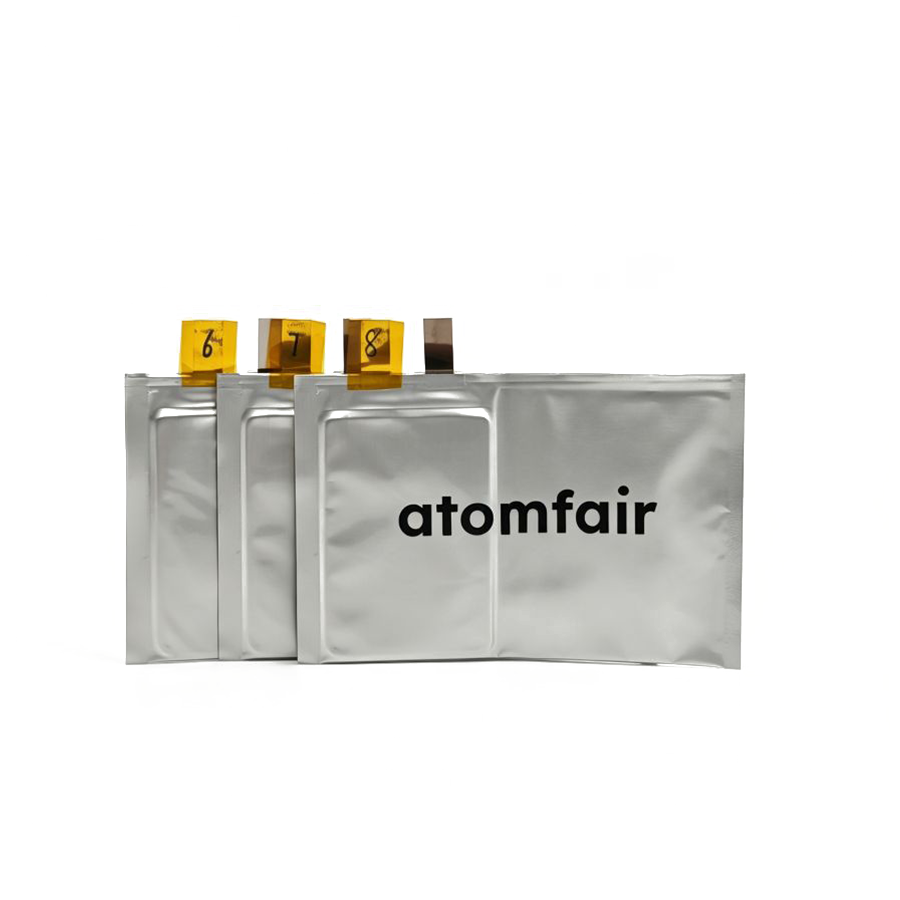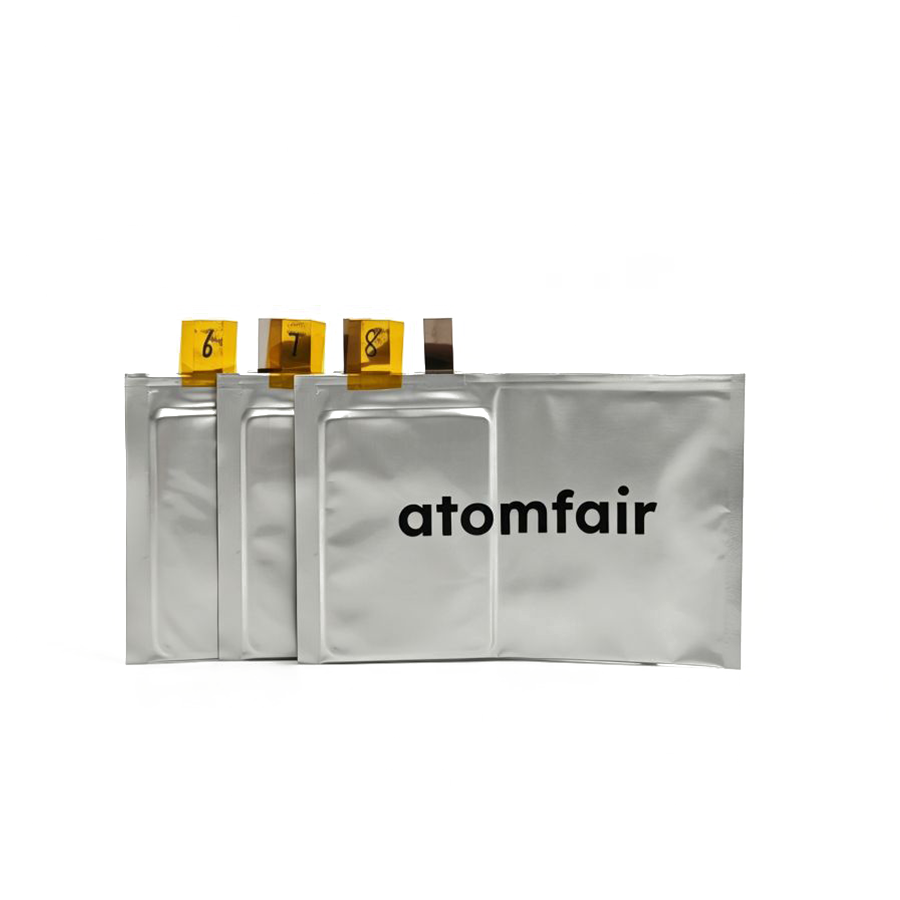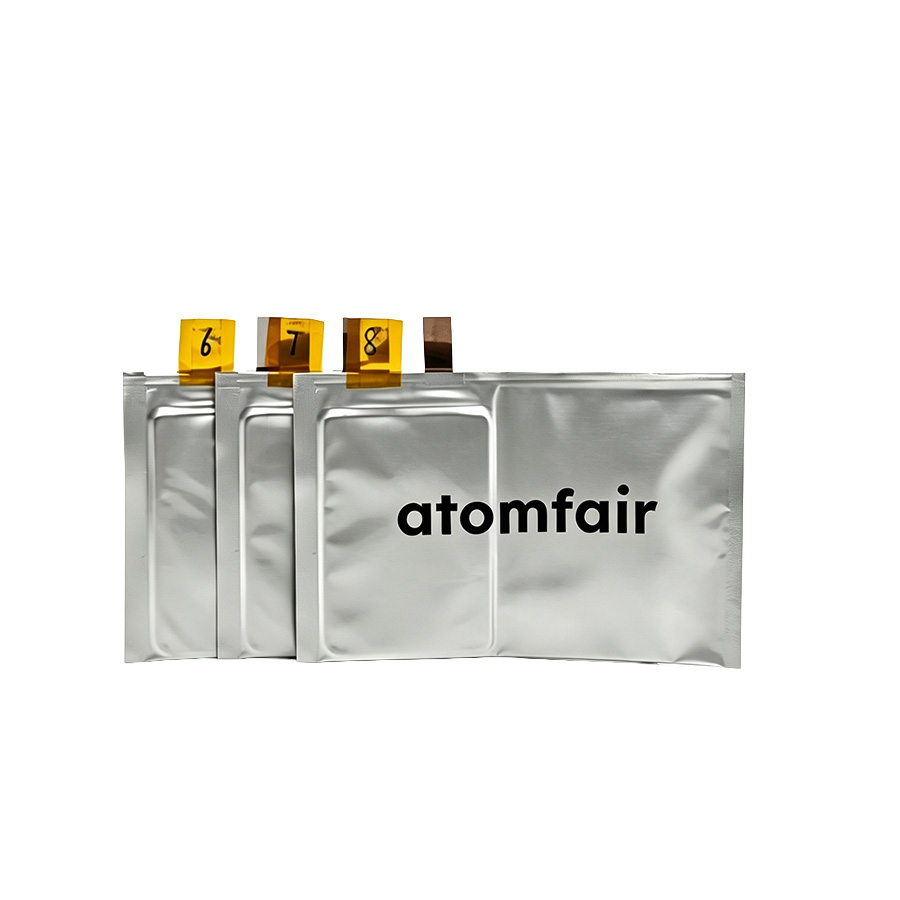
Ni95 Lithium-Ion Dry Pouch Cell (1 Ah, 3/4 Layers) – Si/C1600 AnodeProduct Type: Research-grade dry pouch cell
Research-grade laboratory product
|
||||||||||||||||||||||||||||||||||||||||||||||||||||||||||||
|
||||||||||||||||||||||||||||||||||||||||||||||||||||||||||||
This electrolyte-free dry pouch cell requires laboratory finishing before electrochemical activation. Its handling is limited to controlled assembly and activation studies.
- Electrolyte-Free Supply State: The cell is supplied electrolyte-free, so it is not ready for activation until electrolyte is introduced.
- Laboratory Use Limitation: The dry pouch cell is intended for laboratory lithium-ion cell assembly, electrolyte or activation studies, electrode comparison, and dry-core electrochemical evaluation.
- Finishing Control Requirement: Researchers must control the cell finishing conditions during electrolyte or activation studies.
- Order Confirmation Requirement: Confirm the selected cell configuration and required quantity before quotation.
Finish the electrolyte-free dry pouch cell by confirming its configuration, adding electrolyte, and controlling the finishing environment. Activate the completed cell within its stated voltage limits before electrochemical evaluation.
Required Equipment: Electrolyte filling equipment
- Confirm Configuration
Confirm the cell configuration details and required quantity before beginning the finishing procedure. - Introduce Electrolyte
Introduce the selected electrolyte into the unfilled dry pouch cell before any activation step. - Control Finishing Conditions
Control the cell finishing conditions during electrolyte introduction and activation. - Activate Cell
Activate the filled cell within the stated voltage window before electrochemical evaluation. - Evaluate Configuration
Evaluate the resulting electrode configuration under the intended lithium-ion test conditions.
What is the significance of the 3/4-layer stack in this 1 Ah dry pouch cell?
The 3/4-layer stack configuration allows the cell to achieve a nominal capacity of 1 Ah using the specified electrode footprints (45.5 × 64 mm cathode, 46.5 × 65 mm anode) and coating areal densities (30 mg/cm² for Ni95 cathode, 4.5 mg/cm² for Si/C1600 anode). This layer count balances the total active material mass and internal resistance, making the cell suitable for controlled laboratory electrolyte studies and electrode comparison.
Can this dry pouch cell be directly filled with electrolyte and cycled without additional preparation?
No, this is an electrolyte-free dry pouch cell supplied without electrolyte. It is explicitly intended for lithium-ion laboratory assembly where researchers control electrolyte addition, cell activation, and finishing conditions. The unfilled format enables customized electrolyte screening, activation studies, and electrode configuration evaluation under user-defined conditions.
What storage and handling precautions are required for this dry pouch cell before electrolyte filling?
Because the cell contains a 12 µm PE + 2 µm ceramic separator and dry electrodes in an unfilled pouch, it must be stored in a dry, inert atmosphere to prevent moisture uptake that could degrade the electrodes or separator. Handling should be performed in an argon-filled glovebox or dry room to preserve electrode integrity and ensure reliable electrolyte studies.
This Ni95 dry pouch cell with Si/C1600 anode offers a 1 Ah nominal capacity in a 3/4-layer stack, with a cathode specific capacity of 206 mAh/g and anode specific capacity of 1600 mAh/g, enabling researchers to investigate high-capacity anode architectures and electrolyte systems in a controlled dry-cell format.
Positive
- High-capacity Si/C1600 anode: The Si/C1600 anode delivers a specific capacity of 1600 mAh/g, enabling high-energy-density electrode studies within a standard 2.3–4.2 V window.
- Dry pouch for controlled electrolyte studies: The electrolyte-free dry pouch format allows researchers to perform electrolyte filling and activation independently, facilitating comparative evaluation of electrolyte formulations and formation protocols.
Trade-offs
- Requires electrolyte filling and activation: As a dry pouch cell, this product is shipped without electrolyte and must be filled and activated in a controlled environment (e.g., dry room or glovebox), adding laboratory infrastructure requirements.
- Low anode areal density constraint: The Si/C1600 anode has a coating areal density of only 4.5 mg/cm2, which may necessitate careful electrolyte dosing and wetting protocols to ensure uniform electrode activation and avoid capacity underutilization.
Every advanced material, component, equipment, and instrument in our catalog is backed by rigorous testing. We maintain strict internal quality management frameworks and align with CE conformity metrics to deliver transparent, reproducible performance data via our public open-science repository.
To request raw batch performance data, submit formal vendor registration paperwork, or execute a fast-turnaround R&D manufacturing loop, contact us at inquiry@atomfair.com.
Item is dispatched under the Atomfair Shipping & Delivery Framework (Free worldwide shipping on orders over $59 USD excl. heavy equipment). Return is governed by the Atomfair Return & Refund Policy (7-day technical return window).