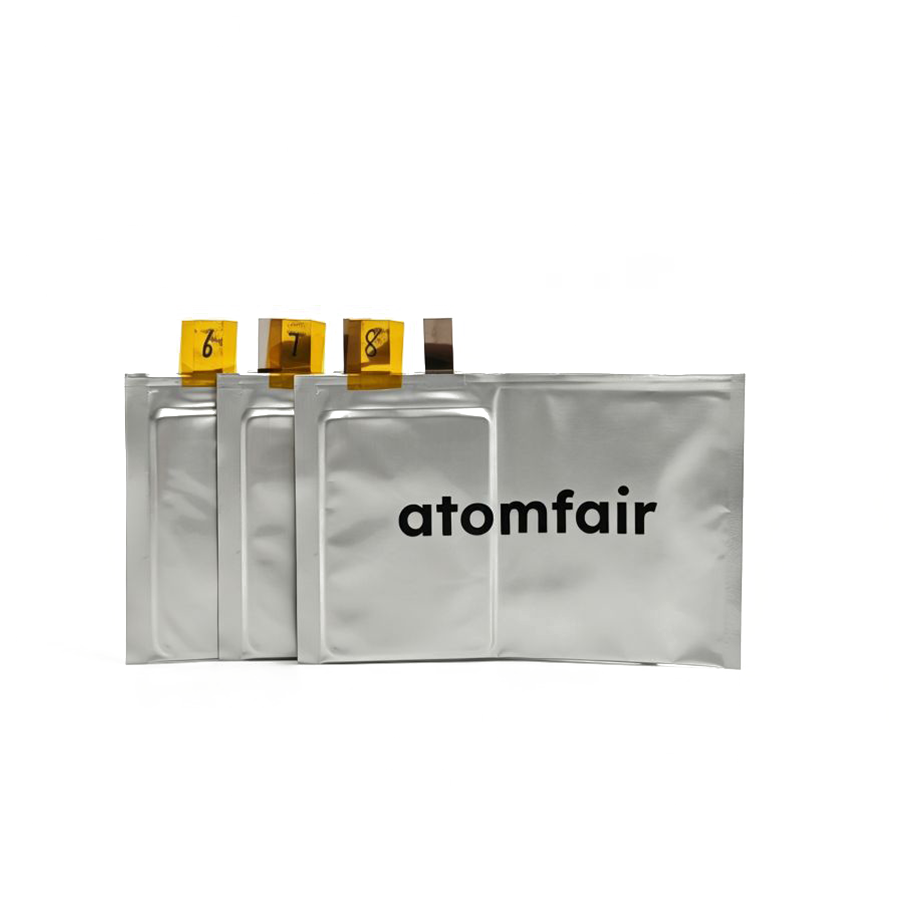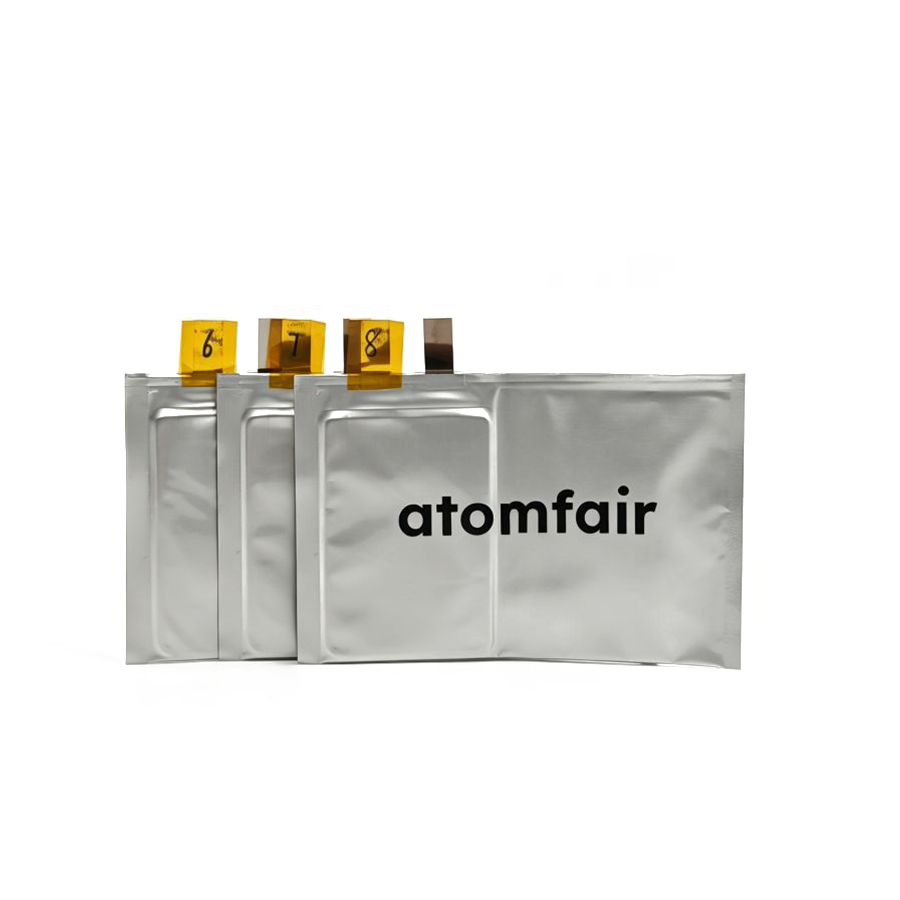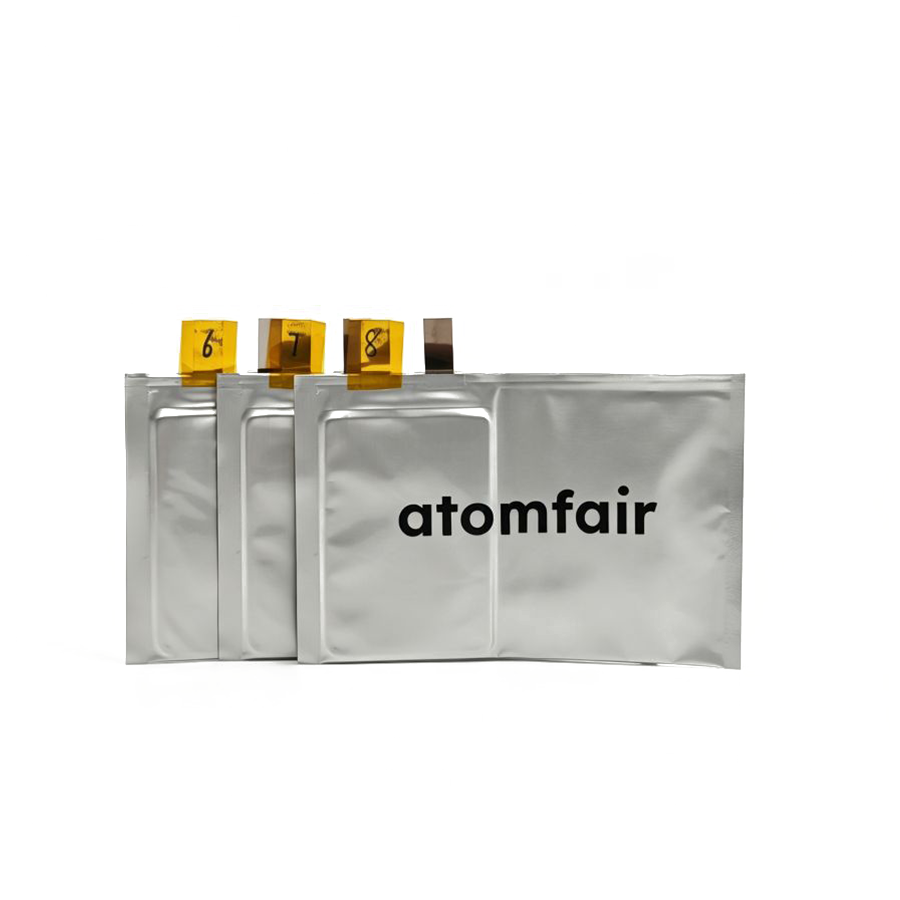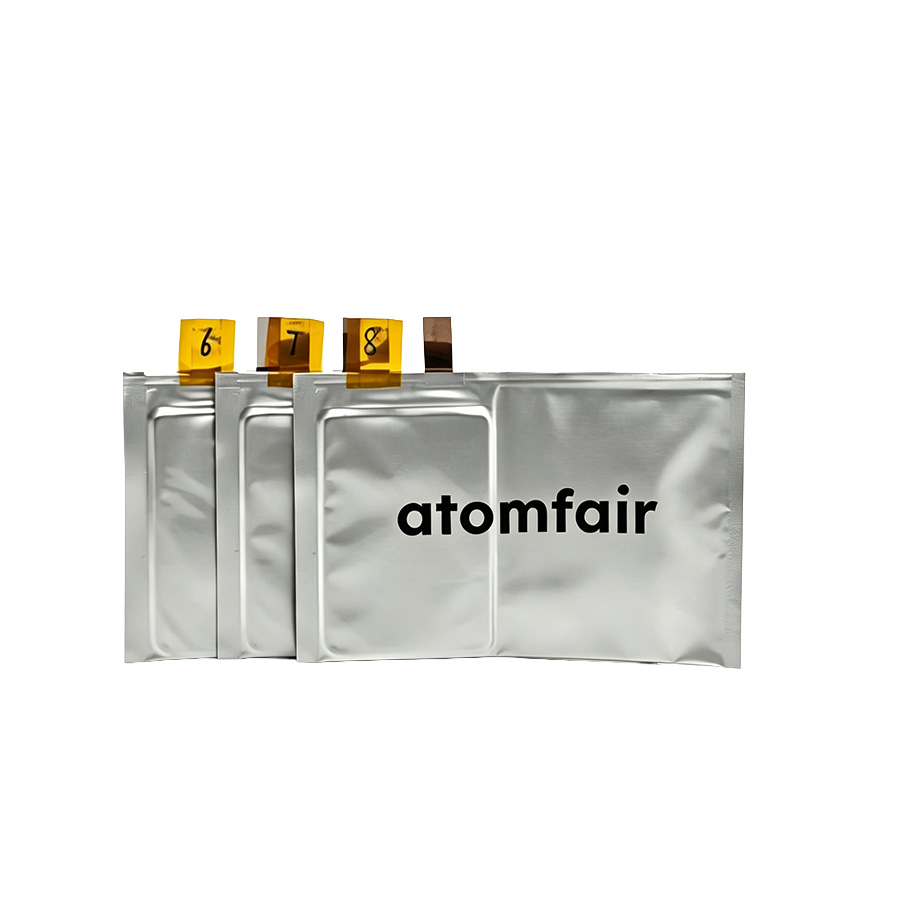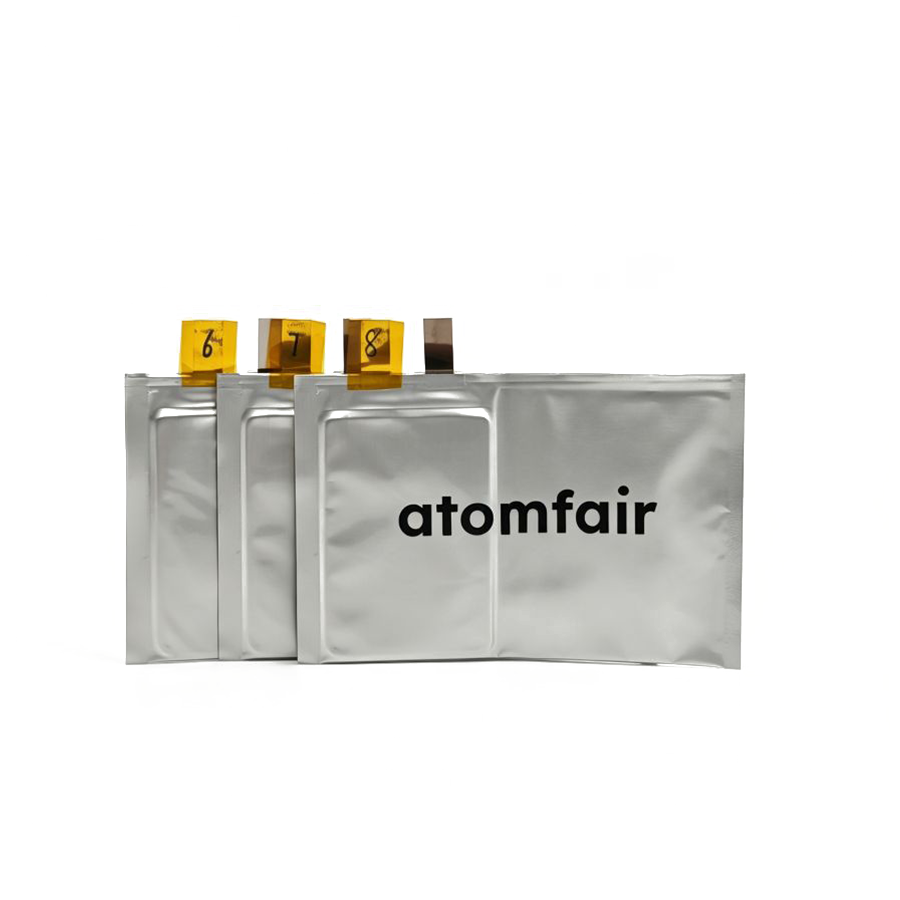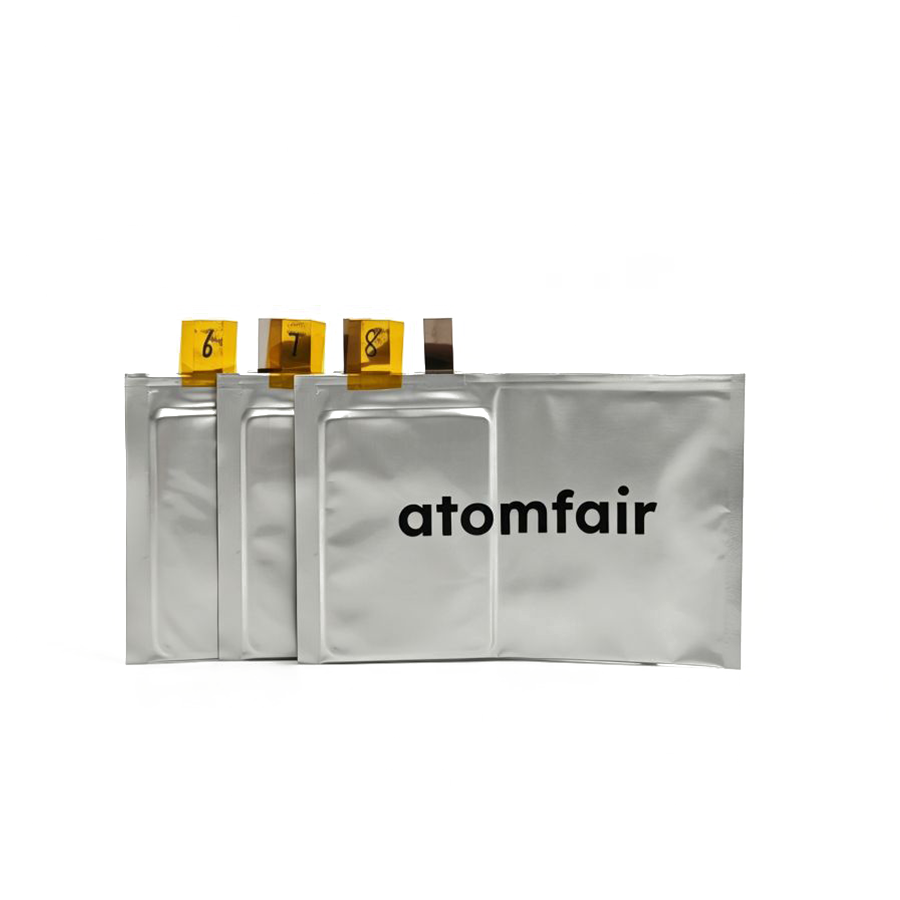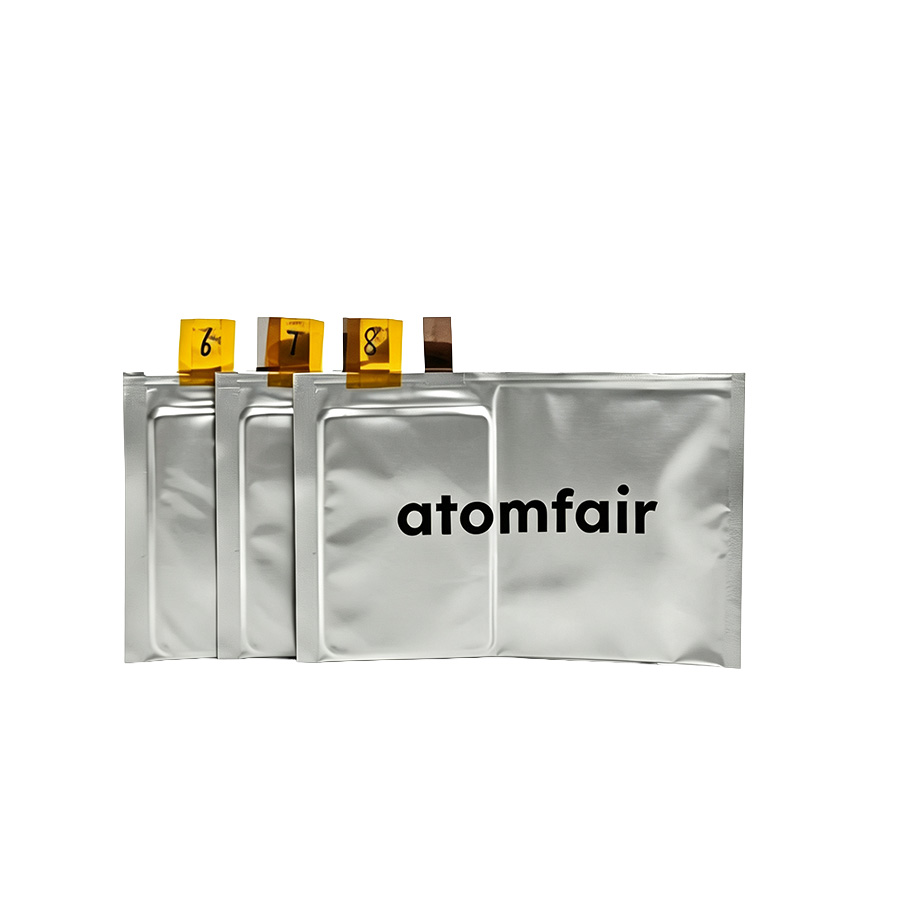
LMR Lithium-Ion Dry Pouch Cell (1.2 Ah, 15/16 Layers) – Li-Cu Composite AnodeProduct Type: Research-grade dry pouch cell
Research-grade laboratory product
|
||||||||||||||||||||||||||||||||||||||||||||||||||||||||||
|
||||||||||||||||||||||||||||||||||||||||||||||||||||||||||
This electrolyte-free dry pouch cell is supplied as an unfilled LMR/Li-Cu stack for laboratory-controlled electrolyte filling and activation. Maintain the cell in its dry, unfilled state until researchers are ready to complete cell finishing, and confine any subsequent electrochemical operation to the declared 2 V to 4.8 V window.
- Dry-state storage requirement: Keep the pouch cell dry and unfilled to preserve the LMR cathode, Li-Cu composite anode, and ceramic-coated PE separator until controlled electrolyte introduction.
- Activation and finishing prerequisite: Complete electrolyte filling and cell finishing in the laboratory before applying any electrical load, cycling, or electrochemical evaluation.
- Voltage operating limit: Restrict electrochemical testing of the activated cell to the specified 2 V to 4.8 V voltage window.
- Laboratory-use restriction: Use this dry pouch cell only as a research-grade laboratory item for controlled assembly and evaluation, not as a finished commercial battery.
What are the exact electrode materials, dimensions, and loadings in this 1.2 Ah LMR dry pouch cell?
The cathode is LMR with 94.7% active material, a specific capacity of 300 mAh/g, a coating areal density of 14.5 mg/cm², and dimensions of 45.5 x 64 mm. The anode is a Li-Cu composite with dimensions of 46.5 x 65 mm and a thickness parameter of 20+6+20 µm. The separator is 12 µm PE with a 2 µm ceramic coating.
What is the intended laboratory use of this dry pouch cell, and what customizations are available?
This dry pouch cell is intended for laboratory lithium-ion cell assembly, electrolyte or activation studies, electrode comparison, and dry-core electrochemical evaluation. It is supplied electrolyte-free to allow researchers to control cell finishing conditions. Customization options include cell dimensions, nominal capacity, cathode and anode materials, separator coating, and dry electrode configuration.
This 1.2 Ah dry LMR/Li-Cu pouch cell with a 15/16-layer stack, 94.7%-active LMR cathode at 14.5 mg/cm2, 300 mAh/g specific capacity, and a 12 um PE + 2 um ceramic separator is evaluated as an electrolyte-fillable research platform; the specified 2-4.8 V window and NP ratio 1.1 support controlled activation and electrode-comparison studies when the user supplies the electrolyte filling and formation steps.
Positive
- Electrolyte-free dry core enables controlled activation: The unfilled dry pouch format lets the researcher control electrolyte composition, cell finishing, and activation conditions, supporting electrolyte and activation studies.
- High-capacity LMR cathode with defined NP ratio: The LMR cathode is specified at 94.7% active material, 300 mAh/g capacity, and 14.5 mg/cm2 areal loading with an NP ratio of 1.1, offering a defined baseline for electrode comparison work.
Trade-offs
- Requires electrolyte filling before electrochemical use: This electrolyte-free dry pouch is not ready-to-cycle; the user must perform electrolyte filling, wetting, and formation before electrochemical evaluation can begin.
Every advanced material, component, equipment, and instrument in our catalog is backed by rigorous testing. We maintain strict internal quality management frameworks and align with CE conformity metrics to deliver transparent, reproducible performance data via our public open-science repository.
To request raw batch performance data, submit formal vendor registration paperwork, or execute a fast-turnaround R&D manufacturing loop, contact us at inquiry@atomfair.com.
Item is dispatched under the Atomfair Shipping & Delivery Framework (Free worldwide shipping on orders over $59 USD excl. heavy equipment). Return is governed by the Atomfair Return & Refund Policy (7-day technical return window).