|
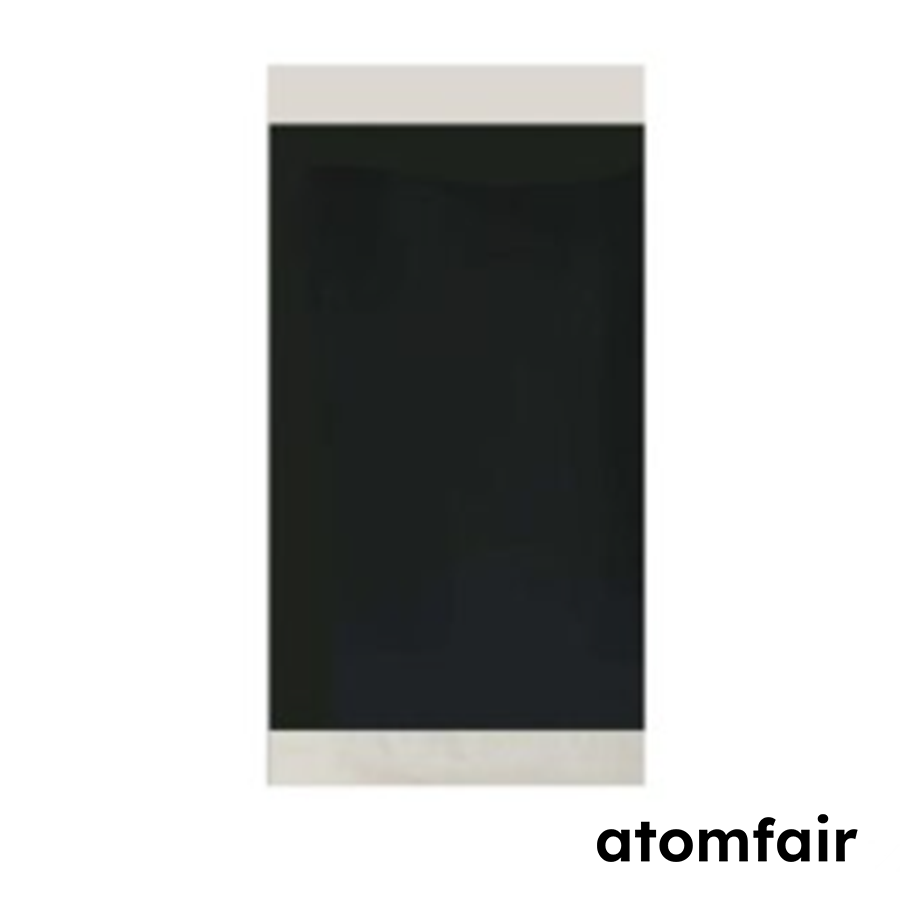
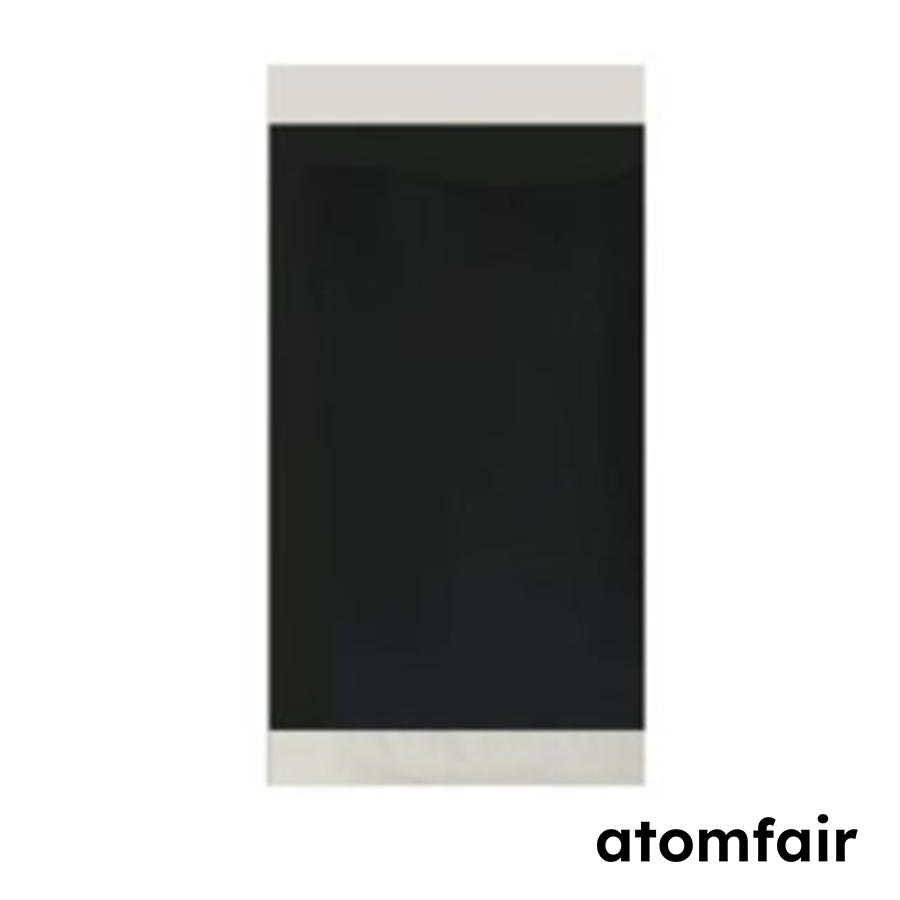
Single-Sided Hard Carbon Anode, 10–20 μm
Sodium-Ion Anode Electrode Sheet
|
||||||||||||||||||||||||||||||||||||||||||||||||||||||||||||||||||||||
|
This single-sided hard carbon coated aluminum foil requires controlled storage conditions to prevent moisture-induced degradation and maintain structural uniformity. The coating is sensitive to environmental contaminants, necessitating sealed containment until thermal validation is performed.
- Moisture Sensitivity: Exposure to ambient humidity can compromise the coating's electrochemical stability and uniformity.
- Temperature Stability: Storage temperatures above recommended limits may cause degradation of the hard carbon coating.
- Contamination Control: Containers must remain tightly sealed to prevent phase contamination before thermal validation.
- Structural Uniformity: Maintaining strict moisture and temperature limits preserves the standard structural uniformity across all sheets.
What is the typical coating thickness of the hard carbon layer on this aluminum foil, and how does it affect electrochemical performance?
The hard carbon coating thickness is typically around 10–20 μm. This range is engineered to balance active material loading and mechanical stability; thinner coatings may reduce capacity, while thicker coatings could increase ionic resistance or delamination risk. The exact thickness may vary, so researchers should verify consistency across sheets for reproducible results.
Can this single-sided hard carbon coated aluminum foil be used directly in sodium-ion battery electrodes without further modification?
Yes, the hard carbon coating is specified for both lithium-ion and sodium-ion battery applications. The single-sided coating allows direct use as an anode electrode, with the uncoated aluminum side providing current collection. However, researchers should verify electrolyte compatibility and consider any pre-treatment steps required for their specific sodium-ion chemistry.
What storage conditions are required to maintain the integrity of the hard carbon coated aluminum foil?
Store the foil in a cool, dry environment to prevent degradation, as per the product's storage recommendations. Keep containers tightly sealed to avoid moisture absorption and phase contamination. The material is processed under ISO standard compliance, so adhering to the noted moisture and temperature limitations is critical to preserve structural uniformity across all sheets.
Atomfair single-sided hard carbon coated aluminum foil offers a research-grade electrode substrate with high electrochemical stability and conductivity for Li-ion and Na-ion battery development, but coating thickness variation and strict storage requirements must be addressed for reproducible experimental outcomes.
Positive
- High capacity hard carbon coating: Hard carbon coating provides excellent electrochemical stability and high capacity, suitable for both lithium-ion and sodium-ion battery applications.
- Superior aluminum substrate conductivity: Aluminum foil substrate ensures excellent electrical conductivity, enhancing overall battery efficiency and performance.
Trade-offs
- Coating thickness variation: Exact coating thickness is specified as typically 10–20 μm and may vary, which could affect electrode reproducibility in sensitive experiments.
- Requires controlled storage environment: Must be stored in a cool, dry environment to prevent degradation and maintain structural uniformity; moisture and temperature limitations must be strictly adhered to.
Every advanced material, component, equipment, and instrument in our catalog is backed by rigorous testing. We maintain strict internal quality management frameworks and align with CE conformity metrics to deliver transparent, reproducible performance data via our public open-science repository.
To request raw batch performance data, submit formal vendor registration paperwork, or execute a fast-turnaround R&D manufacturing loop, contact us at inquiry@atomfair.com.
Item is dispatched under the Atomfair Shipping & Delivery Framework (Free worldwide shipping on orders over $59 USD excl. heavy equipment). Return is governed by the Atomfair Return & Refund Policy (7-day technical return window).