|
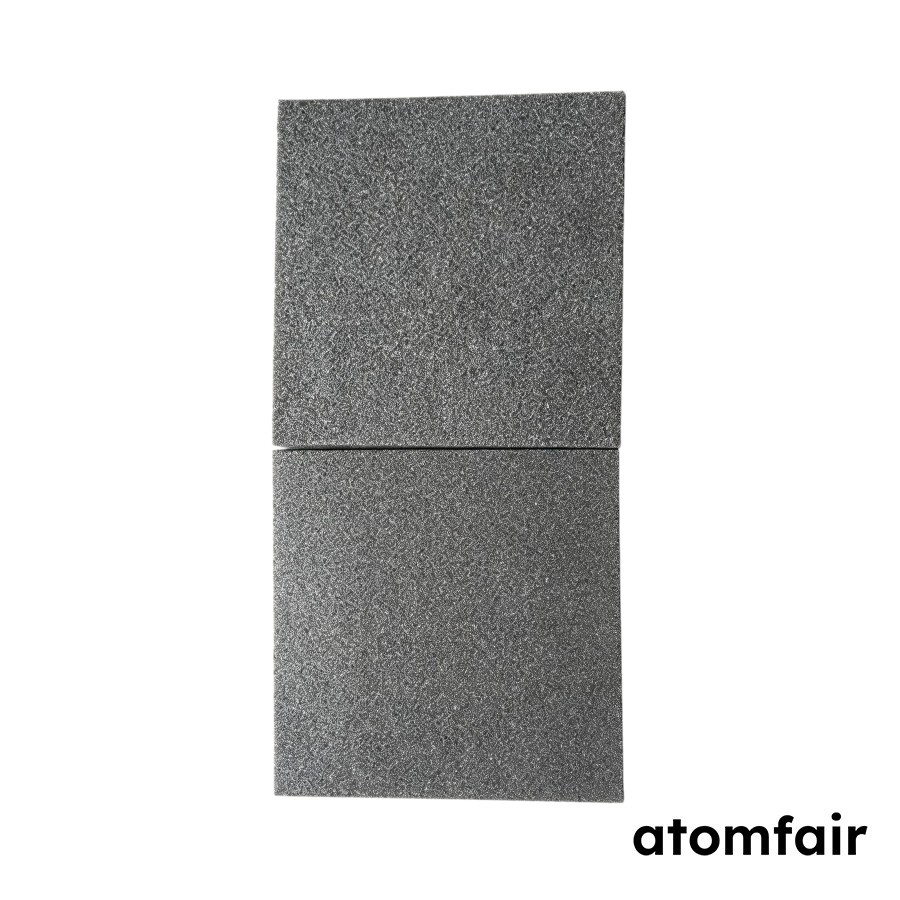
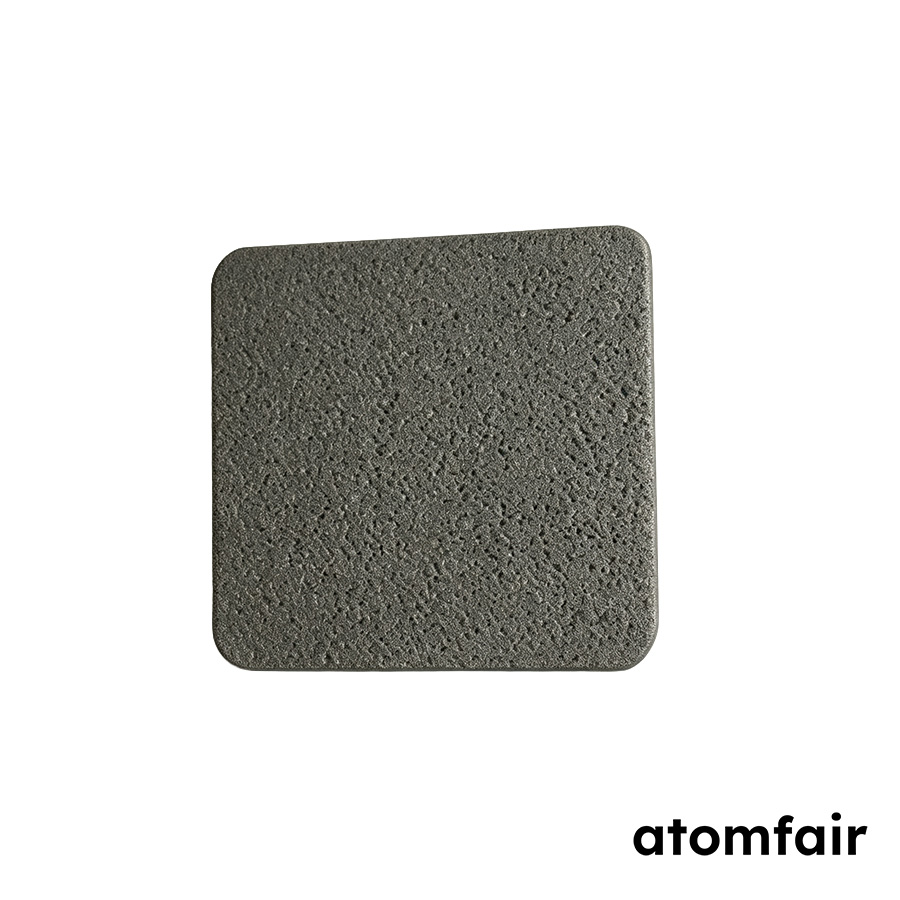
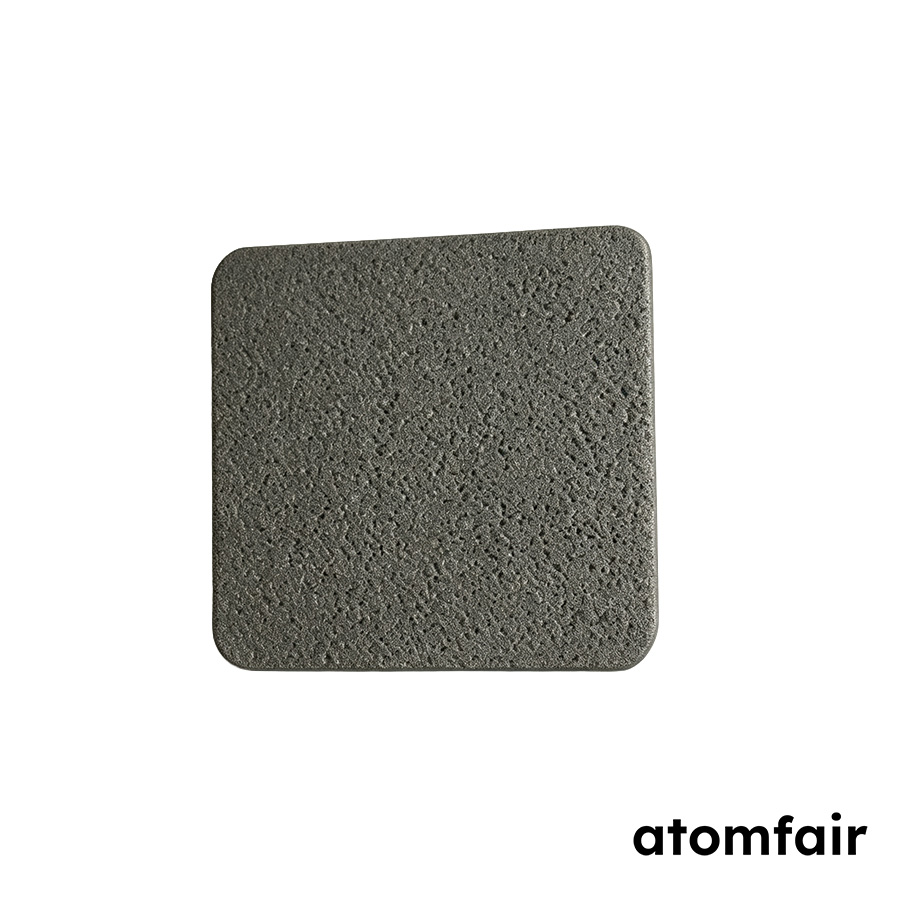
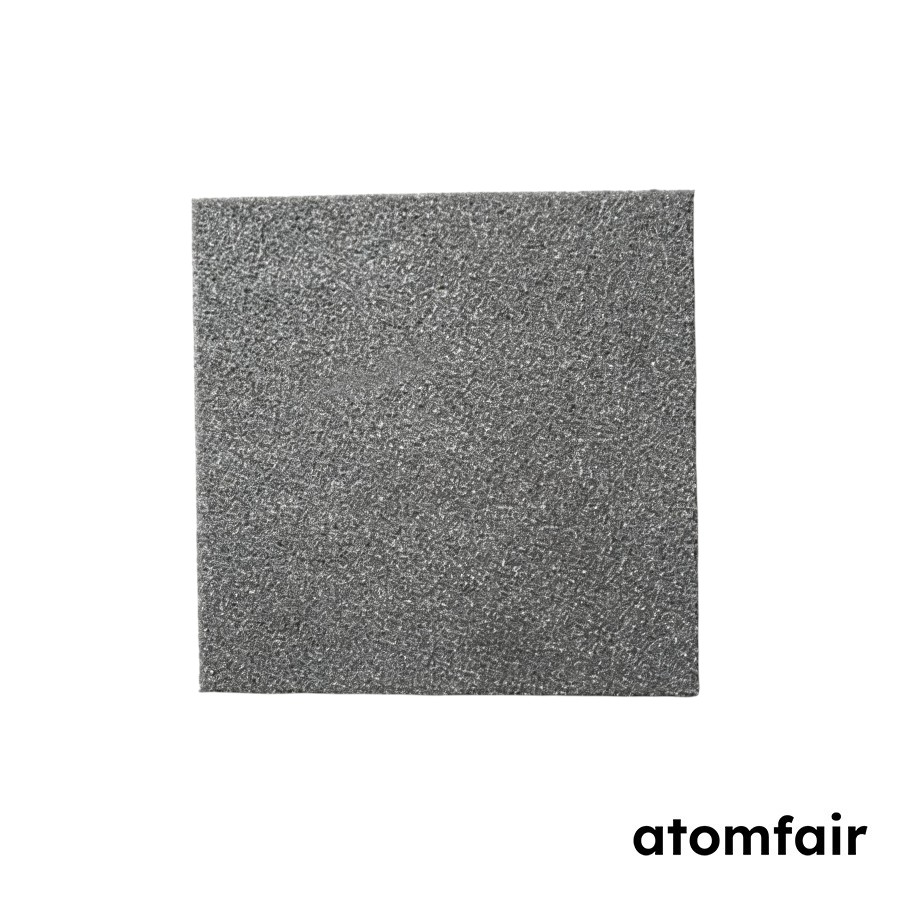
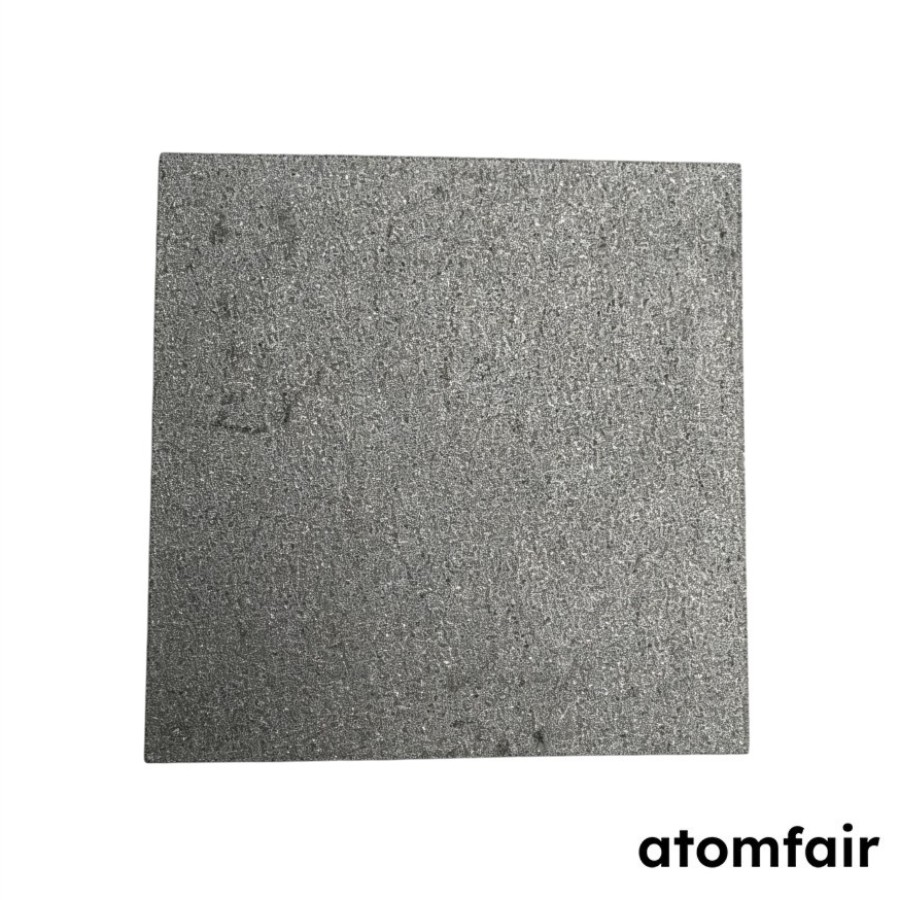
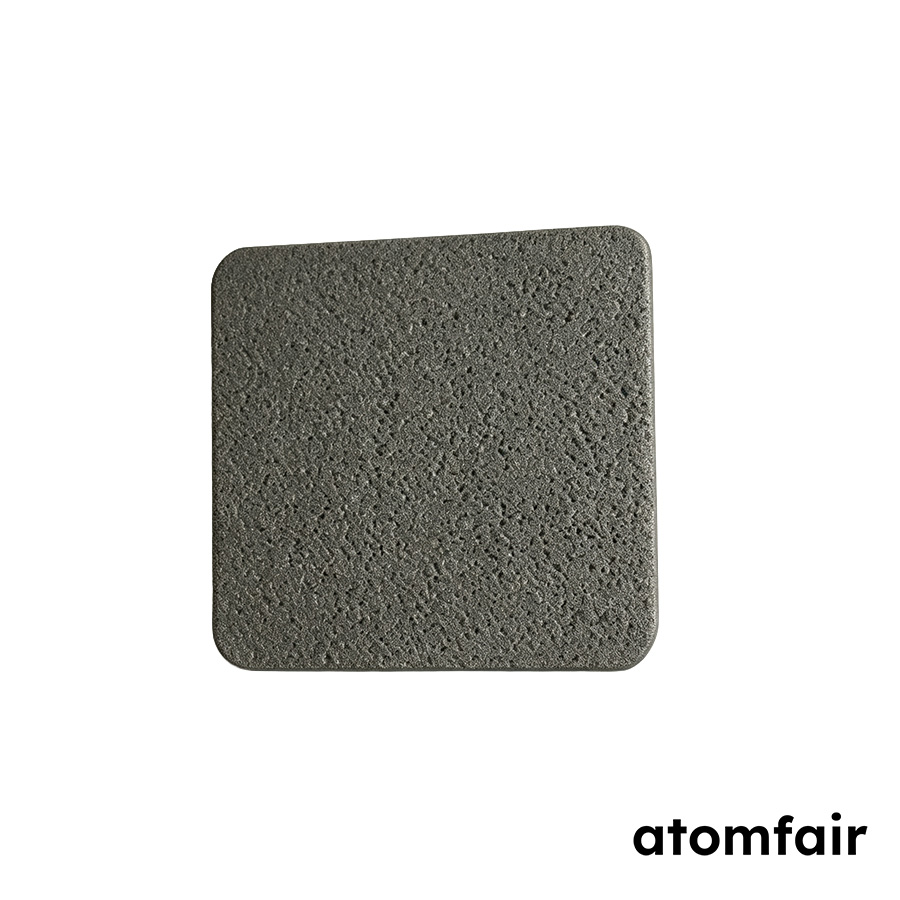
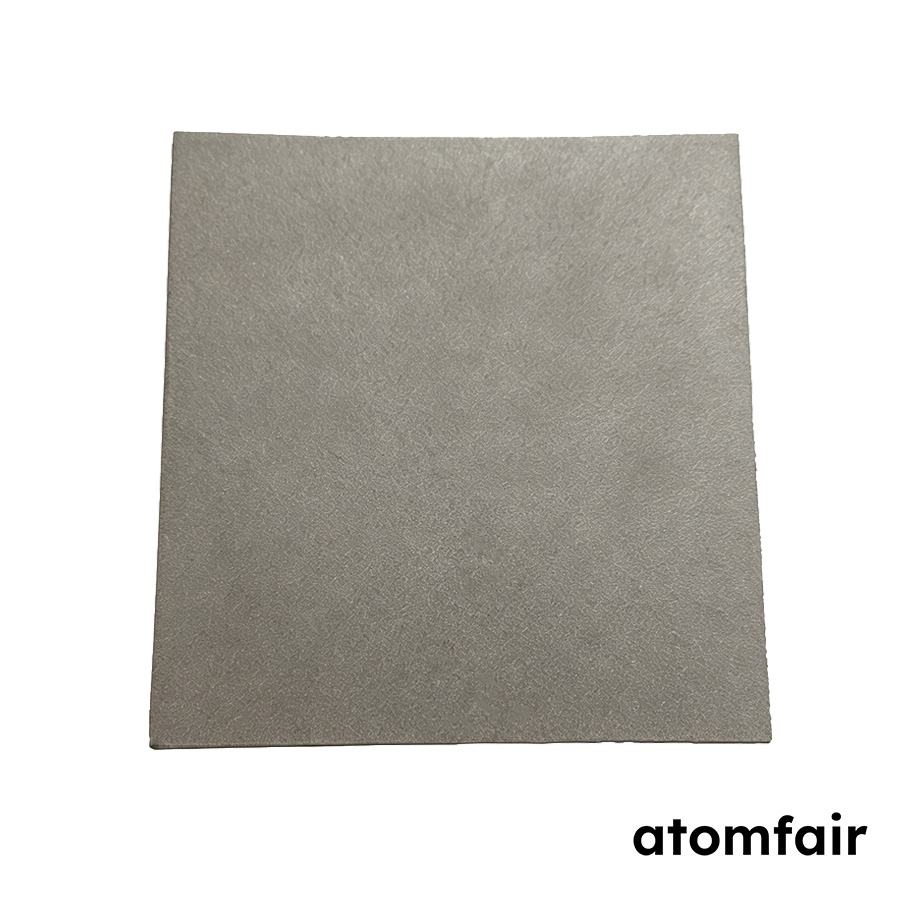
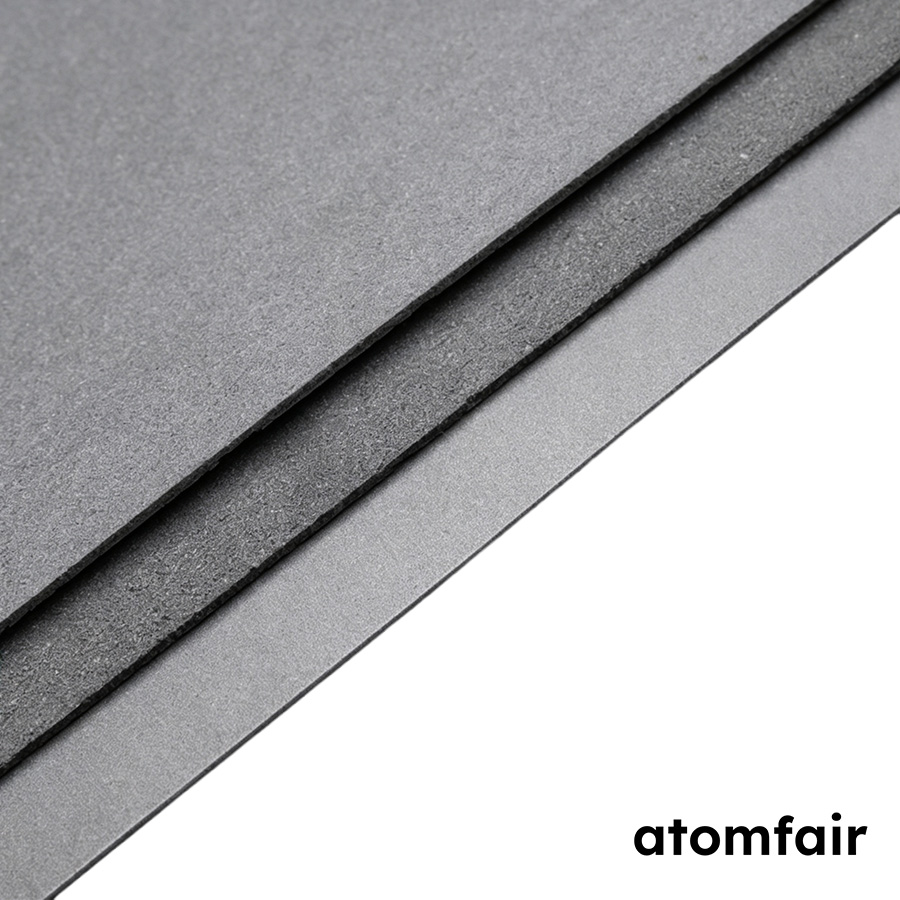
Sintered Titanium and Porous Titanium Foam Sheet, 20 µm Filtration Rating, 160 × 160 × 10 mm, 60 PPI, 1 Piece
Research-grade laboratory product
|
|||||||||||||||||||||||||||||||||||||||||||||||
|
|||||||||||||||||||||||||||||||||||||||||||||||
|
LABORATORY PROCUREMENT SUPPORT
For filtration accuracy, dimensional confirmation, material compatibility or custom configuration review, contact our technical sales team.
E-MAIL: inquiry@atomfair.com
|
|||||||||||||||||||||||||||||||||||||||||||||||
|
Manufacturer: Atomfair LLC
Brand: ATOMFAIR®
|
The sintered porous titanium sheet must be protected from crushing and contamination during handling, installation, and service. Media compatibility, operating pressure, temperature, target flow, and dimensional tolerance must be reviewed before installation.
- Mechanical protection: Protect the porous surface from crushing or impact during handling and assembly because mechanical damage can close the open-pore structure.
- Contamination prevention: Prevent surface contamination that could block the interconnected pores and compromise filtration flow.
- Process compatibility: Review media compatibility, operating pressure, temperature, target flow, and dimensional tolerance before installation or quotation.
- Cleaning selection: Select backflushing, steam, ultrasonic, or compatible chemical cleaning according to the process medium and operating procedure.
Place the titanium foam sheet into service while preserving its open-pore structure and surface cleanliness. Return the sheet to service only after process-appropriate cleaning removes accumulated fouling.
Required Equipment: Backflushing equipment, Steam cleaning equipment, Ultrasonic cleaner, Compatible chemical cleaning agents
- Inspect sheet
Inspect the sintered titanium foam sheet for crushing damage, contamination, or blocked pores before installation. - Confirm process compatibility
Confirm that the process medium, operating pressure, temperature, target flow, and dimensional tolerance are compatible with the sheet before installation. - Protect porous surfaces
Protect the porous surfaces from crushing and contamination during handling, assembly, and service. - Clean with appropriate method
Clean the sheet using backflushing, steam, ultrasonic, or compatible chemical procedures selected according to the process medium and operating procedure.
How does the 60 PPI cellular structure relate to the 20 µm filtration rating in this sintered titanium foam sheet?
PPI (pores per inch) describes the cellular pore density, while the micrometre value specifies filtration precision. The 60 PPI structure yields an approximate cell spacing of 0.42 mm and 35–45% porosity, but the 20 µm rating indicates the particle size retained. Both parameters must be reviewed together when matching the sheet to a specific separation or flow application.
Can the 160 × 160 × 10 mm sintered titanium foam sheet be machined or welded into custom assemblies?
Yes, the metallic titanium construction supports cutting, welding, and basic machining for integration into engineered assemblies. The sheet is supplied as a single 160 × 160 × 10 mm piece and can be modified to fit experimental or production filtration fixtures, provided the porous surface is protected from crushing during processing.
What are the recommended cleaning methods and maximum service temperature for this 20 µm porous titanium sheet?
Recommended cleaning methods include backflushing, steam, ultrasonic, or compatible chemical procedures, depending on the process medium. The recommended continuous service temperature is ≤300°C, above which the sintered titanium structure may degrade. Always confirm operating conditions against the sheet's dimensional and material tolerances before installation.
This sintered titanium foam sheet (160 × 160 × 10 mm, 20 µm filtration, 60 PPI) uses interconnected porosity (35–45%) to deliver low flow resistance and corrosion resistance up to 300°C, while supporting backflushing, steam, or ultrasonic cleaning. The porous surface requires protection from crushing and contamination, and the 300°C service limit restricts high-temperature deployment.
Positive
- Corrosion resistance and thermal stability: Titanium construction provides corrosion resistance and heat tolerance in compatible media, with a recommended service temperature up to 300°C, suitable for aggressive chemical and thermal process streams.
- Cleanability and reuse: The metallic porous structure supports backflushing, steam, ultrasonic, and compatible chemical cleaning procedures, enabling repeated use in filtration and separation cycles.
Trade-offs
- Handling sensitivity: The porous surface must be protected from crushing and contamination during handling, installation, and cleaning to avoid compromising filtration performance and structural integrity.
- Limited service temperature: The recommended service temperature is ≤300°C, which restricts use in high-temperature processes above this threshold without material degradation risk.
Every advanced material, component, equipment, and instrument in our catalog is backed by rigorous testing. We maintain strict internal quality management frameworks and align with CE conformity metrics to deliver transparent, reproducible performance data via our public open-science repository.
To request raw batch performance data, submit formal vendor registration paperwork, or execute a fast-turnaround R&D manufacturing loop, contact us at inquiry@atomfair.com.
Item is dispatched under the Atomfair Shipping & Delivery Framework (Free worldwide shipping on orders over $59 USD excl. heavy equipment). Return is governed by the Atomfair Return & Refund Policy (7-day technical return window).