|
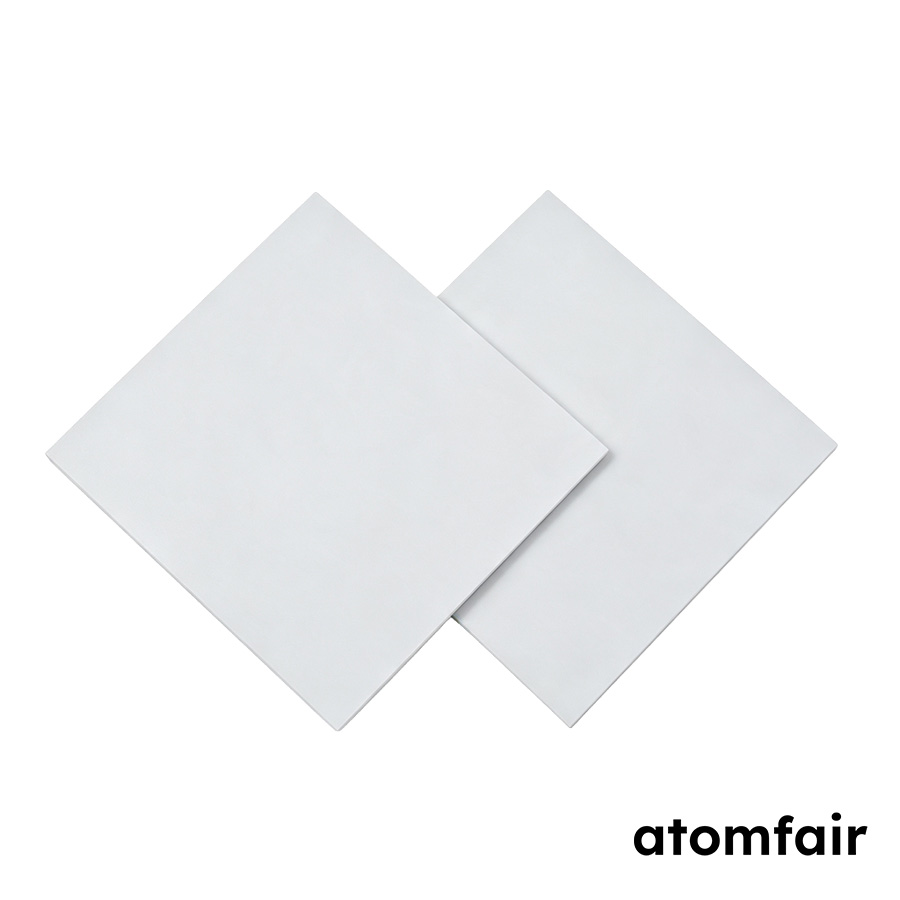
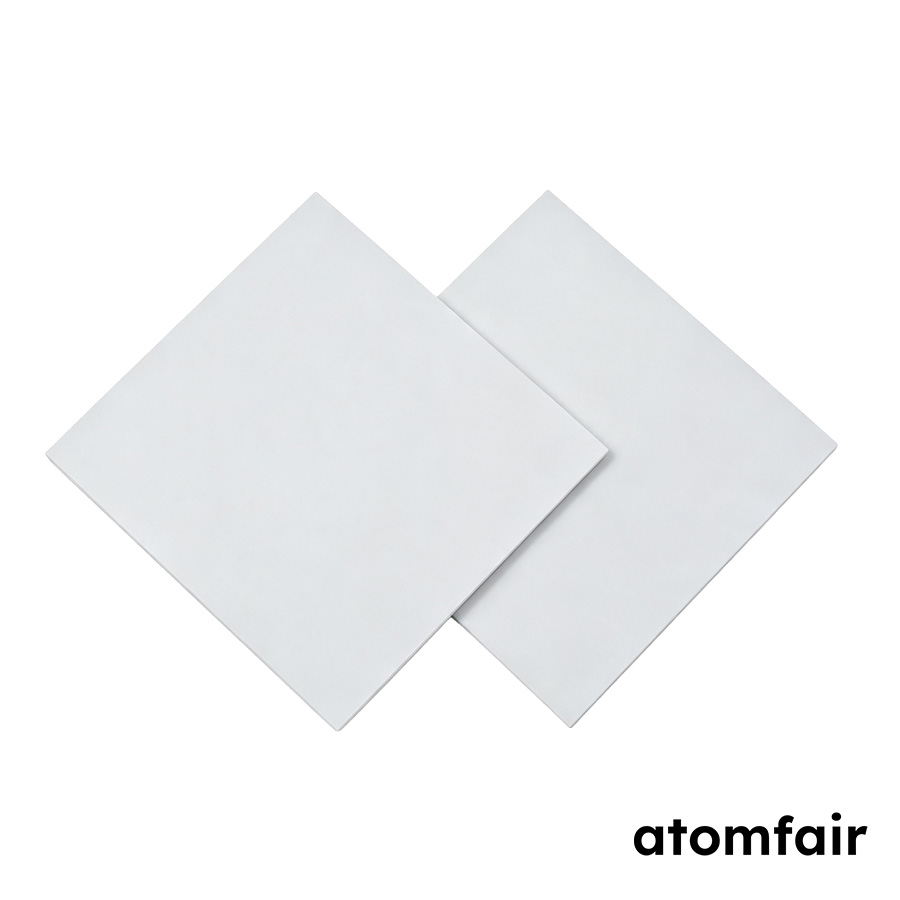
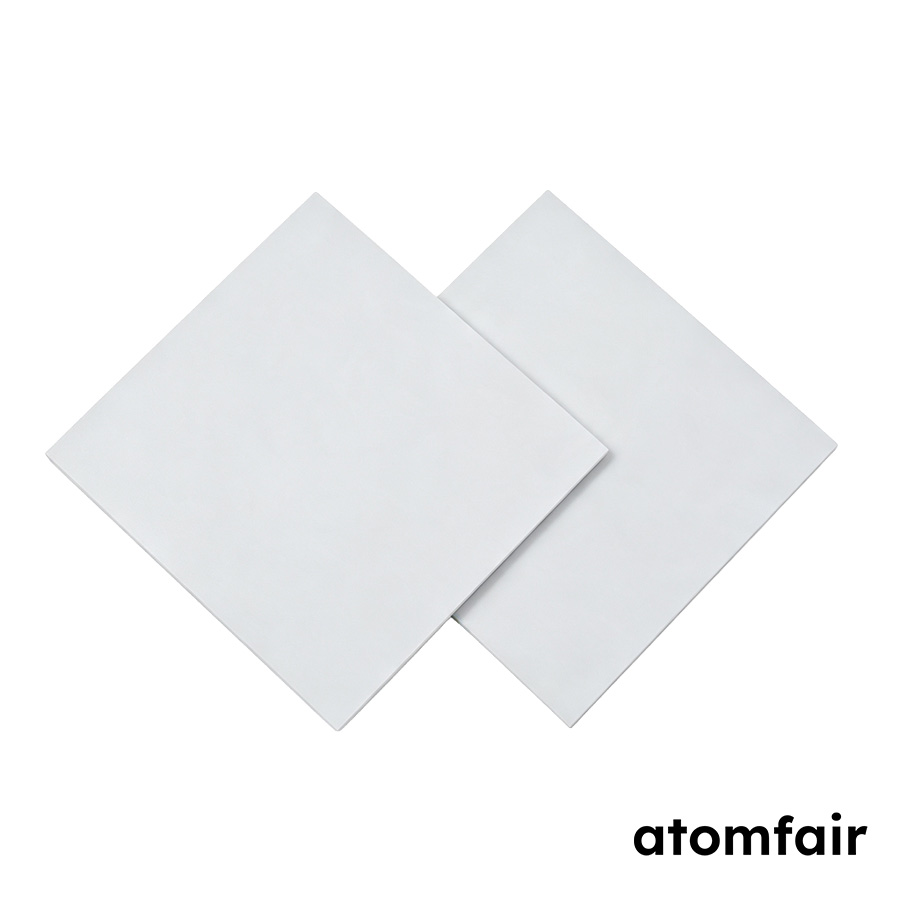
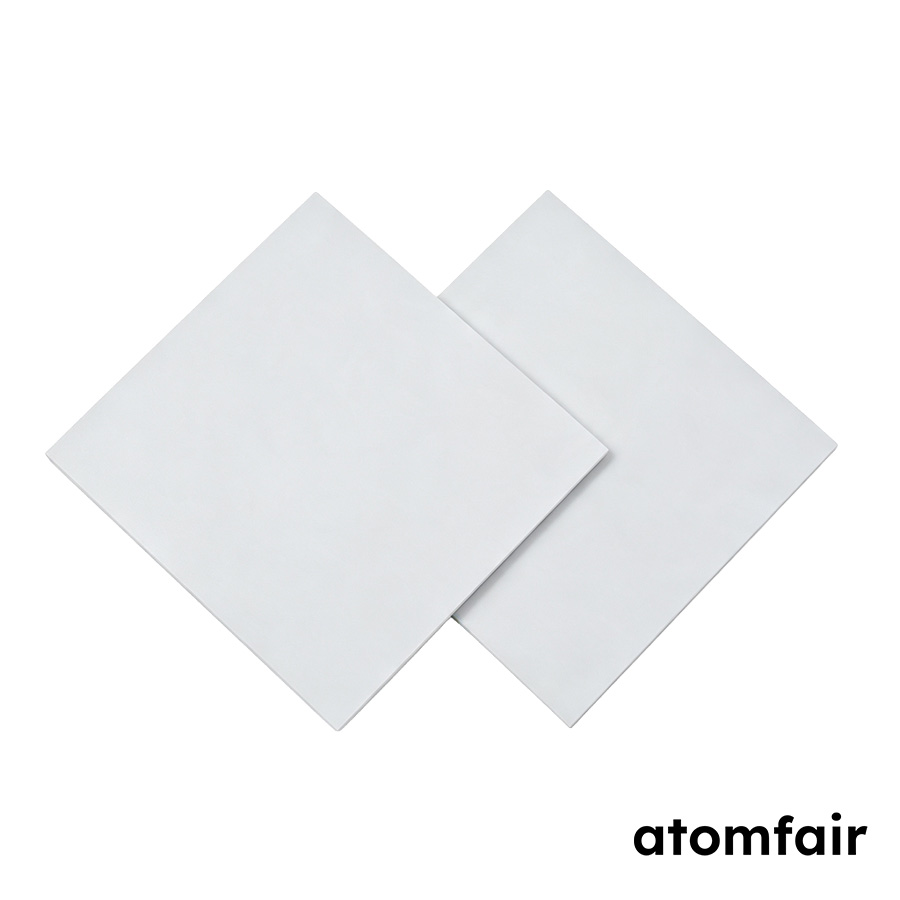
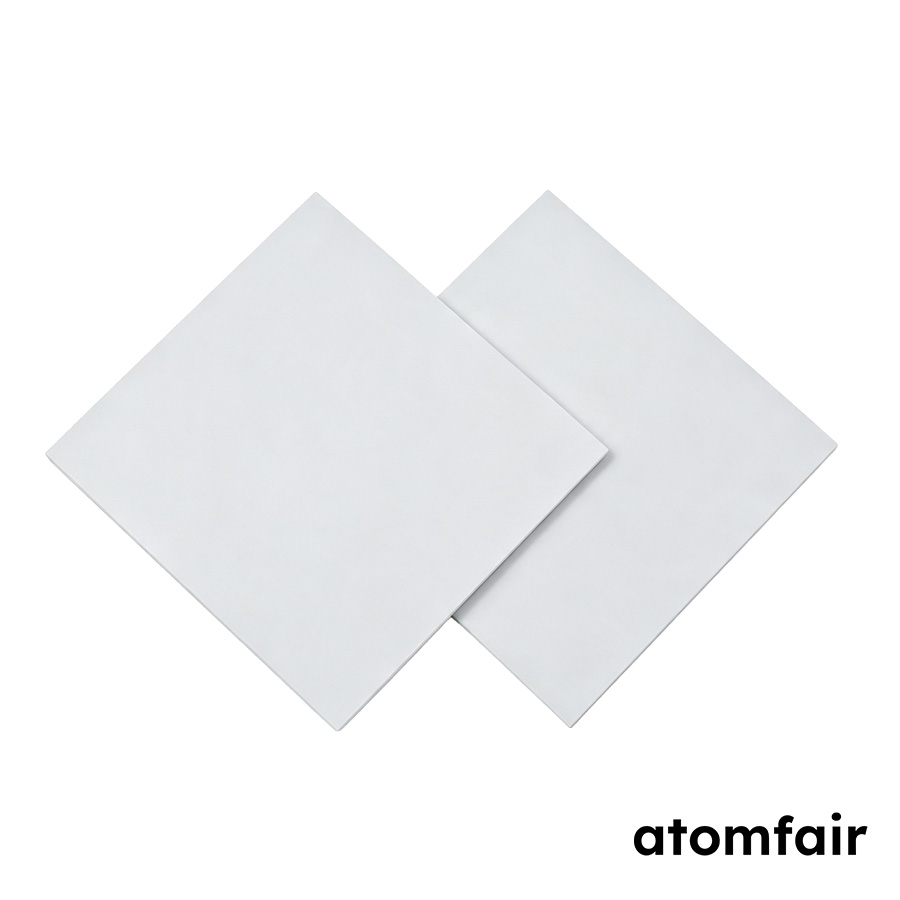
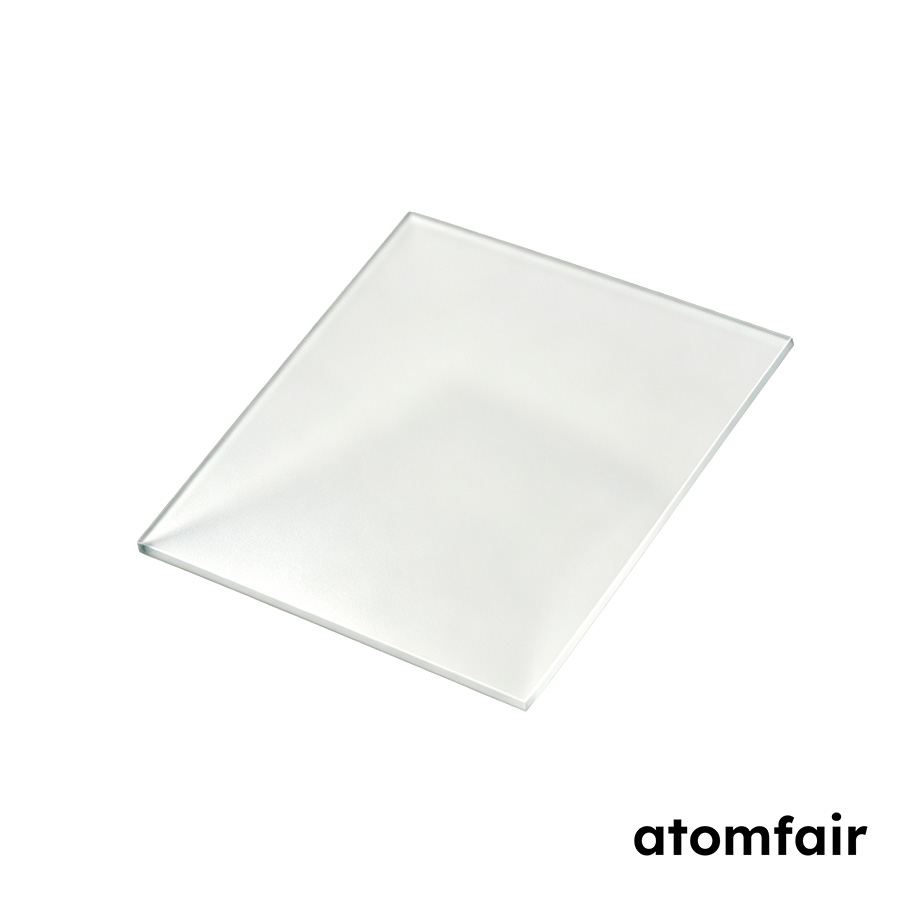
Lanthanum Aluminate Single Crystal Substrate, (100), SSP (10 pcs/box)
Product Type: LaAlO3 single crystal substrate
Research-grade laboratory product
|
|||||||||||||||||||||||||||||||||||||||||||||||||||||
|
|||||||||||||||||||||||||||||||||||||||||||||||||||||
|
LABORATORY PROCUREMENT SUPPORT
For material matching, specification review, model selection or configuration confirmation, contact our technical sales team.
E-MAIL: inquiry@atomfair.com
|
|||||||||||||||||||||||||||||||||||||||||||||||||||||
|
Manufacturer: Atomfair LLC
Brand: ATOMFAIR®
|
This substrate requires careful material matching and chemical handling to ensure successful thin-film deposition. The pseudo-cubic structure and twin domains impose specific constraints on processing conditions and film compatibility.
- Lattice Matching: Confirm that the substrate lattice constant (3.792 Å) matches the target thin-film material to minimize epitaxial strain.
- Chemical Stability: Avoid exposing the substrate to phosphoric acid above 150°C, as it is soluble under those conditions.
- Orientation Tolerance: Maintain the specified (100) orientation within ±0.5° tolerance to ensure proper epitaxial alignment.
- Twin Domains: Account for natural twin domains in polished substrates, which may affect film uniformity and require optimization of growth conditions.
- Thermal Expansion: Consider the thermal expansion coefficient (9.4×10⁻⁶/°C) during high-temperature annealing or deposition to prevent thermal stress cracking.
How do the natural twin domains in LaAlO3 substrates affect thin film epitaxy?
LaAlO3 substrates exhibit natural twin domains due to their pseudo-cubic crystal structure, which can introduce local orientation variations during epitaxial growth. The orientation tolerance is ±0.5°, and the lattice constant is 3.792 Å. For high-uniformity thin film applications, twin domains may require careful substrate selection or post-growth characterization.
What is the chemical compatibility of LaAlO3 substrates with common acids used in semiconductor processing?
LaAlO3 substrates are insoluble in mineral acids at room temperature, making them compatible with standard lithography and cleaning steps. However, they are soluble in H3PO4 above 150°C, so high-temperature phosphoric acid etching should be avoided. This chemical stability supports integration into multi-step fabrication workflows.
What are the dielectric and thermal properties of LaAlO3 substrates for microwave device applications?
LaAlO3 has a dielectric constant of 24.6 and a loss tangent of ~3×10⁻⁴ at 300 K, decreasing to ~0.6×10⁻⁴ at 77 K. Its thermal expansion coefficient is 9.4×10⁻⁶/°C and melting point is 2080°C. These parameters make it particularly attractive for low-loss microwave devices, especially at cryogenic temperatures where dielectric loss is minimized.
This Lanthanum Aluminate (LaAlO3) single crystal substrate, oriented (100) with SSP finish, offers a pseudo-cubic lattice constant of 3.792 Å and a dielectric constant of 24.6, making it suitable for epitaxial thin-film growth of perovskite oxides. The presence of natural twin domains and a brown-yellow to brown appearance depending on annealing condition are inherent material characteristics that must be accounted for in optical or structural characterization workflows.
Positive
- High-temperature stability for thin-film deposition: With a melting point of 2080°C and thermal expansion coefficient of 9.4 × 10⁻⁶ /°C, this substrate withstands high-temperature processing conditions common in pulsed laser deposition or molecular beam epitaxy.
- Low loss tangent at cryogenic temperatures: The loss tangent decreases from ~3 × 10⁻⁴ at 300 K to ~0.6 × 10⁻⁴ at 77 K, providing improved microwave performance for low-temperature device applications.
Trade-offs
- Natural twin domains affect uniformity: Polished substrates exhibit natural twin domains, which may introduce structural inhomogeneities that complicate epitaxial film quality assessment or require additional characterization.
- Chemical etching requires hot phosphoric acid: The substrate is insoluble in mineral acids at room temperature and requires H₃PO₄ above 150°C for dissolution, limiting wet-chemical processing options and necessitating specialized handling protocols.
Every advanced material, component, equipment, and instrument in our catalog is backed by rigorous testing. We maintain strict internal quality management frameworks and align with CE conformity metrics to deliver transparent, reproducible performance data via our public open-science repository.
To request raw batch performance data, submit formal vendor registration paperwork, or execute a fast-turnaround R&D manufacturing loop, contact us at inquiry@atomfair.com.
Item is dispatched under the Atomfair Shipping & Delivery Framework (Free worldwide shipping on orders over $59 USD excl. heavy equipment). Return is governed by the Atomfair Return & Refund Policy (7-day technical return window).