|
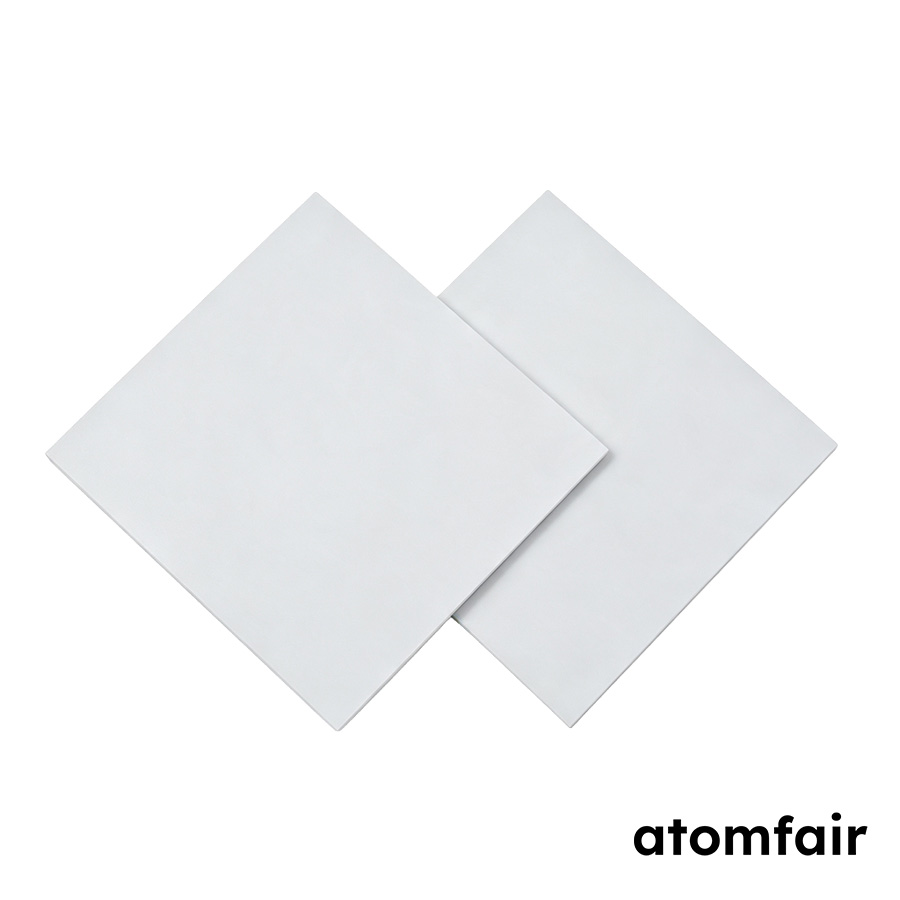
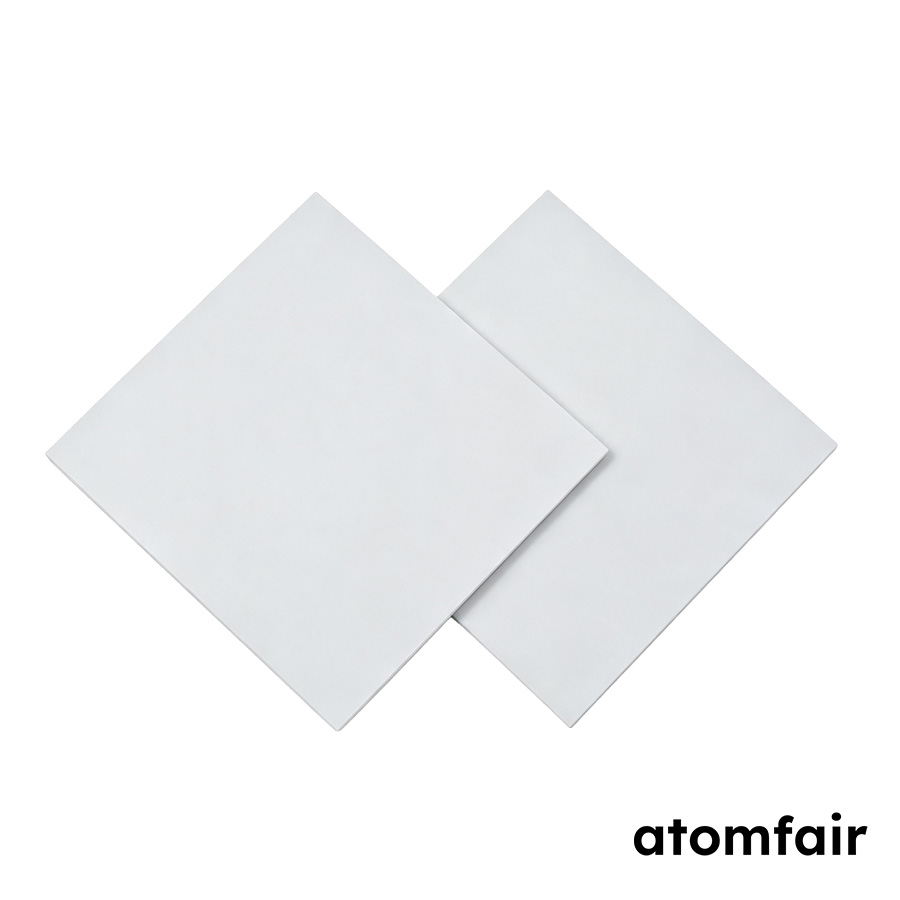
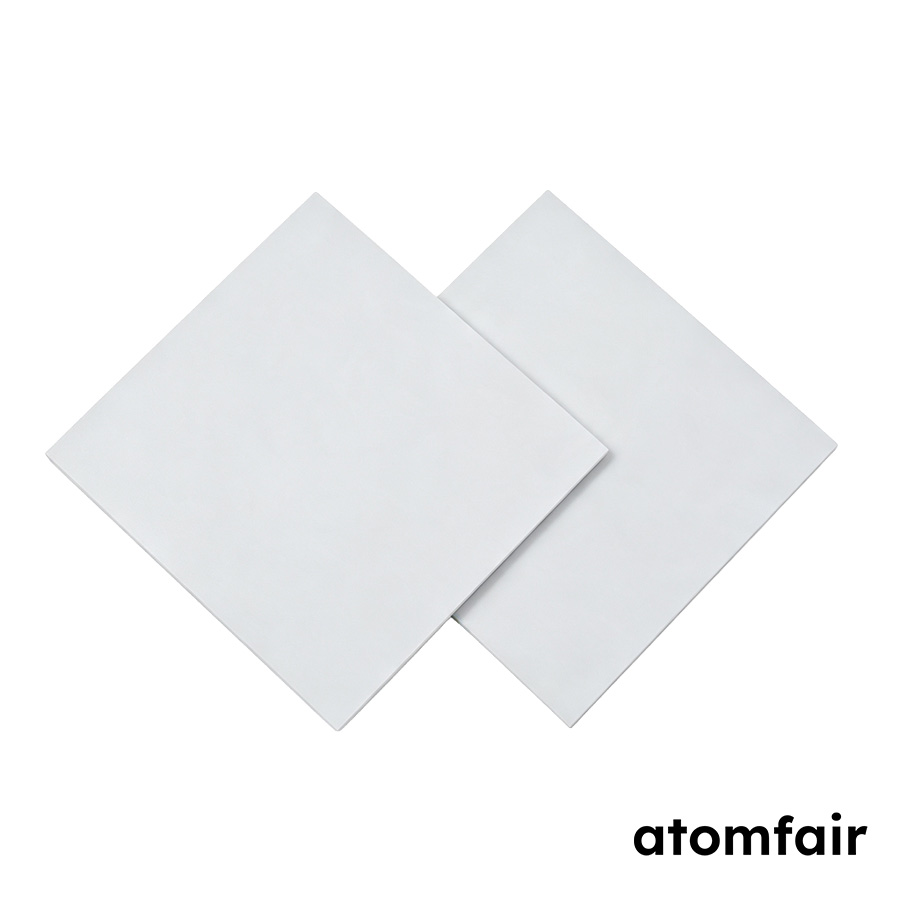
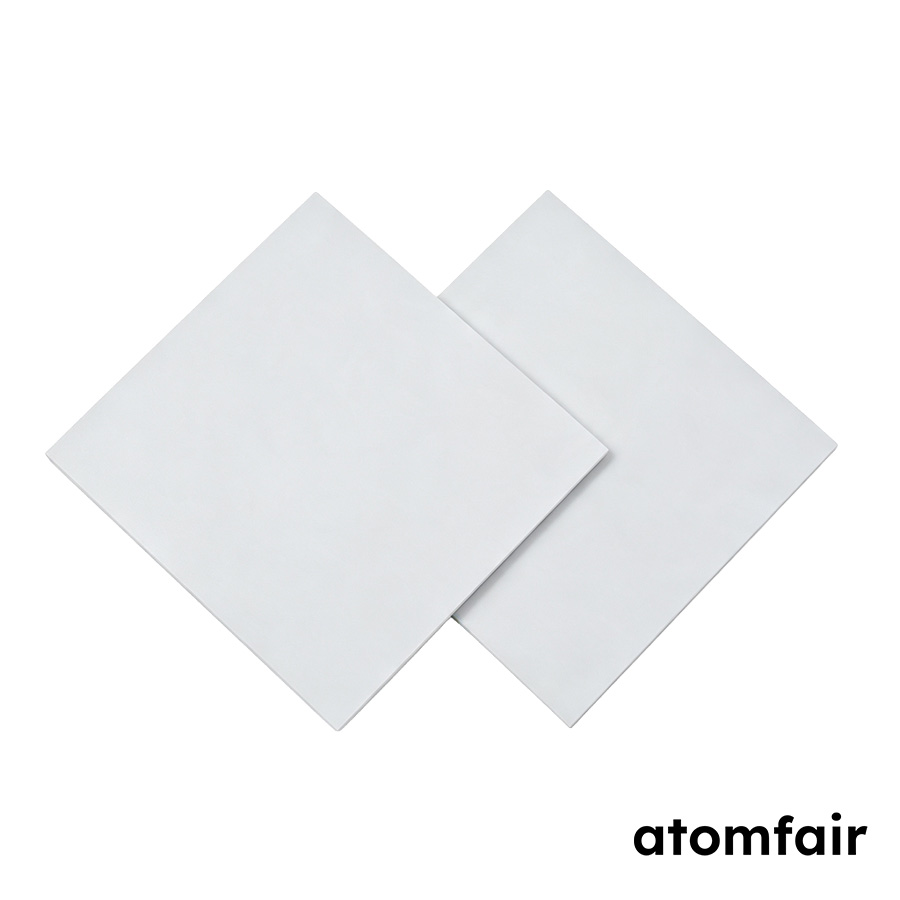
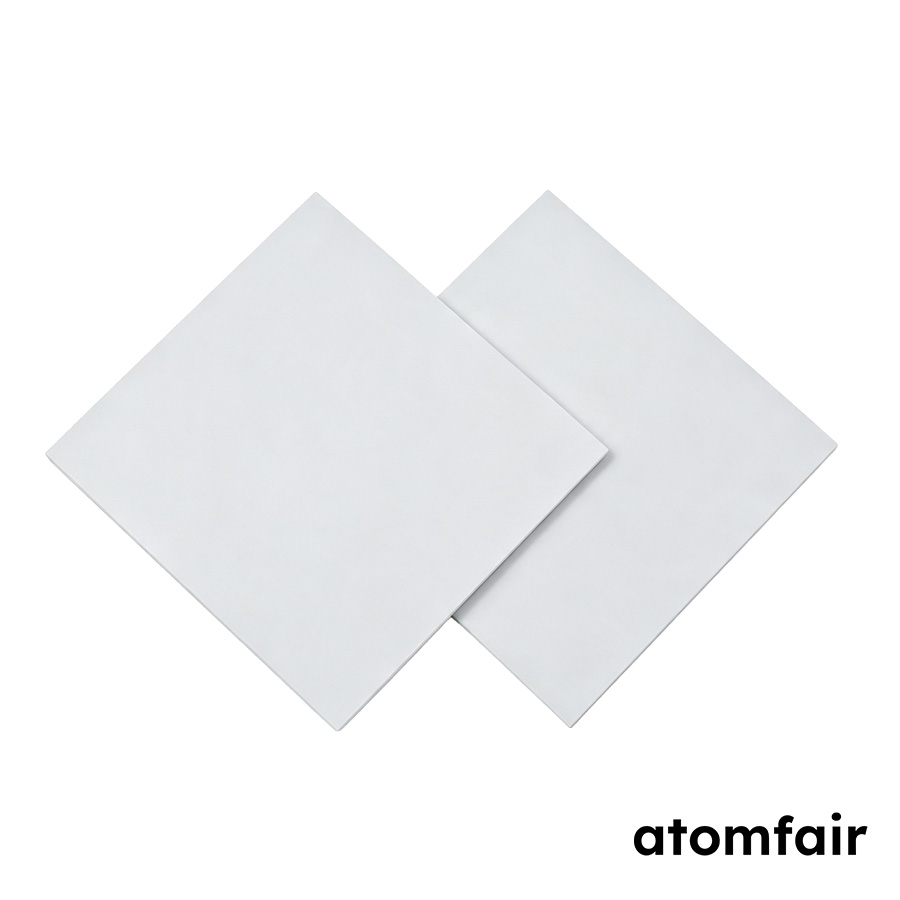
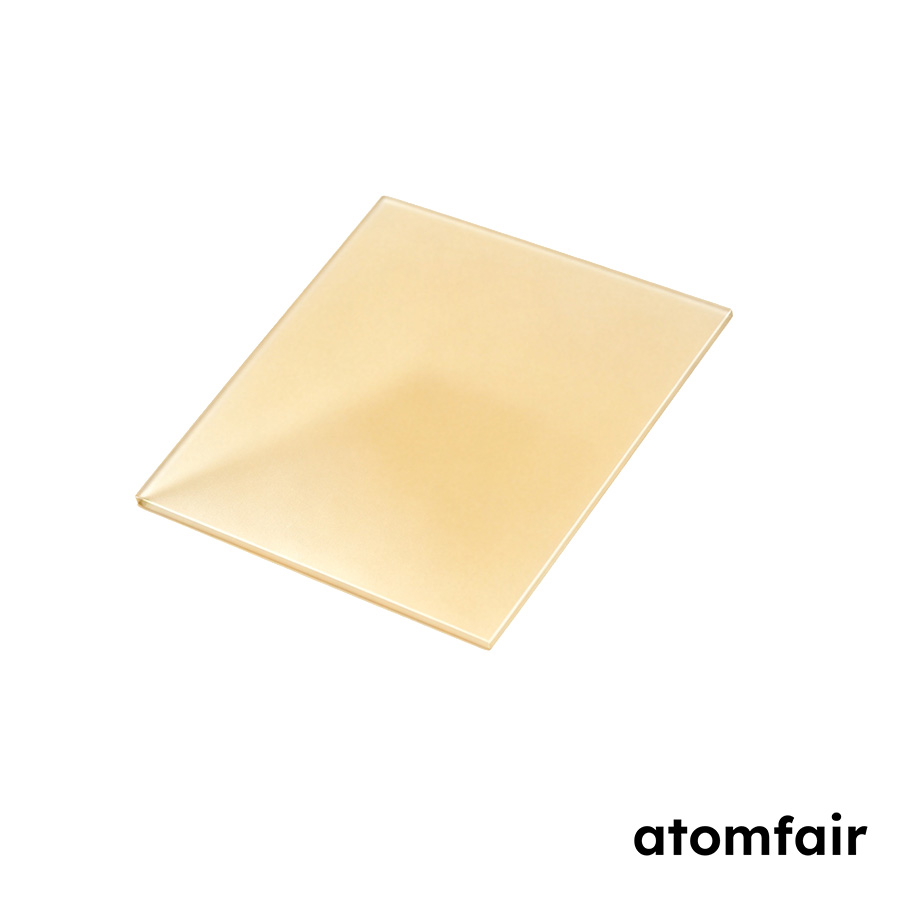
LSAT Single Crystal Substrate, (111), DSP (10 pcs/box)
Product Type: LSAT single crystal substrate
Research-grade laboratory product
|
|||||||||||||||||||||||||||||||||||||||||||||||||||
|
|||||||||||||||||||||||||||||||||||||||||||||||||||
|
LABORATORY PROCUREMENT SUPPORT
For material matching, specification review, model selection or configuration confirmation, contact our technical sales team.
E-MAIL: inquiry@atomfair.com
|
|||||||||||||||||||||||||||||||||||||||||||||||||||
|
Manufacturer: Atomfair LLC
Brand: ATOMFAIR®
|
Confirm that the selected LSAT substrate material and crystal family match the target thin-film or device workflow before processing. Verify the chosen specification option, including orientation, dimensions, thickness, polishing condition, offcut, and quantity, before use.
- Material Workflow Matching: Confirm that the selected substrate material and crystal family match the target thin-film or device workflow before requesting a quotation.
- Specification Confirmation: Verify the selected size, thickness, polishing condition, offcut details, quantity, and any custom requirements before processing.
- Surface Preservation: Protect the polished substrate surfaces from scratches, particulate contamination, and direct handling to preserve the as-received finish.
- Twin Domain Inspection: Inspect the substrate for twins or visible domains before use because the product specification requires twin-free material.
- Crystallographic Alignment: Confirm that the crystallographic orientation and any offcut are compatible with the planned epitaxial or device alignment.
What impact does the surface roughness (Ra < 5Å) and orientation tolerance (±0.5°) have on thin-film epitaxy quality on LSAT (111) substrates?
The ultra-low surface roughness (Ra < 5Å) minimizes scattering and defect nucleation at the interface, while the tight orientation tolerance (±0.5°) ensures consistent crystallographic alignment for epitaxial growth. These specifications are critical for achieving high-quality, twin-free thin films on LSAT substrates.
How does the lattice constant of 3.868 Å for LSAT (111) substrates match with common perovskite oxide thin films for heteroepitaxy?
LSAT has a cubic lattice constant of 3.868 Å, which is closely lattice-matched to many functional perovskite oxides such as SrTiO₃ (3.905 Å) and LaAlO₃ (3.789 Å), making it a versatile substrate for epitaxial growth of complex oxide heterostructures. The exact mismatch should be calculated for the specific film composition.
What are the recommended handling and storage conditions to preserve the twin-free, domain-free surface of LSAT single crystal substrates?
LSAT substrates are supplied with a DSP finish and are twin-free with no visible domains. To maintain surface quality, substrates should be stored in a clean, dry environment, preferably in the original packaging, and handled with clean tweezers to avoid contamination. The appearance may vary from dark brown to light yellow depending on annealing history, but this does not affect performance.
LSAT (111) DSP single crystal substrate with cubic perovskite structure, lattice constant 3.868Å, melting point 1840°C, and Ra<5Å surface finish, suitable for epitaxial growth of complex oxide thin films. The twin-free, no-domain appearance and tight orientation tolerance (±0.5°) support high-quality deposition, but the maximum substrate size of 10×10 mm and material-specific lattice matching requirements must be evaluated for target applications.
Positive
- High thermal stability: Melting point of 1840°C and thermal expansion coefficient of 10×10⁻⁶/K enable compatibility with high-temperature thin-film deposition processes.
- Twin-free, low-roughness surface: Twin-free with no visible domains and surface roughness Ra < 5Å provide an ideal template for epitaxial growth of high-quality thin films.
Trade-offs
- Limited substrate size: Available only in 10×10×0.5 mm and 5×5×0.5 mm dimensions, constraining use for larger-area device fabrication or wafer-scale processing.
- Material matching required: Lattice constant (a=3.868Å) and perovskite composition require careful matching with target thin-film materials to avoid lattice mismatch and strain.
Every advanced material, component, equipment, and instrument in our catalog is backed by rigorous testing. We maintain strict internal quality management frameworks and align with CE conformity metrics to deliver transparent, reproducible performance data via our public open-science repository.
To request raw batch performance data, submit formal vendor registration paperwork, or execute a fast-turnaround R&D manufacturing loop, contact us at inquiry@atomfair.com.
Item is dispatched under the Atomfair Shipping & Delivery Framework (Free worldwide shipping on orders over $59 USD excl. heavy equipment). Return is governed by the Atomfair Return & Refund Policy (7-day technical return window).