|
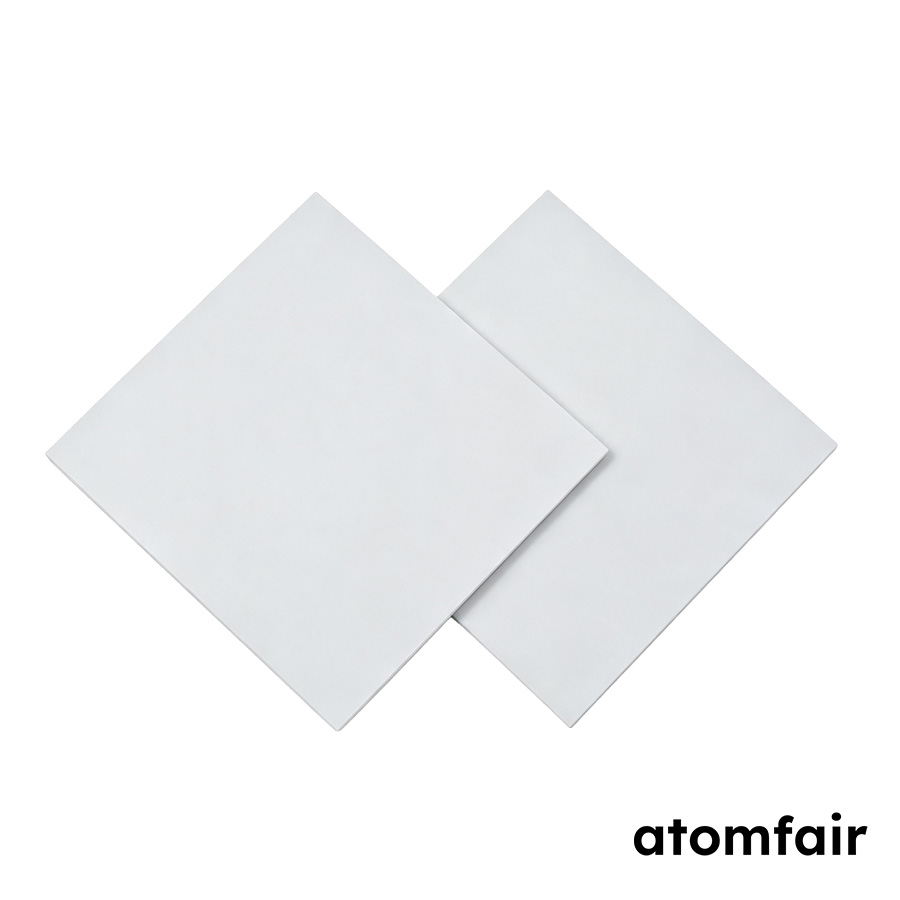
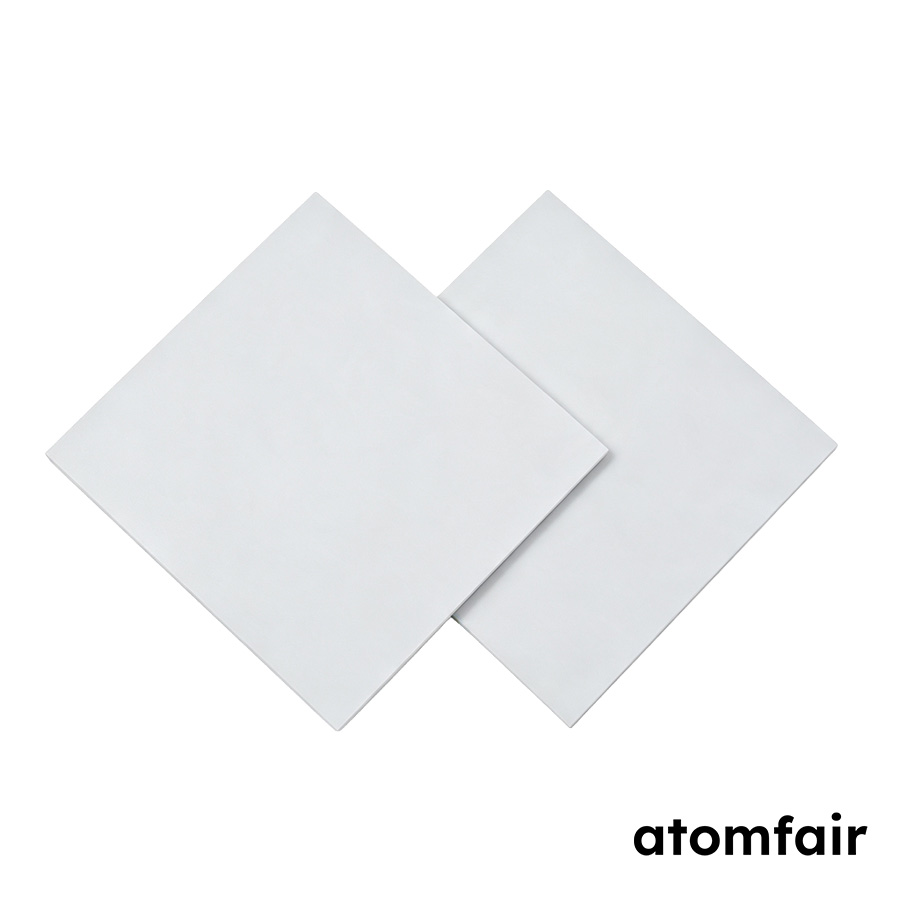
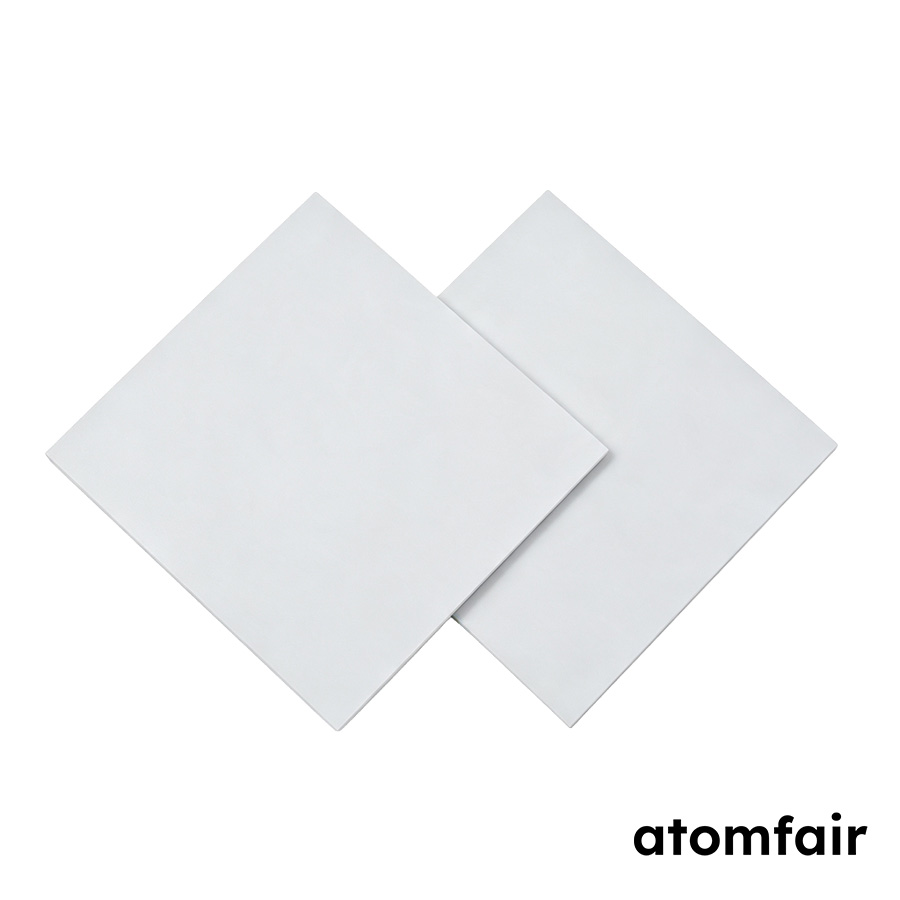
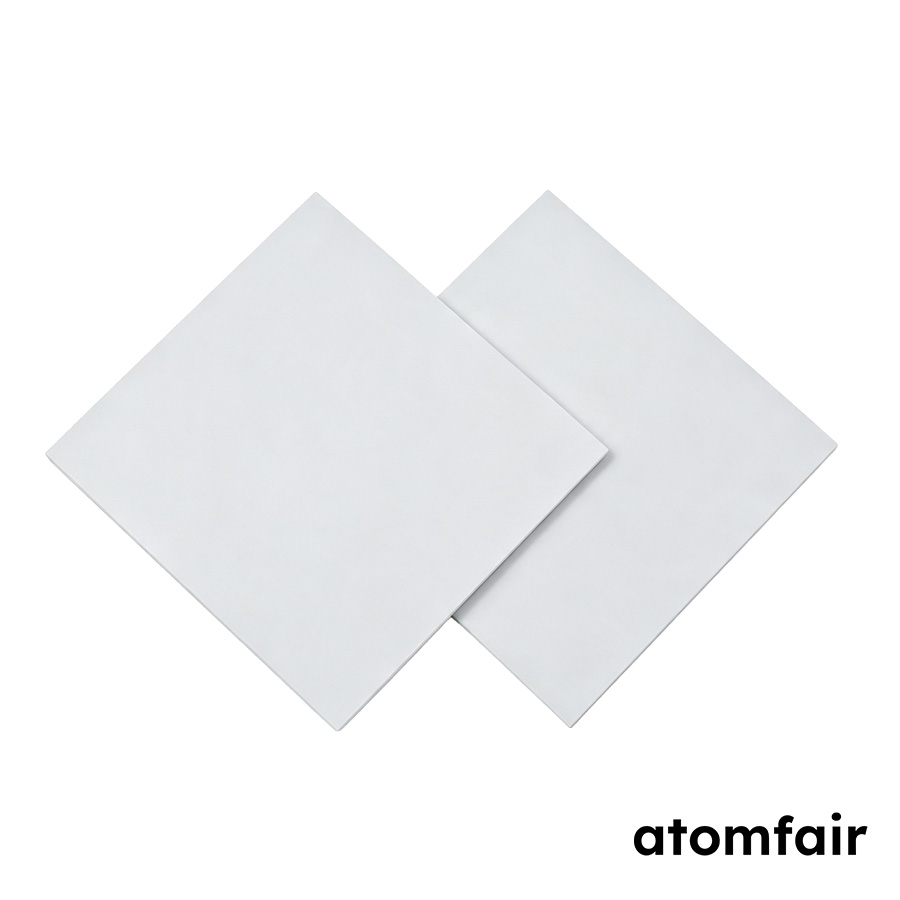
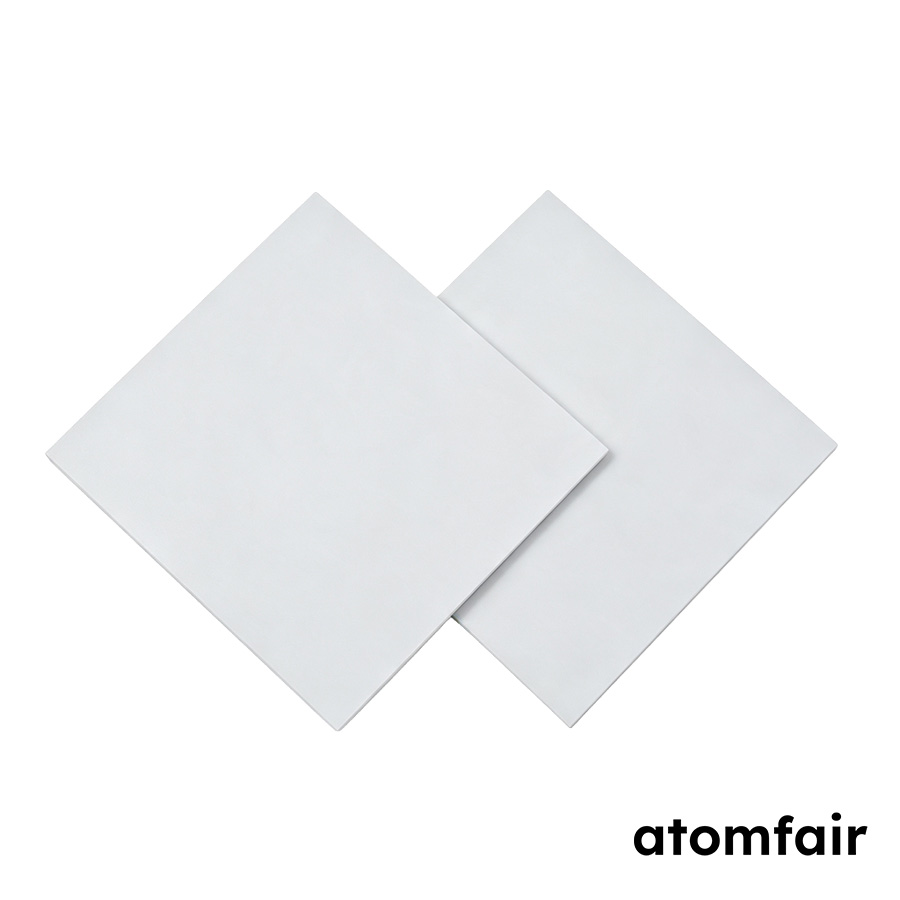
LSAT Single Crystal Substrate, (110), SSP (10 pcs/box)
Product Type: LSAT single crystal substrate
Research-grade laboratory product
|
|||||||||||||||||||||||||||||||||||||||||||||||||||
|
|||||||||||||||||||||||||||||||||||||||||||||||||||
|
LABORATORY PROCUREMENT SUPPORT
For material matching, specification review, model selection or configuration confirmation, contact our technical sales team.
E-MAIL: inquiry@atomfair.com
|
|||||||||||||||||||||||||||||||||||||||||||||||||||
|
Manufacturer: Atomfair LLC
Brand: ATOMFAIR®
|
What is the surface roughness specification of the LSAT (110) substrate and how does it affect thin-film deposition quality?
The LSAT (110) substrate has a surface roughness of Ra < 5Å, as specified in the product datasheet. This ultra-smooth surface is critical for achieving high-quality epitaxial growth of thin films, as it minimizes defect nucleation and ensures uniform layer formation.
What is the dielectric constant of the LSAT (110) substrate and why is it relevant for high-frequency device applications?
The LSAT (110) substrate has a dielectric constant of 22, as stated in the technical specifications. This moderate dielectric constant makes it suitable for microwave and RF device applications where substrate permittivity influences impedance matching and signal propagation.
What is the orientation tolerance of the LSAT (110) substrate and how does it impact the crystalline alignment of deposited films?
The LSAT (110) substrate has an orientation tolerance of ±0.5°, as per the product specification. This tight tolerance ensures precise crystallographic alignment for the deposited thin film, reducing misfit dislocations and preserving the intended epitaxial relationship.
This LSAT (110) single crystal substrate offers a twin-free, low-roughness surface with a cubic lattice constant of 3.868Å, making it suitable for epitaxial growth of oxide thin films. However, the limited size options and appearance variability depending on annealing condition are practical constraints for lab deployment.
Positive
- High crystalline quality and twin-free structure: The LSAT substrate is twin-free with no visible domains, ensuring a uniform surface for epitaxial thin-film growth. Surface roughness below 5Å supports high-quality interfaces.
- Matched lattice constant for epitaxy: With a cubic lattice constant of 3.868Å, this substrate is suitable for lattice-matched growth of perovskite-type thin films, minimizing misfit dislocations.
Trade-offs
- Limited substrate size options: The substrate is offered only in 5×5×0.5 mm and 10×10×0.5 mm dimensions, which may restrict sample area and require careful handling for device fabrication.
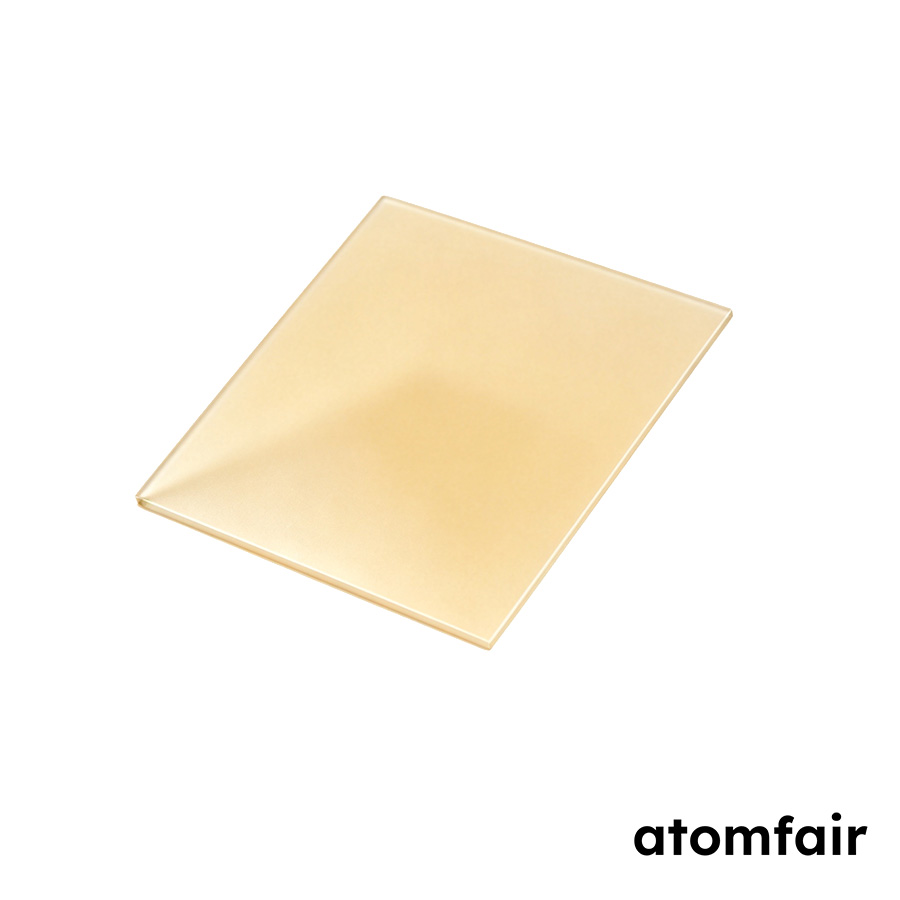
- Appearance variability with annealing: The substrate color varies from dark brown to light yellow depending on annealing condition, indicating potential batch-to-batch optical property differences that may affect in-situ monitoring.
Every advanced material, component, equipment, and instrument in our catalog is backed by rigorous testing. We maintain strict internal quality management frameworks and align with CE conformity metrics to deliver transparent, reproducible performance data via our public open-science repository.
To request raw batch performance data, submit formal vendor registration paperwork, or execute a fast-turnaround R&D manufacturing loop, contact us at inquiry@atomfair.com.
Item is dispatched under the Atomfair Shipping & Delivery Framework (Free worldwide shipping on orders over $59 USD excl. heavy equipment). Return is governed by the Atomfair Return & Refund Policy (7-day technical return window).