|
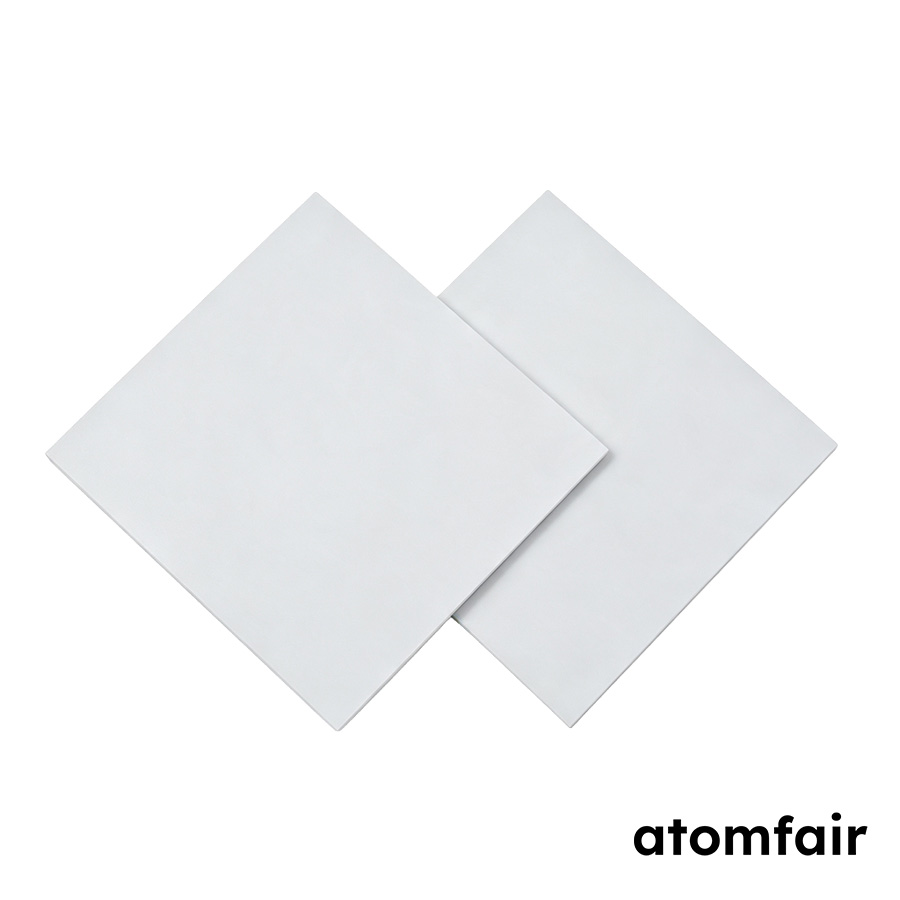
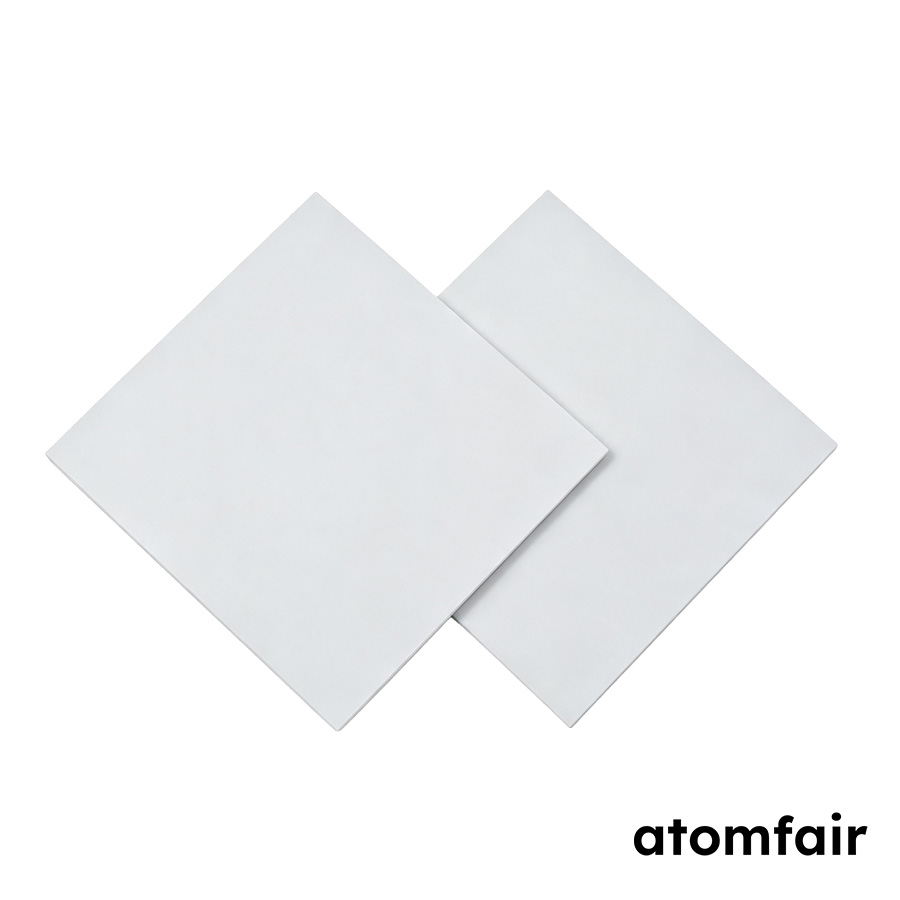
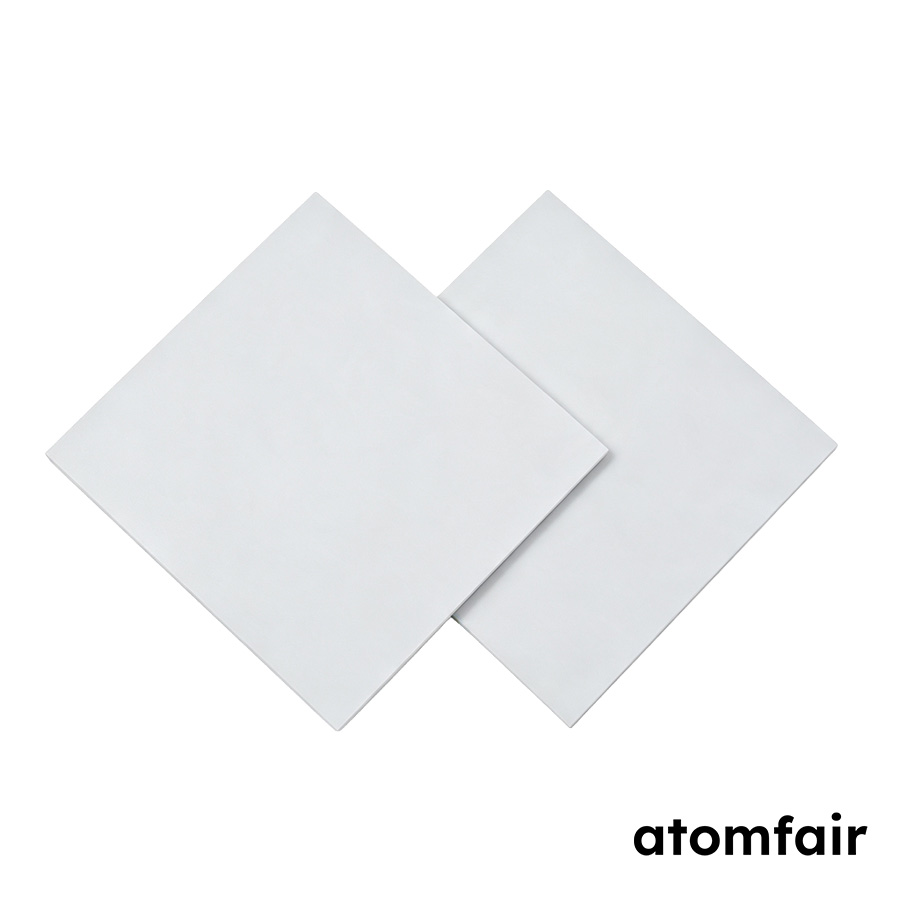
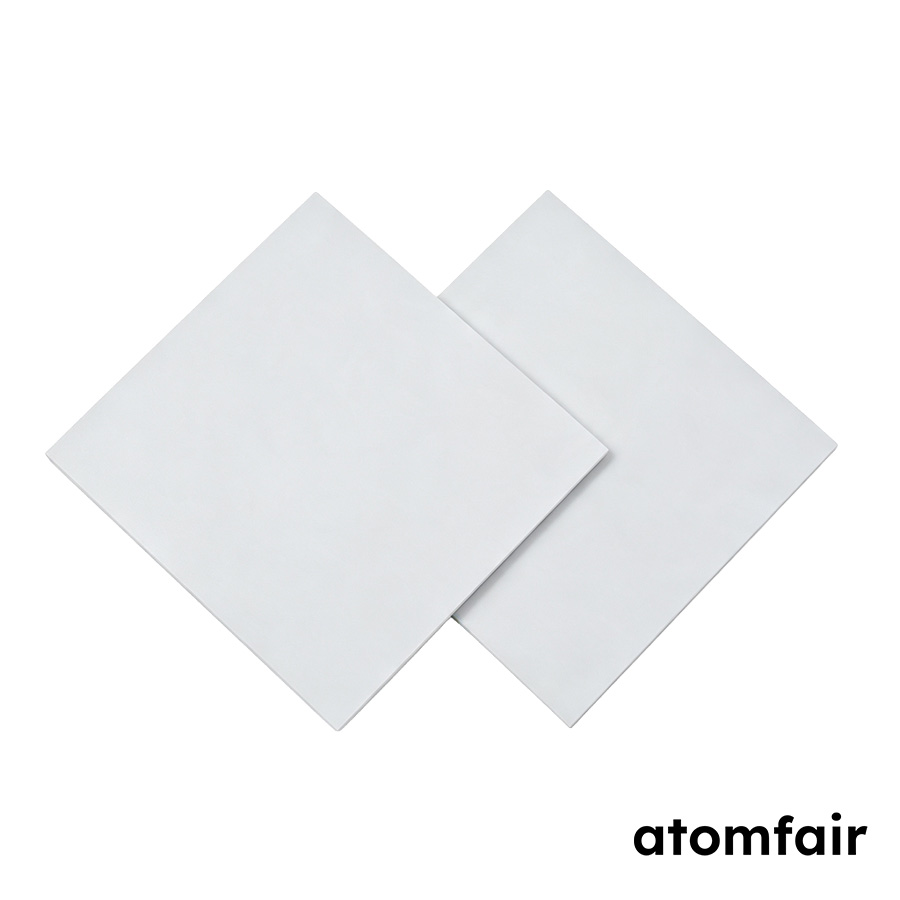
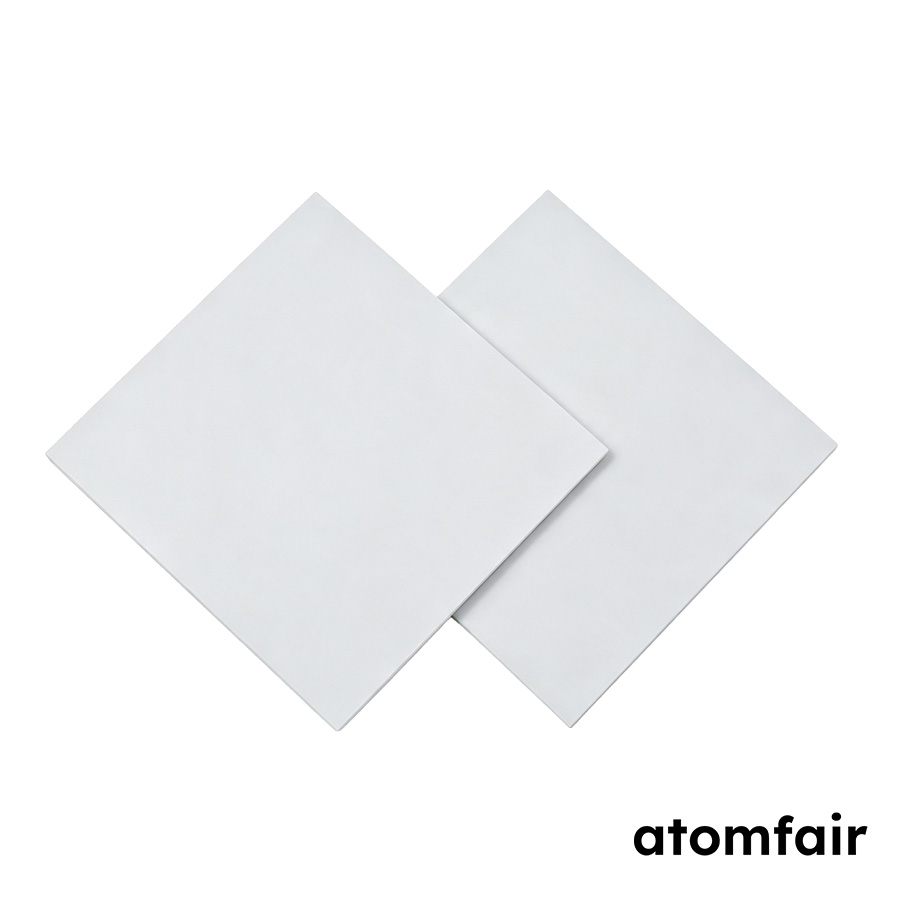
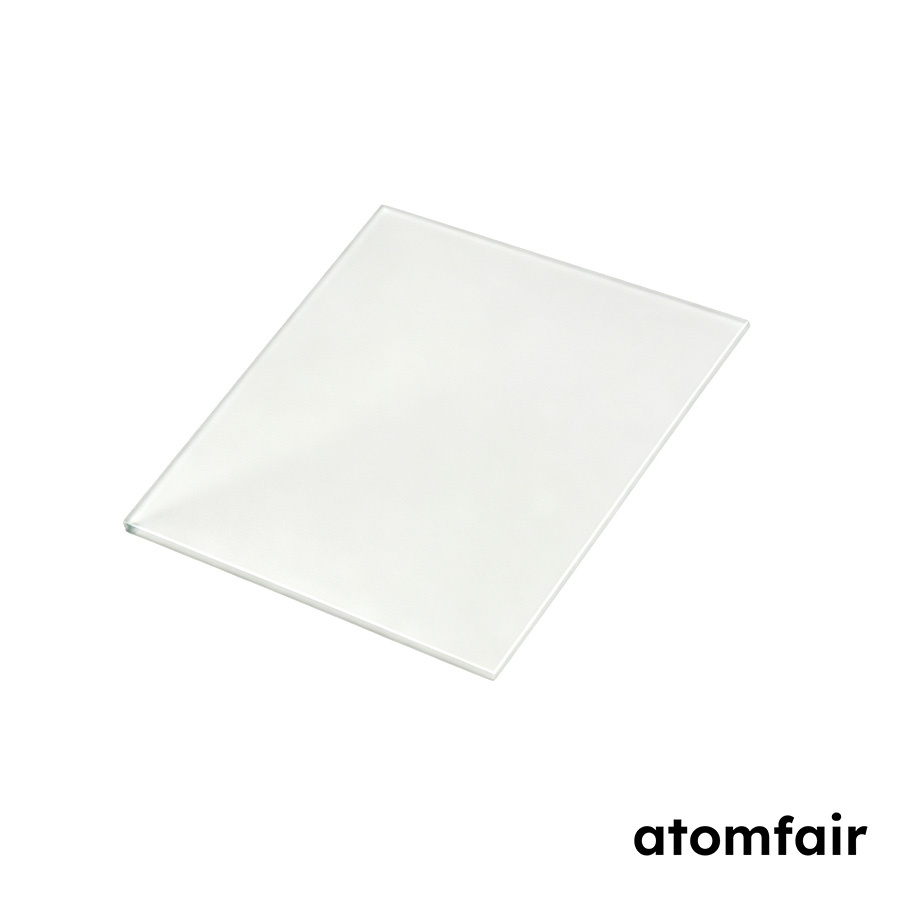
Magnesium Oxide Single Crystal Substrate, (100), SSP (10 pcs/box)
Product Type: MgO single crystal substrate
Research-grade laboratory product
|
|||||||||||||||||||||||||||||||||||||||||||||||||
|
|||||||||||||||||||||||||||||||||||||||||||||||||
|
LABORATORY PROCUREMENT SUPPORT
For material matching, specification review, model selection or configuration confirmation, contact our technical sales team.
E-MAIL: inquiry@atomfair.com
|
|||||||||||||||||||||||||||||||||||||||||||||||||
|
Manufacturer: Atomfair LLC
Brand: ATOMFAIR®
|
What is the optical transmission of the MgO (100) substrate across the UV and visible spectrum?
The MgO single crystal substrate (100) exhibits >90% optical transmission in the 200–400 nm UV range and >98% transmission in the 500–1000 nm visible to near-IR range, as specified in the product datasheet. This high transmission makes it suitable for UV-transparent window applications or as a substrate for optical coatings requiring low absorption in these bands.
How do I confirm that the MgO (100) substrate is compatible with my thin-film deposition workflow?
The product description explicitly advises confirming material matching, orientation, dimensions, and polishing conditions with the technical sales team before quotation. Key parameters for evaluating epitaxial compatibility include the cubic crystal structure and lattice constant of 4.216 Å, which are provided in the technical specifications. Contact Atomfair at inquiry@atomfair.com for application-specific guidance.
What is the Mohs hardness of the MgO substrate and how does it affect handling?
The MgO substrate has a Mohs hardness of 5.5, indicating moderate scratch resistance; care should be taken during handling to avoid surface damage. The substrate is supplied as single side polished (SSP) in a box of 10 pieces, and standard cleanroom practices—such as using clean tweezers or vacuum pickup tools—are recommended to maintain the polished surface integrity.
This MgO single crystal substrate (100) orientation, SSP finish, offers high optical transmission (>90% UV, >98% visible-NIR) and a high melting point (2850°C), suitable for demanding epitaxial and optical applications. Available in four sizes (5×5 to 12×10 mm, 0.5 mm thick), it requires careful handling due to moderate hardness and thermal expansion considerations.
Positive
- High optical transmission across UV-NIR: Transmits >90% at 200-400 nm and >98% at 500-1000 nm, enabling efficient use in UV-Vis-NIR optical and spectroscopic applications.
- High melting point for thermal stability: Melting point of 2850°C allows the substrate to withstand high-temperature thin-film deposition and annealing processes without degradation.
Trade-offs
- Moderate Mohs hardness requires careful handling: With a hardness of 5.5, the surface is susceptible to scratching and requires clean, controlled handling during substrate preparation and mounting.
- Thermal expansion mismatch risk: A thermal expansion coefficient of 12.8×10⁻⁶/°C may induce stress at interfaces when paired with materials of significantly different expansion rates during high-temperature processing.
Every advanced material, component, equipment, and instrument in our catalog is backed by rigorous testing. We maintain strict internal quality management frameworks and align with CE conformity metrics to deliver transparent, reproducible performance data via our public open-science repository.
To request raw batch performance data, submit formal vendor registration paperwork, or execute a fast-turnaround R&D manufacturing loop, contact us at inquiry@atomfair.com.
Item is dispatched under the Atomfair Shipping & Delivery Framework (Free worldwide shipping on orders over $59 USD excl. heavy equipment). Return is governed by the Atomfair Return & Refund Policy (7-day technical return window).