|
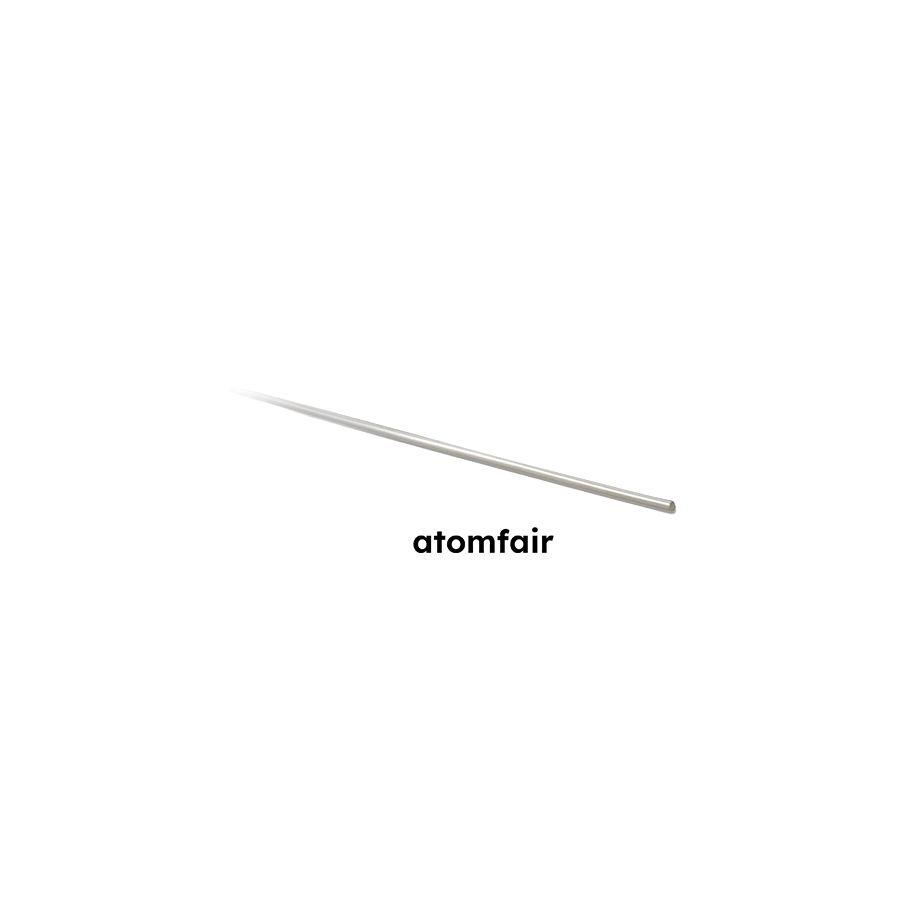
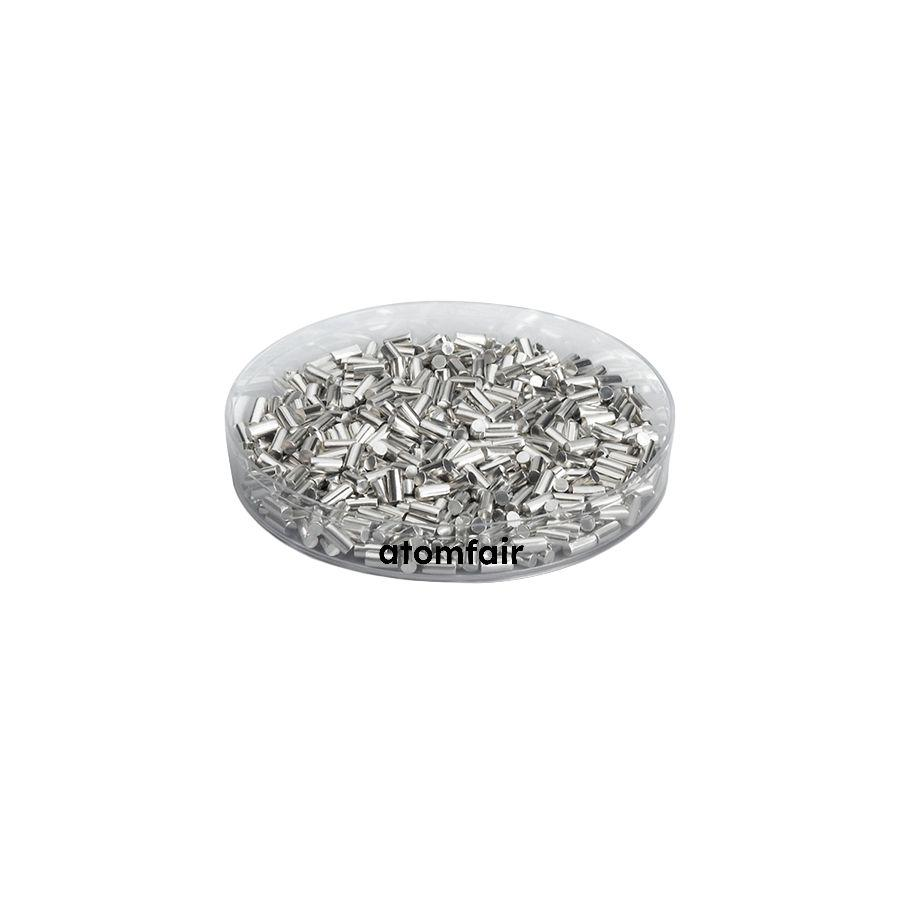
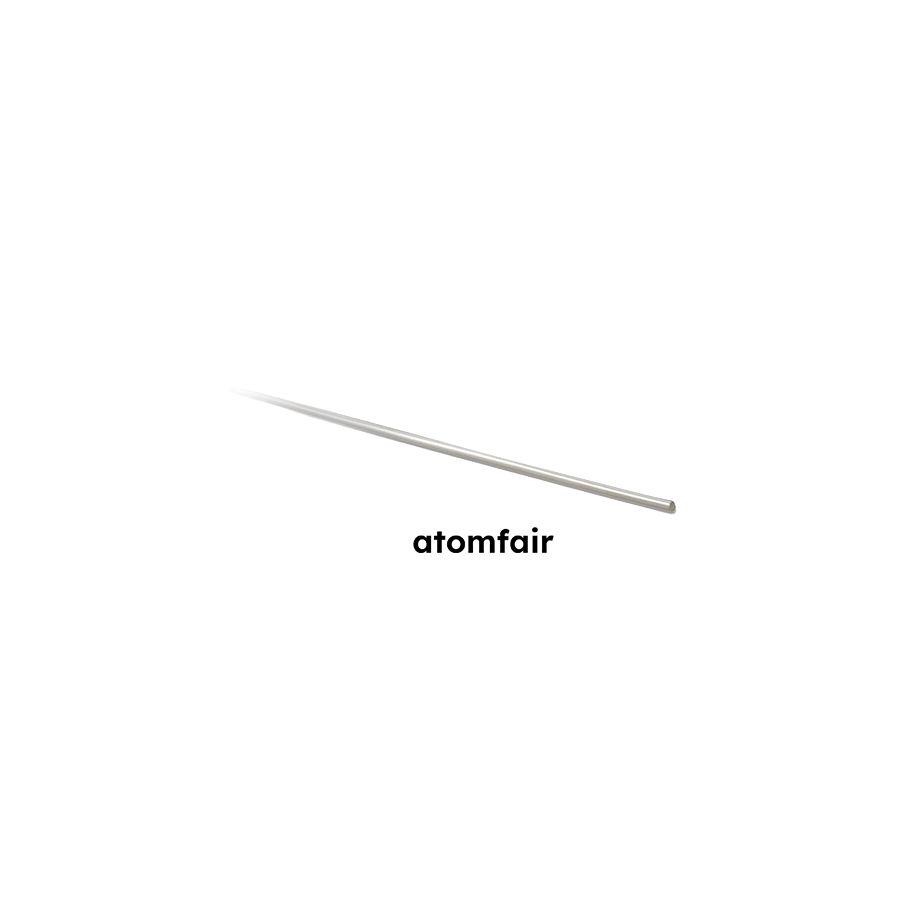
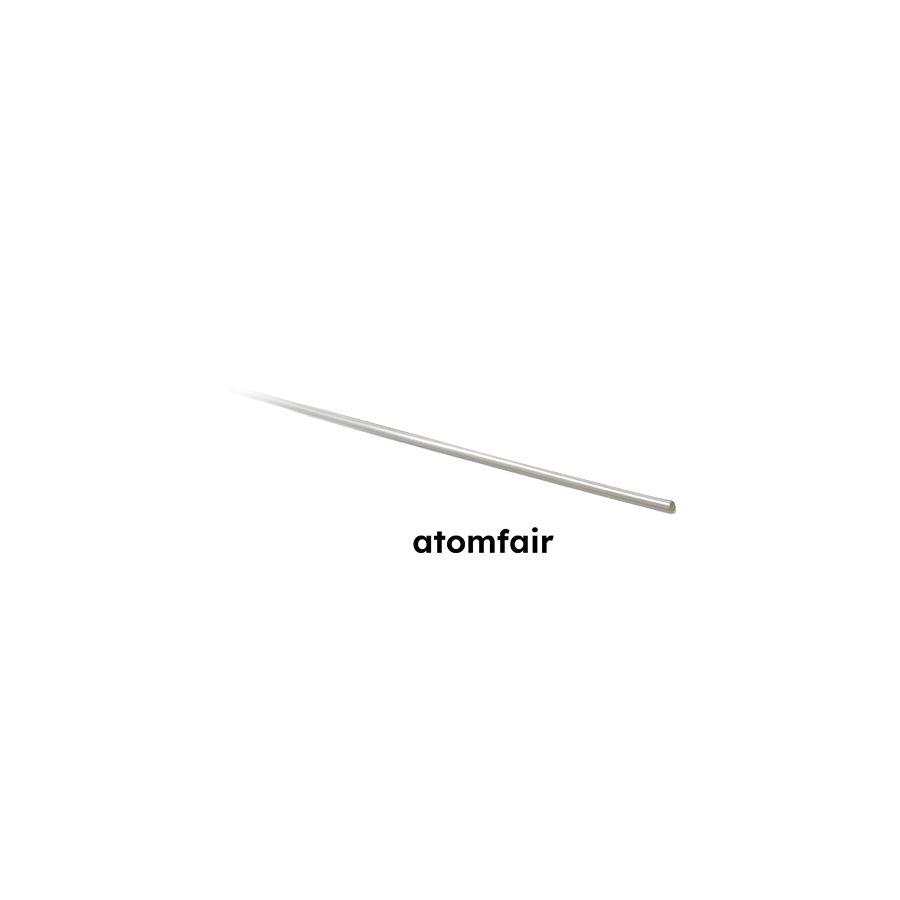
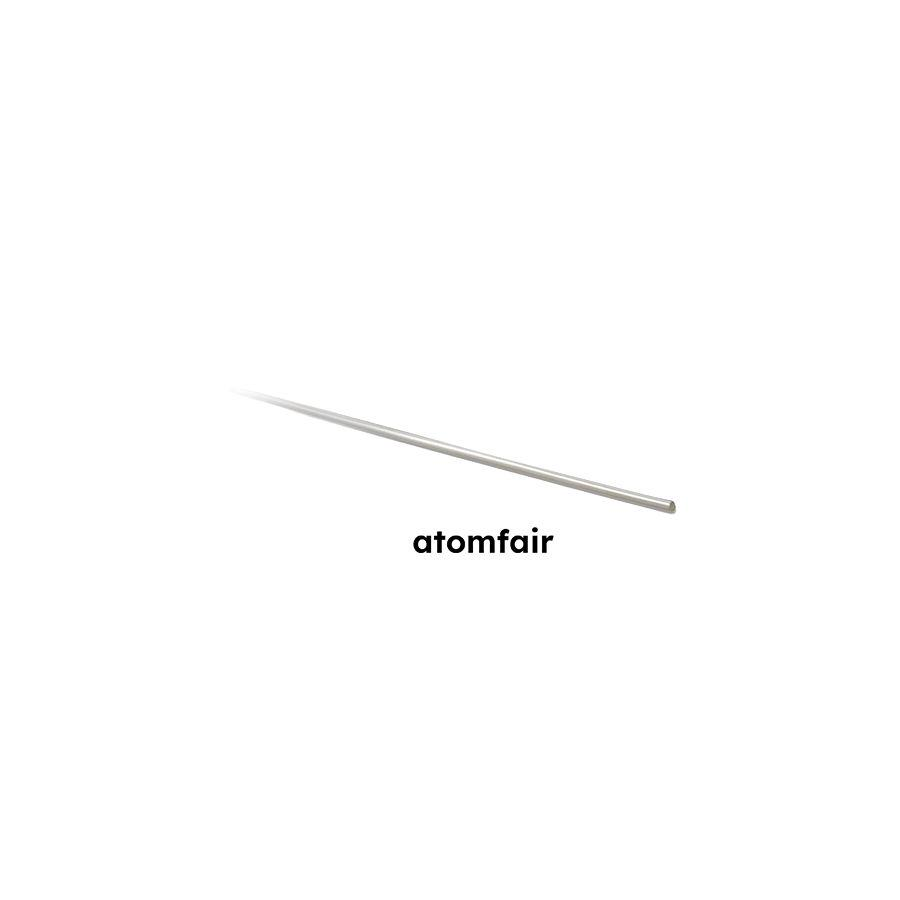
Tin (Sn) Evaporation Material, Wire, 99.99%, Dia. 2.0 mm
Product Type: Pure Metal Evaporation Material
Research-grade laboratory product
|
|||||||||||||||||||||||||||||||||||||||
|
|||||||||||||||||||||||||||||||||||||||
|
LABORATORY PROCUREMENT SUPPORT
For material selection, deposition-source matching, pack-size confirmation or quotation support, contact our technical sales team.
INQUIRY: inquiry@atomfair.com
|
|||||||||||||||||||||||||||||||||||||||
|
Manufacturer: Atomfair LLC
Brand: ATOMFAIR®
|
This tin wire evaporation material requires thermal resistive evaporation using tungsten, molybdenum, or tantalum sources. The 2.0 mm wire diameter and material properties (melting point 232°C, Z-ratio 0.724) must be matched to deposition source geometry and film thickness monitoring equipment.
- Evaporation Source Compatibility: Use only tungsten, molybdenum, or tantalum filaments, baskets, coils, or boats for thermal resistive evaporation of this tin wire.
- Melting Point Requirement: The process temperature must exceed the material melting point of 232°C to achieve vaporization.
- Film Thickness Monitoring: The Z-ratio of 0.724 must be entered into the quartz crystal microbalance controller for accurate film thickness measurement.
- Wire Diameter Constraint: The 2.0 mm wire diameter must be compatible with the deposition source geometry to ensure proper loading and evaporation rate.
- Purity Maintenance: Handle the 99.99% pure tin wire in a clean environment to avoid contamination that could affect film properties.
What is the significance of the Z-ratio of 0.724 for tin (Sn) wire evaporation material in quartz crystal microbalance (QCM) thickness monitoring?
The Z-ratio of 0.724 for tin (Sn) is a material-specific acoustic impedance factor used to calibrate QCM thickness monitors. A known Z-ratio corrects for the difference between the acoustic properties of tin and the quartz crystal, ensuring accurate thin-film thickness readings during thermal evaporation. This value is standard for 99.99% pure tin wire and should be programmed into the deposition controller to achieve reliable film measurements.
Why are tungsten, molybdenum, and tantalum specified as the recommended evaporation source materials for tin (Sn) wire, and can alternative boat materials be used?
Tungsten, molybdenum, and tantalum are recommended because they offer high melting points and good wetting behavior with molten tin, minimizing contamination and source degradation. While alternative materials like ceramic boats may be used, they are not listed in the product specification, and compatibility must be verified independently. The product is explicitly designed for thermal/resistive evaporation using W/Mo/Ta filament, basket, coil, or boat geometries.
How should tin (Sn) wire evaporation material be handled and stored to maintain its 99.99% purity before deposition?
Store the tin wire in a dry, inert atmosphere (e.g., argon or nitrogen) to prevent surface oxidation, and handle using clean, powder-free gloves or tweezers to avoid introducing organic or particulate contaminants. The 99.99% purity specification requires strict control of exposure to moisture and airborne particles. For short-term use, keep the material in its original sealed packaging until loading into the evaporation source.
Tin (Sn) evaporation material in wire form with 99.99% purity and 2.0 mm diameter offers high-purity material for thermal/resistive evaporation, but requires careful matching to deposition source geometry and process parameters due to its low melting point.
Positive
- 99.99% purity specification: Research-grade purity level enables reliable thin-film deposition with minimal contamination, supporting consistent film properties in vacuum processes.
- Wire form with 2.0 mm diameter: Predefined wire diameter facilitates loading into W/Mo/Ta filaments, baskets, coils, or boats, reducing setup variability for thermal/resistive evaporation.
Trade-offs
- Deposition source geometry matching: Buyers must confirm source geometry, quantity, and certificate requirements before ordering to ensure compatibility with existing evaporation hardware.
- Low melting point process control: With a melting point of 232°C, the material requires careful evaporation rate management to avoid spitting or thermal degradation, and process route must be matched to the material's behavior.
Every advanced material, component, equipment, and instrument in our catalog is backed by rigorous testing. We maintain strict internal quality management frameworks and align with CE conformity metrics to deliver transparent, reproducible performance data via our public open-science repository.
To request raw batch performance data, submit formal vendor registration paperwork, or execute a fast-turnaround R&D manufacturing loop, contact us at inquiry@atomfair.com.
Item is dispatched under the Atomfair Shipping & Delivery Framework (Free worldwide shipping on orders over $59 USD excl. heavy equipment). Return is governed by the Atomfair Return & Refund Policy (7-day technical return window).