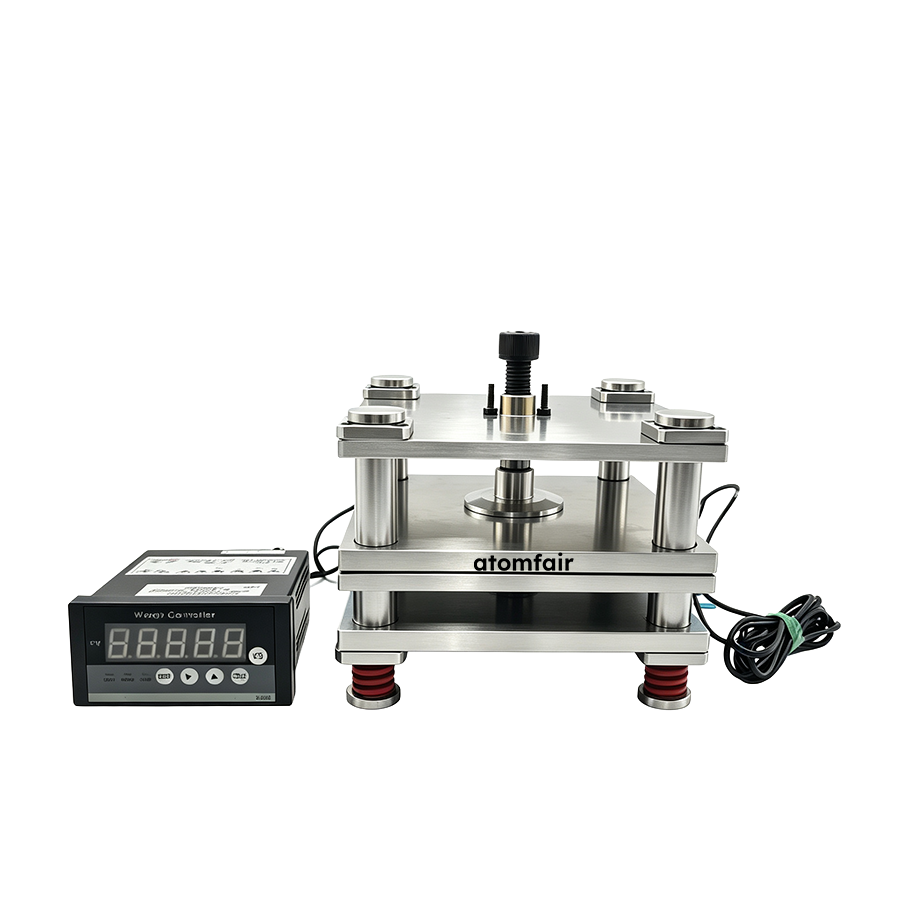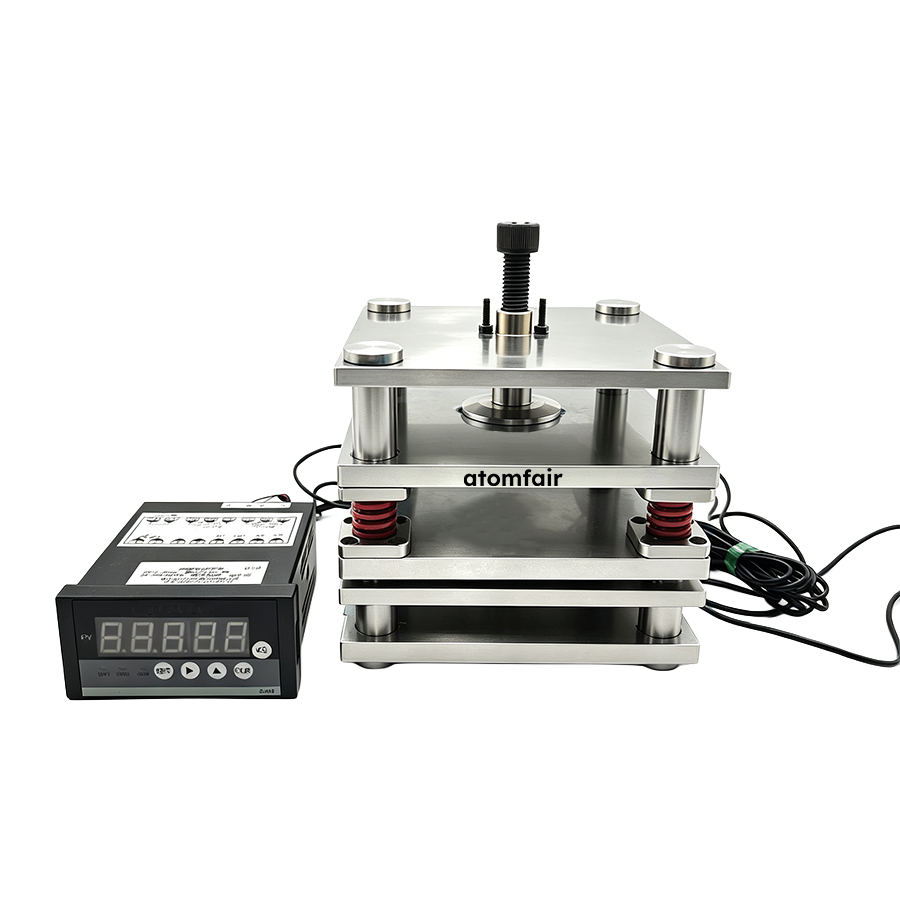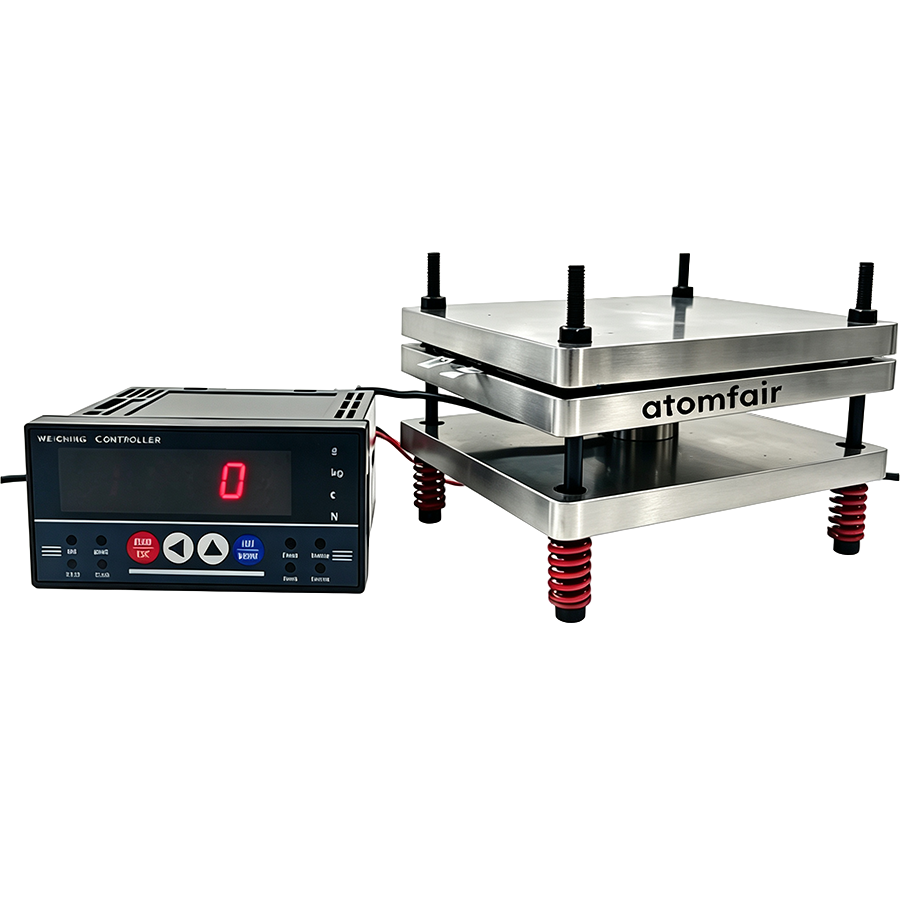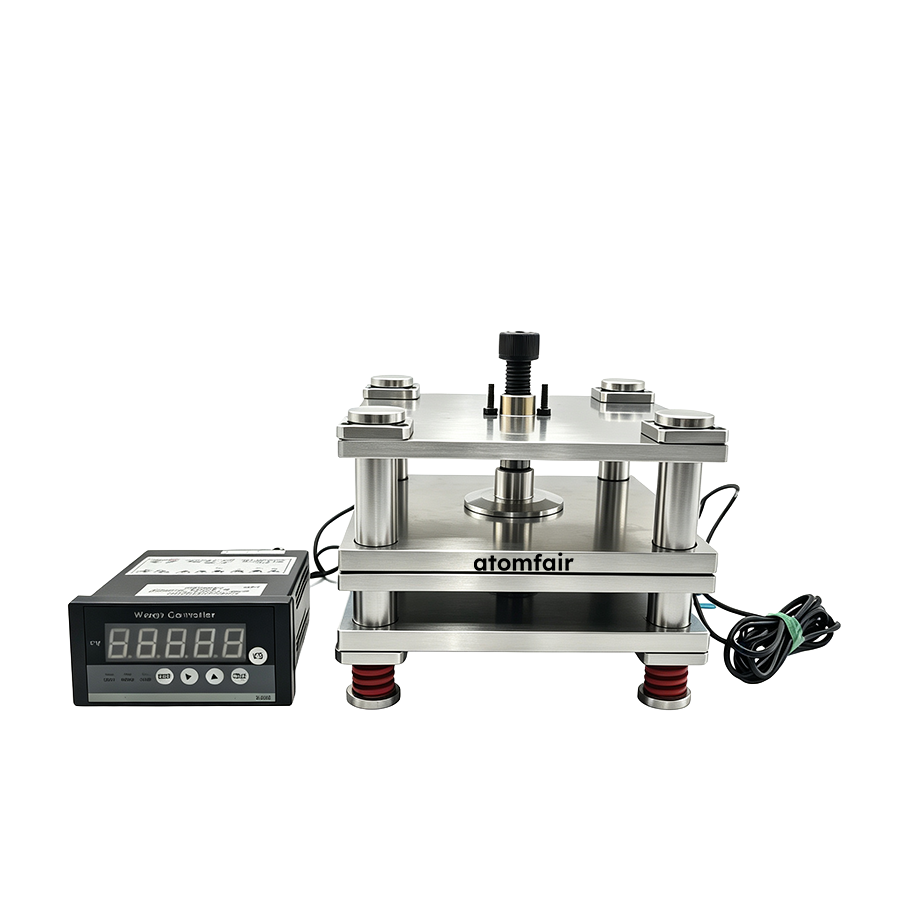
6061-T6 ALUMINUM ALLOY THREE-LAYER FIXTURE WITH PRESSURE SENSOR VERSIONRESEARCH GRADE EQUIPMENT
|
||||||||||||||||||||||||||||||||||||||||||||||||||||||||||||||||||||||||
|
||||||||||||||||||||||||||||||||||||||||||||||||||||||||||||||||||||||||
|
TAILORED SOLUTIONS FOR RESEARCH
Contact our engineering team for technical support or official institutional quotations.
EMAIL: inquiry@atomfair.com
|
||||||||||||||||||||||||||||||||||||||||||||||||||||||||||||||||||||||||
|
Manufacturer: Atomfair LLC
Brand: ATOMFAIR®
|
||||||||||||||||||||||||||||||||||||||||||||||||||||||||||||||||||||||||
Cell dimensions must not exceed fixture length and width minus 30 mm to ensure proper clamping clearance and uniform pressure distribution. Working pressure is limited to 350 kg standard or up to 500 kg for reinforced sizes, with cell thickness restricted to 0.1–2 cm.
- Size Compatibility: Select a fixture size where the maximum cell length and width are exactly 30 mm less than the corresponding fixture dimensions.
- Pressure Limits: Do not exceed the rated working pressure of 350 kg for standard sizes or 500 kg for reinforced sizes to avoid structural overload.
- Material Compatibility: Use only electrolytes compatible with the anodized aluminum alloy surface to prevent corrosion and maintain insulation integrity.
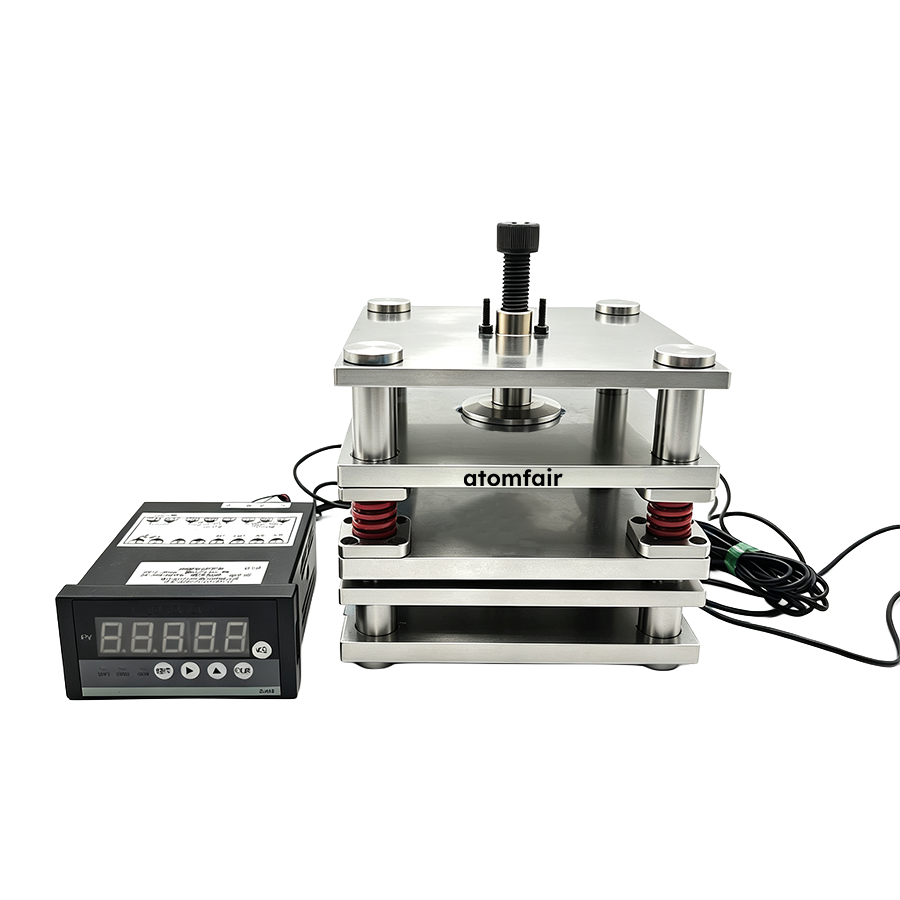
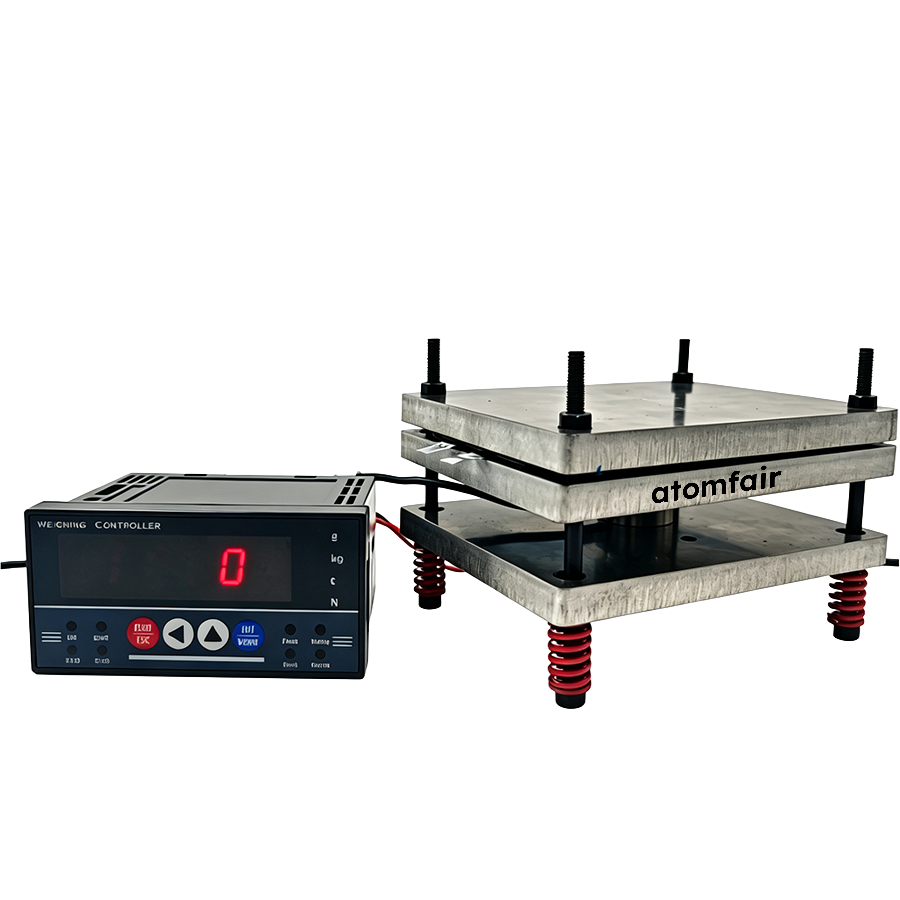
- Sensor Integration: The pressure sensor is an essential structural component; its data cable must be connected to external acquisition equipment for real-time monitoring.
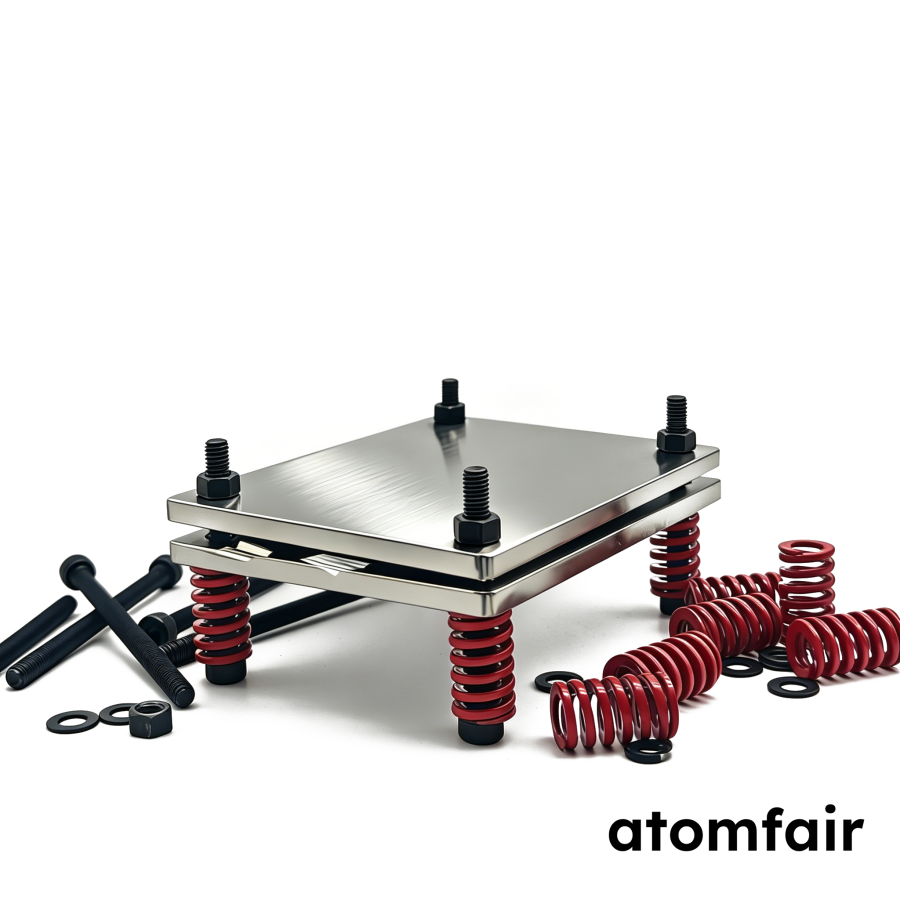
- Clamping Uniformity: Tighten all four corner screws evenly with die spring buffers to achieve uniform pressure and avoid scratching the pouch cell.
Position the pouch cell between the insulated layers and secure it using the four-corner screw locking mechanism with die spring buffers for uniform pressure. Connect the integrated pressure sensor to external data acquisition equipment to monitor real-time force during cycling.
Required Equipment: External data acquisition equipment
- Select Fixture Size
Choose a fixture size where the cell length and width are exactly 30 mm less than the fixture dimensions. - Adjust Layer Spacing
Set the three-layer spacing to accommodate the cell thickness within the 0.1–2 cm range. - Insert Pouch Cell
Place the pouch cell centrally between the layers ensuring no overhang beyond the clamping area. - Tighten Screws Evenly
Turn each of the four corner screws sequentially with die spring buffers until uniform resistance is felt across all corners. - Connect Pressure Sensor
Attach the sensor data cable to external acquisition equipment and verify real-time pressure readout before starting the test.
How does the integrated pressure sensor in the ATM-PCBT-AL6061-3L avoid data interference during pouch cell cycle testing?
The pressure sensor is an essential structural component of the three-layer fixture, not an add-on, and its data cable connects to external acquisition equipment for real-time monitoring. The 6061-T6 aluminum alloy structure is insulated after anodizing, which prevents electrical interference with sensor signals, and the three-layer synchronous clamping with die spring buffer ensures uniform pressure distribution without mechanical noise that could corrupt readings.
Can the ATM-PCBT-AL6061-3L accommodate pouch cells thicker than 2 cm or require a working pressure above 500 kg?
No. The fixture is designed for compatible battery thickness of 0.1–2 cm, and the standard working pressure is 350 kg, customizable up to 500 kg, which is the maximum load-bearing capacity of the aluminum alloy three-layer structure. Cells exceeding 2 cm thickness or requiring pressure above 500 kg would exceed the structural limits of this model; for such applications, alternative materials like 316 stainless steel (compatible with 0–600 kg) or custom dimensions should be considered.
What are the handling and storage requirements for the 6061-T6 aluminum alloy three-layer fixture to maintain anodized insulation and prevent electrolyte damage?
The fixture is hard-anodized for insulation and general electrolyte resistance, but it is not fully corrosion-proof against all electrolytes. After use, the fixture should be cleaned promptly to remove any electrolyte residue, as prolonged exposure can compromise the anodized layer. Store in a dry, ambient-temperature environment to prevent galvanic corrosion between the aluminum alloy and steel components (screws, springs). For aggressive electrolyte environments, consider upgrading to 5052 aluminum alloy or 316 stainless steel for superior corrosion resistance.
The ATM-PCBT-AL6061-3L is a three-layer aluminum alloy pouch cell fixture with integrated pressure sensing, offering real-time monitoring and lightweight construction with up to 500kg load capacity, but requires external data acquisition and has limited chemical resistance.
Positive
- Integrated pressure sensor with anodized insulation: The three-layer design incorporates a pressure sensor as an essential structural component, and the anodized insulation prevents data interference, enabling real-time pressure monitoring during pouch cell cycling.
- Lightweight 6061-T6 with customizable sizing: The 6061-T6 aluminum alloy provides a lightweight, rigid structure with a working pressure up to 500kg, and the fixture size, spacing, and pressure level can be customized to fit various cell dimensions and test requirements.
Trade-offs
- External acquisition required for pressure data: The pressure sensor requires connection to external acquisition equipment via cable, adding system complexity and requiring additional instrumentation for real-time monitoring.
- General electrolyte resistance only: The 6061-T6 aluminum alloy with anodized coating provides only general electrolyte resistance; for aggressive electrolytes or immersion testing, alternative materials such as 316 stainless steel or PEEK are recommended.
Every advanced material, component, equipment, and instrument in our catalog is backed by rigorous testing. We maintain strict internal quality management frameworks and align with CE conformity metrics to deliver transparent, reproducible performance data via our public open-science repository.
To request raw batch performance data, submit formal vendor registration paperwork, or execute a fast-turnaround R&D manufacturing loop, contact us at inquiry@atomfair.com.
Item is dispatched under the Atomfair Shipping & Delivery Framework (Free worldwide shipping on orders over $59 USD excl. heavy equipment). Return is governed by the Atomfair Return & Refund Policy (7-day technical return window).