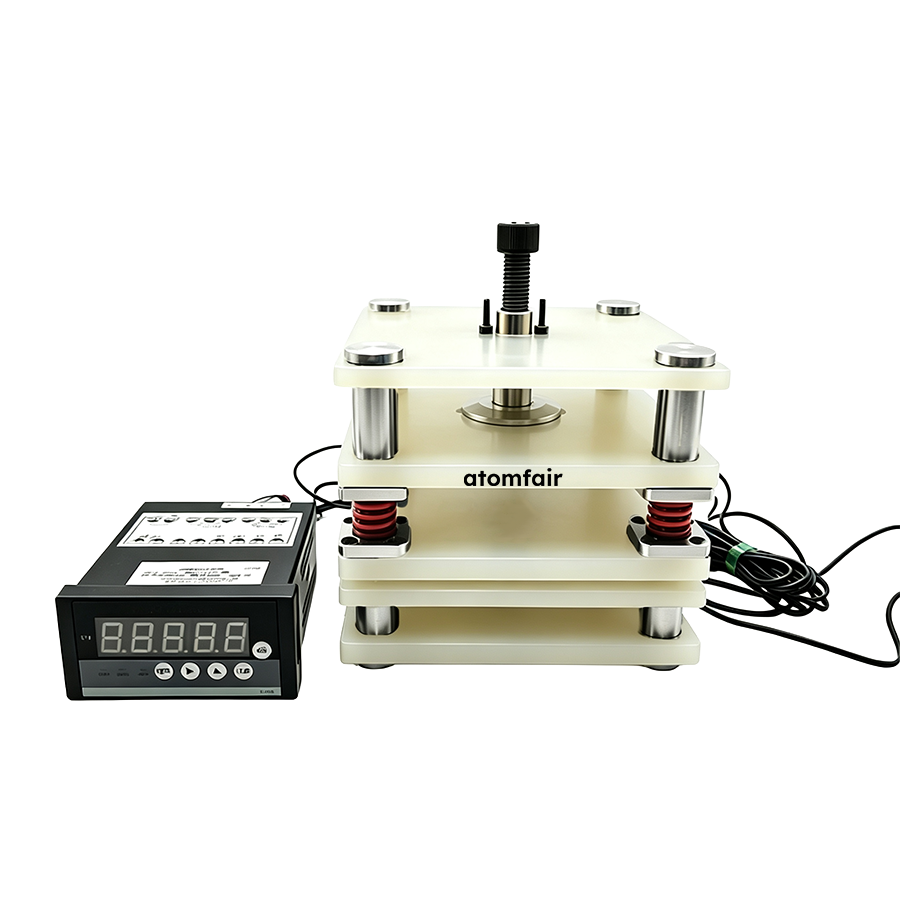
PP Pouch Cell Cycle Test Fixture 5-Layer 80 kg ATOMFAIR®

Price range: $454.00 through $462.00

Institutional Procurement & Supply Compliance: As a verified US supplier, Atomfair accepts formal institutional Purchase Orders (POs), contract billing schedules, and custom procurement loops for university and national laboratories, and corporate R&D departments globally.

Chemical-grade PP 5-layer pouch cell cycle test fixture clamps up to 5 cells with 80 kg working pressure, 0.1–3.5 cm gap, ISO 9001/RoHS. Order now.

ATM-PCBT-PP-5L POUCH CELL CYCLE TEST FIXTURE

RESEARCH GRADE MECHANICAL EQUIPMENT

Product Overview

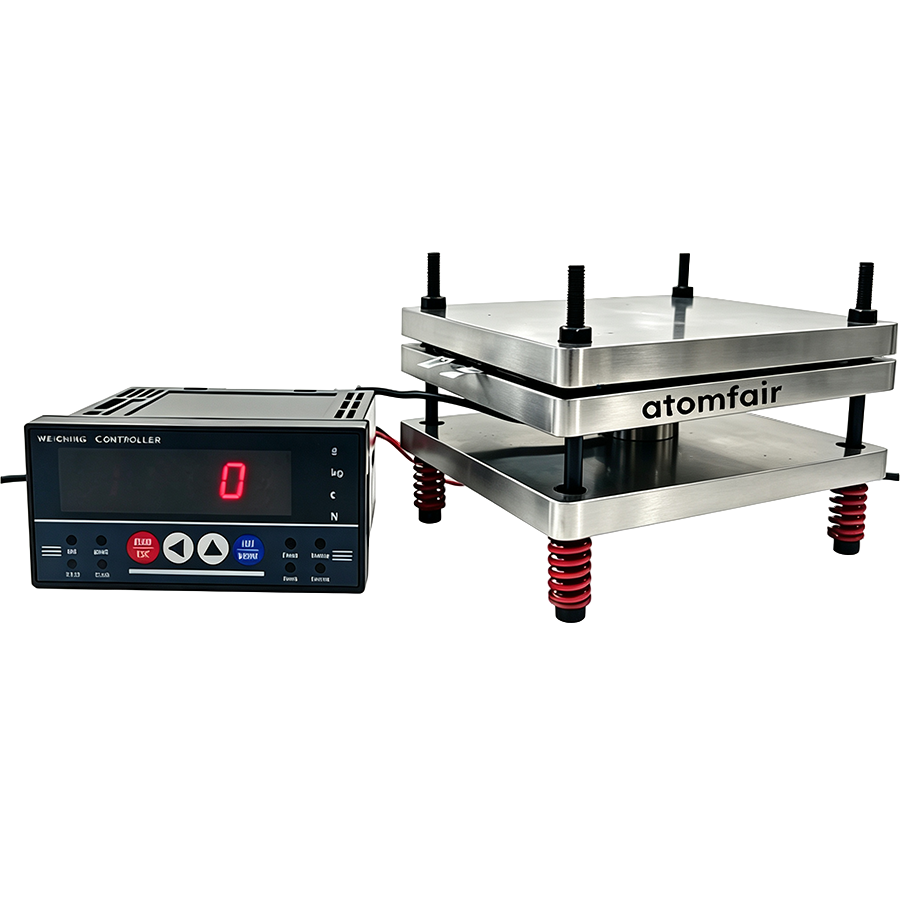
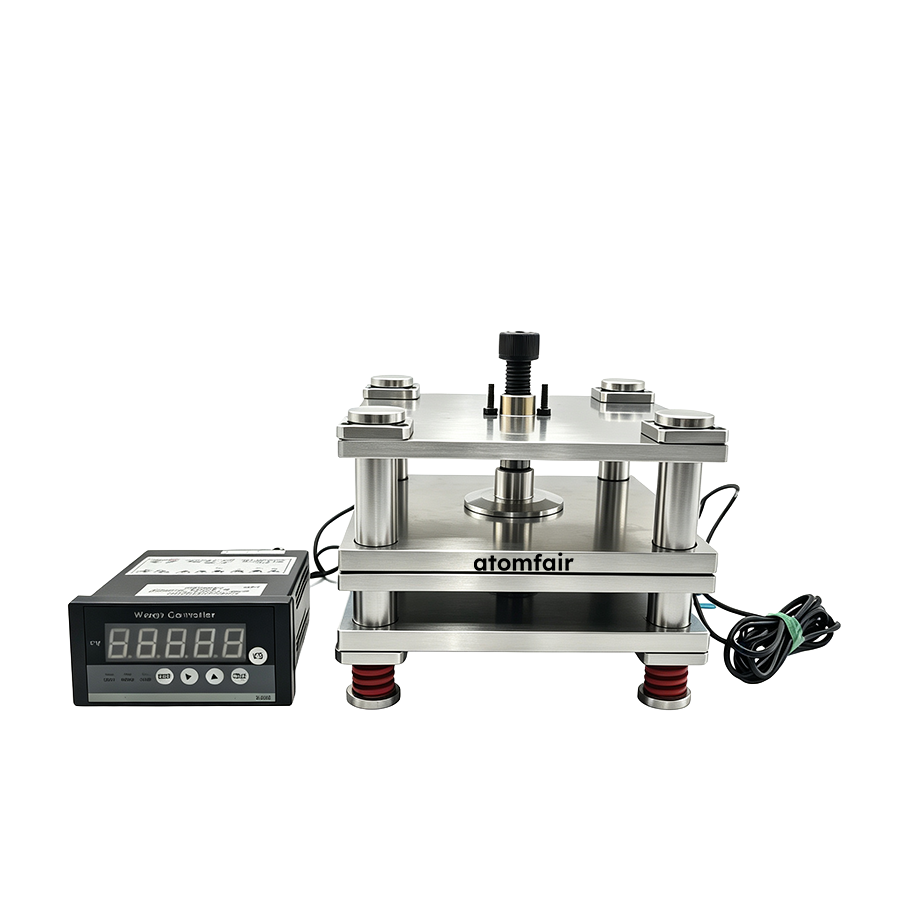
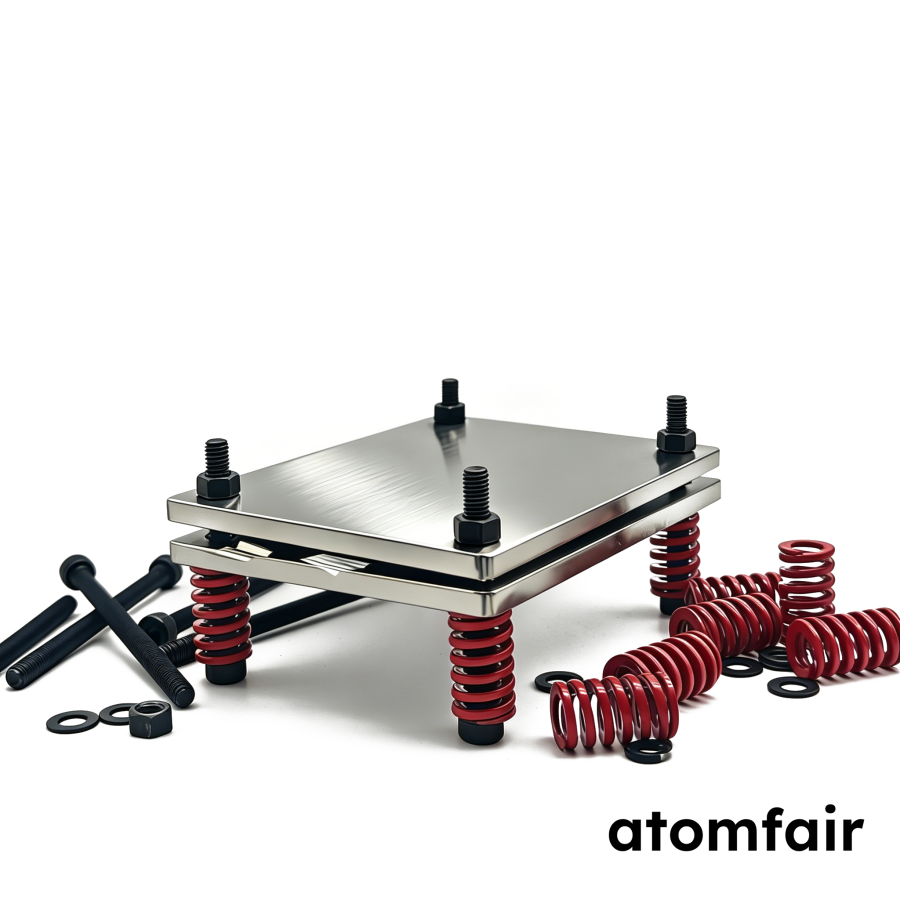
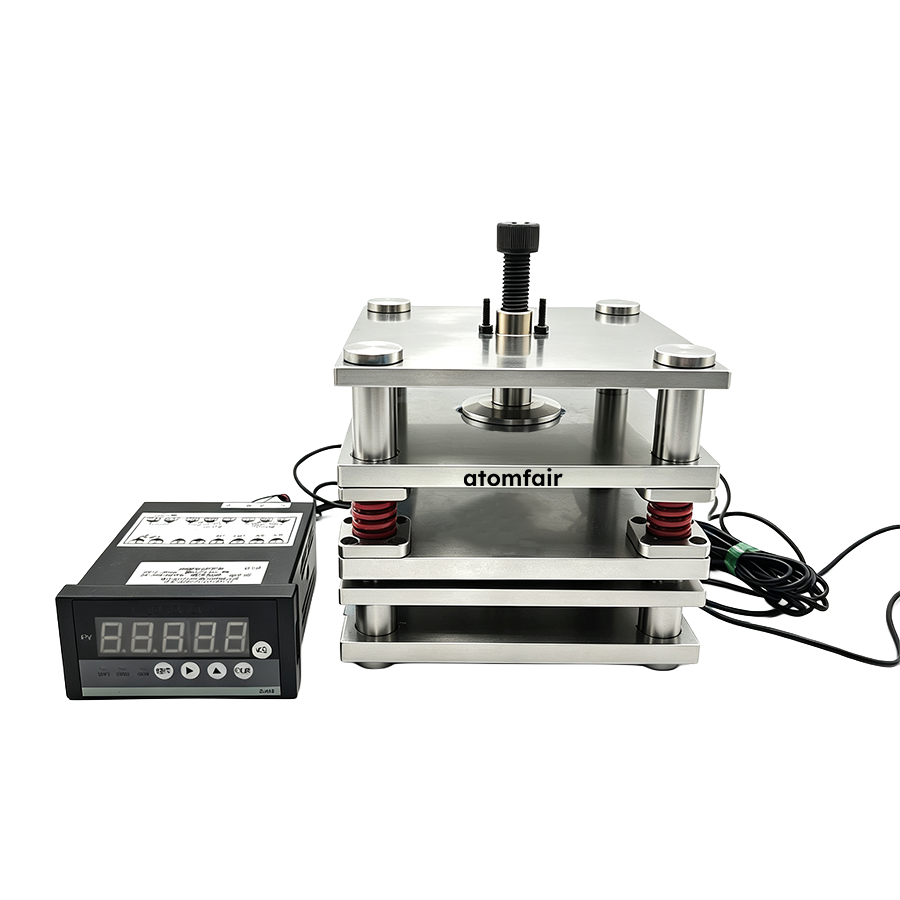
The ATM-PCBT-PP-5L is an ultra-lightweight, 100% electrically insulated mechanical test clamping tool engineered for the parallel electrochemical evaluation of up to 5 pouch cell batteries simultaneously with zero magnetic interference. This specialized hardware system incorporates an upgraded five-layer polypropylene grid architecture managed by a single-nut central locking regulation mechanism and professional high-toughness die-spring displacement buffer arrays to provide 100% uniform face-to-face compression while protecting delicate cell films from scratches. Milled entirely from premium chemical-grade PP to guarantee total electrolyte resistance and zero structural swelling inside gloveboxes, it delivers a calibrated standard working face pressure of 80 kg (customizable up to 150 kg Max. structural load limit) and features an adjustable physical thickness gap envelope supporting cell packages from 0.1 cm up to 3.5 cm.

Technical Specifications

PARAMETER DETAILS
1. Core Device & Mechanical Design
Structure Design Upgraded five-layer structure (evolved from the four-layer platform); integration of an essential structural pressure sensor component for real-time monitoring available
Pressure Regulation Single-nut locking configuration to promote highly uniform and stable pressure distribution across all grids
Standard Working Pressure 80 kg baseline pressure (customizable structural load limit up to 150 kg, optimized by single nut design)
2. Material & Structural Parameters
Primary Composition Premium Grade Polypropylene (PP chemical-grade matrix with peak insulation and zero swelling properties)
Compatible Cell Thickness 0.1–3.5 cm adjustable multi-layer boundary range; five-layer structure supports testing thicker batteries or more cells simultaneously
Clamping & Buffering Single nut locking mechanism integrated with professional die-spring displacement buffer array for five-layer synchronous clamping
3. Optional Materials & Core Advantages Matrix
7075-T6 Aluminum Alloy Lightweight; highest strength among aluminum alloys; good rigidity and precise positioning; insulated after anodizing; scratch-proof; five-layer structure (upgraded from four-layer) with built-in pressure sensor for real-time pressure monitoring; single nut design ensures more uniform pressure, suitable for precision cycle testing
6061-T6 Aluminum Alloy Lightweight; easy to operate; good overall performance; easy to process and weld; insulated after anodizing; general electrolyte resistance; five-layer structure + single nut design ensures uniform pressure, cost-effective option
5052 Aluminum Alloy Lightweight; medium strength; excellent corrosion resistance (especially to electrolyte splash and humidity); good fatigue strength and workability; insulated after anodizing; five-layer structure + single nut design ensures uniform pressure, ideal balance of durability and weight
304 Stainless Steel Cost-effective; resistant to regular electrolyte contact; non-magnetic; high load capacity; scratch-proof, optional for scenarios requiring higher corrosion resistance within a stable five-layer grid configuration
316 Stainless Steel Optimal electrolyte corrosion resistance; suitable for leakage/immersion testing; non-magnetic; compatible with high pressure; five-layer structure + single nut design ensures uniform pressure, optional for harsh testing scenarios
PP (Polypropylene) (Default) Ultra-lightweight; cost-effective; fully electrolyte-resistant (no swelling); high toughness; scratch-proof to protect battery film, optional for five-layer low-pressure testing
PEEK (Polyetheretherketone) Ultra-lightweight; optimal electrolyte resistance (no swelling); insulating and non-magnetic; wide temperature resistance range; extremely high precision, suitable for five-layer precision testing
Carbon Steel Lowest cost; strong load-bearing capacity; five-layer structure improves rigidity, suitable for cost-sensitive five-layer high-pressure testing
Acrylic (PMMA) Lightweight; high transparency for visual observation; insulating and non-magnetic; easy to process, optional for five-layer observation-type testing
4. Dimensional Matrix & Load Capacity Options
Size Matrix 10×78×105 mm Max Load: 80 kg | Max Cell Size: ≤12×48×75 mm | Suitable for mini small cells, PP five-layer structure, single nut design for uniform low-pressure distribution
Size Matrix 10×90×107 mm Max Load: 80 kg | Max Cell Size: ≤12×60×77 mm | Compact size, zero-swelling chemical-grade PP build, suitable for multi-layer low-pressure synchronized cycle testing
Size Matrix 10×100×130 mm Max Load: 80 kg | Max Cell Size: ≤12×70×100 mm | Standard medium-sized cells, universally utilized non-conductive PP across research laboratories
Size Matrix 10×120×160 mm Max Load: 150 kg | Max Cell Size: ≤38×90×130 mm | Standard plastic reinforced high-pressure type, excellent chemical stability and cell protection
Size Matrix 12×120×160 mm Max Load: 150 kg | Max Cell Size: ≤36×90×130 mm | Extra-thick reinforced plastic PP type, high toughness and extremely easy to handle
Size Matrix 10×150×180 mm Max Load: 150 kg | Max Cell Size: ≤38×120×150 mm | Designed for larger capacity cells, fully acid and alkali proof plastic execution
Size Matrix 12×150×180 mm Max Load: 150 kg | Max Cell Size: ≤36×120×150 mm | Top-level high-load plastic PP version, uniform force locking, scratch-proof protection for outer film
5. Quality Standards & Custom Services
Surface Engineering Fine-milled smooth anti-scratch industrial finish; customized sizing available for specific glovebox deployment space constraints
Manufacturing Rules Processed under strict ISO 9001 and RoHS compliant standards conditions
Alternative Options Explore our related catalog or custom dimensions. For urgent technical custom requests or bulk inquiries, please contact our support team.

Key Features & Advantages

  • Complete Electrolyte Non-Swelling: Engineered from structural chemical-grade polypropylene, ensuring absolute structural integrity with zero swelling or chemical distortion under direct electrolyte immersion.
  • Optimized Low-Pressure Uniformity: Specifically engineered with an integrated single-nut locking configuration, eliminating localized stress concentrations and providing stable face-to-face compression.
  • 100% Electrical & Magnetic Insulation: Inherently non-conductive framework prevents parasitic electronic leakage or magnetic data distortion, safeguarding high-precision multi-layer validation results.

APPLICATION SCOPE: Multi-layer pouch cell battery low-pressure cycling, absolute insulation validation, and scratch-sensitive outer casing testing.
PACKAGING: Shockproof high-density foam padding enclosure nested inside robust multi-layer shipping cartons or heavy wooden crates based on volume.
IMPORTANT NOTICE: When deploying plastic fixtures inside climate chambers, do not exceed the calibrated thermal threshold of PP material. Do not over-tighten the central bolt beyond the maximum theoretical load limit to avoid plastic thread fatigue.
TAILORED SOLUTIONS FOR RESEARCH
Contact our engineering team for technical support or official institutional quotations.
EMAIL: inquiry@atomfair.com
Manufacturer: Atomfair LLC
Brand: ATOMFAIR®

The polypropylene fixture must not be exposed to temperatures exceeding the material's calibrated thermal threshold when deployed inside climate chambers. The central clamping bolt must never be tightened beyond the 150 kg maximum structural load limit to prevent plastic thread fatigue and maintain uniform pressure distribution.

  • Thermal threshold limitation: Do not operate the PP fixture in climate chambers at temperatures above its specified thermal limit to avoid material degradation.
  • Mechanical over-tightening prevention: Never tighten the central locking nut beyond the 150 kg maximum structural load to prevent thread stripping and loss of compression uniformity.
  • Glovebox compatibility check: Verify that the fixture dimensions and access port size are compatible before deployment; custom sizing is available for specific glovebox configurations.
  • Electrolyte resistance variance: The default PP construction offers full electrolyte immersion resistance with zero swelling, but alternative material options require matching to the specific electrolyte chemistry.
  • Pressure distribution requirement: The single-nut mechanism requires gradual and uniform tightening to ensure equal face-to-face compression across all five grid layers.

Place the pouch cell assembly into the desired grid layer of the five-layer polypropylene structure. Adjust the central locking nut to apply the calibrated 80 kg working pressure, ensuring even compression via the die-spring buffer arrays.

Required Equipment: Central locking nut, Die-spring displacement buffer array, Optional pressure sensor

  1. Insert cell into grid
    Insert the pouch cell into the appropriate grid layer, ensuring alignment with the buffer array for even load distribution.
  2. Adjust thickness gap
    Adjust the thickness gap by rotating the central nut to accommodate the cell package thickness within the 0.1 to 3.5 cm adjustable range.
  3. Tighten to working pressure
    Tighten the central nut gradually to achieve the desired working pressure, monitoring with the optional pressure sensor if installed.
  4. Verify compression uniformity
    Verify uniform compression across all five layers by visual inspection or by checking the pressure distribution readout.
  5. Deploy in climate chamber
    Deploy the assembled fixture into the climate chamber, ensuring the ambient temperature remains within the PP thermal threshold.

How does the choice between default PP and 7075-T6 aluminum affect the maximum working pressure and real-time pressure monitoring capability in the ATM-PCBT-PP-5L fixture?

The default PP material is ultra-lightweight, fully electrolyte-resistant, and cost-effective, but optimized for low-pressure testing with a standard working pressure of 80 kg (customizable up to a 150 kg max structural load limit) and does not include a built-in pressure sensor. In contrast, 7075-T6 aluminum offers the highest strength among aluminum alloys, supports precision cycle testing, and allows integration of an essential structural pressure sensor for real-time monitoring, making it suitable for applications requiring higher, more uniformly distributed pressure.

What cell thickness range does the ATM-PCBT-PP-5L fixture accommodate, and can it be customized for glovebox space constraints?

The fixture supports an adjustable physical thickness gap envelope for cell packages from 0.1 cm up to 3.5 cm, enabling testing of thicker batteries or multiple cells simultaneously across its five-layer grid. The PP construction is fully electrolyte-resistant with zero swelling inside gloveboxes, and customized dimensions are available to meet specific glovebox deployment space constraints; contact the engineering team for tailored sizing.

What are the critical operational limits for using the PP-based ATM-PCBT-PP-5L fixture in climate chambers to avoid damage?

When deploying plastic fixtures inside climate chambers, do not exceed the calibrated thermal threshold of PP material. Additionally, do not over-tighten the central bolt beyond the maximum theoretical load limit of 150 kg to avoid plastic thread fatigue, as the single-nut locking mechanism is designed for calibrated uniform compression at the standard 80 kg working pressure.

The ATM-PCBT-PP-5L is a lightweight, fully insulated PP pouch cell fixture designed for uniform low-pressure compression of up to five cells simultaneously, with zero electrolyte swelling, but requires careful thermal and torque management to avoid material degradation.

Positive

  • Complete electrolyte non-swelling: Engineered from chemical-grade polypropylene, the fixture exhibits zero structural swelling or chemical distortion under direct electrolyte immersion, ensuring long-term dimensional stability in glovebox cycling tests.
  • Uniform low-pressure distribution: The single-nut locking mechanism combined with a die-spring buffer array delivers 100% uniform face-to-face compression across all five grids, eliminating localized stress concentrations and protecting sensitive cell films.

Trade-offs

  • Thermal sensitivity of PP material: The polypropylene structure has a calibrated thermal threshold; deploying the fixture in climate chambers above this limit risks structural softening or creep, requiring strict temperature control.
  • Thread fatigue from over-tightening: Plastic thread fatigue can occur if the central bolt is tightened beyond the maximum load limit (150 kg), necessitating torque discipline to maintain clamping integrity over repeated use.

Every advanced material, component, equipment, and instrument in our catalog is backed by rigorous testing. We maintain strict internal quality management frameworks and align with CE conformity metrics to deliver transparent, reproducible performance data via our public open-science repository.

To request raw batch performance data, submit formal vendor registration paperwork, or execute a fast-turnaround R&D manufacturing loop, contact us at inquiry@atomfair.com.

Item is dispatched under the Atomfair Shipping & Delivery Framework (Free worldwide shipping on orders over $59 USD excl. heavy equipment). Return is governed by the Atomfair Return & Refund Policy (7-day technical return window).
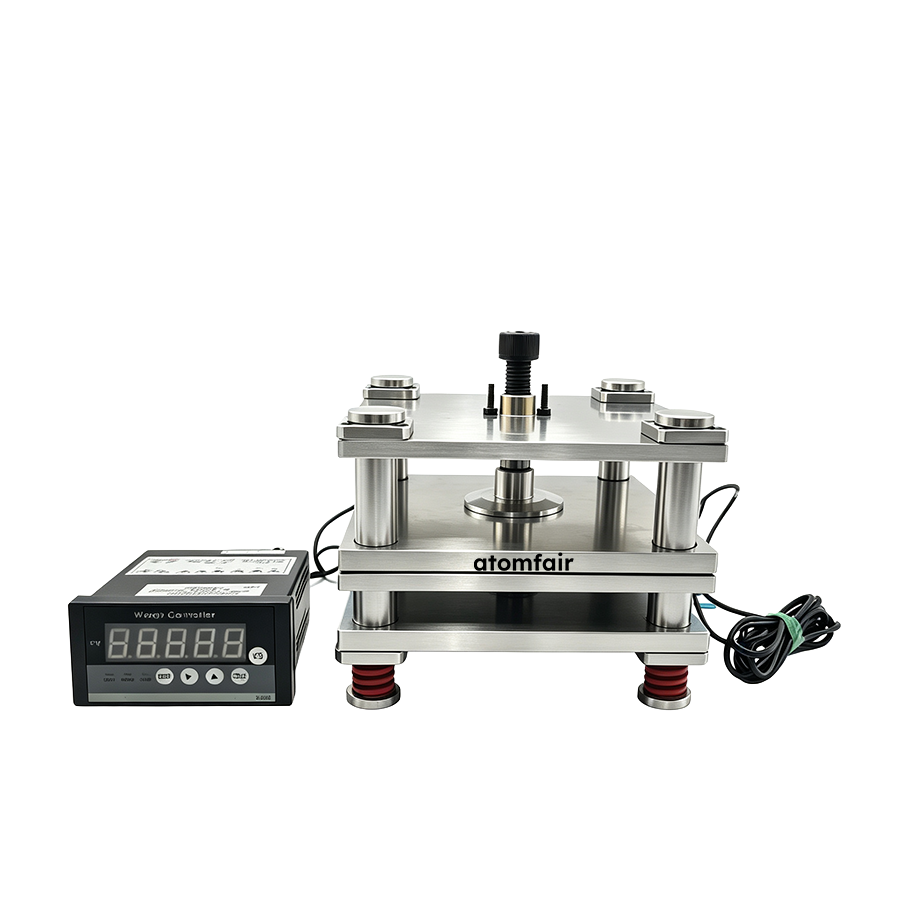
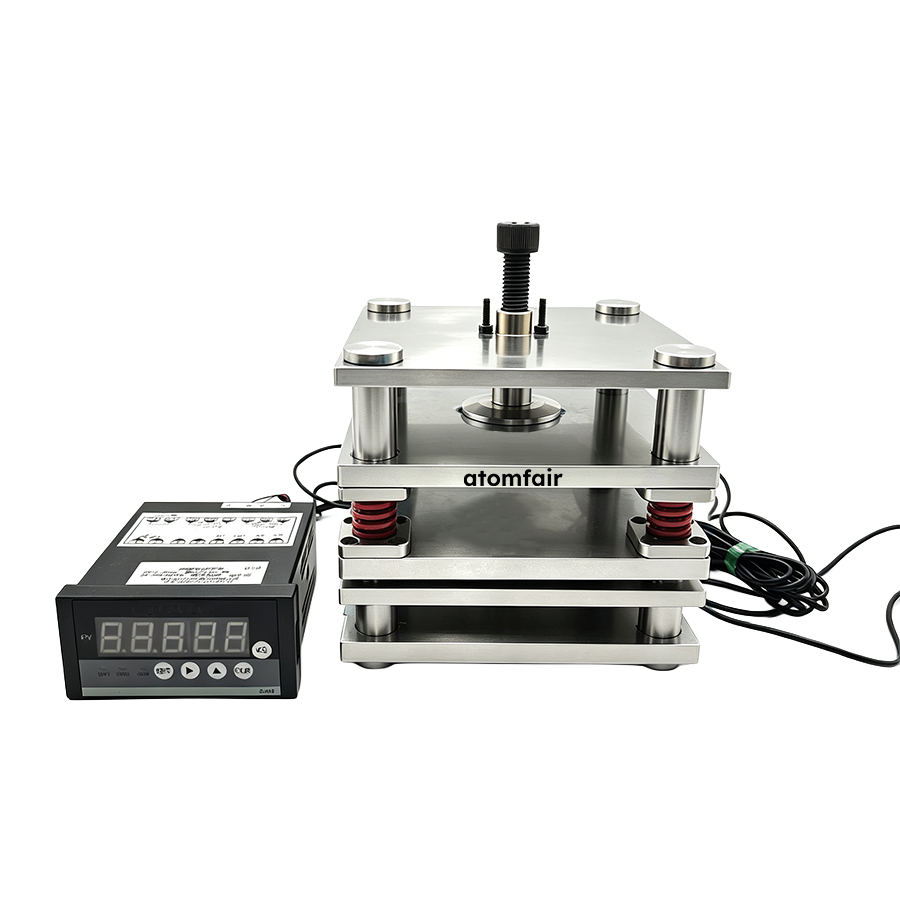
Size

10x78x105 mm, 10x90x107 mm, 10x100x130 mm, 10x120x160 mm, 12x120x160 mm, 10x150x180 mm, 12x150x180 mm