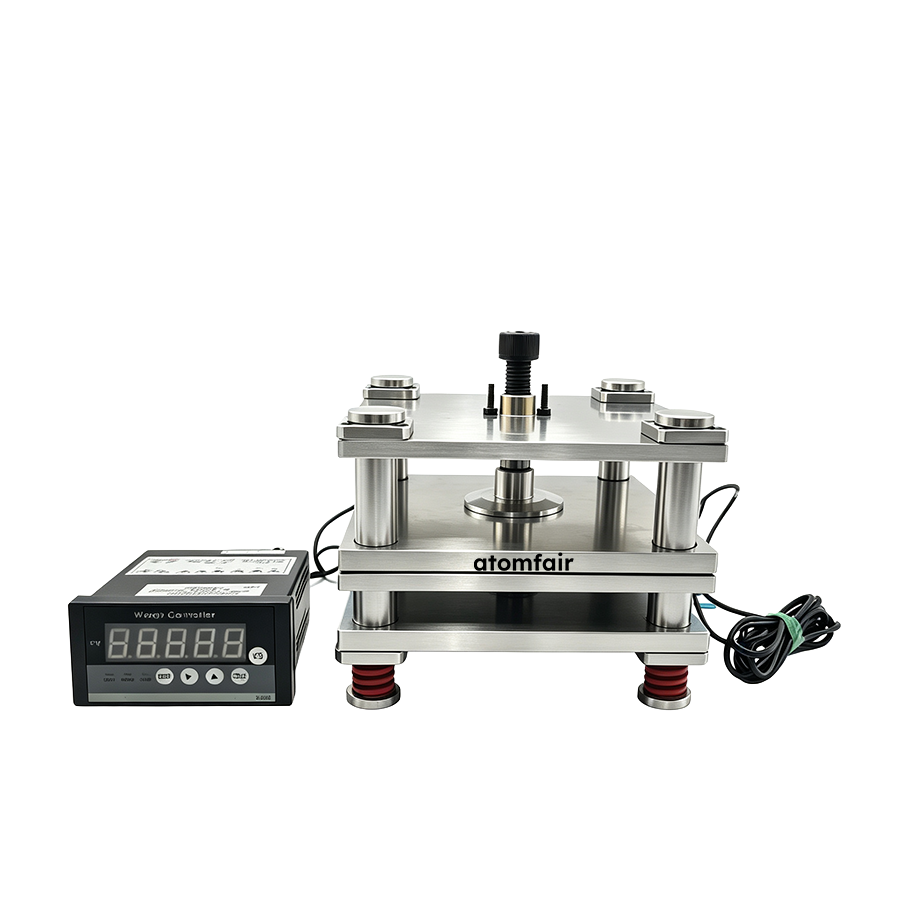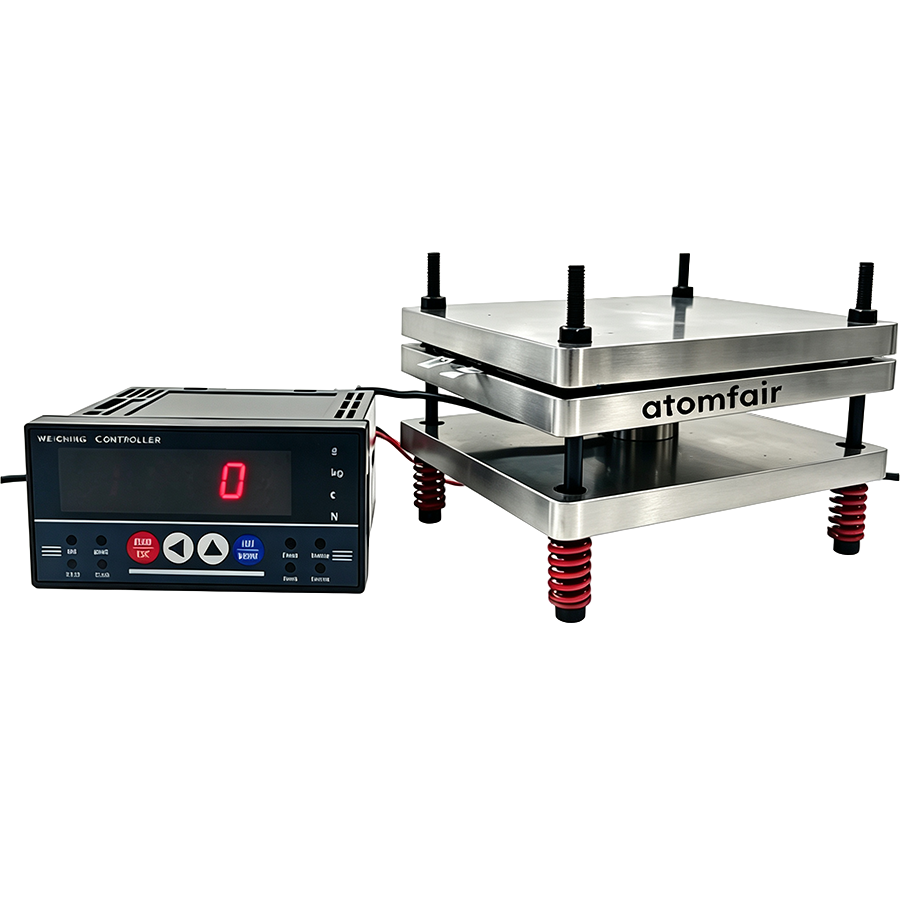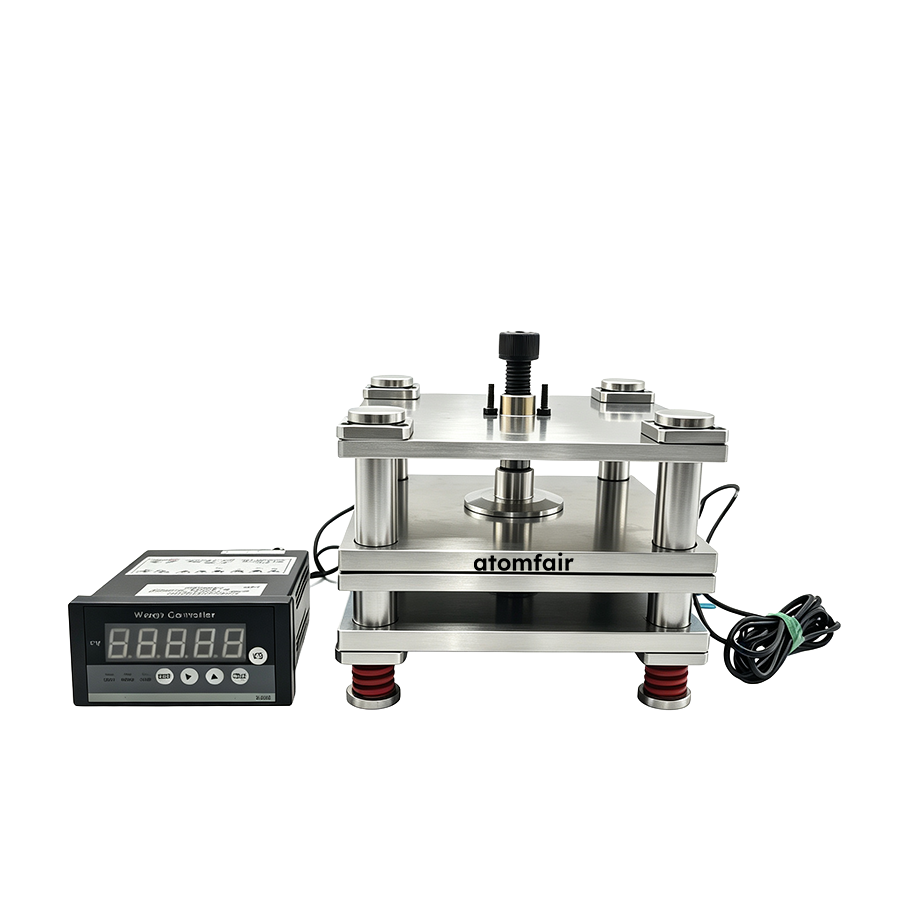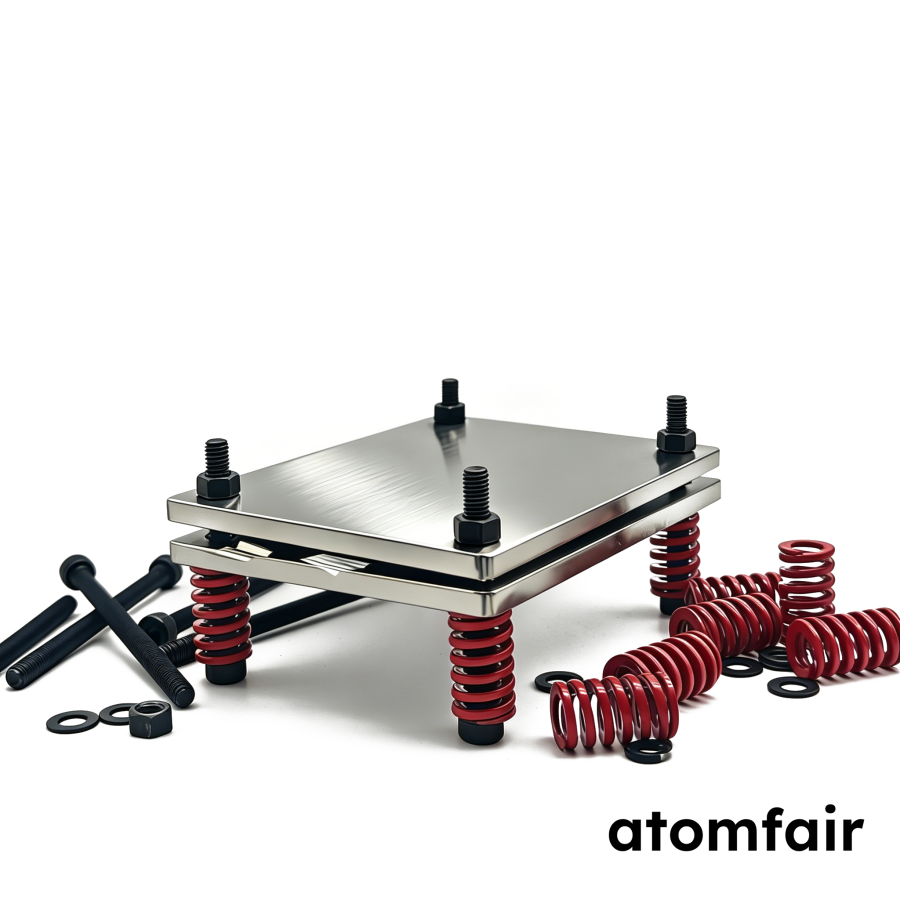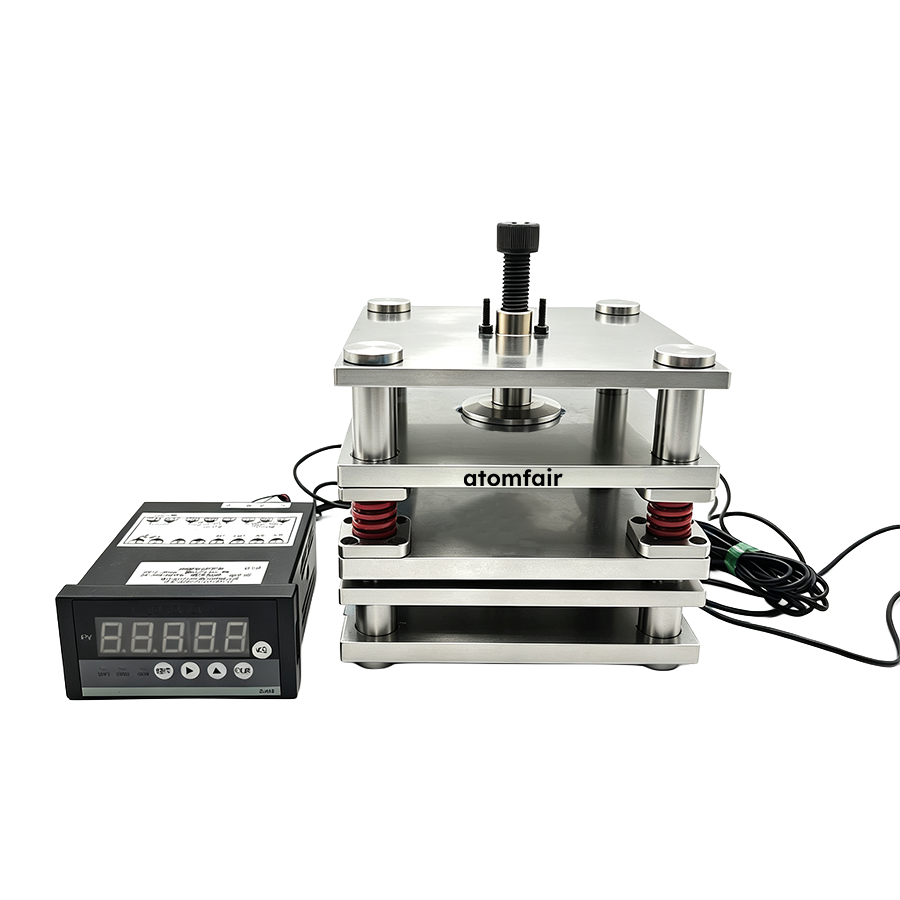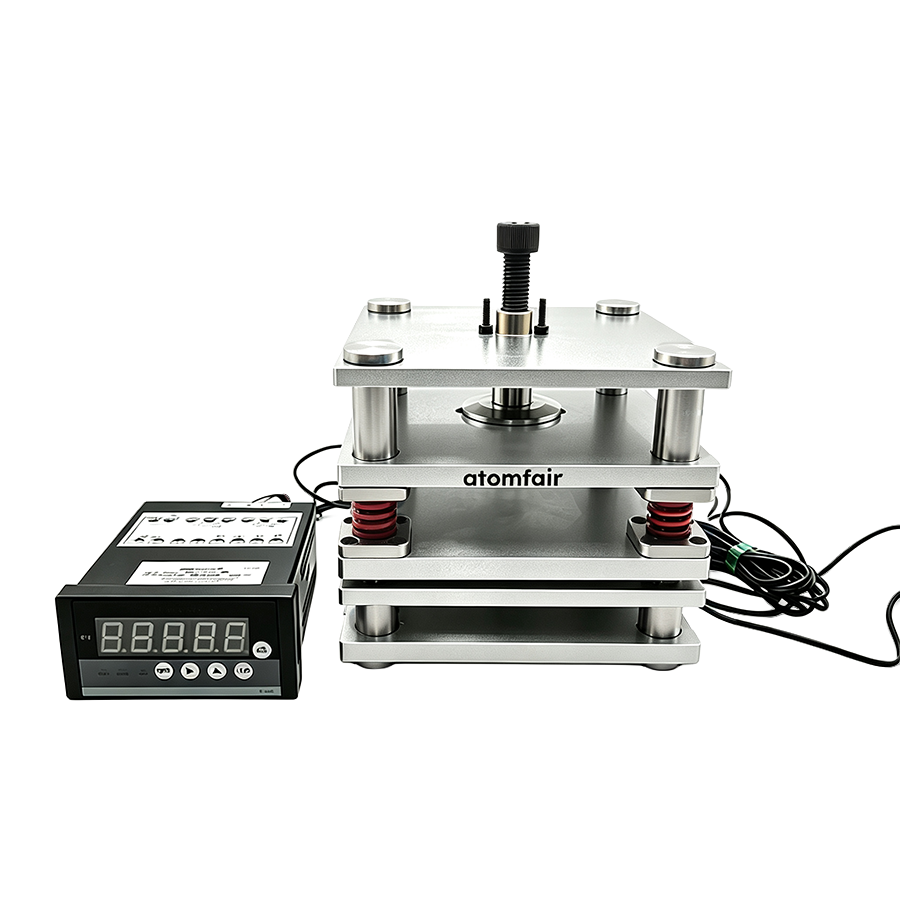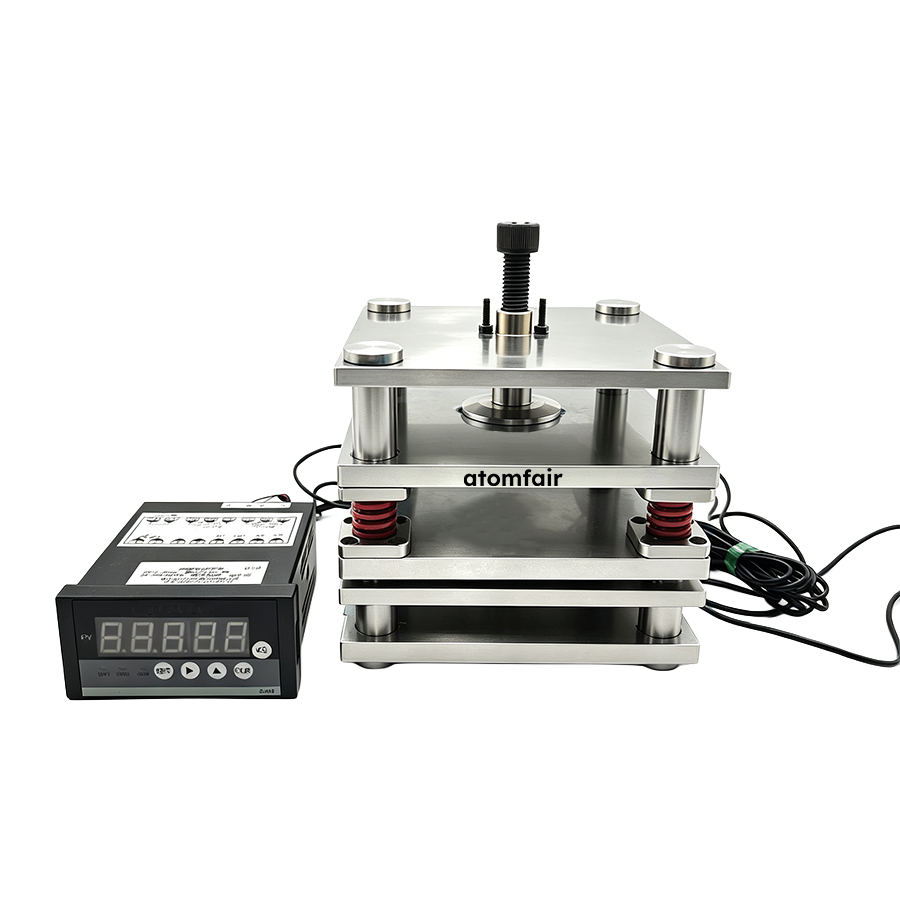
ATM-PCBT-304SS-5L POUCH CELL CYCLE TEST FIXTURERESEARCH GRADE MECHANICAL EQUIPMENT
|
|||||||||||||||||||||||||||||||||||||||||||||||||||||||||||||||||||||
|
|||||||||||||||||||||||||||||||||||||||||||||||||||||||||||||||||||||
|
TAILORED SOLUTIONS FOR RESEARCH
Contact our engineering team for technical support or official institutional quotations.
EMAIL: inquiry@atomfair.com
|
|||||||||||||||||||||||||||||||||||||||||||||||||||||||||||||||||||||
|
Manufacturer: Atomfair LLC
Brand: ATOMFAIR®
|
|||||||||||||||||||||||||||||||||||||||||||||||||||||||||||||||||||||
This fixture must not exceed a maximum theoretical structural load of 700 kg to prevent spring fatigue or calibration offsets. All sensor signal cables must be routed neatly through standard sealing ports when deployed inside climate chambers.
- Load Limit: Do not exceed the maximum theoretical structural load limit of 700 kg to avoid spring fatigue or calibration offsets.
- Cable Routing: Route all sensor signal cables neatly through standard sealing ports when operating inside climate chambers.
- Material Compatibility: The default 304 stainless steel construction resists regular electrolyte contact but is not suitable for prolonged immersion or aggressive electrolyte leakage.
- Thickness Adjustment: The adjustable thickness gap supports cells from 0.1 cm to 3.5 cm; ensure proper alignment to maintain uniform compression.
This procedure describes the safe installation and operation of the five-layer clamping fixture for pouch cell cycle testing. Follow these steps to ensure uniform pressure distribution and avoid mechanical overload.
Required Equipment: Single-nut locking mechanism, Die-spring displacement buffer array, Torque wrench (optional for precise tightening)
- Inspect fixture
Inspect the fixture for any visible damage or debris before each use. - Set cell thickness gap
Adjust the thickness gap to match the pouch cell dimensions within the 0.1–3.5 cm range. - Insert cells into grids
Place up to five pouch cells into the individual grid compartments ensuring proper alignment. - Tighten single nut
Tighten the single nut gradually until the standard working pressure of 450 kg is reached. - Route sensor cables
Route all sensor signal cables through the standard sealing ports if operating inside a climate chamber. - Verify load limit
Verify that the applied load does not exceed the maximum theoretical limit of 700 kg.
How does the size variation of the ATM-PCBT-304SS-5L affect its maximum load capacity and compatible cell dimensions?
The ATM-PCBT-304SS-5L is available in seven sizes with varying max loads and cell size limits. For example, the 10×78×105 mm size supports a max load of 450 kg and cells ≤12×48×75 mm, while the 12×150×180 mm size supports up to 700 kg and cells ≤36×120×150 mm. All sizes use a five-layer 304SS structure with single-nut locking for uniform pressure distribution.
What are the requirements for integrating the ATM-PCBT-304SS-5L with an environmental chamber for temperature-controlled cycling?
The fixture's adjustable thickness gap (0.1–3.5 cm) allows deployment inside climate chambers. Sensor signal cables must be routed through standard sealing ports to maintain chamber integrity. The five-layer structure supports testing thicker batteries or more cells simultaneously within chamber constraints.
What are the operational limits and maintenance considerations for the die-spring buffer array in the ATM-PCBT-304SS-5L?
The die-spring displacement buffer array provides continuous uniform compression and suppresses thickness expansion forces. The maximum theoretical load limit of 700 kg should not be exceeded to prevent spring fatigue or calibration offsets. The fixture is manufactured under ISO 9001 and RoHS standards with polished scratch-proof surface treatment.
This 304 stainless steel pouch cell cycle test fixture accommodates up to five cells simultaneously with a single-nut locking mechanism ensuring uniform compression up to 700 kg, but requires careful installation in climate chambers and adherence to load limits to maintain calibration.
Positive
- Uniform pressure distribution: Integrated single-nut locking configuration with die-spring buffer arrays eliminates localized stress concentrations, providing stable 100% uniform face-to-face compression across all five cell grids.
- High structural rigidity and corrosion resistance: Milled from heavy-duty 304 stainless steel, the fixture offers excellent wear resistance, low thermal expansion under standard chamber temperatures, and resistance to regular electrolyte contact for long-term durability.
Trade-offs
- Climate chamber cable routing required: When deploying inside climate chambers, sensor signal cables must be routed neatly through standard sealing ports to avoid interference or damage.
- Maximum load limit must be respected: Do not exceed the maximum theoretical structural load limit of 700 kg to prevent spring fatigue or calibration offsets, which could compromise test accuracy.
Every advanced material, component, equipment, and instrument in our catalog is backed by rigorous testing. We maintain strict internal quality management frameworks and align with CE conformity metrics to deliver transparent, reproducible performance data via our public open-science repository.
To request raw batch performance data, submit formal vendor registration paperwork, or execute a fast-turnaround R&D manufacturing loop, contact us at inquiry@atomfair.com.
Item is dispatched under the Atomfair Shipping & Delivery Framework (Free worldwide shipping on orders over $59 USD excl. heavy equipment). Return is governed by the Atomfair Return & Refund Policy (7-day technical return window).