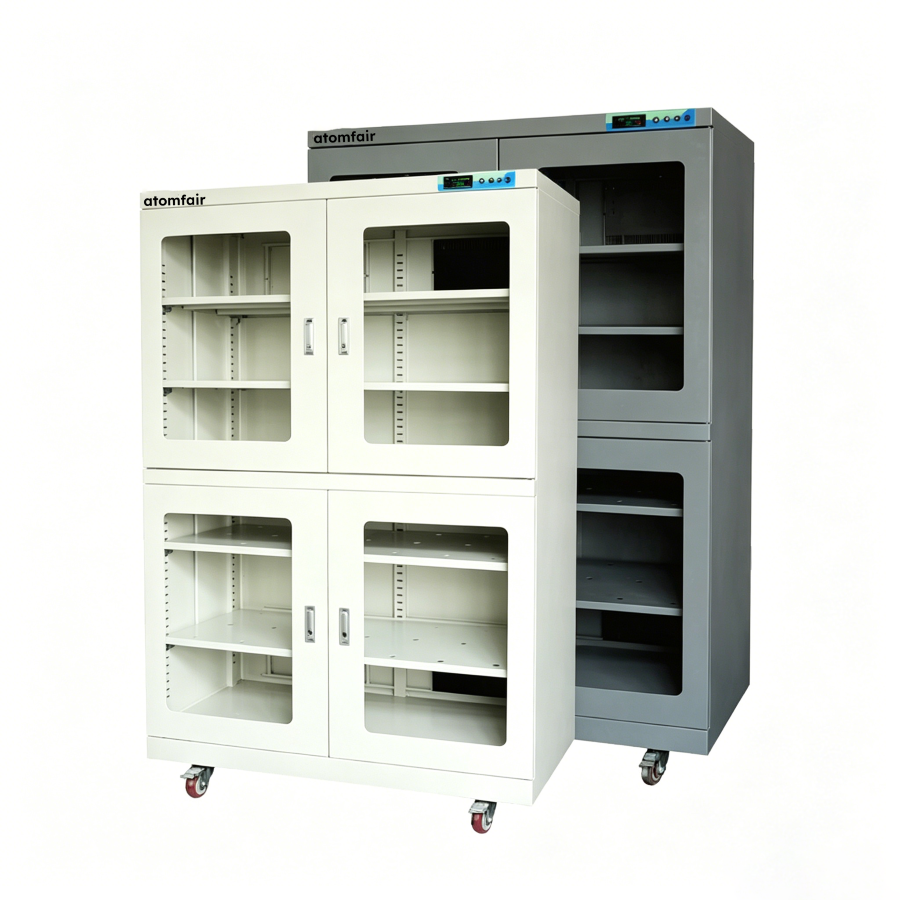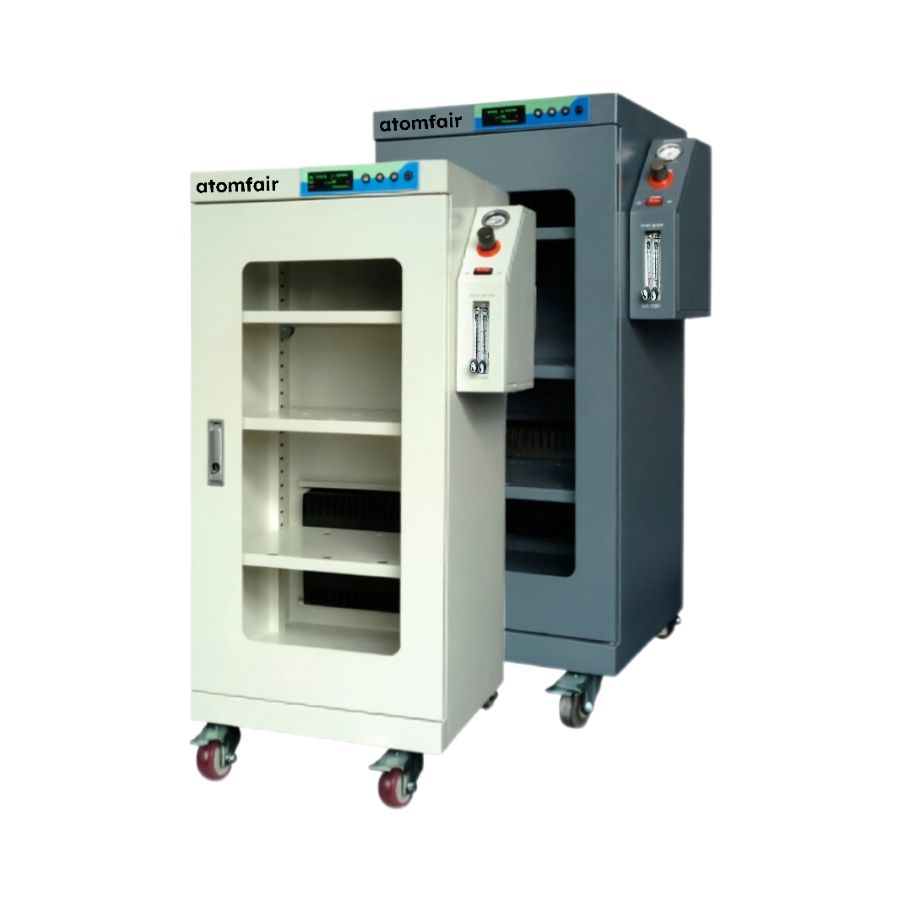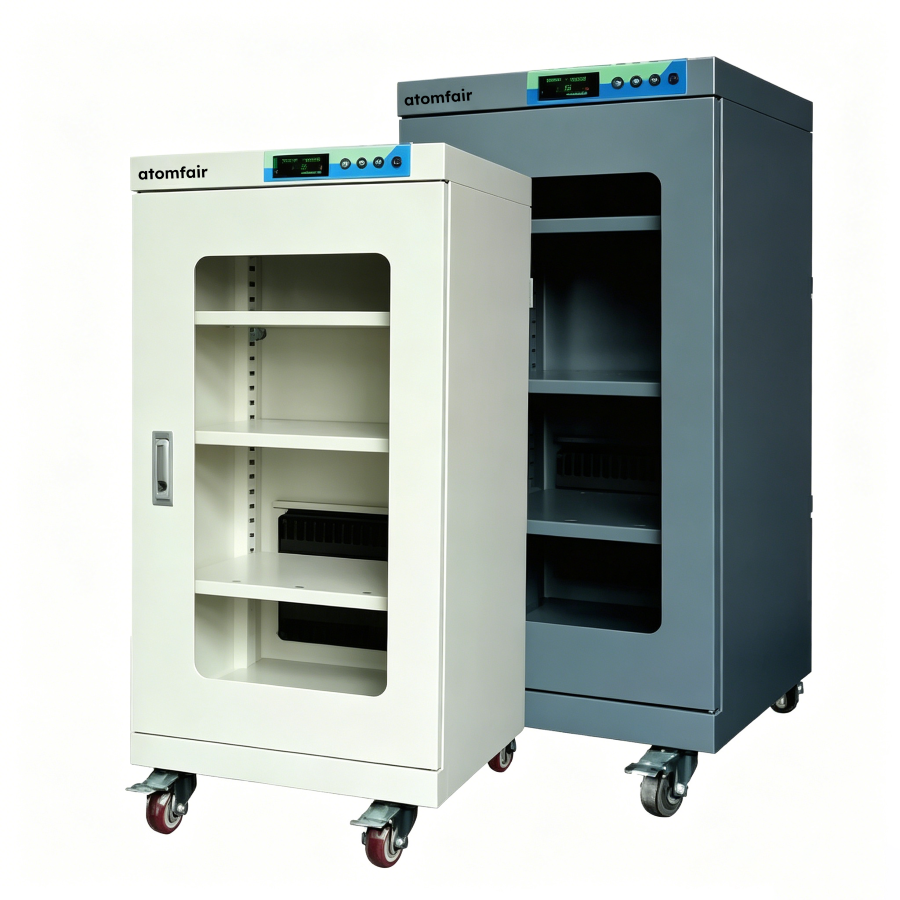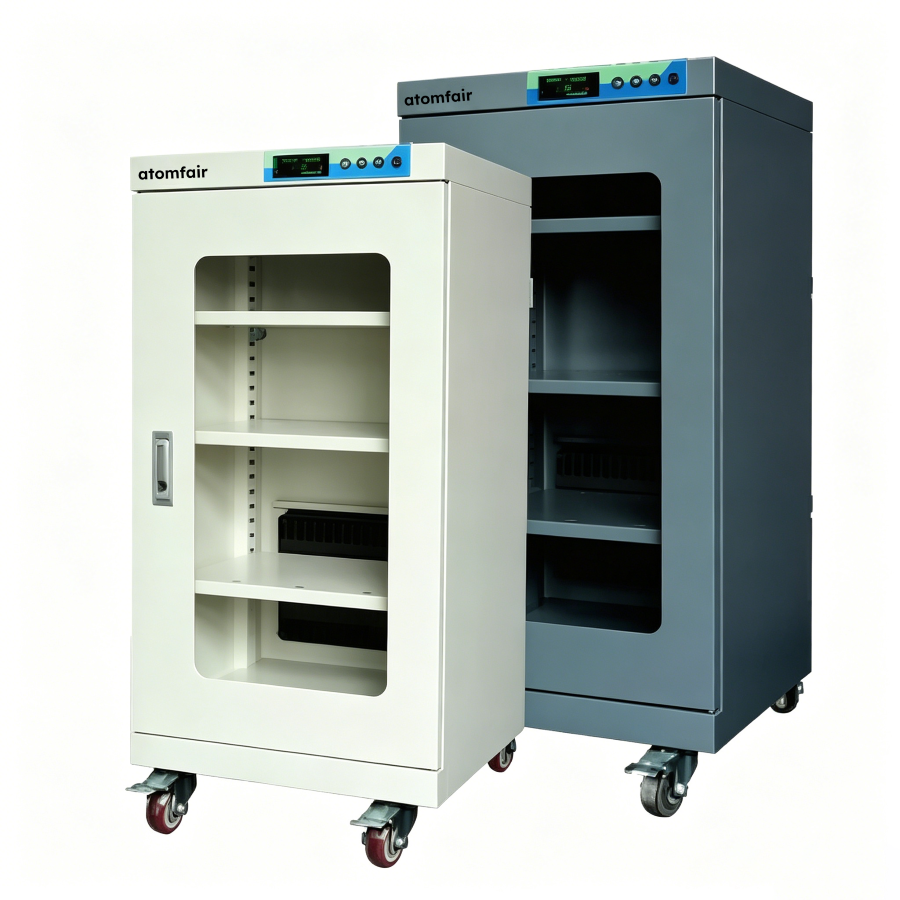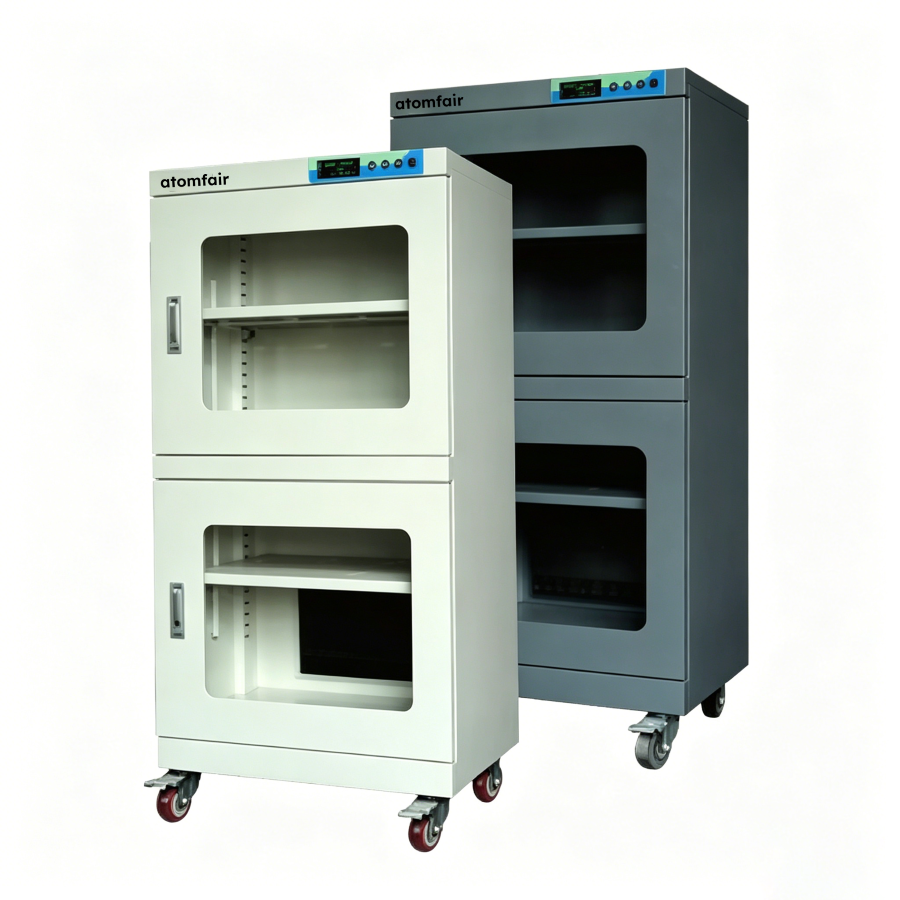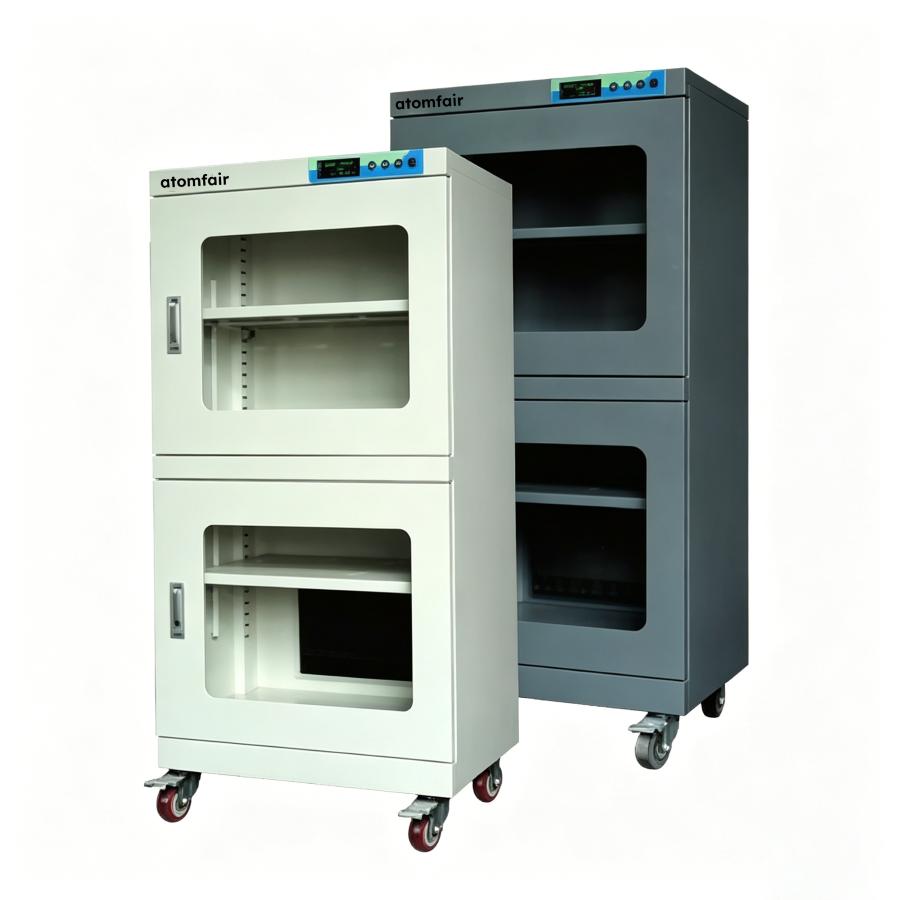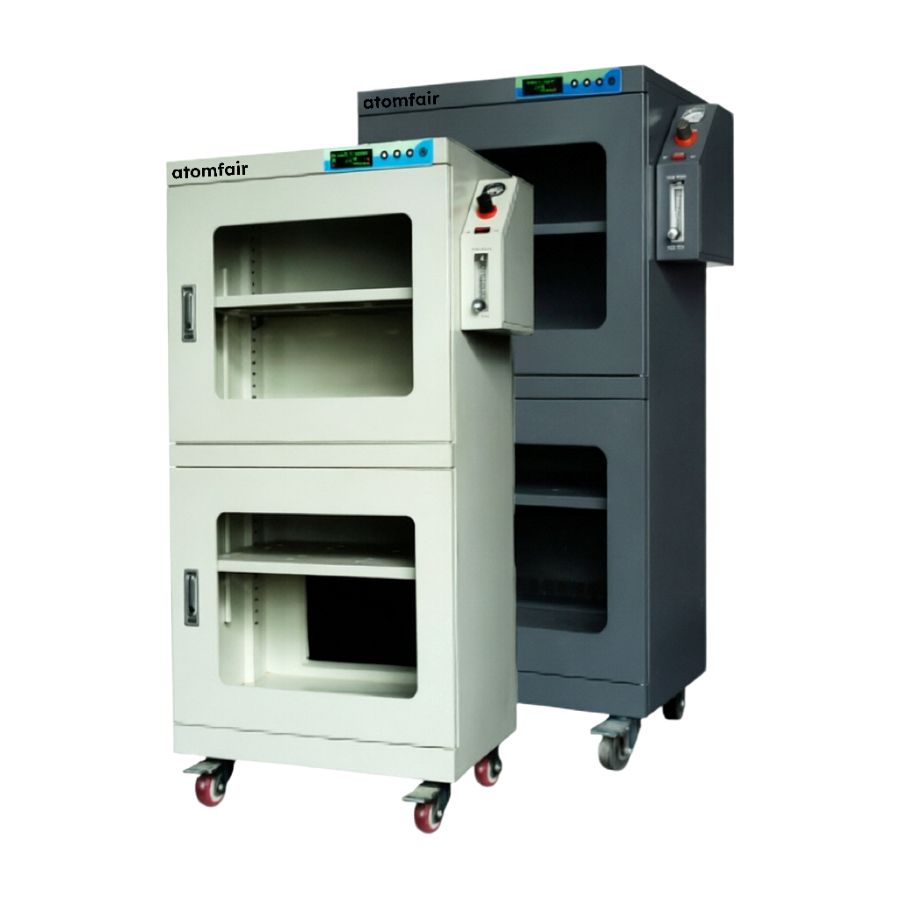
240L Moistureproof Nitrogen Integrated CabinetResearch-grade laboratory product
|
|||||||||||||||||||||||||||||||||||||||||
|
|||||||||||||||||||||||||||||||||||||||||
|
TAILORED SOLUTIONS FOR RESEARCH
For bulk orders, configuration review, accessory matching or application-specific guidance, contact our engineering sales team.
EMAIL: inquiry@atomfair.com
|
|||||||||||||||||||||||||||||||||||||||||
|
Manufacturer: Atomfair LLC
Brand: ATOMFAIR®
|
This cabinet requires stable indoor installation and proper sealing to maintain low-humidity conditions. Electrical and gas connections must be verified before operation to prevent equipment damage or unsafe conditions.
- Installation Stability: The cabinet must be placed on a stable, level indoor surface to prevent tipping and ensure proper door sealing.
- Sealing Integrity: The tempered-glass doors with magnetic sealing must be verified for proper closure after installation.
- Utility Verification: Stable nitrogen gas supply and appropriate electrical connections must be confirmed before the cabinet is placed into service.
- Load Distribution: Stored items must be distributed evenly across the three shelf levels to avoid exceeding the shelf-loading capacity.
- Operational Closure: The cabinet door must remain closed during normal use to maintain the low-humidity environment.
This procedure covers initial inspection, installation, and utility setup. Follow these steps to ensure safe and effective cabinet operation.
Required Equipment: Level, Regulated nitrogen supply
- Inspect and Verify
Inspect the cabinet after delivery for any damage and verify that all components are present. - Position and Level
Position the cabinet on a stable indoor surface and verify that it is level and that the door seals properly. - Connect Utilities
Confirm utility conditions by connecting the cabinet to a stable nitrogen supply and appropriate power source. - Load Materials
Distribute stored items evenly across the three adjustable shelves without exceeding the shelf-loading limits. - Maintain Closure
Keep the cabinet door closed during normal operation to maintain the low-humidity environment.
How does the 240L Moistureproof Nitrogen Integrated Cabinet achieve low humidity with reduced nitrogen consumption compared to standard nitrogen cabinets?
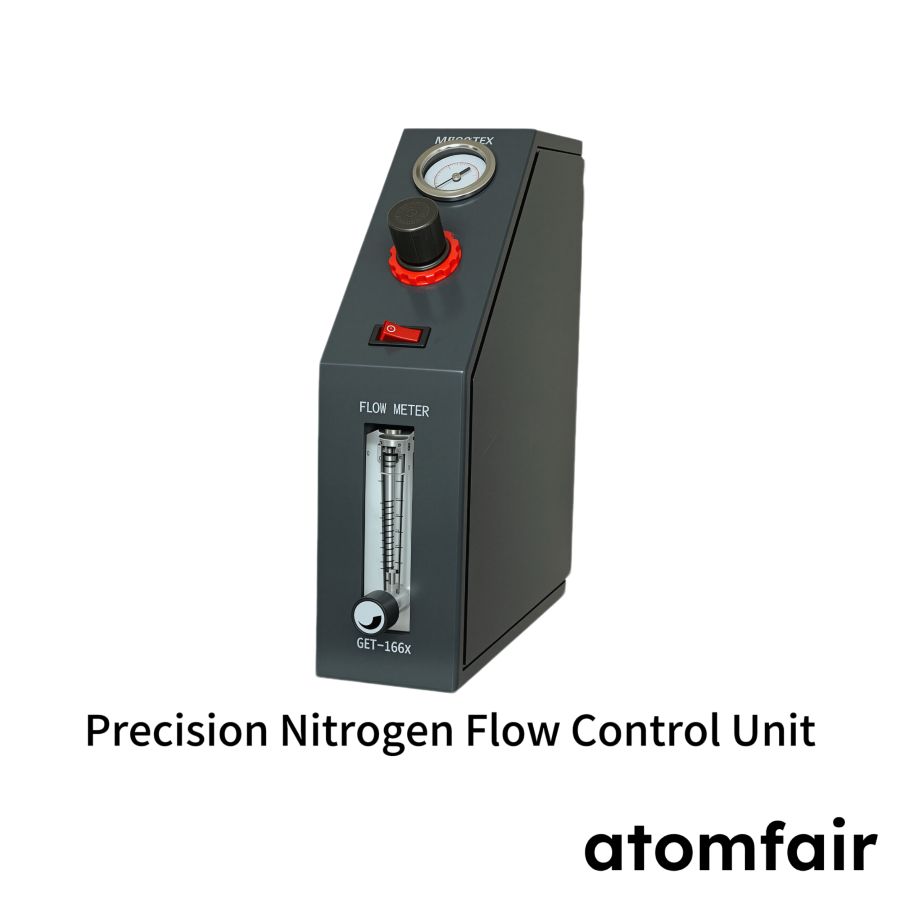
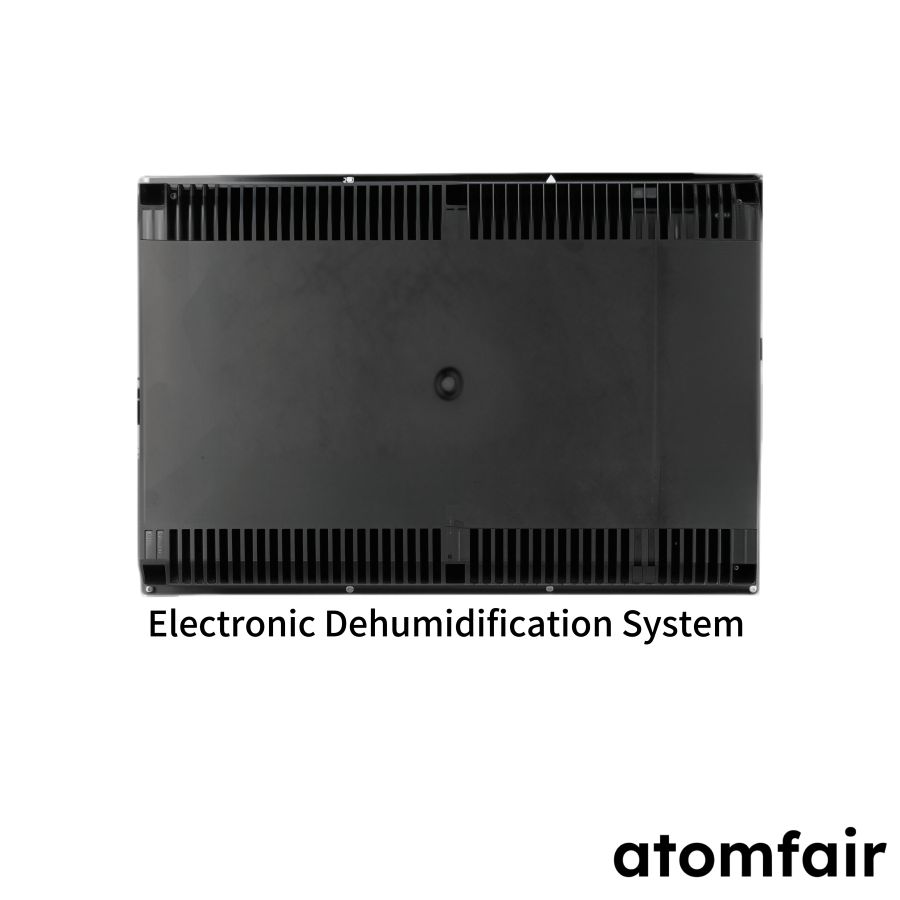
The cabinet uses an integrated dual-system architecture combining an electronic dehumidification core with a precision nitrogen-control device. The electronic dehumidification with regenerative absorbent polymer handles baseline moisture removal, while the nitrogen system is used only for rapid recovery, resulting in more than 50% reduction in nitrogen usage compared to ordinary nitrogen-only cabinets. The cabinet maintains a humidity control range of 1%-60% RH.
What types of moisture-sensitive materials are suitable for storage in the 240L Moistureproof Nitrogen Integrated Cabinet?
The cabinet is designed for storage of moisture-sensitive electronic parts, optical components, powders, films, and laboratory materials. It is suitable for research laboratories, electronics workshops, optical storage rooms, incoming-material control areas, and quality-control environments requiring low-humidity protection with efficient nitrogen management.
What installation and utility requirements must be met for proper operation of the 240L Moistureproof Nitrogen Integrated Cabinet?
The cabinet must be installed on a stable indoor surface and kept closed during normal use. Before operation, verify stable gas-supply conditions and confirm utility conditions such as power and gas connections. After delivery, inspect the cabinet for level installation and door sealing to ensure proper low-humidity performance.
The Atomfair AF-MNIC240 240L moistureproof nitrogen integrated cabinet combines electronic dehumidification and nitrogen control to achieve efficient low-humidity storage with reduced nitrogen consumption. Its dual-mode automatic switching and regenerative polymer dehumidification provide reliable humidity control, but the unit requires stable gas supply and power infrastructure, and the standard model lacks anti-static protection for ESD-sensitive materials.
Positive
- Integrated dual-mode dehumidification and nitrogen control: Combines an electronic dehumidification core with a precision nitrogen-control device, enabling automatic switching between modes to maintain low humidity while reducing nitrogen usage by over 50% compared to ordinary nitrogen cabinets.
- Automatic switching and regenerative polymer dehumidification: Fully automatic mode switching based on cabinet humidity conditions, paired with a regenerative absorbent polymer that allows repeat-use moisture control without manual intervention.
Trade-offs
- Requires stable gas supply and power infrastructure: The cabinet must be installed on a stable indoor surface with verified gas-supply conditions and connected to power and gas utilities before operation, adding site-preparation requirements.
- Standard cabinet lacks ESD protection: The base model uses a white galvanized steel cabinet; an anti-static coating upgrade is required as an optional item for electrostatic-sensitive environments, which is not included by default.
Every advanced material, component, equipment, and instrument in our catalog is backed by rigorous testing. We maintain strict internal quality management frameworks and align with CE conformity metrics to deliver transparent, reproducible performance data via our public open-science repository.
To request raw batch performance data, submit formal vendor registration paperwork, or execute a fast-turnaround R&D manufacturing loop, contact us at inquiry@atomfair.com.
Item is dispatched under the Atomfair Shipping & Delivery Framework (Free worldwide shipping on orders over $59 USD excl. heavy equipment). Return is governed by the Atomfair Return & Refund Policy (7-day technical return window).