High-Energy-Density Power-Type Semi-Solid Battery – Long Range Series | ATOMFAIRCOMMERCIAL GRADE · PRODUCTION
|
|||||||||||||||||||||||||||||||||||||||||||
|
|||||||||||||||||||||||||||||||||||||||||||
|
TAILORED SOLUTIONS FOR RESEARCH
Contact our engineering team for technical support or official institutional quotations.
EMAIL: inquiry@atomfair.com
|
|||||||||||||||||||||||||||||||||||||||||||
|
Manufacturer: Atomfair LLC
Brand: ATOMFAIR®
|
|||||||||||||||||||||||||||||||||||||||||||
The semi-solid battery cells require strict voltage and temperature limits during operation. Proper storage in moisture-barrier packaging and preconditioning are necessary to maintain safety and cycle life.
- Voltage Limits: Operate within 2.75V to 4.2V to prevent overdischarge or overcharge.
- Temperature Limits: Avoid sustained exposure above 60°C to prevent thermal runaway.
- BMS Requirement: Use a BMS with overcurrent and low-temperature protection.
- Preconditioning: Precondition cells at 25°C before first high-rate discharge.
- Moisture Sensitivity: Store in moisture-barrier vacuum-sealed packaging to prevent electrolyte degradation.
Before first use, cells must be preconditioned at 25°C and connected to a compatible BMS. Throughout operation, voltage and temperature must be monitored to stay within the specified safe limits.
Required Equipment: Battery Management System (BMS) with overcurrent and low-temperature protection
- Inspect Packaging
Inspect the moisture-barrier packaging for any damage prior to use. - Precondition Cells
Precondition the cells at 25°C before the first high-rate discharge. - Connect BMS
Connect a BMS that provides overcurrent and low-temperature protection. - Monitor Voltage
Confirm the operating voltage remains between 2.75V and 4.2V during charge and discharge. - Monitor Temperature
Monitor the cell temperature to avoid sustained exposure above 60°C.
What are the required voltage limits and temperature constraints for the ATOMFAIR semi-solid battery, and why is a BMS with overcurrent and low-temperature protection necessary?
The ATOMFAIR semi-solid battery must be operated within 2.75V–4.2V and avoid sustained temperatures above 60°C. A BMS with overcurrent and low-temperature protection is required to prevent damage from extreme conditions, as the battery's semi-solid electrolyte design maintains stability but requires precise voltage and thermal management to ensure safe high-rate discharge up to 7C pulse.
Can the ATOMFAIR semi-solid battery be supplied with custom dimensions or electrode formulations, and what is the typical process for requesting such modifications?
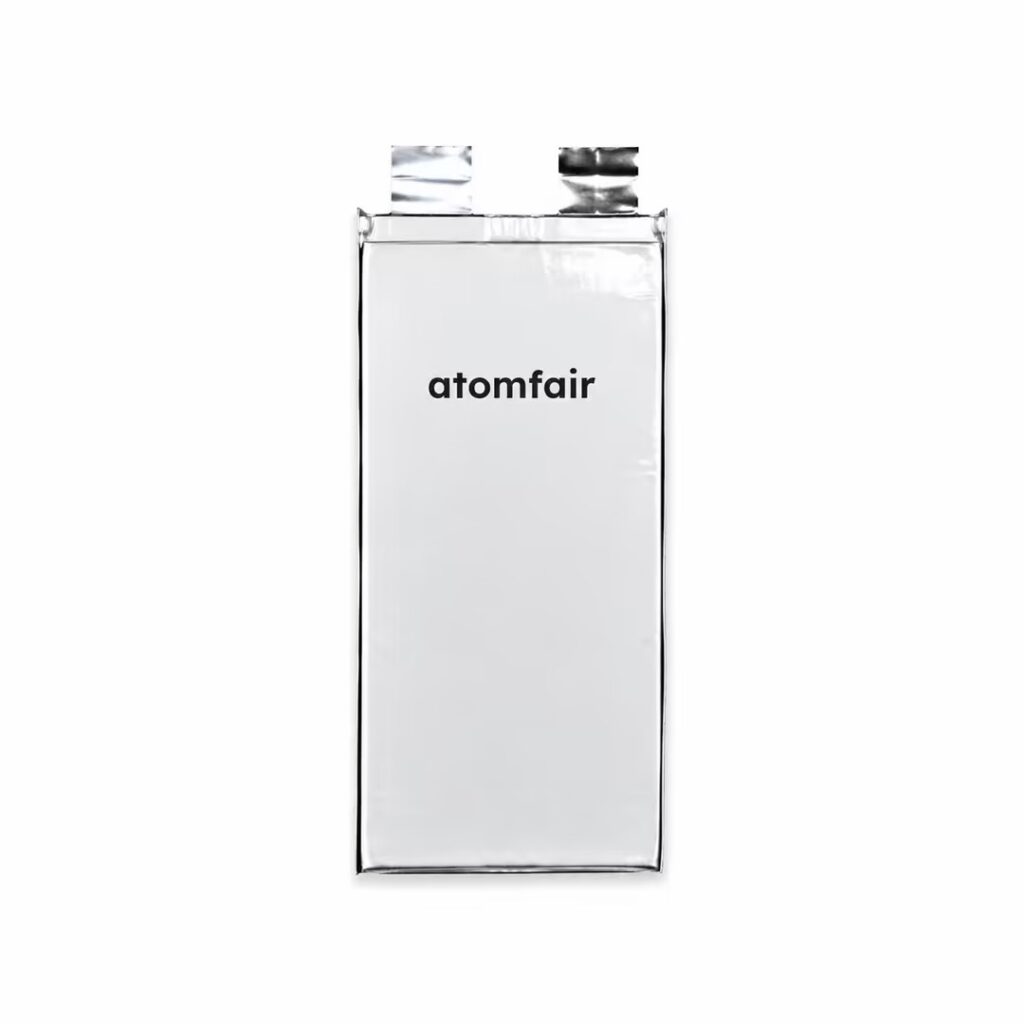
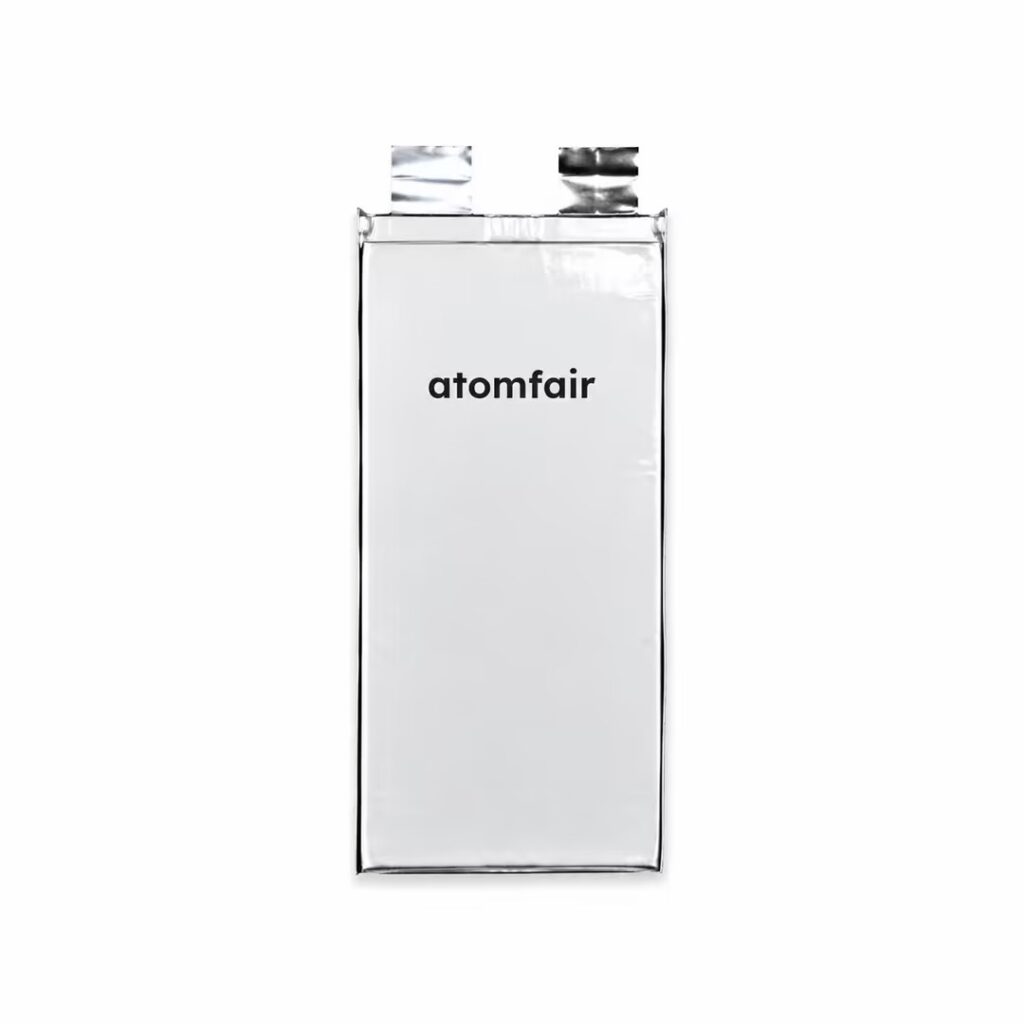
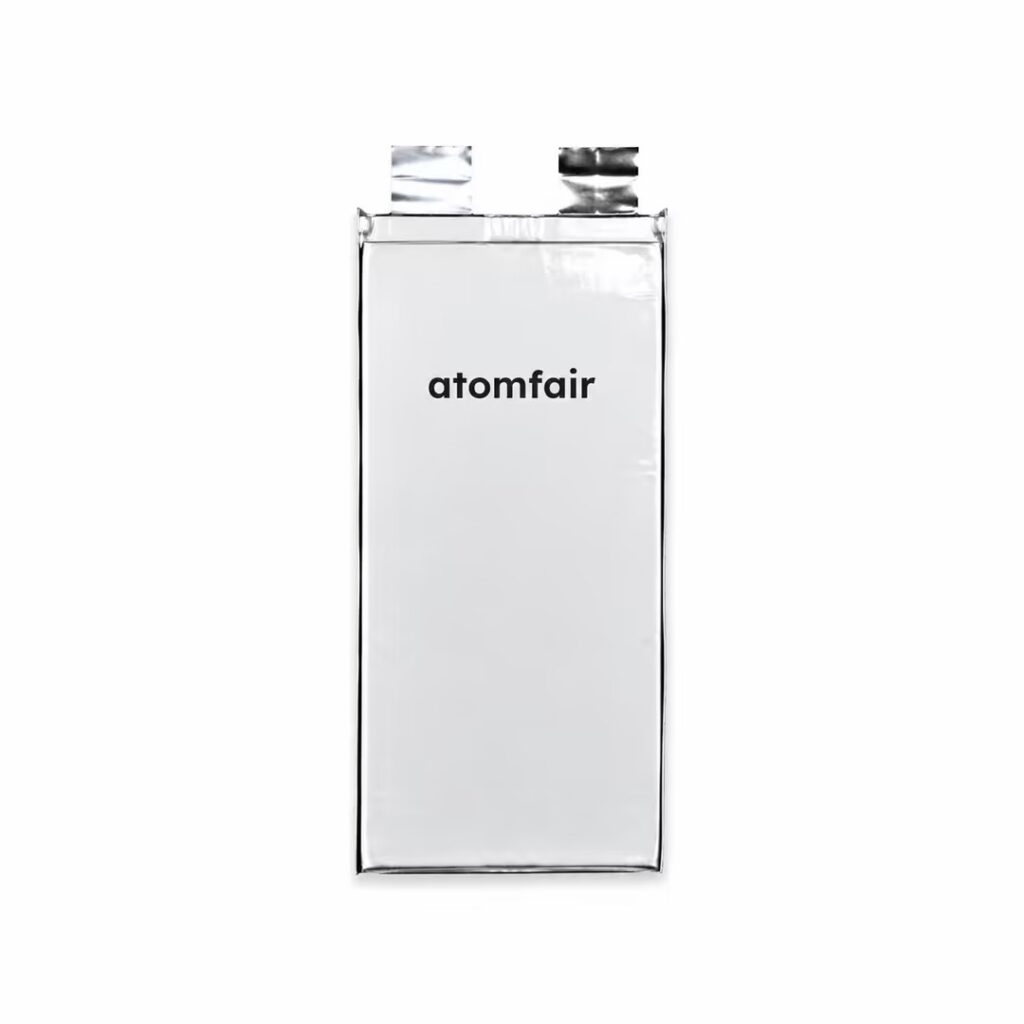
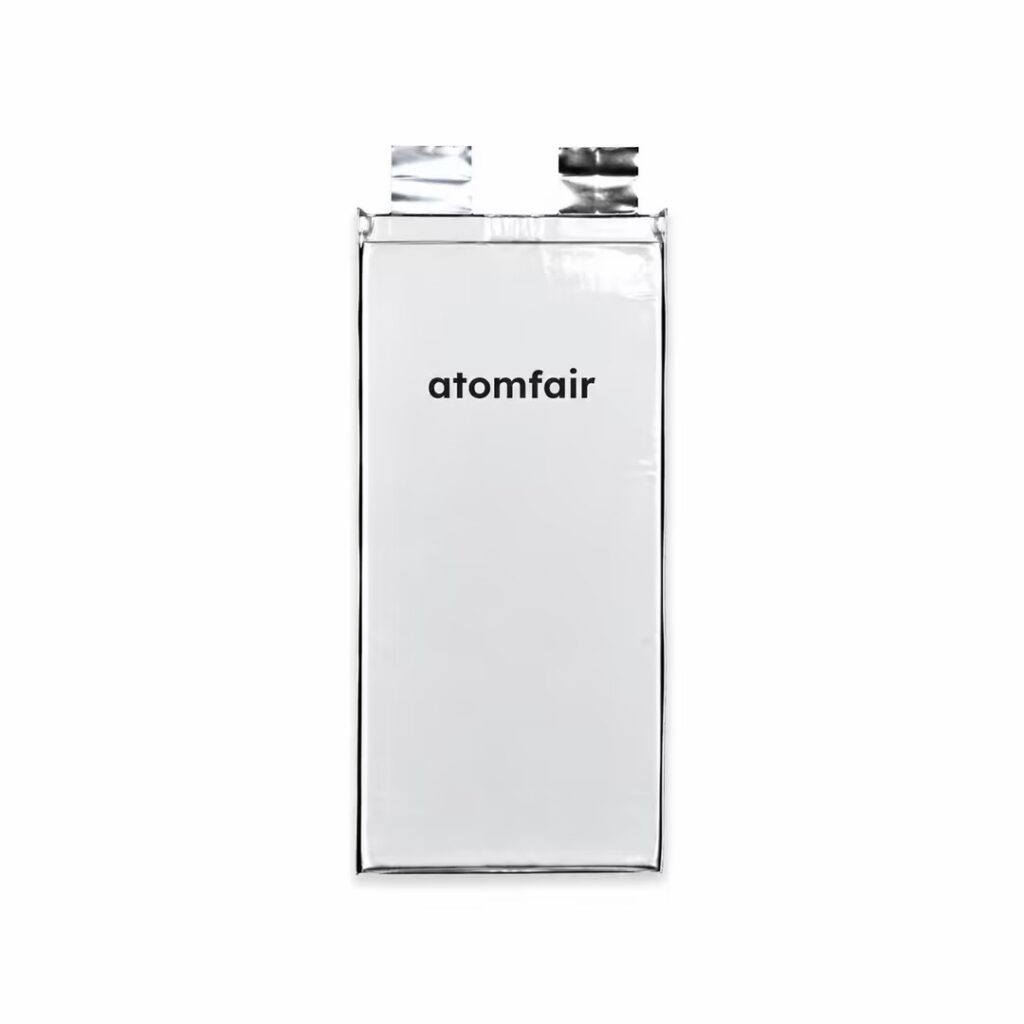
Yes, ATOMFAIR offers custom form factors and electrode formulations upon request. The standard Long Range Series includes three pouch formats (e.g., 10.5×105×230 mm for 52Ah), but for bulk institutional orders, contact the engineering team via inquiry@atomfair.com to discuss specific integration requirements and minimum order quantities.
How does the semi-solid electrolyte design improve safety and performance compared to conventional liquid electrolyte lithium-ion batteries?
The semi-solid electrolyte eliminates leakage and reduces flammability, improving mechanical stability and safety. It also enables an ultra-high energy density of 320–370 Wh/kg while supporting 5C continuous and 7C pulse discharge, offering a balance of high energy and power output suitable for long-endurance eVTOL and high-performance EV applications.
The ATOMFAIR Semi-Solid Battery Long Range Series delivers 320–370 Wh/kg energy density with semi-solid electrolyte safety, supporting 5C continuous and 7C pulse discharge across -40°C to 60°C, while requiring strict 2.75V–4.2V operation and BMS integration for reliable cycling.
Positive
- Ultra-high energy density: 320–370 Wh/kg enables extended runtime and lightweight pack design for eVTOL, EVs, and UAVs.
- Semi-solid electrolyte safety: Enhanced safety with no leakage, reduced flammability, and improved mechanical stability over liquid electrolytes.
Trade-offs
- Voltage and temperature limits: Strict operation within 2.75V–4.2V and avoidance of sustained temperatures above 60°C are required to maintain performance and safety.
- BMS and preconditioning required: A BMS with overcurrent and low-temperature protection is mandatory; cells must be preconditioned at 25°C before first high-rate discharge.
Every advanced material, component, equipment, and instrument in our catalog is backed by rigorous testing. We maintain strict internal quality management frameworks and align with CE conformity metrics to deliver transparent, reproducible performance data via our public open-science repository.
To request raw batch performance data, submit formal vendor registration paperwork, or execute a fast-turnaround R&D manufacturing loop, contact us at inquiry@atomfair.com.
Item is dispatched under the Atomfair Shipping & Delivery Framework (Free worldwide shipping on orders over $59 USD excl. heavy equipment). Return is governed by the Atomfair Return & Refund Policy (7-day technical return window).