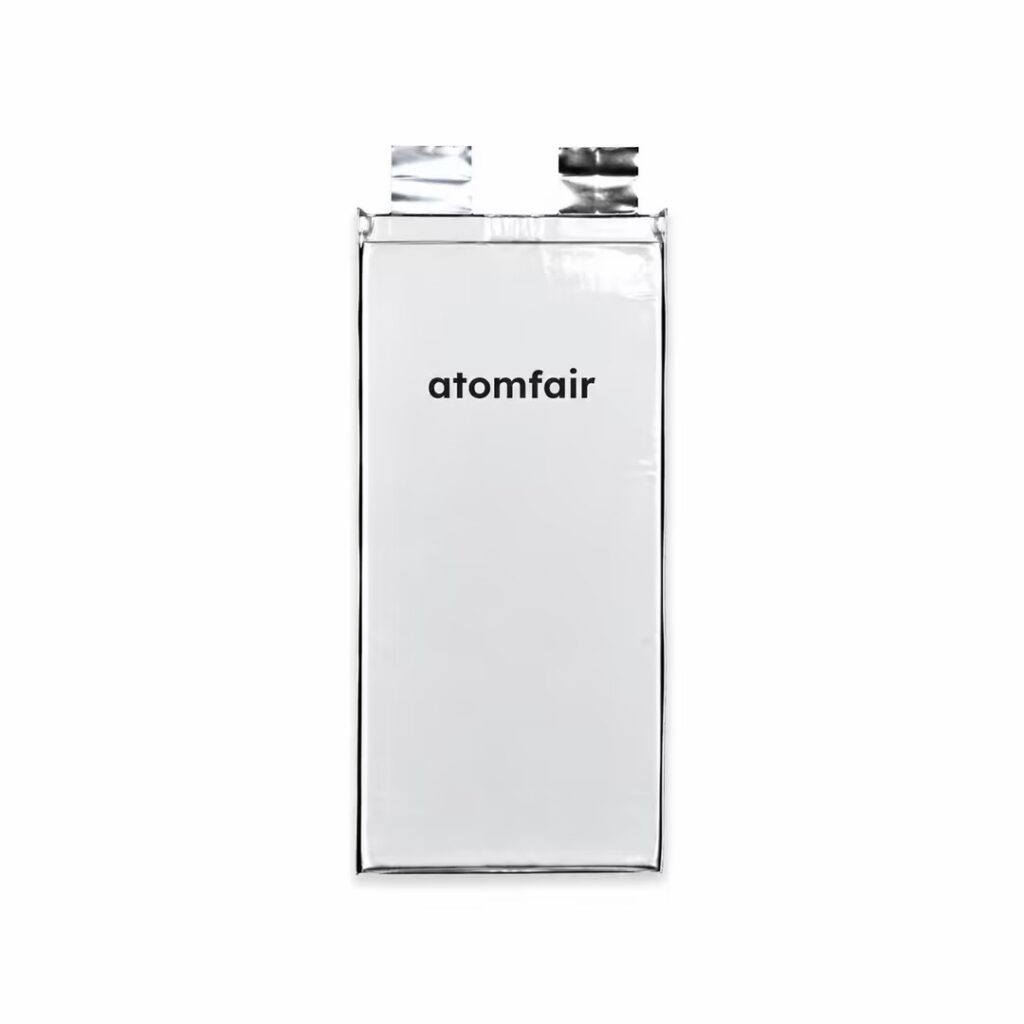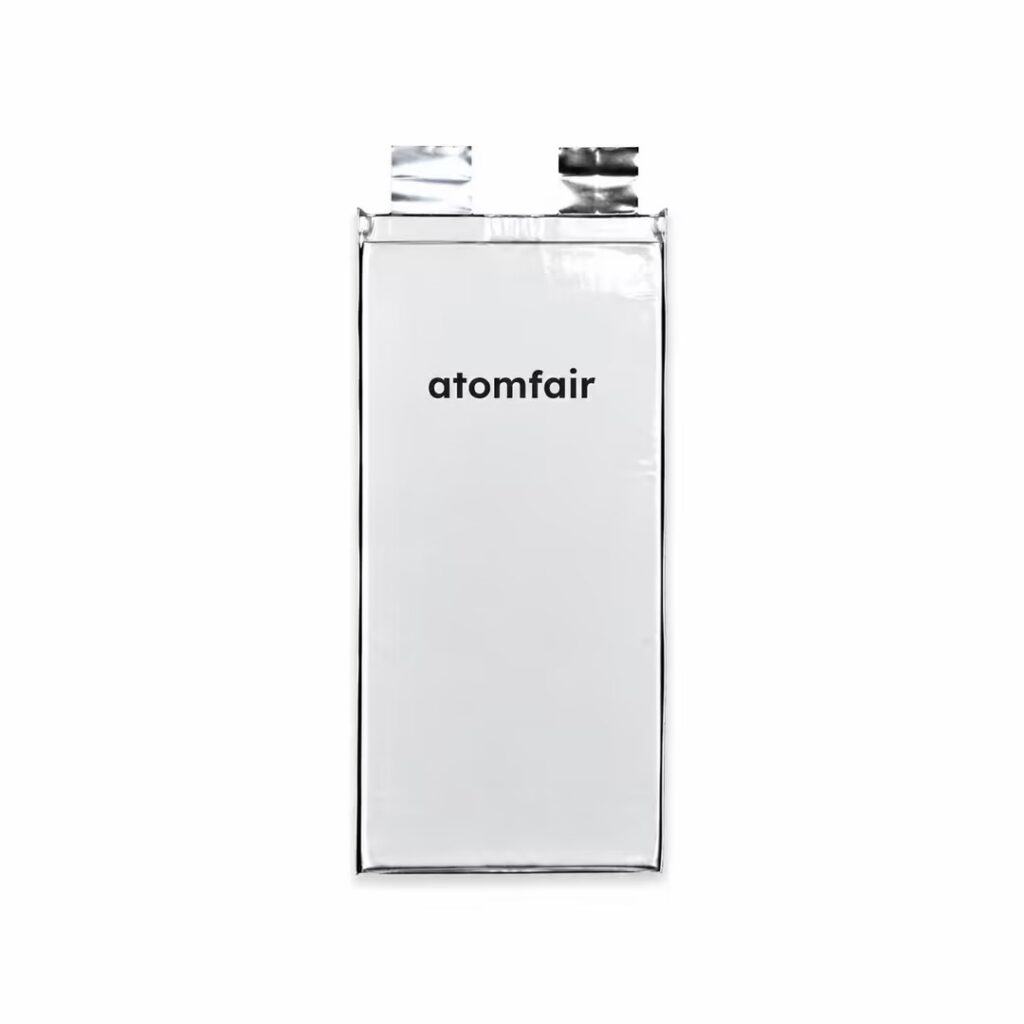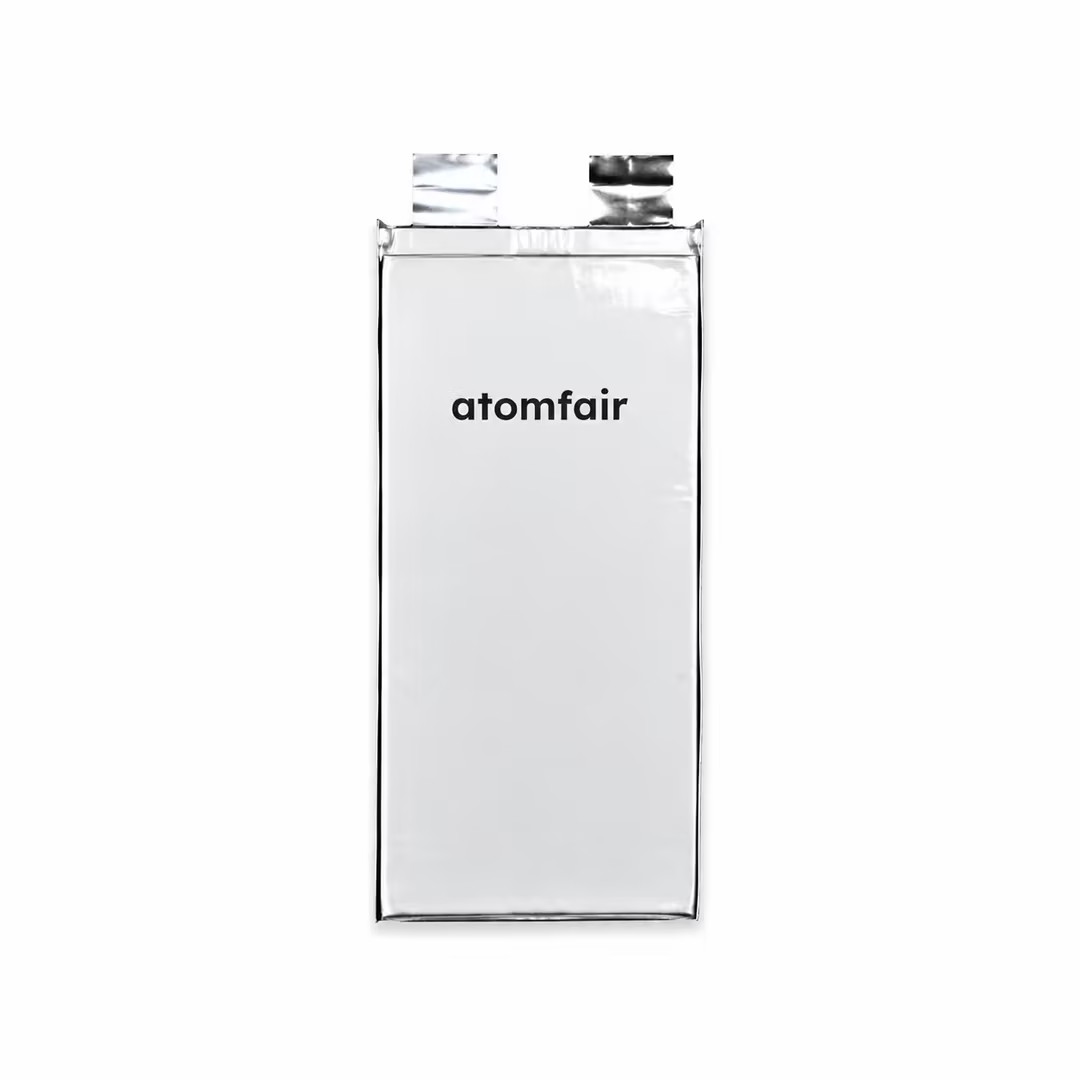
High-Energy-Density Power-Type Semi-Solid Battery – Long Cycle Series | ATOMFAIRCOMMERCIAL GRADE · PRODUCTION
|
|||||||||||||||||||||||||||||||||||||||||||
|
|||||||||||||||||||||||||||||||||||||||||||
|
TAILORED SOLUTIONS FOR RESEARCH
Contact our engineering team for technical support or official institutional quotations.
EMAIL: inquiry@atomfair.com
|
|||||||||||||||||||||||||||||||||||||||||||
|
Manufacturer: Atomfair LLC
Brand: ATOMFAIR®
|
|||||||||||||||||||||||||||||||||||||||||||
Store the battery in a dry, cool environment below 60°C within the original moisture-barrier packaging to prevent degradation. Operate strictly within 2.75V–4.2V and integrate a BMS with overcurrent and low-temperature protection to avoid thermal runaway or capacity loss.
- Voltage Window: Maintain cell voltage between 2.75V and 4.2V during all operation to prevent over-discharge or overcharge damage.
- Temperature Limits: Avoid sustained ambient temperature above 60°C and ensure discharge stays within the rated -40°C to 60°C range.
- Pre-conditioning Requirement: Pre-condition the cell at 25°C before the first high-rate discharge to stabilize internal chemistry.
- BMS Integration: Always use a BMS with overcurrent and low-temperature protection to safeguard against fault conditions.
- Packaging Integrity: Keep the battery sealed in its moisture-barrier vacuum bag until use to avoid moisture ingress and electrolyte instability.
Follow these steps to safely prepare the battery for first use and ensure long cycle life. Adhere to all voltage and temperature limits during handling and operation.
Required Equipment: Battery Management System (BMS) with overcurrent and low-temperature protection
- Inspect Packaging
Inspect the moisture-barrier vacuum-sealed bag for any punctures or tears before opening. - Verify Voltage
Verify the cell voltage is between 2.75V and 4.2V using a calibrated voltmeter. - Connect BMS
Install a BMS with overcurrent and low-temperature protection according to the manufacturer's wiring diagram. - Pre-condition Cell
Pre-condition the cell at 25°C for at least 2 hours before the first high-rate discharge. - Monitor Operating Temperature
Ensure the operating environment stays between -40°C and 60°C during discharge to avoid thermal stress.
What is the maximum continuous and pulse discharge rate of the ATOMFAIR semi-solid battery Long Cycle Series?
The battery supports 5C continuous discharge and 10C pulse discharge for up to 3 minutes across all three capacities (25.5 Ah, 35.5 Ah, 50 Ah). This high power capability is enabled by the semi-solid electrolyte design, which provides low internal resistance.
What voltage and temperature constraints must be observed when integrating the ATOMFAIR Long Cycle Series into an eVTOL or EV battery pack?
The operating voltage range is 2.75 V to 4.2 V with a nominal voltage of 3.58 V. Discharge is rated from -40°C to 60°C. A BMS with overcurrent and low-temperature protection is required, and cells must be pre-conditioned at 25°C before the first high-rate discharge.
How are the semi-solid electrolyte pouch cells packaged for storage and what safety precautions are recommended?
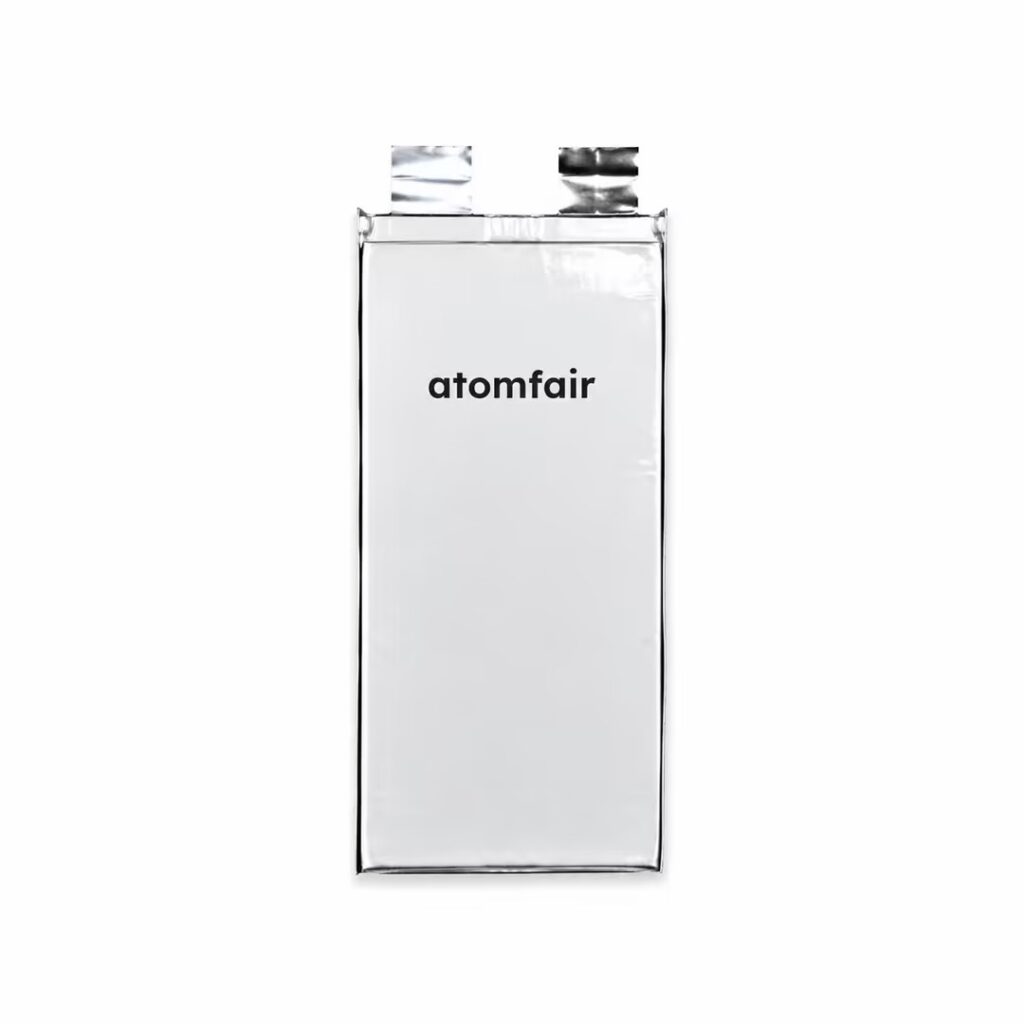
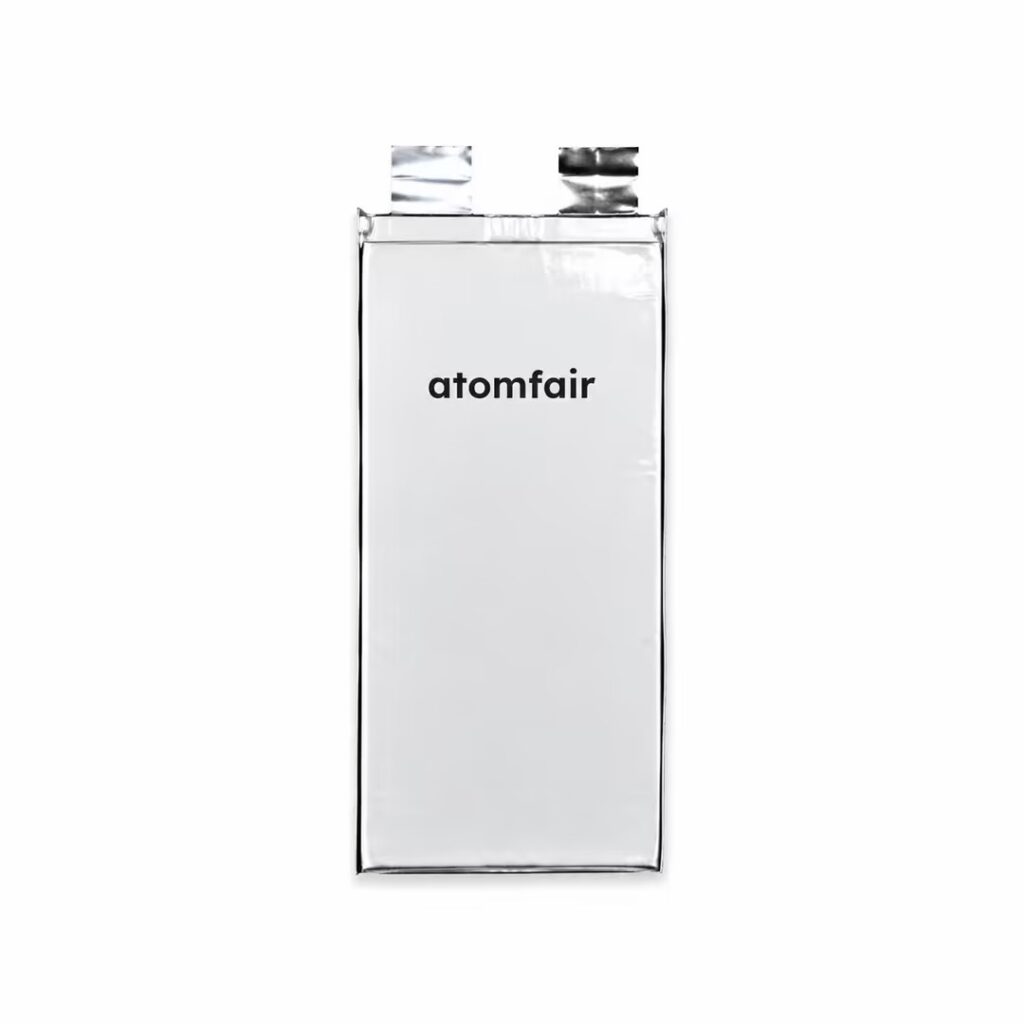
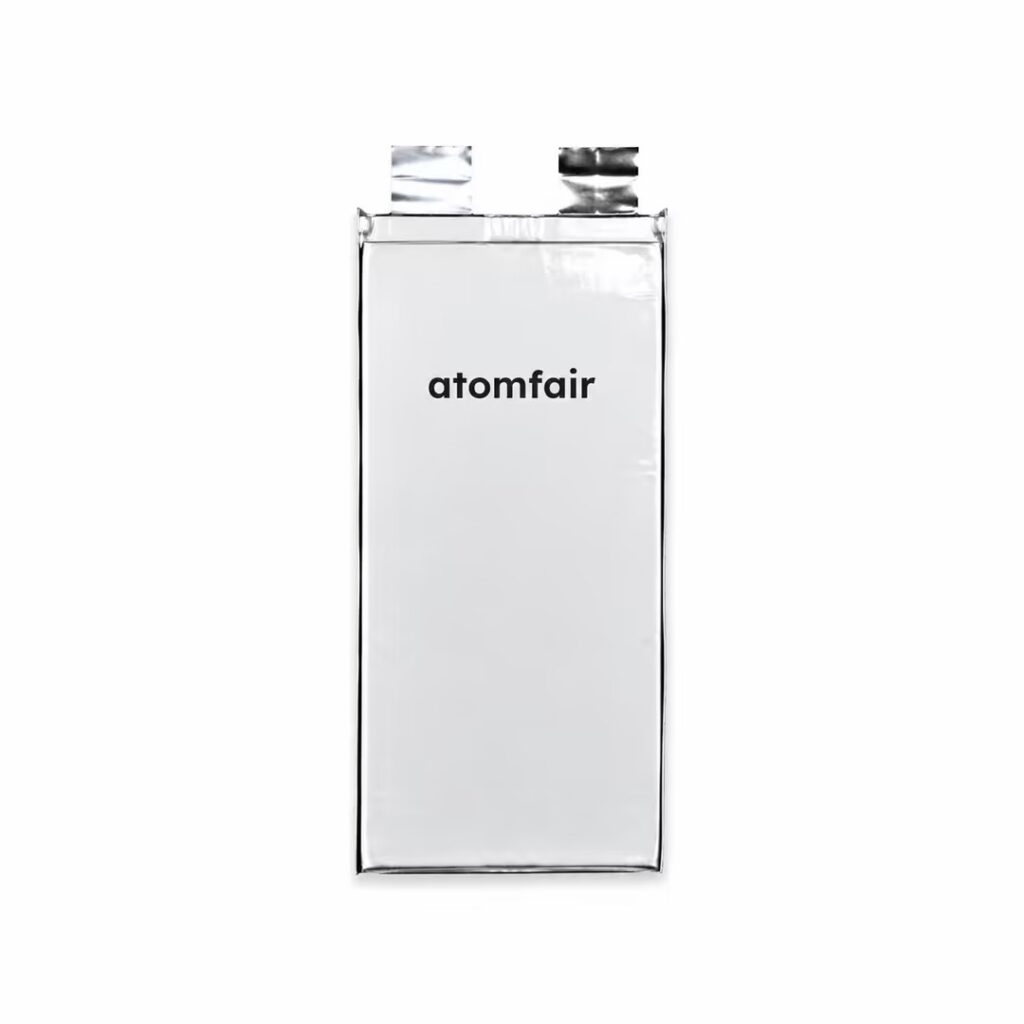
Cells are packaged in moisture-barrier vacuum-sealed aluminum foil bags and individually placed in anti-static cartons. Sustained temperatures above 60°C must be avoided. The semi-solid electrolyte reduces leakage and flammability compared to liquid electrolytes, but standard lithium-ion safety protocols and BMS protection are still required.
This semi-solid battery series offers a balance of high energy density (300–370 Wh/kg) and high power capability (5C continuous, 10C pulse) with enhanced safety from semi-solid electrolyte, but cycle life is limited to ≥800 cycles at 80% SOH and requires careful BMS integration and pre-conditioning for high-rate discharge.
Positive
- High energy density for compact packs: 300–370 Wh/kg enables lightweight, space-efficient battery packs for weight-sensitive applications such as eVTOL and UAVs.
- Semi-solid electrolyte enhances safety: Non-leaking, reduced flammability, and improved mechanical stability compared to liquid electrolytes, lowering thermal runaway risk.
Trade-offs
- Cycle life limited to 800 cycles at 80% SOH: Under 1C/1C conditions, the cells reach 80% state of health after ≥800 cycles, which may be insufficient for applications requiring ultra-long calendar life.
- Requires BMS and pre-conditioning for high-rate use: A battery management system with overcurrent and low-temperature protection is mandatory, and cells must be pre-conditioned at 25°C before first high-rate discharge.
Every advanced material, component, equipment, and instrument in our catalog is backed by rigorous testing. We maintain strict internal quality management frameworks and align with CE conformity metrics to deliver transparent, reproducible performance data via our public open-science repository.
To request raw batch performance data, submit formal vendor registration paperwork, or execute a fast-turnaround R&D manufacturing loop, contact us at inquiry@atomfair.com.
Item is dispatched under the Atomfair Shipping & Delivery Framework (Free worldwide shipping on orders over $59 USD excl. heavy equipment). Return is governed by the Atomfair Return & Refund Policy (7-day technical return window).