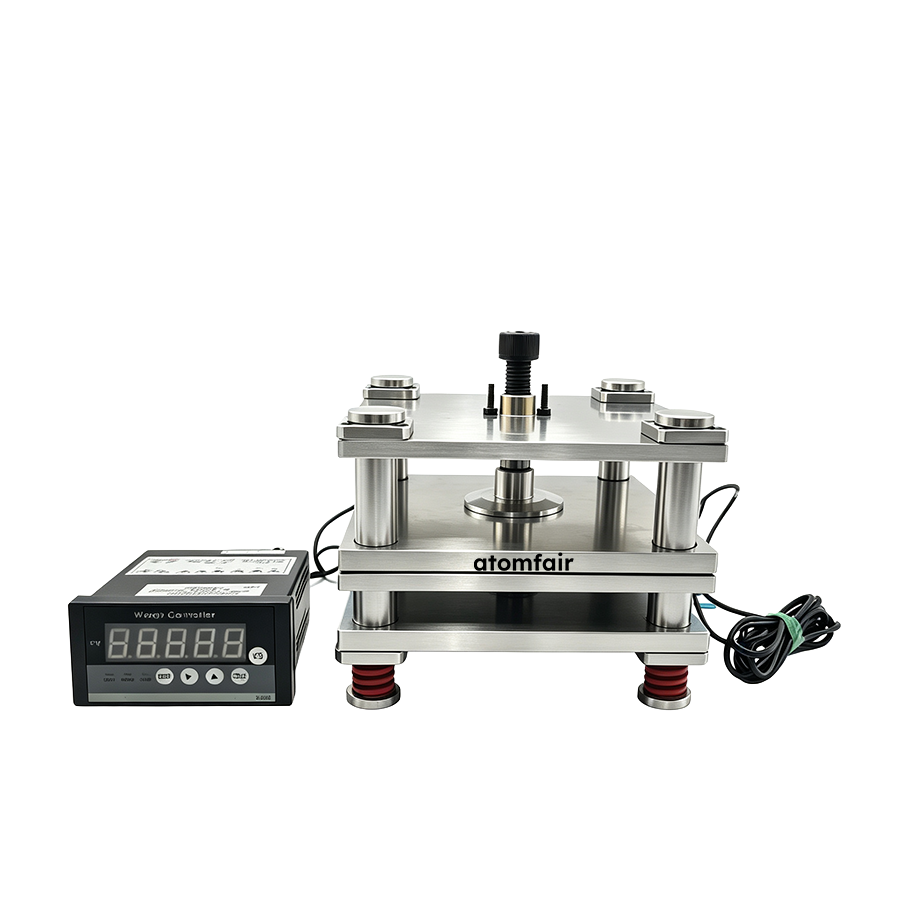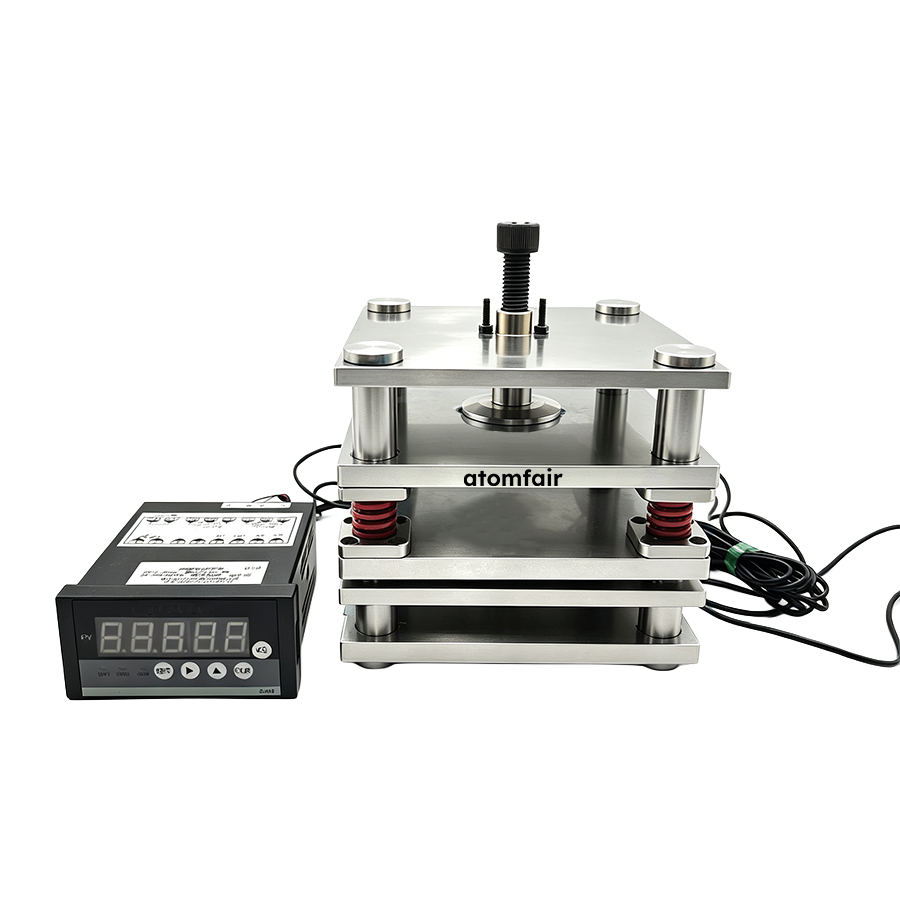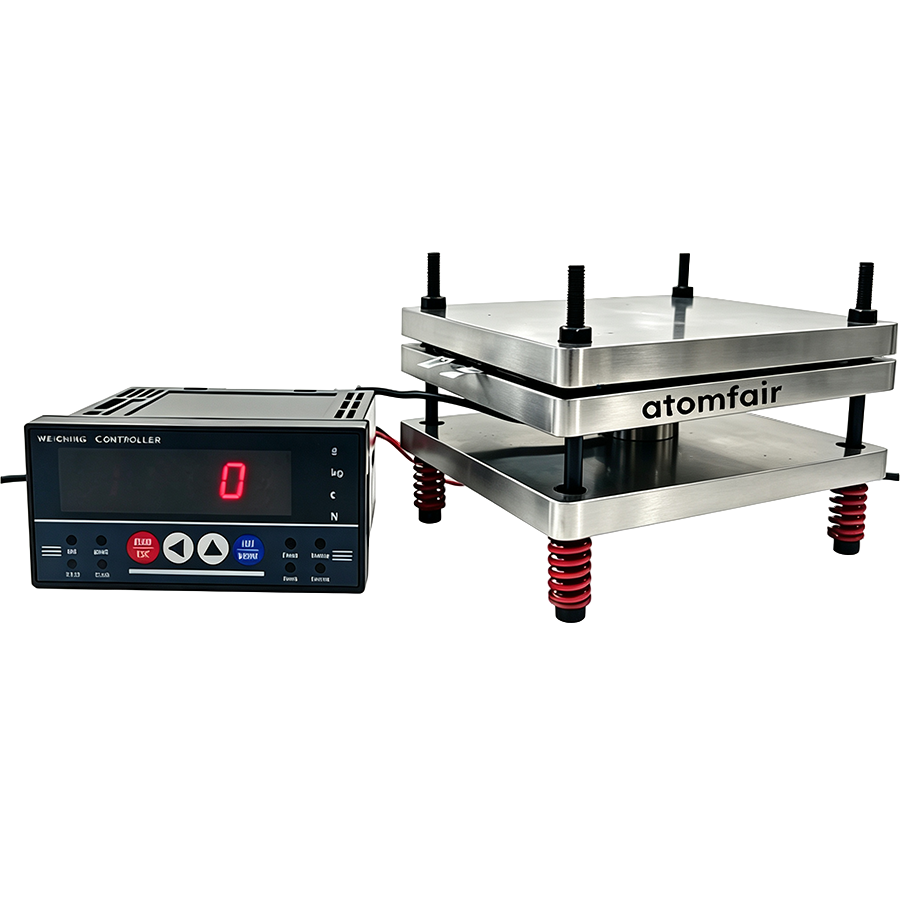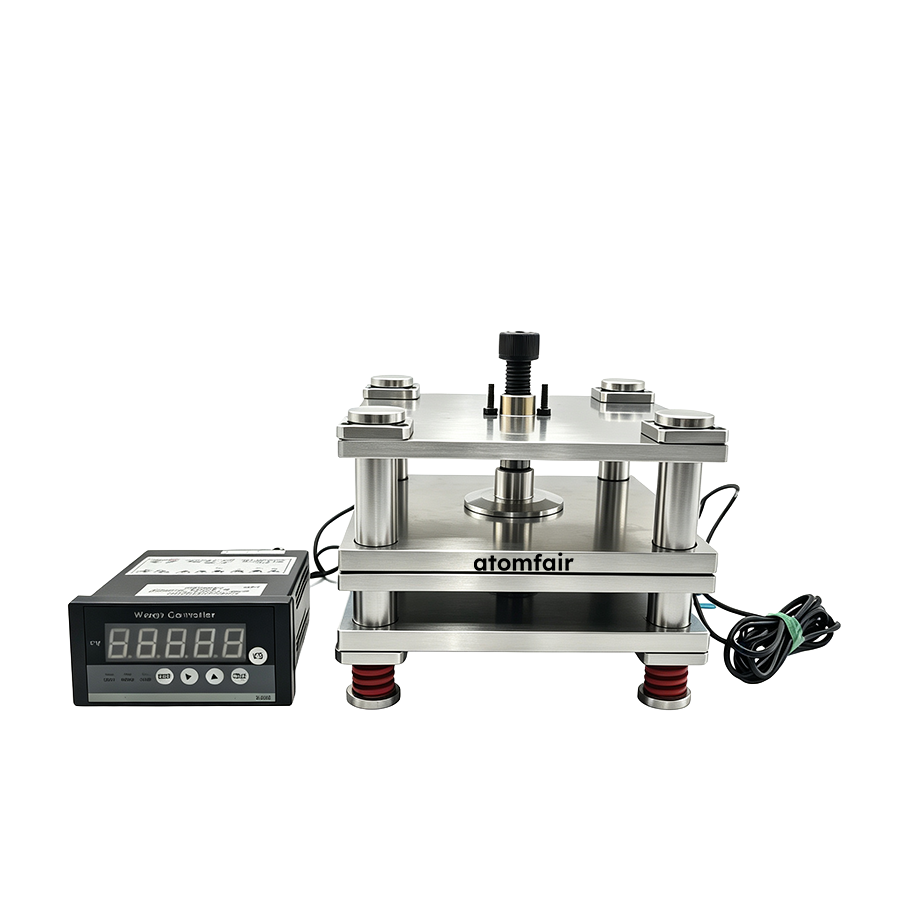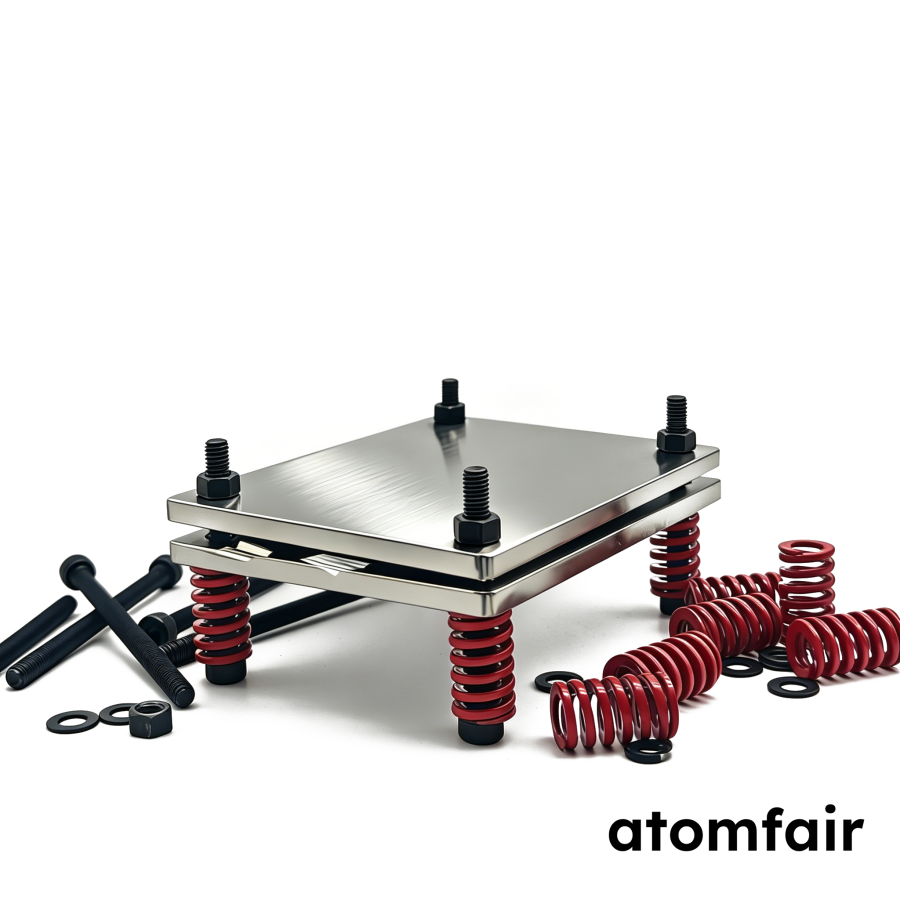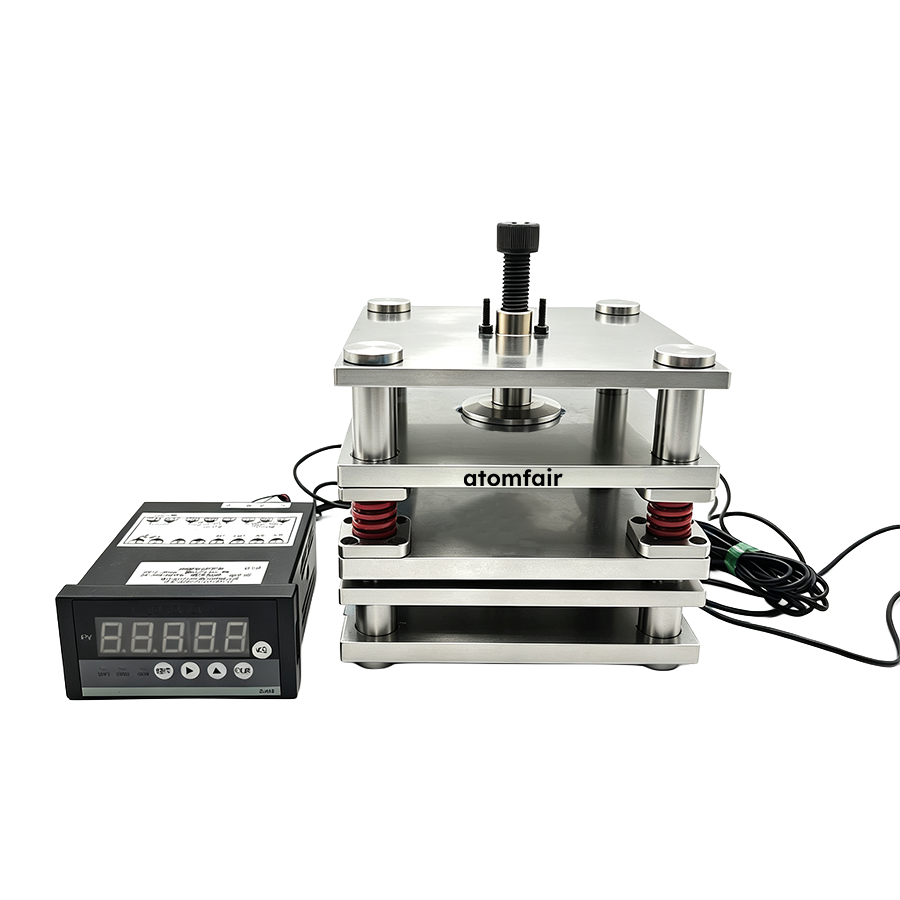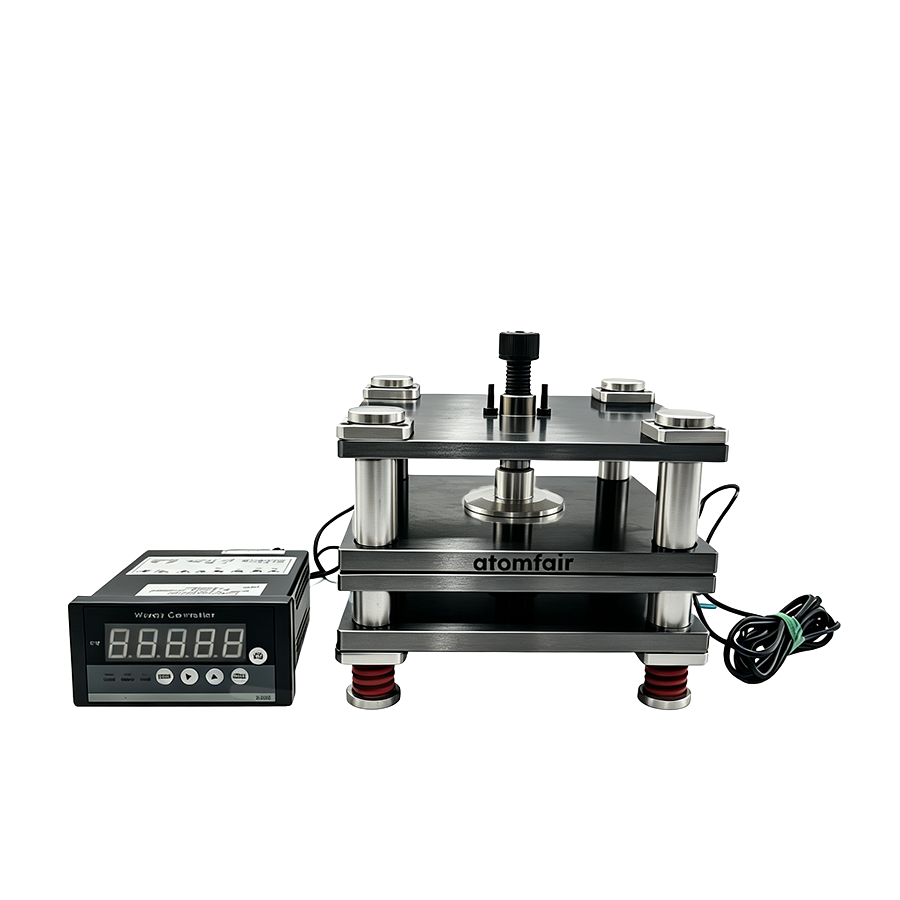
ATM-PCBT-CS-4L 4-LAYER POUCH CELL BATTERY CYCLE TEST FIXTURERESEARCH GRADE EQUIPMENT
|
|||||||||||||||||||||||||||||||||||||||||||||||||||||||||||||||||||||||||||||||
|
|||||||||||||||||||||||||||||||||||||||||||||||||||||||||||||||||||||||||||||||
|
TAILORED SOLUTIONS FOR RESEARCH
Contact our engineering team for technical support or official institutional quotations.
EMAIL: inquiry@atomfair.com
|
|||||||||||||||||||||||||||||||||||||||||||||||||||||||||||||||||||||||||||||||
|
Manufacturer: Atomfair LLC
Brand: ATOMFAIR®
|
|||||||||||||||||||||||||||||||||||||||||||||||||||||||||||||||||||||||||||||||
The fixture applies uniform mechanical pressure to pouch cells via a single-nut locking four-layer carbon steel frame. Operating must respect maximum pressure limits, cell dimension compatibility, and proper insulation of digital pressure sensor connections to prevent signal interference.
- Pressure Limit: Standard working pressure is 500 kg, customizable up to 700 kg for carbon steel fixtures.
- Cell Size Compatibility: Maximum cell length and width must be 30 mm less than the fixture dimensions to ensure proper alignment.
- Cell Thickness Range: Compatible cell thickness ranges from 0.1 mm to 2.5 cm, adjustable with custom spacing upon request.
- Material Compatibility: For electrolyte exposure, select stainless steel 316 or PP/HDPE to avoid corrosion and swelling.
- Signal Integrity: All digital connection channels must be properly insulated to prevent pressure sensor data interference during long-term testing loops.
This procedure describes the safe initial setup and operation of the four-layer fixture for single pouch cell cycle testing. Ensure all electrical connections are properly shielded before applying load.
Required Equipment: ATM-PCBT-CS-4L fixture with integrated pressure sensor cable
- Select Fixture Configuration
Select the appropriate fixture size and material based on cell dimensions and electrolyte compatibility. - Insert Pouch Cell
Insert the pouch cell into the four-layer plate assembly, ensuring alignment with the central nut axis. - Apply Clamping Pressure
Tighten the single central locking nut gradually to apply the desired clamping pressure up to the standard 500 kg limit. - Connect Pressure Sensor
Connect the pressure sensor cable to the data acquisition system and verify real-time pressure readings. - Insulate Signal Connections
Insulate all digital connection channels to prevent signal interference during extended cycle testing. - Monitor and Adjust
Monitor the fixture for uniform pressure distribution and adjust the nut if necessary to maintain parallel alignment.
How does the plate thickness affect the maximum theoretical load capacity of the ATM-PCBT-CS-4L fixture?
Standard 10 mm carbon steel plates support a maximum theoretical load of 500 kg, while the reinforced 12 mm plates (available in 120×160 mm and 150×180 mm sizes) enable a 700 kg maximum. The 12 mm variant provides absolute rigid force retention under extreme loads, as specified in the size options for this four-layer fixture.
What are the maximum pouch cell dimensions that can be tested in the ATM-PCBT-CS-4L fixture?
The maximum cell length and width equal the fixture plate dimensions minus 30 mm. For the largest standard size of 150×180 mm, the maximum compatible cell is ≤120×150 mm. The standard vertical slot spacing supports cell thickness from 0.1 mm to 2.5 cm, and the four-layer spacing can be customized further upon request.
What operational precautions are required for the pressure sensor data lines on the ATM-PCBT-CS-4L fixture?
The pressure sensor data lines must be insulated and monitored to prevent electrical noise interference. The product manual advises keeping all digital connection channels properly insulated and operating only within controlled laboratory environments to avoid external signal contamination before long-term thermal validation loops.
The ATM-PCBT-CS-4L is a four-layer carbon steel pouch cell fixture designed for high-load single cell cycle testing, featuring a single-nut pressure distribution system for uniform force application and integrated pressure monitoring, though it requires careful signal insulation and is not inherently corrosion-resistant to electrolyte exposure.
Positive
- Uniform single-nut pressure distribution: The single-nut locking design ensures balanced parallel load transfer across the cell, preventing stress localization and maintaining uniform surface contact force during testing.
- Rigid carbon steel construction: Four-layer precision-milled carbon steel plates provide ultra-high rigidity, preventing plate bending or flexing during extreme high-load continuous testing loops.
Trade-offs
- Sensor interference sensitivity requiring insulation: The pressure sensor data lines are susceptible to external signal contamination; careful insulation and controlled laboratory environments are necessary to ensure accurate readings during long-term thermal validation loops.
- Carbon steel vulnerability to electrolyte corrosion: The default carbon steel construction lacks explicit electrolyte corrosion resistance; exposure to battery electrolyte may cause corrosion, requiring careful cleaning or selection of stainless steel or other corrosion-resistant materials for electrolyte-prone testing environments.
Every advanced material, component, equipment, and instrument in our catalog is backed by rigorous testing. We maintain strict internal quality management frameworks and align with CE conformity metrics to deliver transparent, reproducible performance data via our public open-science repository.
To request raw batch performance data, submit formal vendor registration paperwork, or execute a fast-turnaround R&D manufacturing loop, contact us at inquiry@atomfair.com.
Item is dispatched under the Atomfair Shipping & Delivery Framework (Free worldwide shipping on orders over $59 USD excl. heavy equipment). Return is governed by the Atomfair Return & Refund Policy (7-day technical return window).