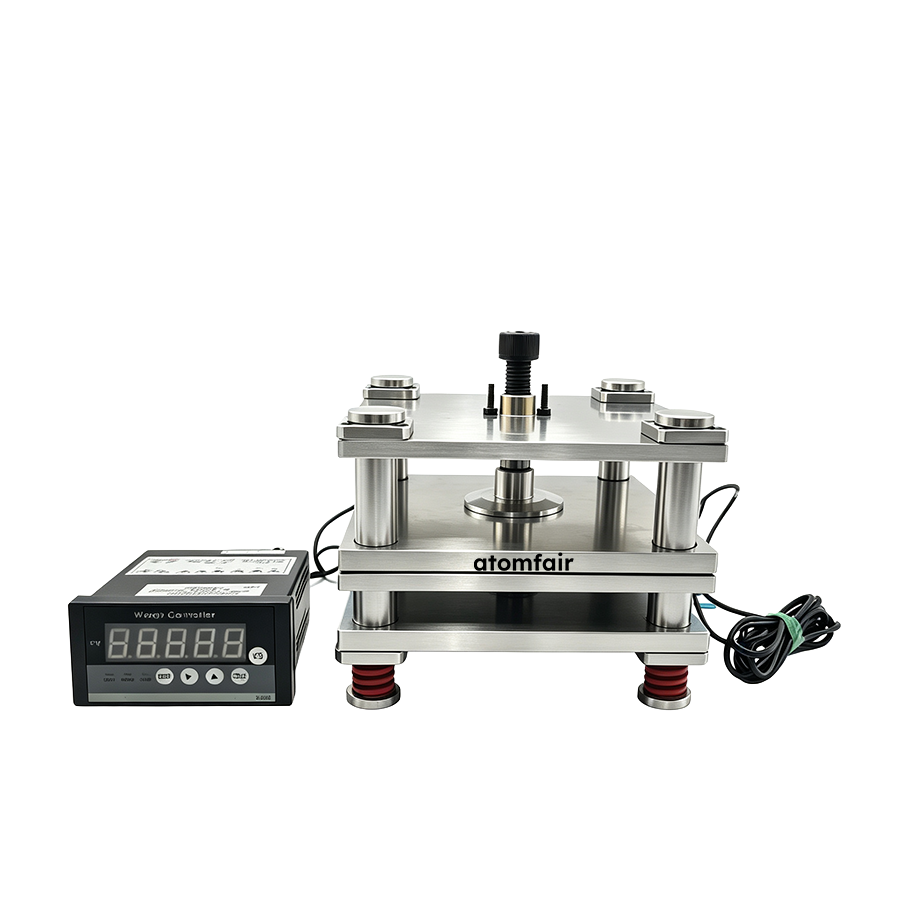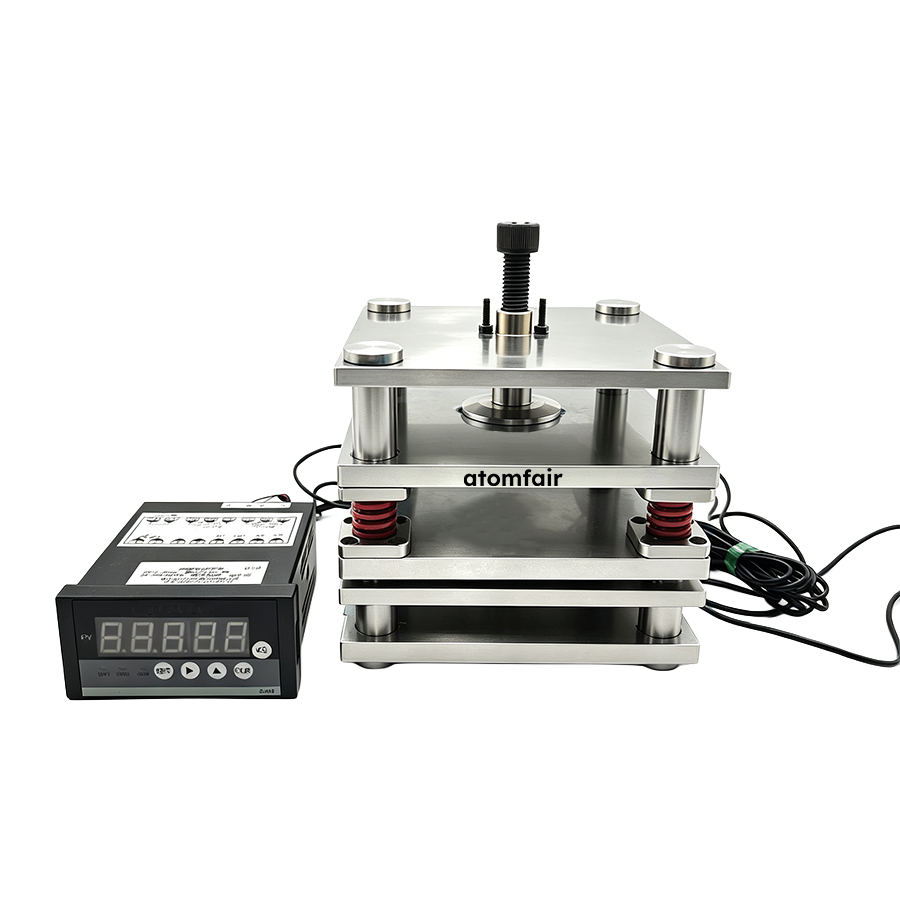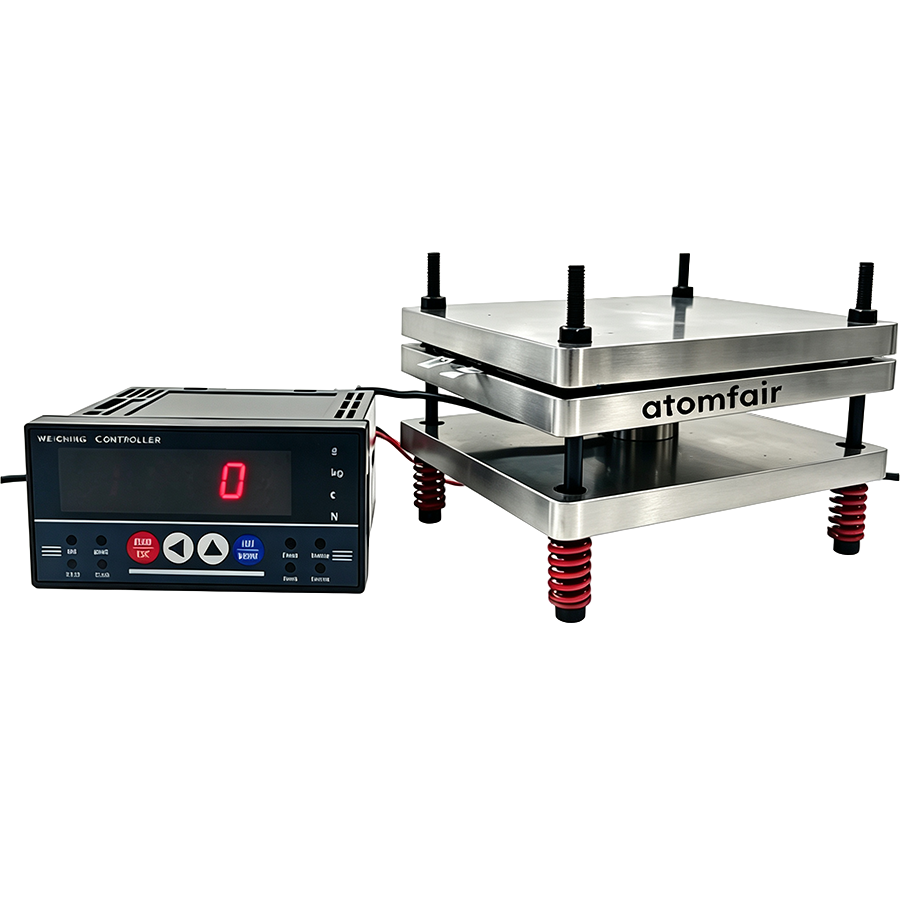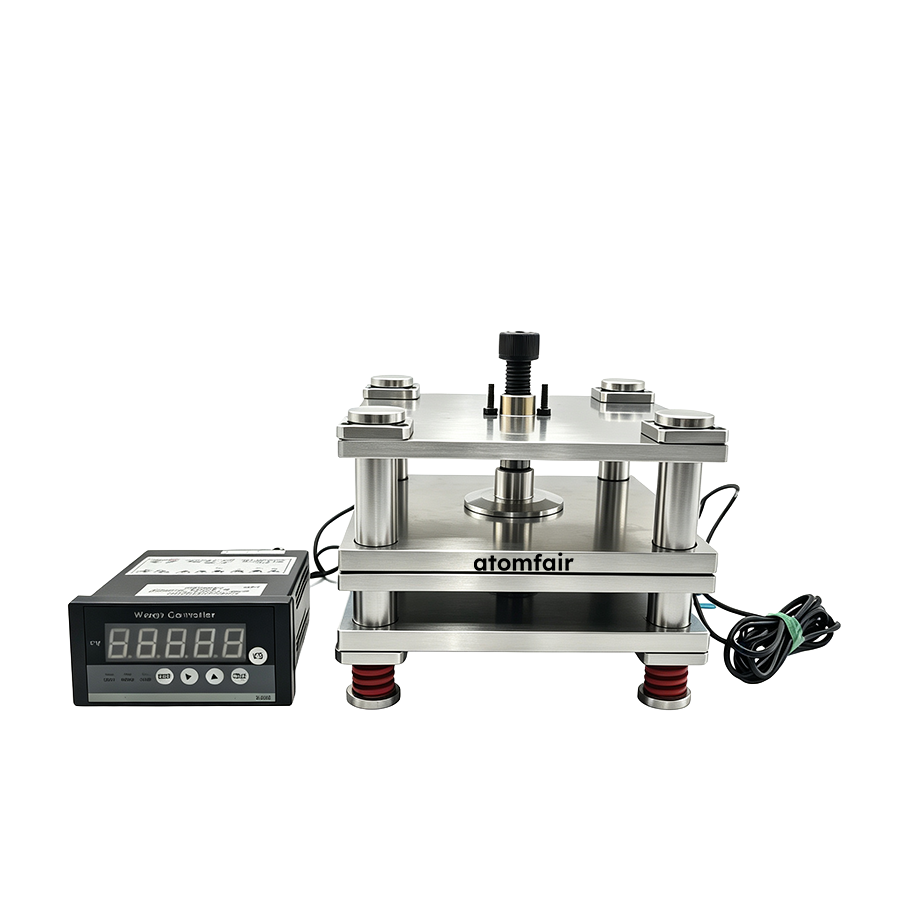
ATM-PCBT-PP-4L 4-LAYER POUCH CELL BATTERY CYCLE TEST FIXTURERESEARCH GRADE EQUIPMENT
|
|||||||||||||||||||||||||||||||||||||||||||||||||||||||||||||||||||||||||||||||
|
|||||||||||||||||||||||||||||||||||||||||||||||||||||||||||||||||||||||||||||||
|
TAILORED SOLUTIONS FOR RESEARCH
Contact our engineering team for technical support or official institutional quotations.
EMAIL: inquiry@atomfair.com
|
|||||||||||||||||||||||||||||||||||||||||||||||||||||||||||||||||||||||||||||||
|
Manufacturer: Atomfair LLC
Brand: ATOMFAIR®
|
|||||||||||||||||||||||||||||||||||||||||||||||||||||||||||||||||||||||||||||||
This fixture requires operation within a dry room environment to prevent signal contamination on the integrated pressure sensor data lines. The maximum cell dimensions are calculated by subtracting 30 mm from the fixture length and width, and the standard working pressure is 150 kg customizable up to 250 kg for PP material.
- Electrolyte Resistance Constraint: The polypropylene construction ensures complete resistance to electrolyte swelling and maintains structural integrity during testing.
- Cell Thickness Compatibility: The four-layer vertical spacing accommodates pouch cell thicknesses from 0.1 mm to 2.5 cm, with adjustable spacing available upon request.
- Pressure Monitoring Requirement: The built-in pressure sensor must be connected via properly insulated digital channels to avoid external signal interference during long-term thermal validation loops.
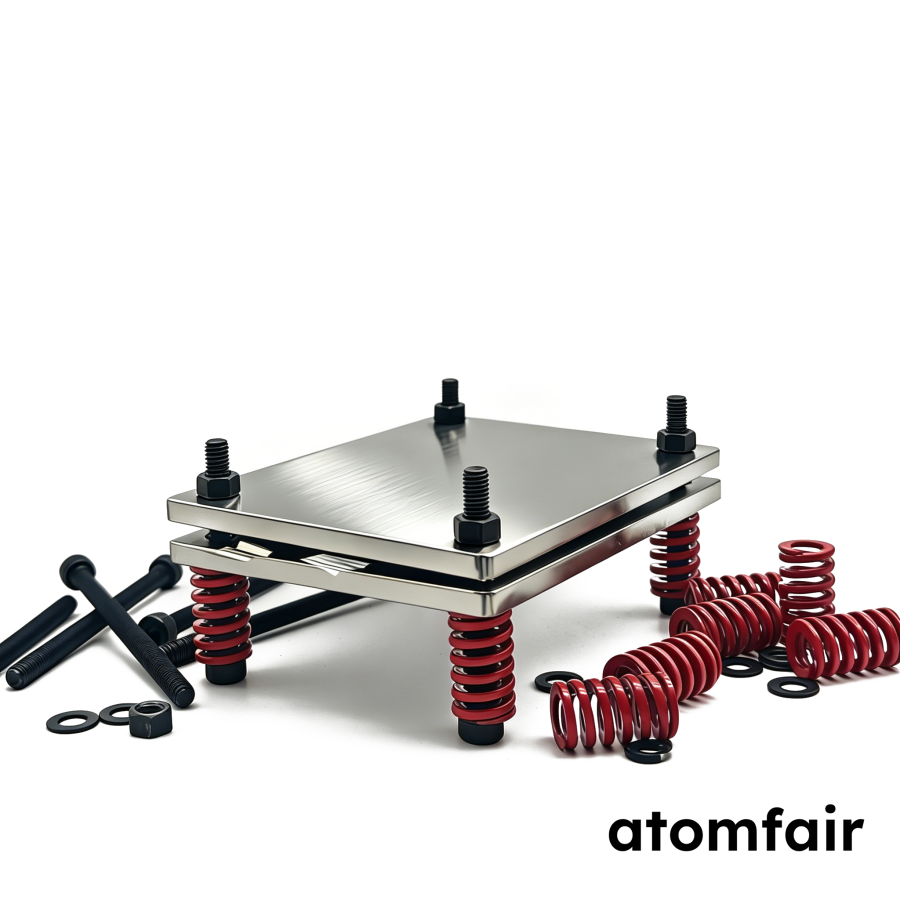
- Scratch Protection: The scratch-proof PP contact interface plates safeguard delicate cell casings from mechanical damage during clamping.
- Customization Flexibility: Fixture size, plate dimensions, structural spacing, and pressure level can be fully customized according to non-standard battery dimensions and testing requirements.
Select the appropriate fixture size based on the cell dimensions using the rule that maximum cell length and width equal fixture dimensions minus 30 mm. Adjust the four-layer plate spacing to match the cell thickness within the standard range of 0.1 mm to 2.5 cm.
Required Equipment: Polypropylene test fixture with four-layer stacked plates, Single nut locking mechanism, Pressure sensor with data acquisition cable, Dry room environment
- Select Fixture Size
Calculate the required fixture dimensions by adding 30 mm to the pouch cell length and width, then choose the corresponding size variant. - Adjust Plate Spacing
Set the vertical spacing between the four layers to accommodate the cell thickness within the standard range of 0.1 mm to 2.5 cm. - Insert Pouch Cell
Place the pouch cell between the scratch-proof PP contact plates ensuring proper alignment within the stacking framework. - Apply Clamping Pressure
Tighten the single nut gradually to apply uniform pressure up to the standard working limit of 150 kg or customized maximum of 250 kg. - Connect Pressure Sensor
Attach the pressure sensor data acquisition cable to an external monitoring system while ensuring all digital connections are properly insulated. - Verify Environment
Confirm that the testing area is a dry room environment to prevent moisture-induced signal interference on the sensor data lines.
What is the maximum clamping load for the ATM-PCBT-PP-4L polypropylene fixture, and how does it constrain the pouch cell sizes that can be tested?
The standard working pressure capacity is 150 kg, customizable up to 250 kg for PP material. The fixture sizes range from 78×105 mm to 150×180 mm, with maximum cell dimensions equal to fixture size minus 30 mm in each direction. This limits the PP fixture to low-pressure profiles (max 250 kg), so it is best suited for gentle cycling validation of small to medium pouch cells requiring uniform but moderate confinement.
What are the critical integration requirements for the pressure sensor on the ATM-PCBT-PP-4L to avoid signal interference during battery cycling?
The professional sensor data lines are integrated for real-time external pressure tracking without introducing electrical noise. To prevent signal contamination, all digital connection channels must be properly insulated and the fixture operated within a dry room environment. This is essential for maintaining data integrity during long-term thermal validation loops, as noted in the operational notice.
What handling and storage precautions are required for the PP fixture to maintain its electrolyte resistance and scratch-proof performance?
The polypropylene (PP) material is inherently electrolyte-resistant and scratch-proof, requiring no special coatings or additional protective measures. The fixture's lightweight design and scratch-proof contact interface plates safeguard delicate pouch cell casings during clamping. Standard dry laboratory storage is sufficient; no special conditions are needed beyond avoiding abrasive contact to preserve the surface integrity.
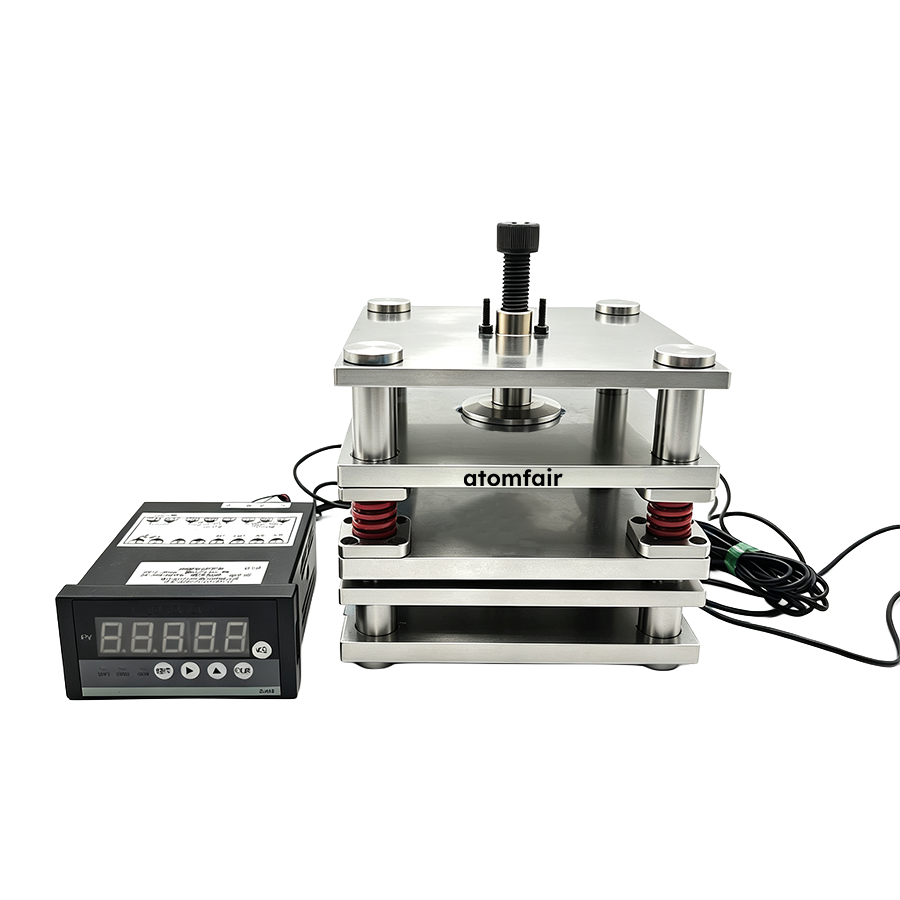
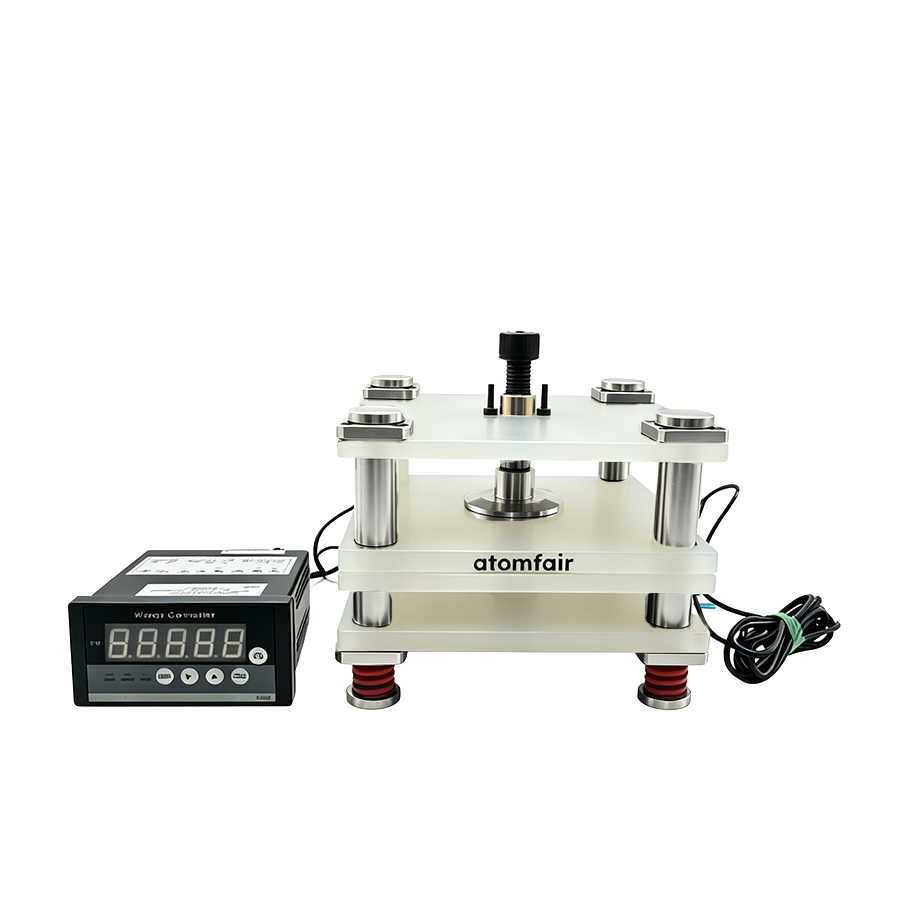
The ATM-PCBT-PP-4L is a four-layer polypropylene pouch cell testing fixture engineered for uniform pressure distribution via a single-nut locking mechanism and real-time pressure monitoring, with full electrolyte resistance. Its polypropylene construction limits standard working pressure to 150 kg (customizable to 250 kg) and requires careful insulation to prevent sensor signal interference in dry-room environments.
Positive
- Uniform single-nut pressure distribution: The single-nut locking design ensures balanced parallel load transfer across the cell surface, preventing stress localization and improving test reproducibility.
- Electrolyte-resistant PP construction: All four layers are precision-milled from premium polypropylene, providing complete electrolyte swelling resistance, electrical insulation, and scratch protection for delicate pouch cell casings.
Trade-offs
- Limited pressure capacity for PP: Standard working pressure is 150 kg, with a maximum customizable limit of 250 kg for polypropylene; higher-pressure applications require alternative materials such as stainless steel.
- Sensor interference management required: The integrated pressure sensor data lines must be properly insulated and operated in dry-room conditions to avoid external signal contamination during long-term thermal testing loops.
Every advanced material, component, equipment, and instrument in our catalog is backed by rigorous testing. We maintain strict internal quality management frameworks and align with CE conformity metrics to deliver transparent, reproducible performance data via our public open-science repository.
To request raw batch performance data, submit formal vendor registration paperwork, or execute a fast-turnaround R&D manufacturing loop, contact us at inquiry@atomfair.com.
Item is dispatched under the Atomfair Shipping & Delivery Framework (Free worldwide shipping on orders over $59 USD excl. heavy equipment). Return is governed by the Atomfair Return & Refund Policy (7-day technical return window).