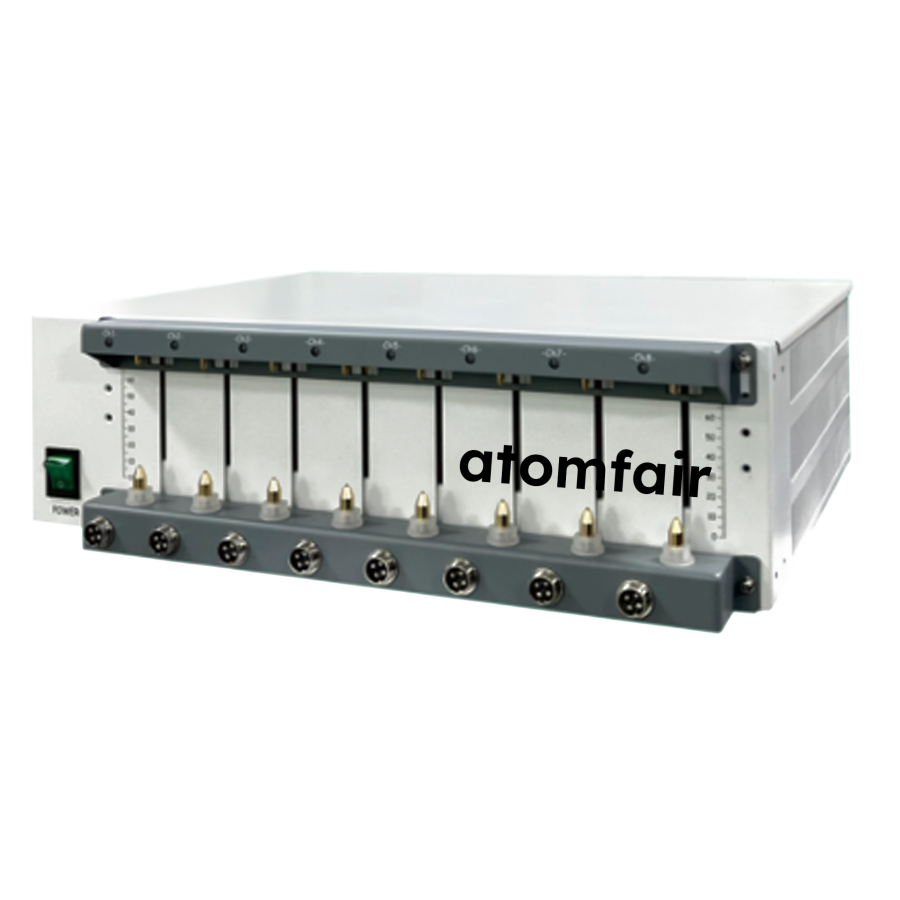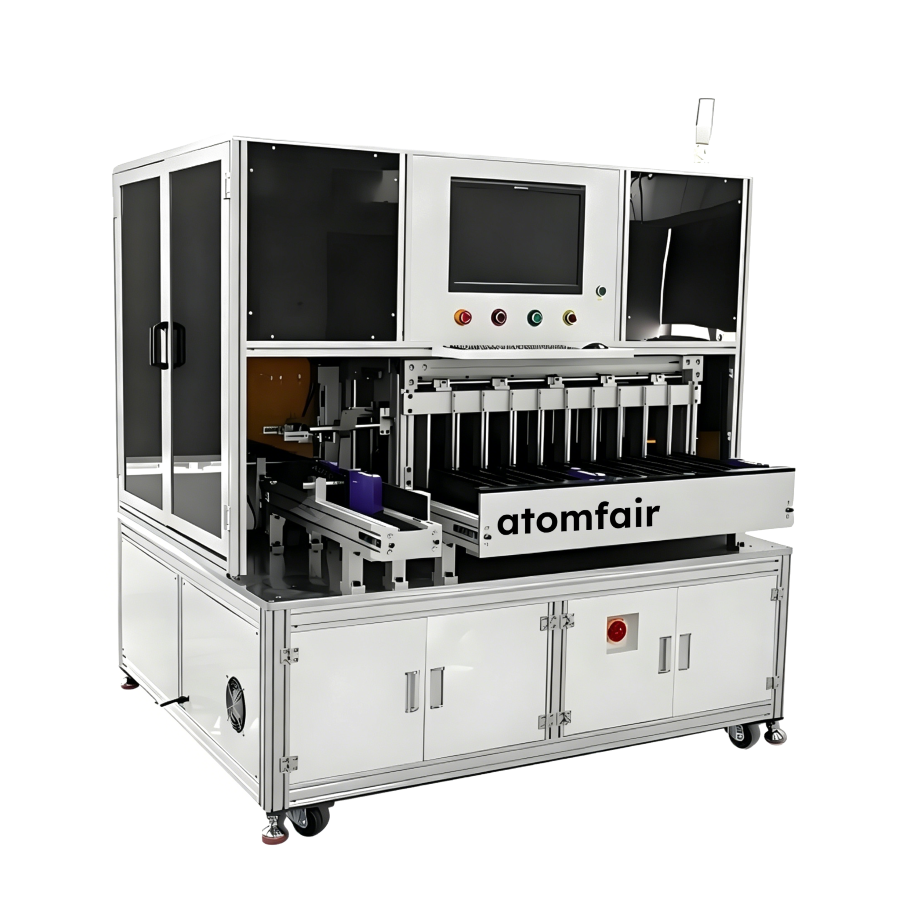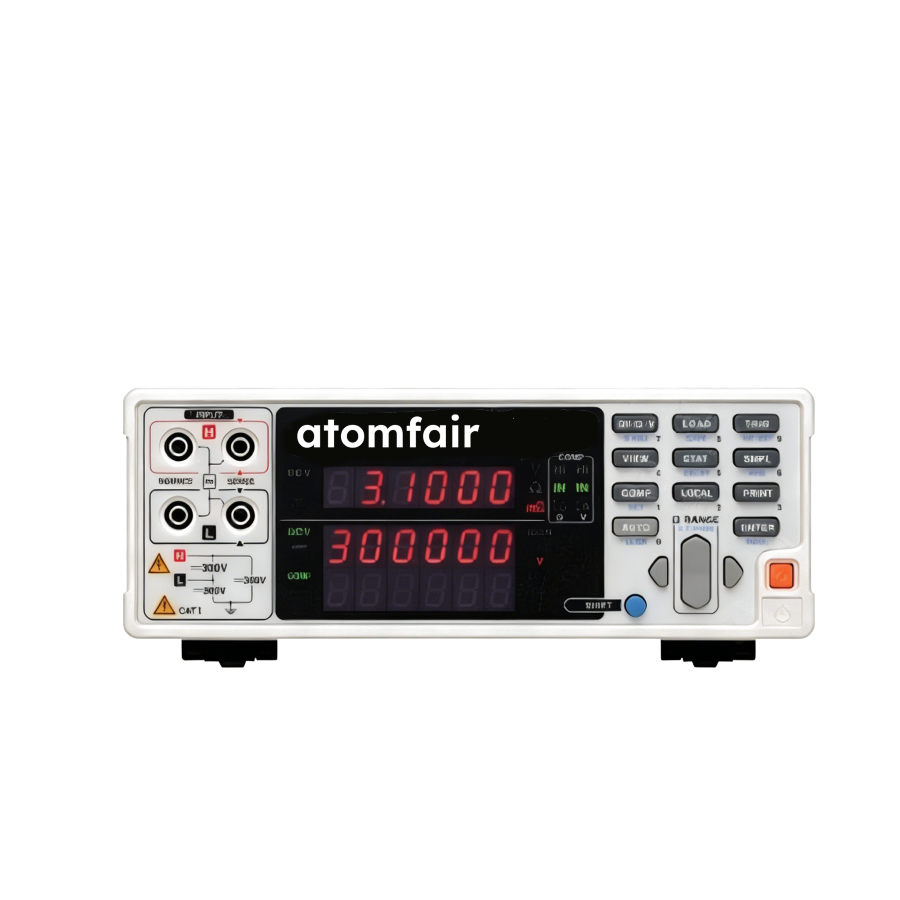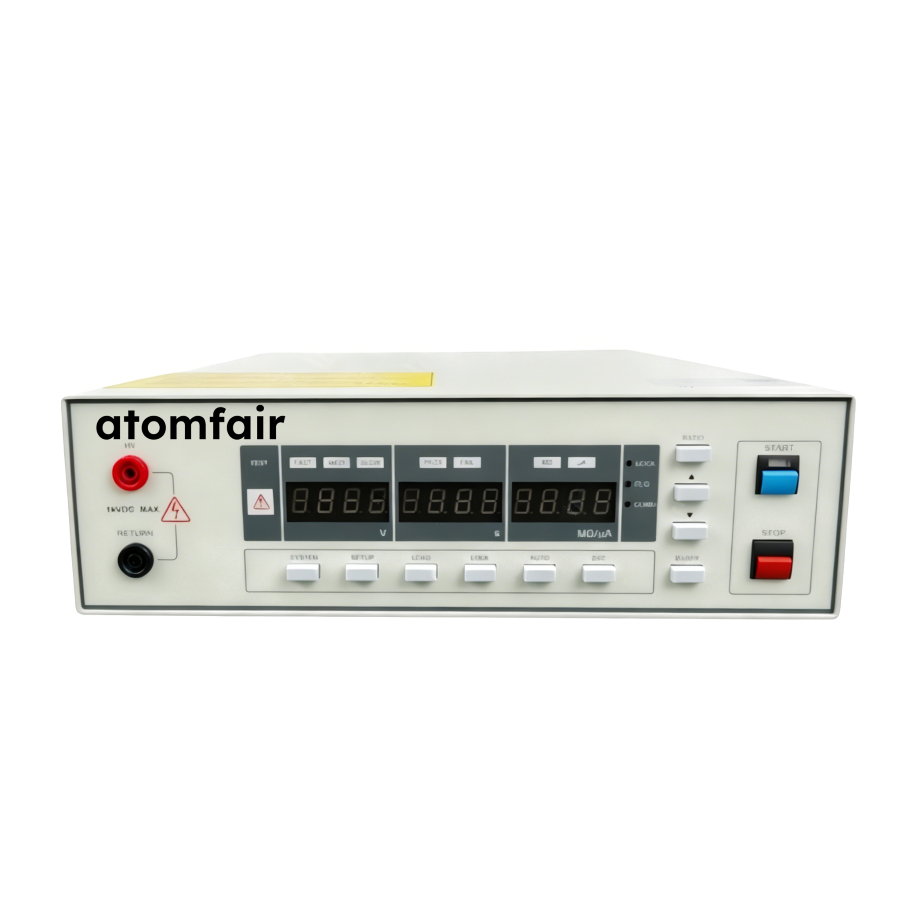
ATOMFAIR® BT8000 SERIES 8-CHANNEL BATTERY TESTERRESEARCH GRADE MATERIAL
|
|||||||||||||||||||||||||||||||||||||||||||||||||||||||||||||||||||||||
|
|||||||||||||||||||||||||||||||||||||||||||||||||||||||||||||||||||||||
|
TAILORED SOLUTIONS FOR RESEARCH
Contact our engineering team for technical support or official institutional quotations.
EMAIL: inquiry@atomfair.com
|
|||||||||||||||||||||||||||||||||||||||||||||||||||||||||||||||||||||||
|
Manufacturer: Atomfair LLC
Brand: ATOMFAIR®
|
|||||||||||||||||||||||||||||||||||||||||||||||||||||||||||||||||||||||
This document outlines essential safety and operational constraints for the Atomfair 8-Channel Battery Tester. Adherence to these guidelines is mandatory to prevent electrical hazards and equipment damage.
- AC Power Requirements: Connect the tester to a grounded AC power outlet supplying 110-220V and ensure the power draw does not exceed 30W.
- Voltage Limits: Do not apply voltages outside the 0-5V range to any channel to prevent circuit damage.
- Current Limits: Set the current range per channel to the appropriate model specification (e.g., 1mA, 10mA, or 3A) to avoid exceeding the measurement capability.
- Handling: Due to the 50 kg weight, use a two-person lift or mechanical aid when moving the tester.
- Channel Independence: Each channel operates independently; ensure no cross-connection between channels to avoid short circuits.
Follow these steps to safely initialize the battery tester for first use. Proper setup ensures accurate measurements and prevents electrical hazards.
Required Equipment: Power cord (supplied), Test leads with appropriate connectors, Windows-based computer with installed software
- Position Tester
Verify that the tester is placed on a stable, level surface sufficient to support its 50 kg weight. - Connect Power
Connect the power cord to an AC outlet supplying 110-220V with proper grounding. - Configure Ranges
Set the voltage range to 0-5V and configure the current range per channel according to your battery test requirements. - Connect Battery
Connect the battery leads to the appropriate channel, ensuring correct polarity. - Launch Software
Launch the Windows-based software and configure the test parameters for each channel. - Start Test
Begin the test sequence and monitor the measurements for any anomalies. - Safe Shutdown
Upon completion, disconnect the battery and power down the tester.
How does the current measurement accuracy scale when testing at the lower end of the current range on the Atomfair BT8001 model?
At the lower end of the ±0.002-1mA range, the measurement accuracy is dominated by the 0.1% range error term. For a 0.002 mA reading, the ±0.2% reading contributes ±0.000004 mA, while the ±0.1% range contributes ±0.001 mA, yielding a combined uncertainty of approximately ±0.001 mA. This specification is explicitly stated in the technical parameters as ±0.2% Reading +0.1% Range.
Can the Atomfair 8-channel battery tester be used to test battery packs with a nominal voltage above 5V?
No, the Atomfair BT8001, BT8002, and BT8003 models all have a fixed voltage range of 0-5V as listed in the technical parameters. This tester is designed for single-cell or low-voltage batteries within that range, not for higher-voltage multi-cell packs. For testing such packs, a different instrument with a higher voltage range would be required.
What are the physical and software installation requirements for operating the Atomfair 8-channel battery tester?
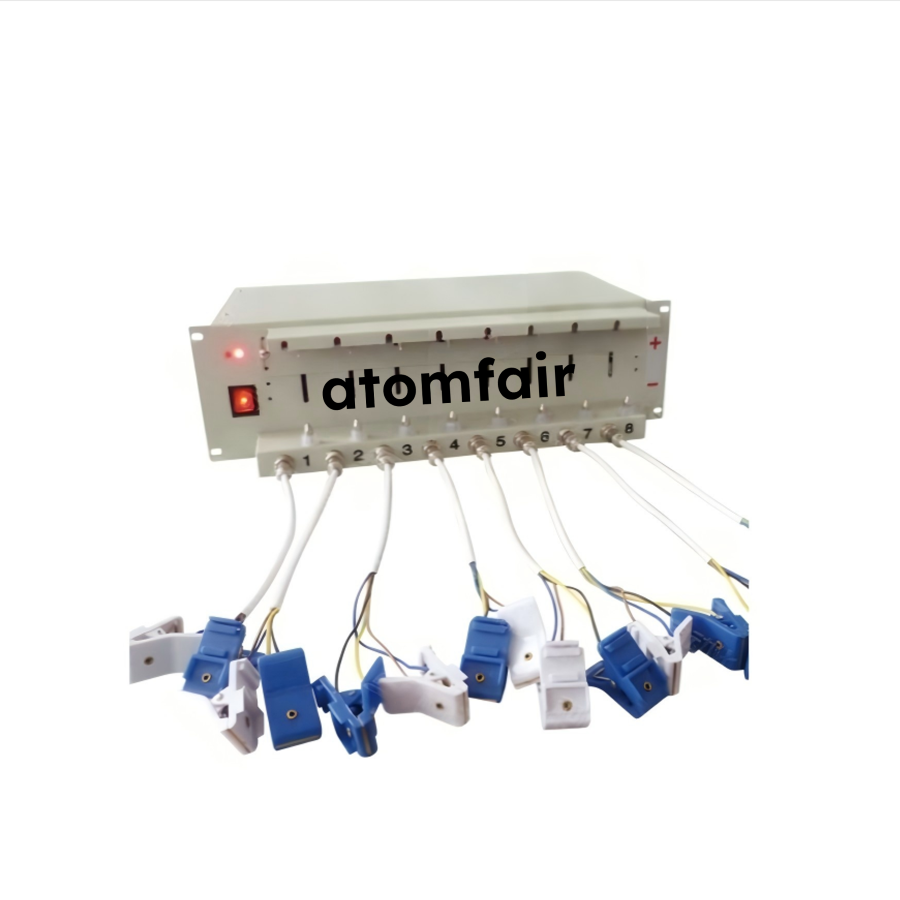
The tester weighs 50 kg and measures 480*380*130 mm, so a sturdy, level bench or rack is needed for placement. It requires an AC110-220V power input and a Windows-based PC to run the control software. No specialized cooling or storage conditions are specified, but the unit's weight and built-in power supply suggest it should be placed in a dry, ventilated environment.
This 8-channel battery tester provides independent programmability and customizable current ranges for low-voltage cell testing, but its 5V voltage ceiling and second-level timing resolution confine its use to steady-state or moderate-rate experiments rather than high-voltage or fast transient applications.
Positive
- Independent Multi-Channel Programmability: Each of the 8 channels operates independently with its own programmable steps, enabling simultaneous or asynchronous testing of different battery types and conditions within a single run.
- Customizable Current Ranges: The current range can be specified per customer requirement (e.g., 5V1mA, 5V10mA, 5V3A), allowing the instrument to be tailored to low-power research cells or higher-rate power batteries.
Trade-offs
- Voltage Limited to 0-5V: The fixed 5V maximum voltage restricts testing to single cells and low-voltage batteries; higher voltage packs or cells exceeding 5V cannot be accommodated without external series or modification.
- Time Resolution of One Second: With time measurement resolution limited to whole seconds, the tester cannot capture rapid voltage or current transients, making it unsuitable for high-rate pulse or fast-cycle testing.
Every advanced material, component, equipment, and instrument in our catalog is backed by rigorous testing. We maintain strict internal quality management frameworks and align with CE conformity metrics to deliver transparent, reproducible performance data via our public open-science repository.
To request raw batch performance data, submit formal vendor registration paperwork, or execute a fast-turnaround R&D manufacturing loop, contact us at inquiry@atomfair.com.
Item is dispatched under the Atomfair Shipping & Delivery Framework (Free worldwide shipping on orders over $59 USD excl. heavy equipment). Return is governed by the Atomfair Return & Refund Policy (7-day technical return window).