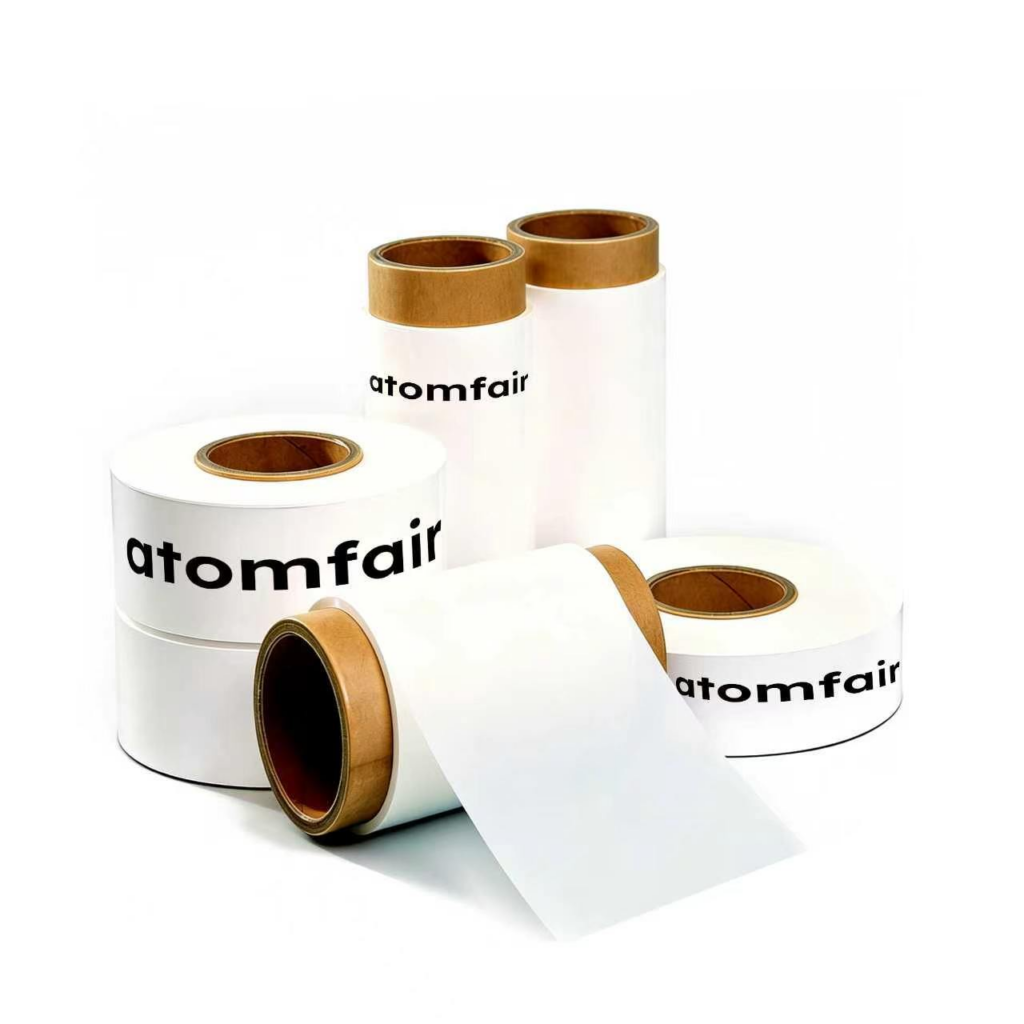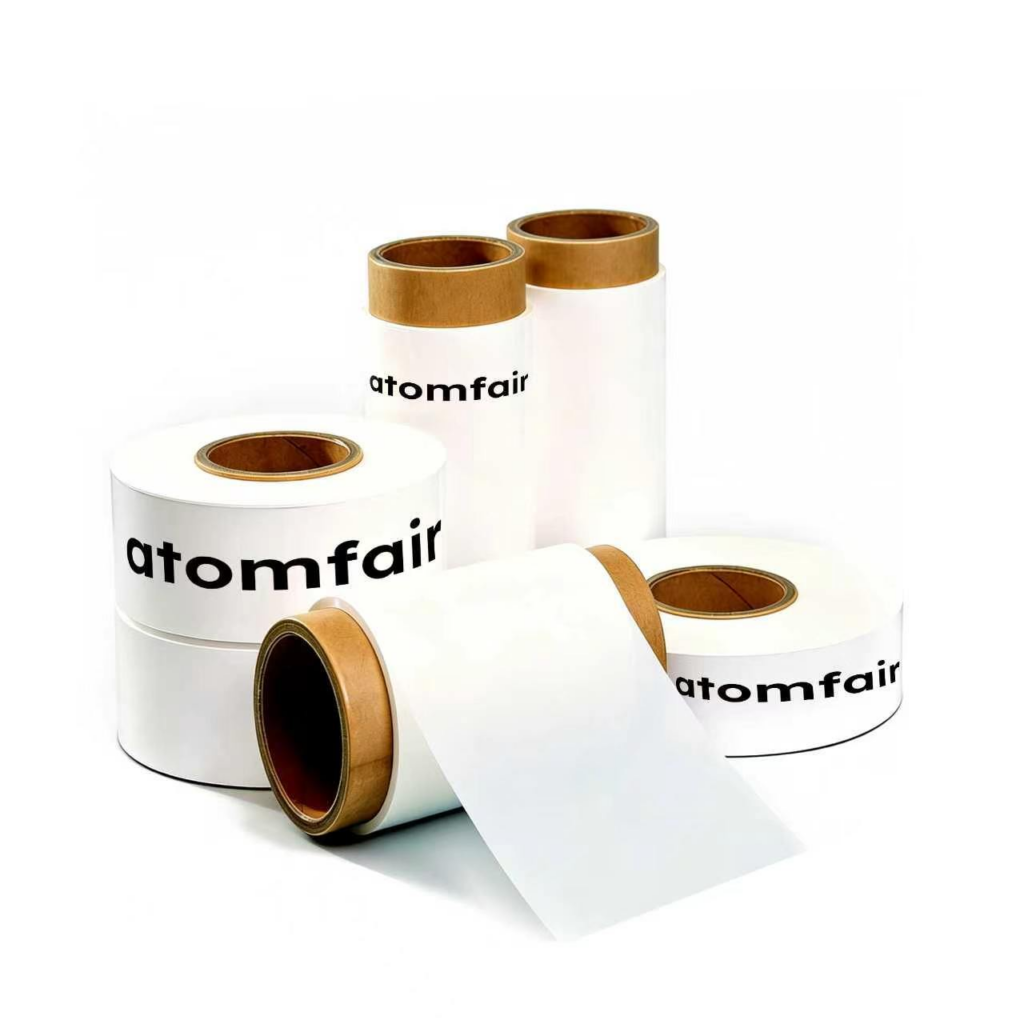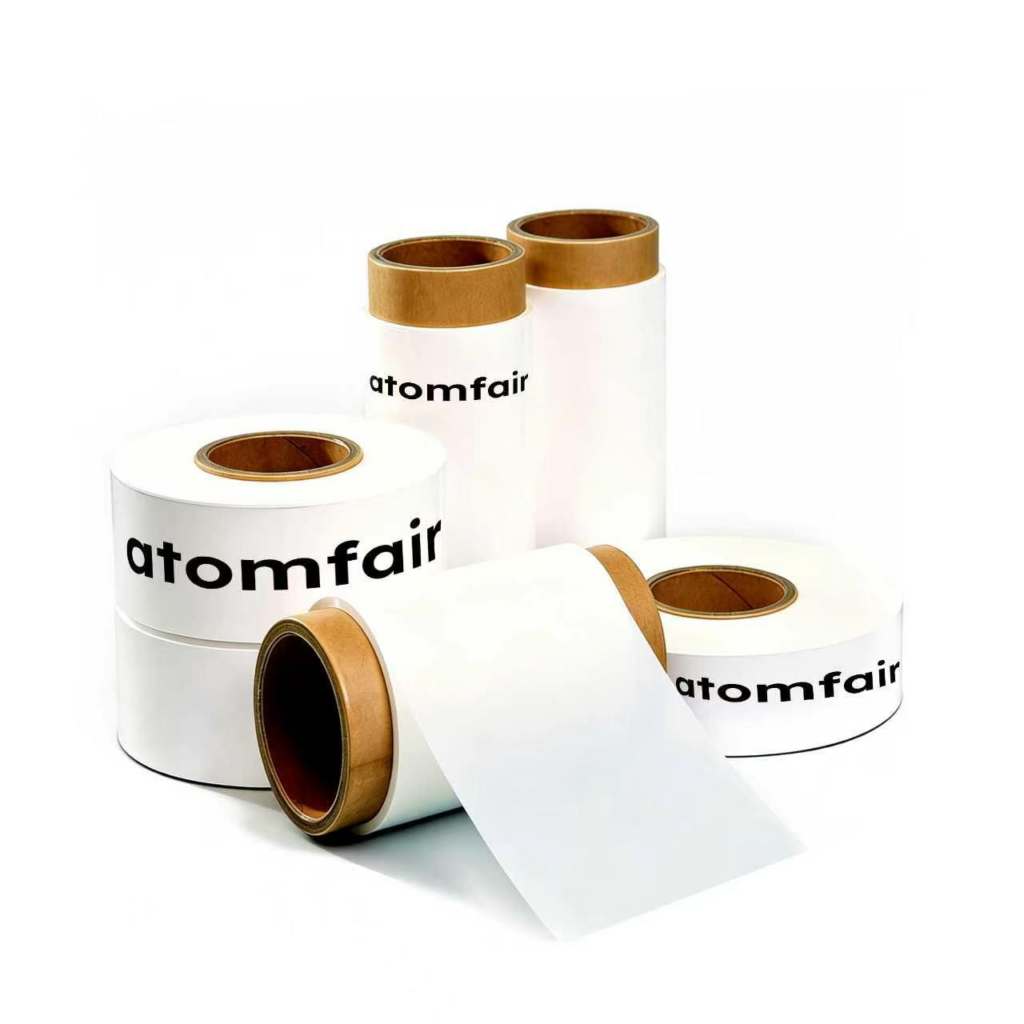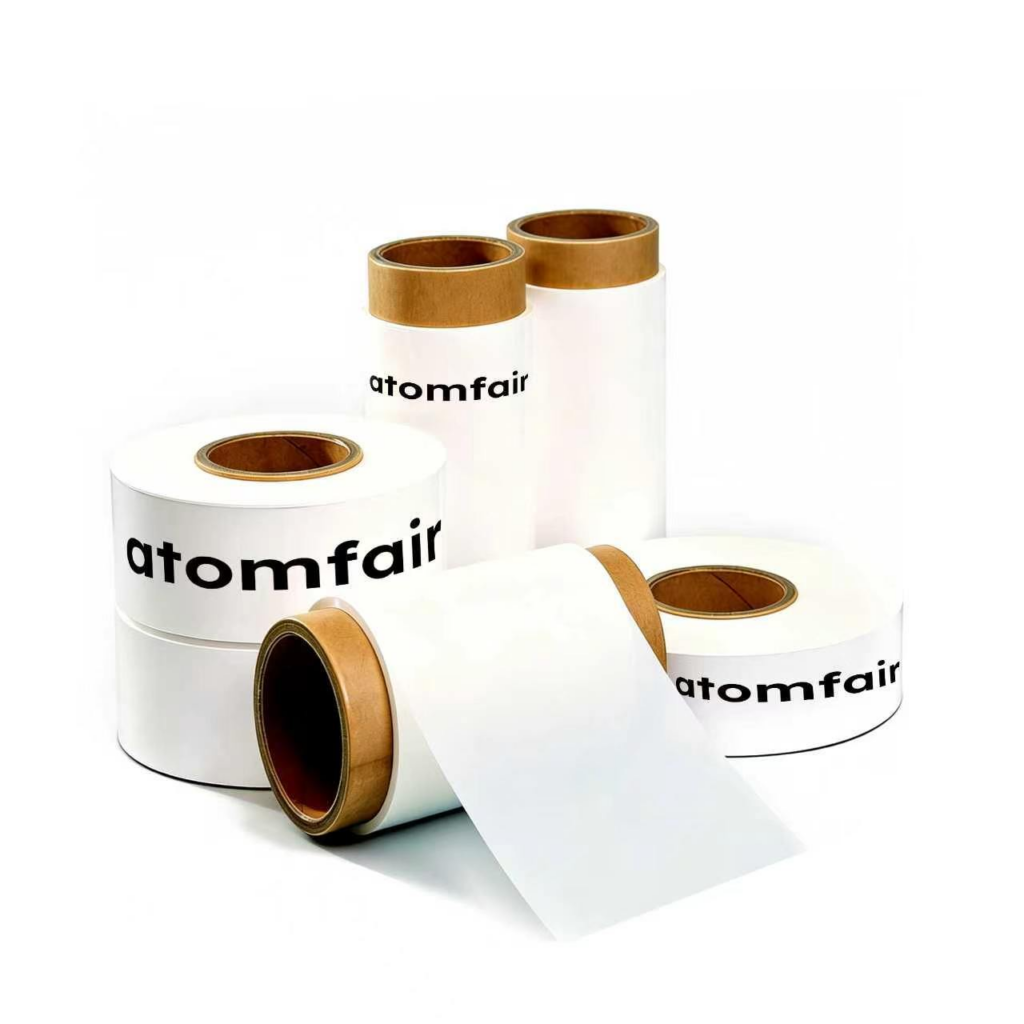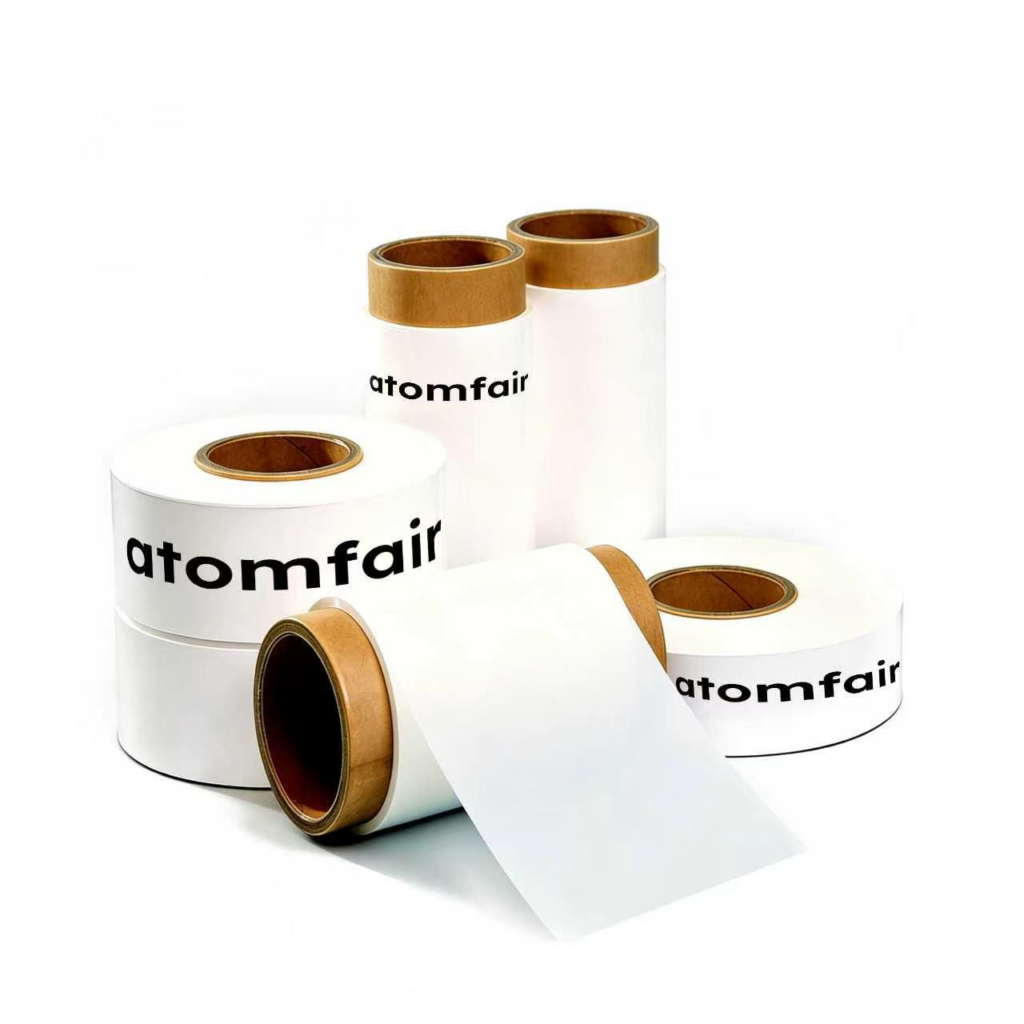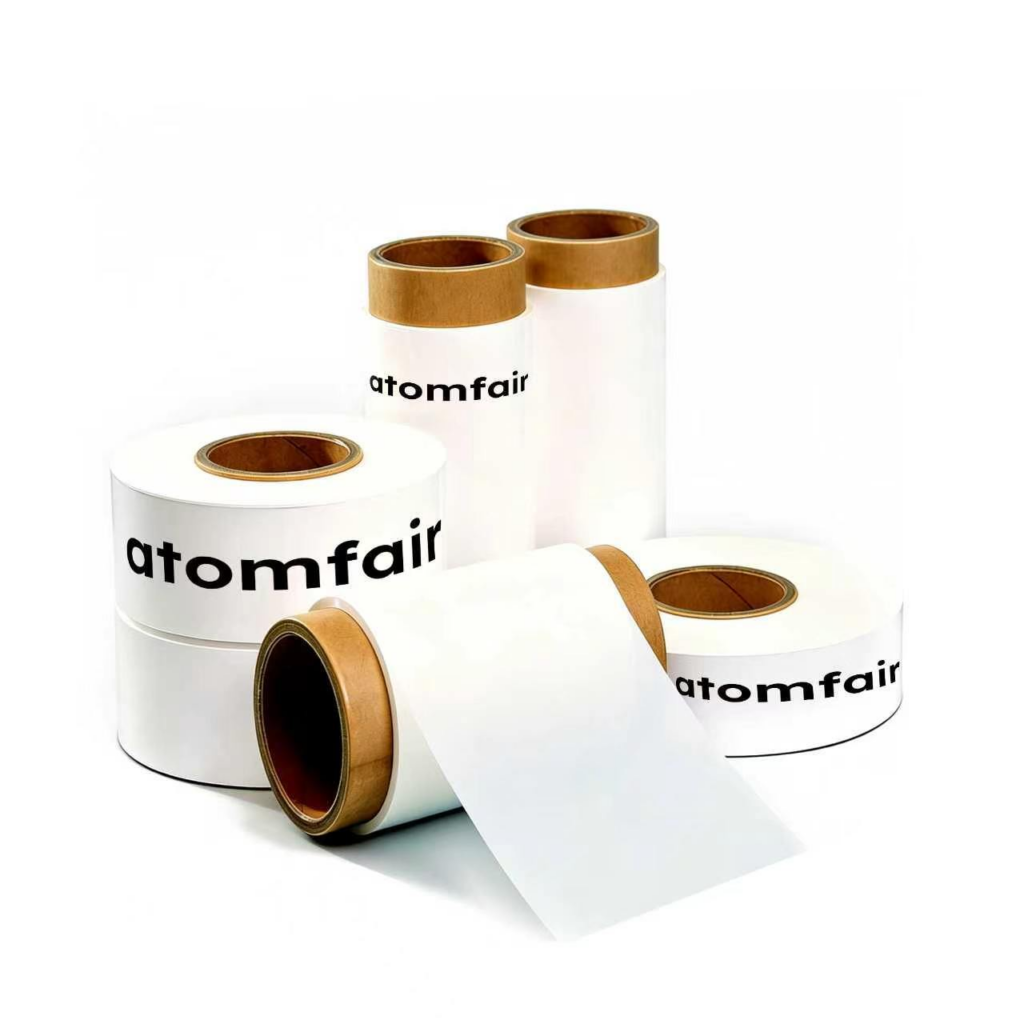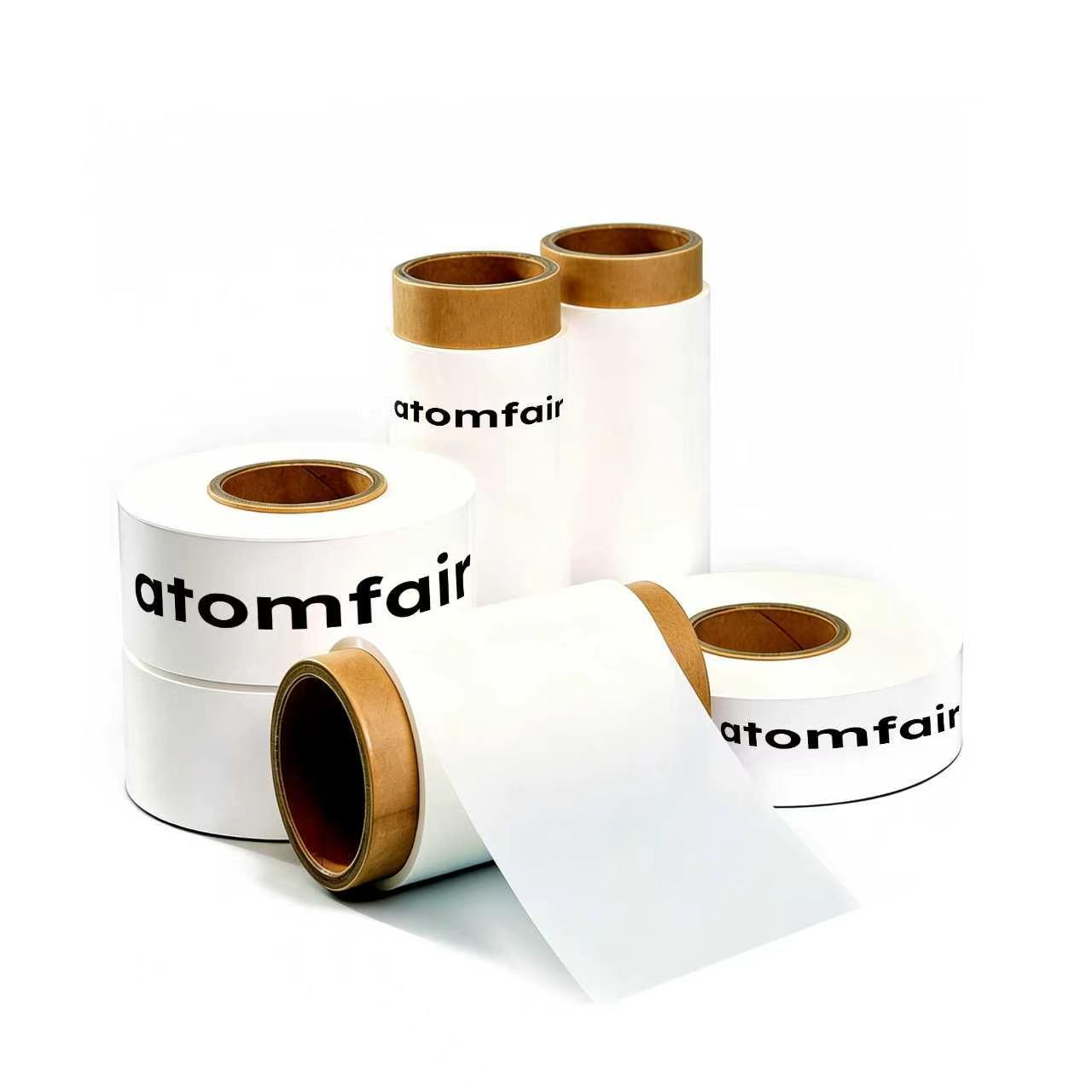
ATOMFAIR® LI-RICH MN BATTERY SEPARATOR 60MM PE/PPRESEARCH GRADE BATTERY SEPARATOR
|
|||||||||||||||||||||||||||||||||||||||||||||||||||||||||
|
|||||||||||||||||||||||||||||||||||||||||||||||||||||||||
|
TAILORED SOLUTIONS FOR RESEARCH
Contact our engineering team for technical support or official institutional quotations.
EMAIL: inquiry@atomfair.com
|
|||||||||||||||||||||||||||||||||||||||||||||||||||||||||
|
Manufacturer: Atomfair LLC
Brand: ATOMFair
|
|||||||||||||||||||||||||||||||||||||||||||||||||||||||||
This battery separator requires controlled storage in a sealed, dry, and well-ventilated environment away from heat sources. It exhibits defined thermal shrinkage and mechanical strength properties that must be considered during handling and battery assembly.
- Storage Environment: Store sealed in a dry, ventilated area at normal or low temperature, protected from fire, direct sunlight, and rain.
- Thermal Stability: Avoid exposure to temperatures approaching the melting point of the base film (PE: 135°C, PP: 167°C) to prevent shrinkage or melting.
- Mechanical Integrity: Handle with care using buffer pads to prevent puncture, tearing, or deformation during transport and assembly due to the thin film structure.
- Chemical Compatibility: Verify compatibility with the intended electrolyte and electrode materials prior to use, as the separator is optimized for lithium-rich manganese-based battery systems.
How do the thermal and mechanical properties of the wet-process PE separator compare to the dry-process PP separator for lithium-rich manganese-based battery applications?
The wet-process PE separator (AF-PE series) has a melting temperature of 135°C, while the dry-process PP separator (AF-PP series) melts at 167°C, offering superior thermal resistance for high-temperature operation. However, PE separators provide significantly higher puncture strength (up to 722g for 20μm thickness) compared to PP (167g max), making PE more effective against dendrite penetration. The choice depends on whether thermal shutdown or mechanical robustness is prioritized for the specific cell design.
Can these 60mm-wide separators be used directly in standard coin cell or pouch cell assembly without modification?
Yes, the 60mm width is compatible with typical laboratory-scale electrode cutting and cell assembly processes for coin cells and small pouch cells. The available thicknesses range from 7μm to 25μm across both PE and PP series, allowing selection based on the desired balance of ionic conductivity and mechanical integrity for lithium-rich manganese-based chemistry. For custom widths or further integration requirements, contact the supplier for modifications.
What are the recommended storage and handling conditions to prevent degradation of these battery separators?
Store the separators sealed in a normal or low temperature, dry, and well-ventilated environment, away from fire and heat sources. During transportation, avoid exposure to sunlight, fire baking, and rain to prevent physical or thermal damage. The packaging uses plastic sealed bags with buffer pads to ensure protection during handling and storage.
This series of PE and PP battery separators tailored for lithium-rich manganese-based research cells provides a wide thickness selection (7-20 μm for PE, 16-25 μm for PP) and near-zero transverse heat shrinkage, enabling precise experimental tuning. However, the fixed 60 mm width and strict storage requirements (sealed, dry, cool, away from ignition sources) impose handling and scalability constraints for certain lab setups.
Positive
- Broad thickness range for research flexibility: The separator is available in multiple thicknesses (PE: 7/9/12/14/16/20 μm; PP: 16/20/25 μm), allowing researchers to systematically study the effect of separator thickness on battery performance in lithium-rich manganese-based systems.
- Exceptional transverse dimensional stability: Transverse heat shrinkage is ≤0.1% for all variants, minimizing the risk of electrode exposure and internal short circuits during battery assembly and thermal cycling.
Trade-offs
- Stringent storage and handling conditions: The separator must be kept sealed in a dry, well-ventilated environment away from heat sources, sunlight, and rain, requiring controlled laboratory storage and careful inventory management to avoid degradation.
- Fixed 60 mm width limits scalability: All variants are cut to a standard 60 mm width, which may not accommodate larger electrode formats or pouch cell prototypes without additional slitting or custom ordering, adding process steps for some research workflows.
Every advanced material, component, equipment, and instrument in our catalog is backed by rigorous testing. We maintain strict internal quality management frameworks and align with CE conformity metrics to deliver transparent, reproducible performance data via our public open-science repository.
To request raw batch performance data, submit formal vendor registration paperwork, or execute a fast-turnaround R&D manufacturing loop, contact us at inquiry@atomfair.com.
Item is dispatched under the Atomfair Shipping & Delivery Framework (Free worldwide shipping on orders over $59 USD excl. heavy equipment). Return is governed by the Atomfair Return & Refund Policy (7-day technical return window).