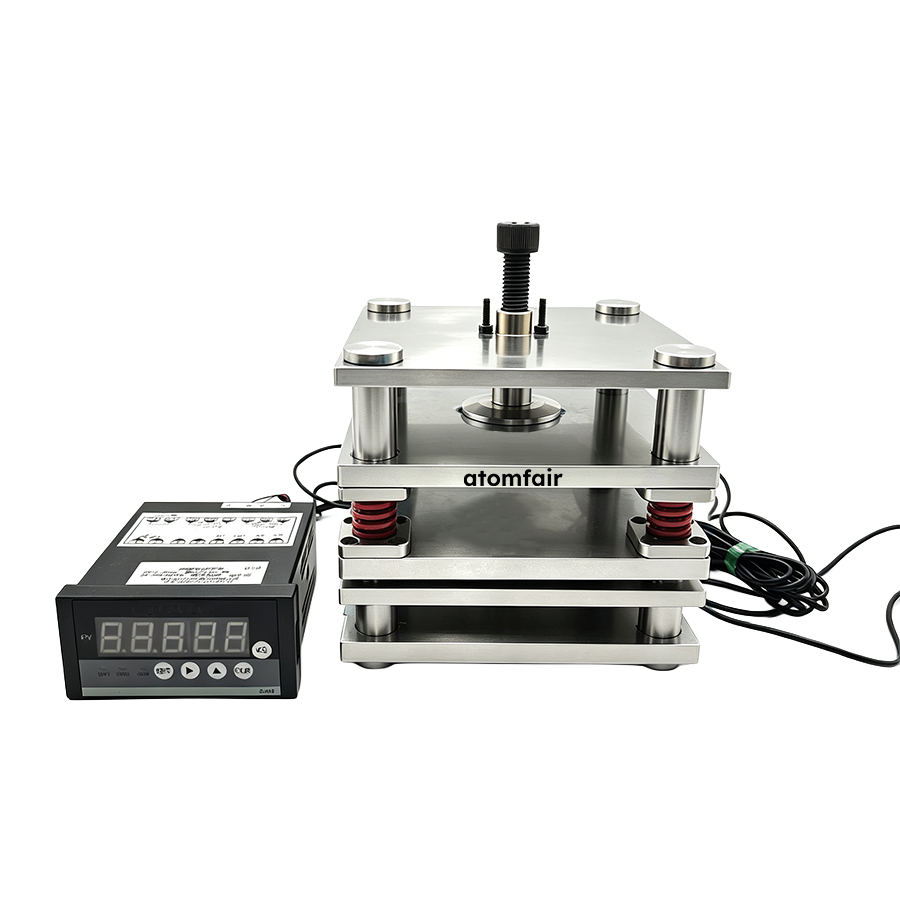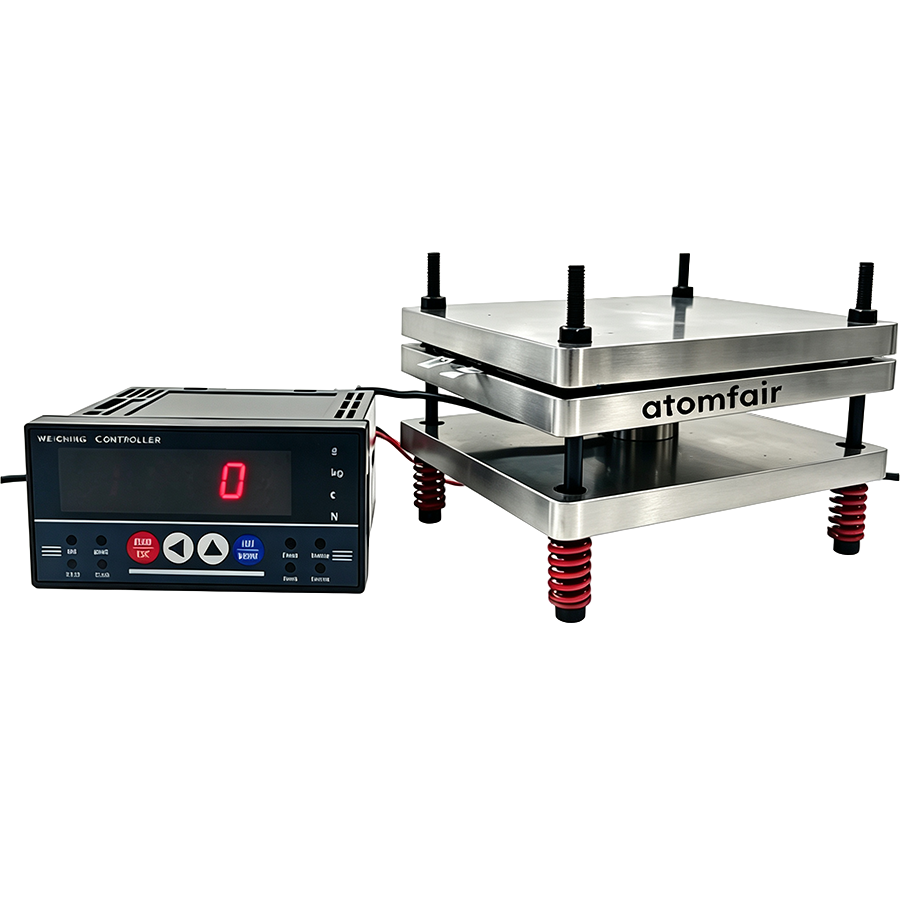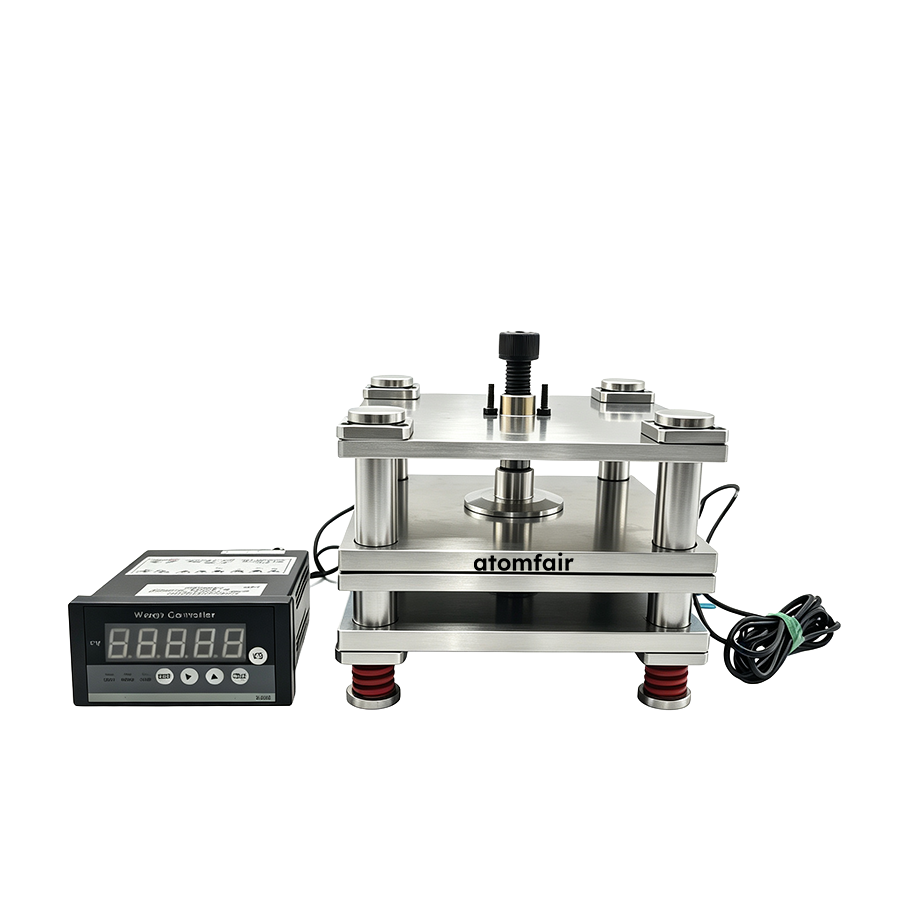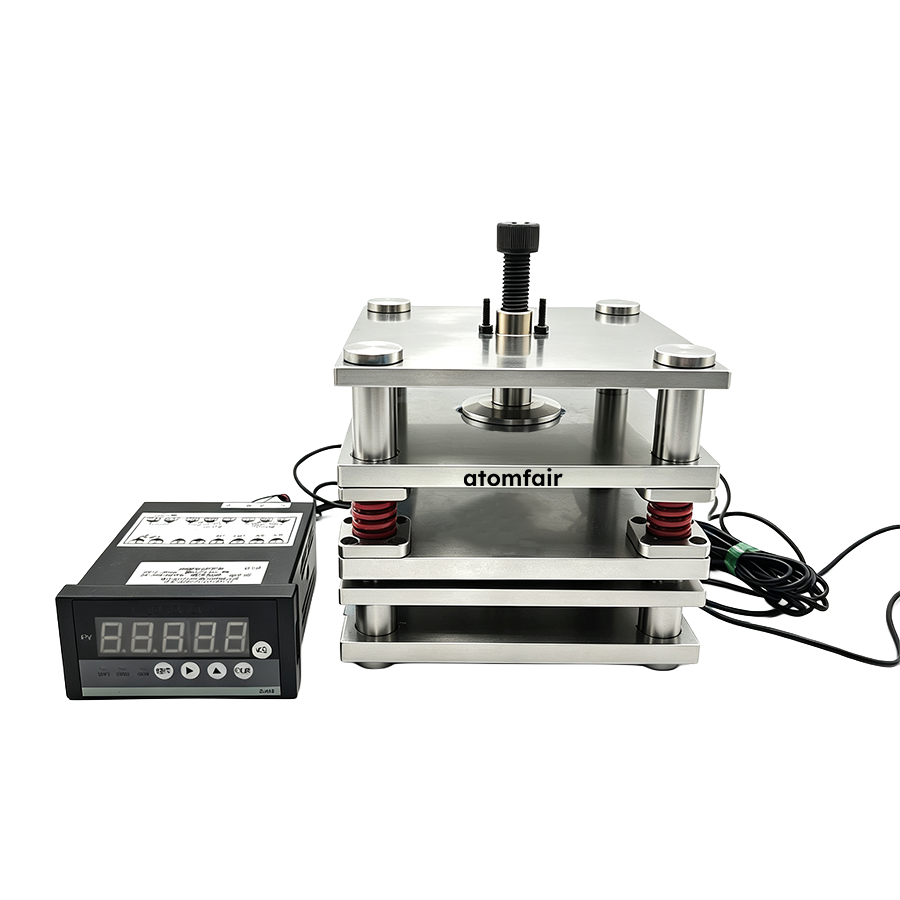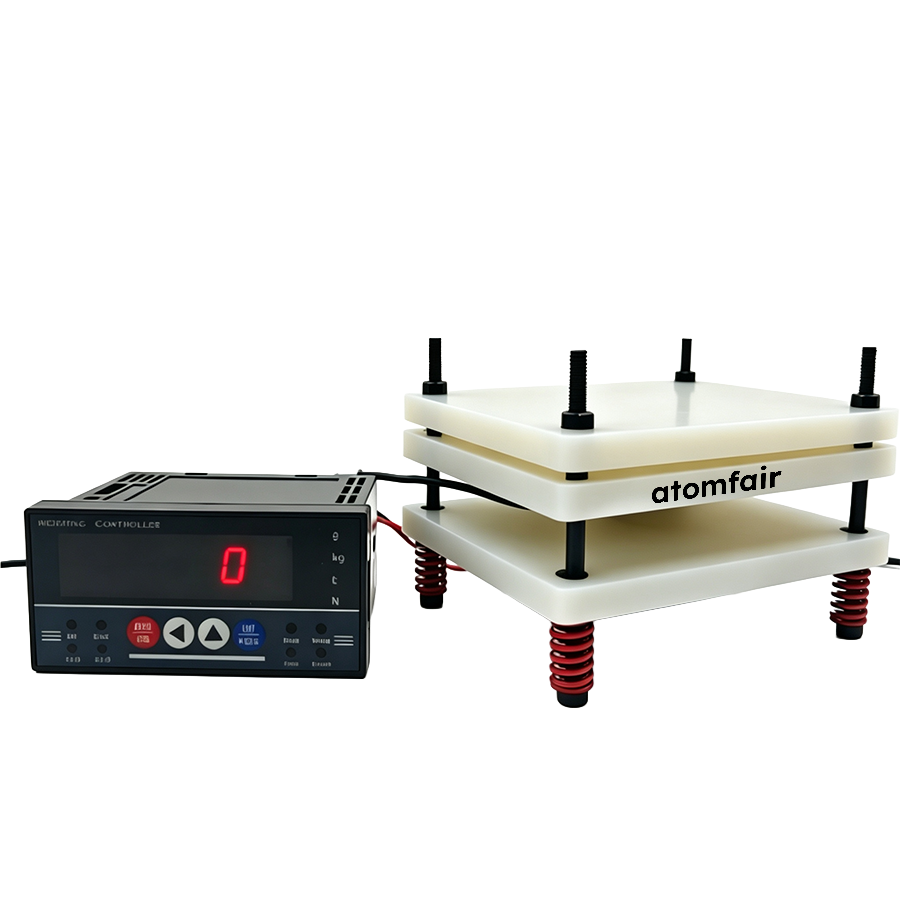
Pouch Cell Cycle Test Fixture PP Three-Layer 200kg ATOMFAIR®

$300.00

Institutional Procurement & Supply Compliance: As a verified US supplier, Atomfair accepts formal institutional Purchase Orders (POs), contract billing schedules, and custom procurement loops for university and national laboratories, and corporate R&D departments globally.

Food-grade PP three-layer fixture with integrated pressure sensor. Supports 200kg pressure, 0.1-2cm cells. No swelling, scratch-proof. Order now.

Description

ATOMFAIR® ATM-PCBT-PP-3L POLYPROPYLENE BATTERY CYCLE TEST FIXTURE

RESEARCH GRADE MATERIAL

Product Overview

The ATOMFAIR® electrochemical engineering matrix introduces a high-capacity battery cycle test fixture meticulously optimized to support continuous expansion profiling under precise, uniform force fields. Specifically developed for academic professors, Ph.D. electrochemists, and corporate battery testing labs, this heavy-duty ATM-PCBT-PP-3L Polypropylene multi-tier jig enables seamless tracking of pouch configurations. Upgraded into an optimized architectural framework, it embeds high-fidelity electronic transducer nodes to establish instant real-time pressure monitoring throughout prolonged cycling validation matrices. Utilizing an advanced, streamlined 4-corner screw locking alignment assembly, the layout mitigates internal shear stress gradients, successfully eliminating active material wrinkling or trace signal noise during characterization.

Technical Specifications

FIXTURE SIZE (mm) MAX LOAD (kg) MAX CELL SIZE (mm) STRUCTURAL DESCRIPTION
10 × 78 × 105 200 kg ≤ 12 × 48 × 75 Suitable for mini small cells, ultra-lightweight PP material. Three-layer structure with scratch-proof characteristics.
10 × 90 × 107 200 kg ≤ 12 × 60 × 77 Compact size layout, three-layer synchronous clamping, highly optimized for general low-pressure cycle test sweeps.
10 × 100 × 130 200 kg ≤ 12 × 70 × 100 Suitable for standard medium-sized cells, universally utilized across academic labs requiring uniform stress distribution.
10 × 120 × 160 300 kg ≤ 28 × 90 × 130 Standard high-pressure version, reinforced three-layer matrix fully resistant to electrolyte swelling.
12 × 120 × 160 300 kg ≤ 26 × 90 × 130 Reinforced load-bearing frame, wear-resistant polymer build, ultra-lightweight design easy to carry.
10 × 150 × 180 300 kg ≤ 28 × 120 × 150 Suitable for large-capacity pouch cells, providing robust long-term cycling stability without chemical degradation.
12 × 150 × 180 300 kg ≤ 26 × 120 × 150 Top-level high-load PP variant, symmetric displacement control, ultra-scratch-proof face to shield battery film.
Alternative Materials Full material customization available: Food-Grade / Industrial-Grade PP (Default ultra-lightweight, zero swelling, non-toxic options), 7075-T6 Aluminum Alloy (High rigidity, anodized insulation), 316 Stainless Steel (Optimal corrosion resistance for immersion/leakage), PEEK (Sub-micron precision, wide temperature window), Carbon Steel (Rigid, cost-sensitive load bearing), Acrylic (Optically clear visual monitoring), and HDPE (High toughness low-pressure validation).

Key Features & Advantages

  • Technical Advantage: Upgraded three-layer structure incorporates an essential, dedicated pressure-sensing plane layer to record expansion behavior without increasing total weight parameters.
  • Technical Advantage: Calibrated internal electronic inline transducer outputs high-fidelity signal feedback lines to host data loggers for direct real-time pressure monitoring.
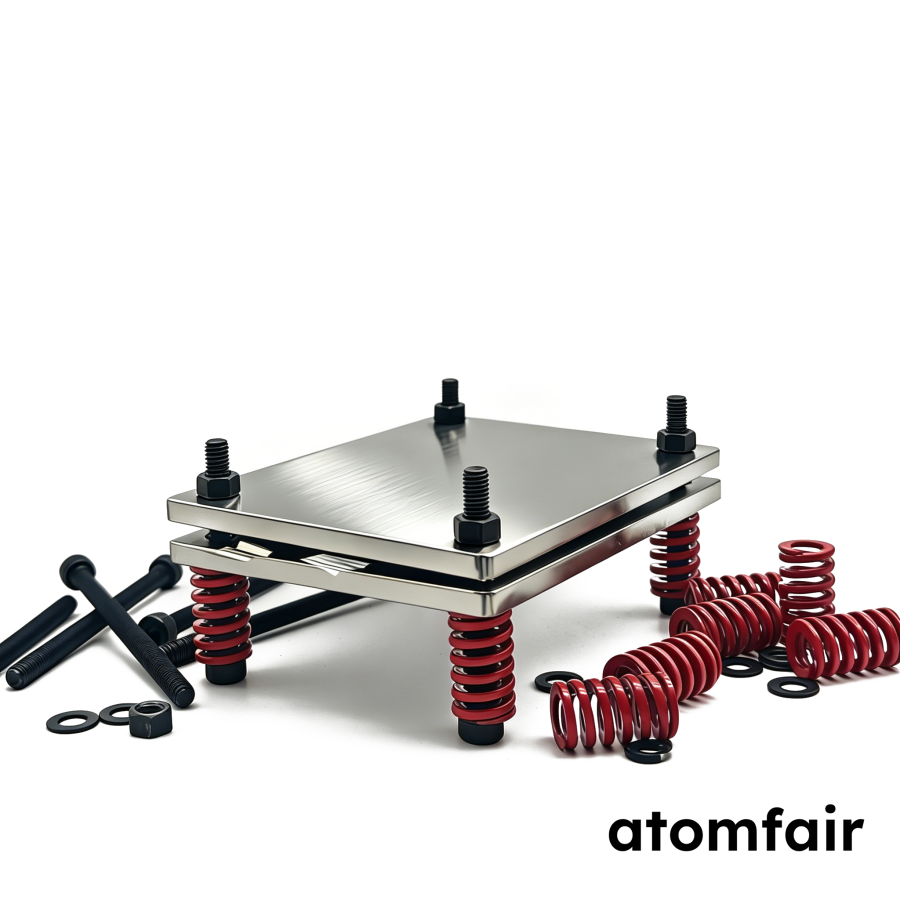
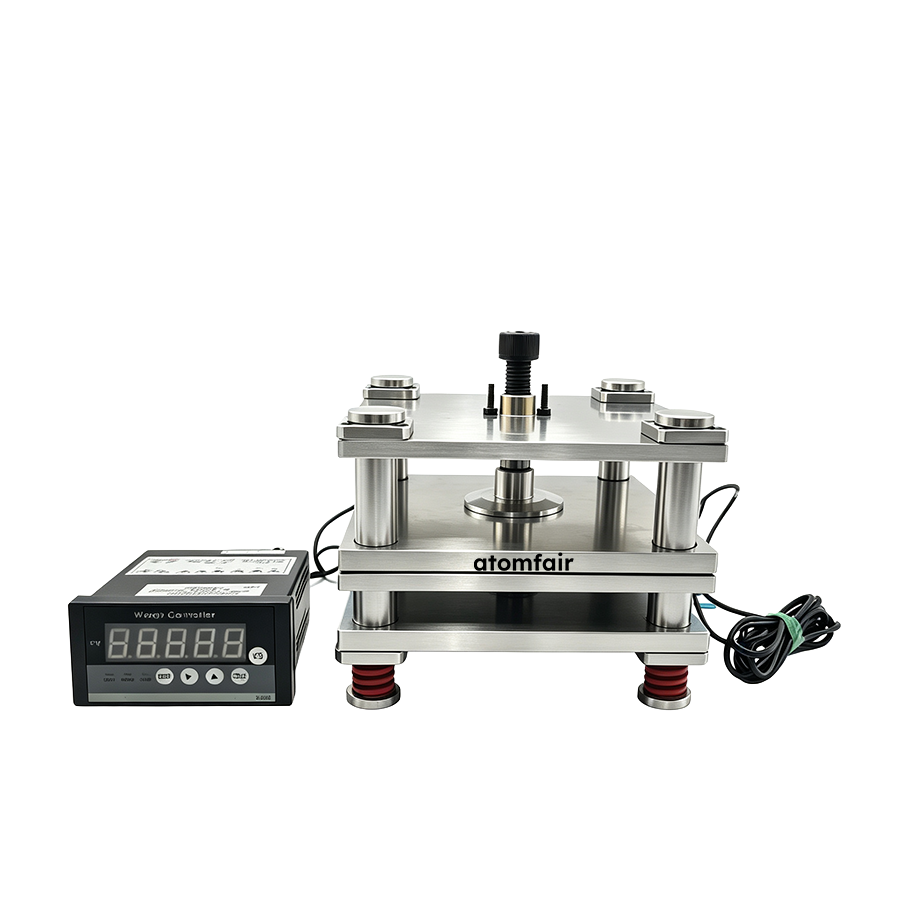
  • Technical Advantage: High-rebound internal die spring buffers combined with a robust 4-corner screw alignment frame supply uniform torque distribution while remaining completely scratch-proof.
  • Technical Advantage: Fabricated from pure, non-reactive polypropylene to eliminate battery fluid corrosion or layer swelling risks, ensuring zero data signal artifact distortion.

APPLICATION SCOPE: Long-term volumetric swelling analysis of multi-layer pouch cell battery chemistries, food-grade or high-safety chemical validation loops, low-pressure galvanostatic cycle life tracking, high-throughput testing matrices, and glovebox/cleanroom routine assemblies.
PACKAGING: Dispatched safely inside heavy-duty, reinforced storage boxes. Each individual assembly unit comes fully equipped with the selected three-layer PP plates, 1x calibrated transducer sensor with link cabling, matching precision die springs, and corner locking hardware components.
IMPORTANT NOTICE: Materials intended strictly for scientific validation and laboratory prototyping applications. Abide by the dimensional rule: maximum cell width and length must remain ≤ fixture parameters minus 30 mm to preserve proper edge clearing boundaries. Do not apply load stresses exceeding the absolute 300 kg ceiling to avoid structural polymer yield damage.
TAILORED SOLUTIONS FOR RESEARCH
Contact our engineering team for technical support or custom institutional quotations.
EMAIL: inquiry@atomfair.com
Manufacturer: Atomfair LLC
Brand: ATOMFAIR®

The fixture is designed for cycle testing pouch cells with a three-layer PP structure that provides uniform pressure distribution and real-time monitoring via an integrated pressure sensor. It requires careful selection of material grade for electrolyte compatibility and must be operated within the specified pressure range to prevent cell damage.

  • Pressure Limit: Standard working pressure is 200 kg and can be customized up to 300 kg, which is the maximum load-bearing capacity of the PP three-layer structure.
  • Cell Thickness Compatibility: The fixture accommodates pouch cells with a thickness range of 0.1 to 2 cm, with three-layer spacing adjustable accordingly.
  • Material Compatibility: PP material is fully electrolyte-resistant without swelling, and both food-grade and industrial-grade options are available depending on test requirements.
  • Clamping Method: A 4-corner screw locking mechanism combined with a die spring buffer ensures uniform pressure distribution and protects the battery cell films from scratching.

This procedure outlines the steps to securely mount a pouch cell into the three-layer fixture and apply the desired clamping pressure. Following these instructions ensures uniform pressure distribution and accurate pressure monitoring during cycle testing.

Required Equipment: PP three-layer fixture with integrated pressure sensor, Die spring buffers, Screwdriver or torque wrench, Pressure monitoring display or data acquisition system

  1. Insert the pouch cell
    Insert the pouch cell into the central opening of the three-layer fixture, ensuring it does not extend beyond the designated area and aligns with the pressure sensor layer.
  2. Adjust the three-layer spacing
    Set the spacing between the fixture layers to match the cell thickness by turning the adjustment screws until the layers contact the cell surfaces uniformly.
  3. Tighten the four-corner screws
    Apply torque to the four-corner screws in a crosswise pattern using a screwdriver or torque wrench to achieve the desired clamping pressure while the die spring buffers absorb uneven force.
  4. Monitor the pressure reading
    Observe the real-time pressure reading from the integrated sensor and adjust the screw torque until the standard working pressure of 200 kg (or customized value) is reached and stable.
  5. Verify uniform distribution
    Check that the pressure is evenly distributed across the cell surface by confirming consistent sensor readings and ensuring no gaps between layers.

What is the maximum available working pressure for the PP three-layer pouch cell fixture and how does it vary with fixture size?

The maximum working pressure is 300 kg for larger fixture sizes such as 120×160 mm and 150×180 mm, while smaller fixtures like 78×105 mm are rated at 200 kg. The standard pressure is 200 kg, but it can be customized up to 300 kg depending on the fixture size and the load-bearing capacity of the PP three-layer structure, ensuring uniform pressure distribution across different cell dimensions.

Can the ATM-PCBT-PP-3L be used with pouch cells that may swell or leak electrolyte without damaging the fixture?

Yes, the default PP material is fully electrolyte-resistant with no swelling, making it suitable for leakage testing and long-term exposure to electrolytes. The three-layer structure features ultra-scratch-proof surfaces that protect cell films, and the material does not corrode or degrade in contact with common battery electrolytes. For harsher leakage tests, a 316 stainless steel version is also offered for optimal corrosion resistance.

What external equipment is needed to use the built-in pressure sensor for real-time pressure monitoring during cycle testing?

The pressure sensor is an integral structural component of the three-layer fixture and its data cable must be connected to an external data acquisition system to enable real-time pressure monitoring. No additional modifications are required; the user simply attaches the cable to a compatible acquisition unit to record and visualize pressure data throughout the test.

The Atomfair PP Three-Layer Pouch Cell Test Fixture with integrated pressure sensor provides an ultra-lightweight, electrolyte-resistant solution for low-pressure cycle testing, enabling real-time pressure monitoring and uniform clamping. Its maximum load is limited to 300 kg, and the pressure sensor is a mandatory structural component requiring external acquisition equipment.

Positive

  • Ultra-lightweight and Electrolyte-Resistant PP Construction: The PP three-layer fixture is ultra-lightweight and fully resistant to electrolyte swelling, ensuring no contamination or interference with test data during low-pressure cycle testing.
  • Integrated Real-Time Pressure Monitoring: The built-in pressure sensing layer enables real-time pressure monitoring via external acquisition equipment, providing stable and uniform pressure distribution across the pouch cell.

Trade-offs

  • Maximum Load Limited to 300 kg: The PP three-layer design is optimized for low-pressure testing, with a maximum load of 300 kg, restricting use in high-pressure or ultra-high-force battery testing scenarios.
  • Pressure Sensor Required for Structural Integrity: The pressure sensor is an essential structural component; its removal or failure compromises fixture integrity and pressure distribution, necessitating careful handling and external acquisition equipment.

Every advanced material, component, equipment, and instrument in our catalog is backed by rigorous testing. We maintain strict internal quality management frameworks and align with CE conformity metrics to deliver transparent, reproducible performance data via our public open-science repository.

To request raw batch performance data, submit formal vendor registration paperwork, or execute a fast-turnaround R&D manufacturing loop, contact us at inquiry@atomfair.com.

Item is dispatched under the Atomfair Shipping & Delivery Framework (Free worldwide shipping on orders over $59 USD). Return is governed by the Atomfair Return & Refund Policy (7-day technical return window).
Additional information

size

10mm*78mm*105mm, 10mm*90mm*107mm, 10mm*100mm*130mm, 10mm*120mm*160mm, 12*120*160, 10mm*150mm*180mm, 12mm*150mm*180mm