ATM-PCBT-PP POUCH CELL BATTERY TEST FIXTURE (POLYPROPYLENE VERSION)RESEARCH GRADE EQUIPMENT
|
||
|
|
|
|||||||||||||||||||||||||||||||||||||||||||
|
TAILORED SOLUTIONS FOR RESEARCH
Contact our engineering team for technical support or official institutional quotations.
EMAIL: inquiry@atomfair.com
|
|||||||||||||||||||||||||||||||||||||||||||
|
Manufacturer: Atomfair LLC
Brand: ATOMFAIR®
|
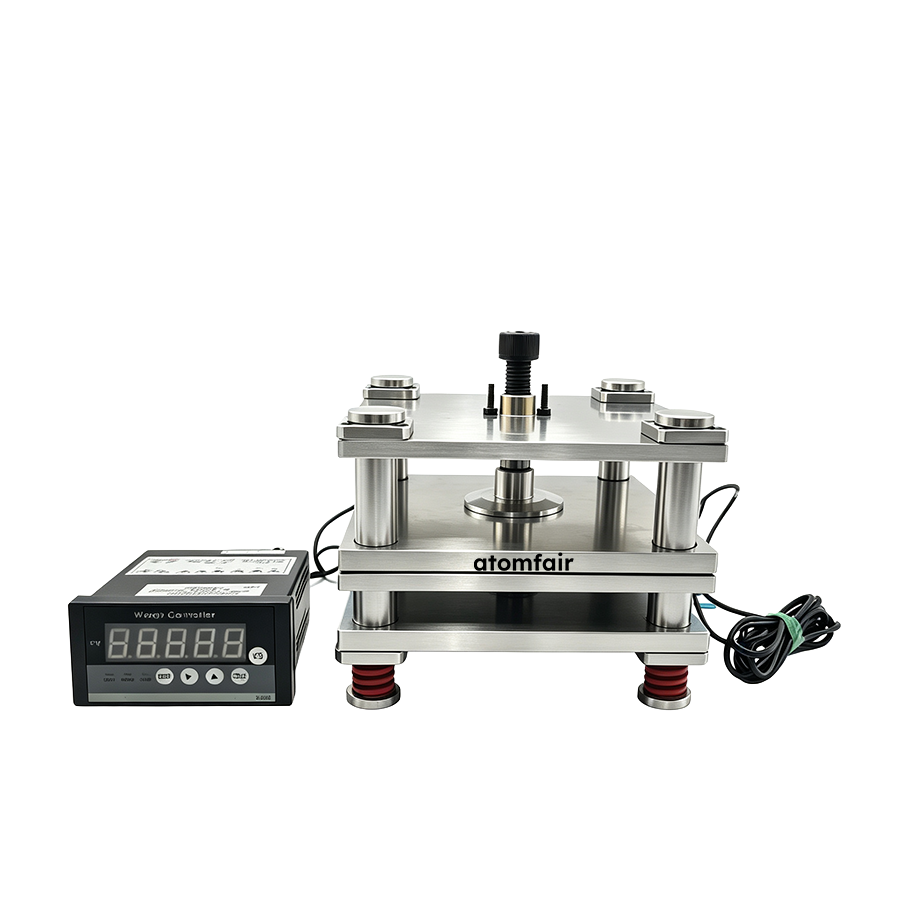
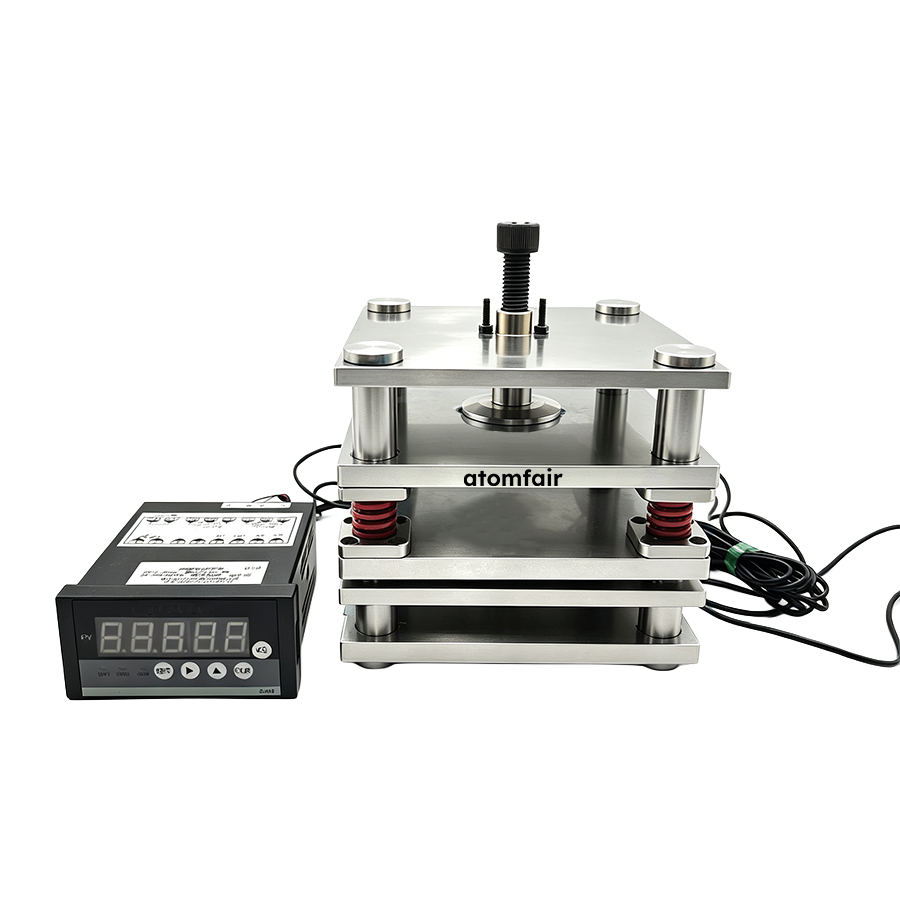
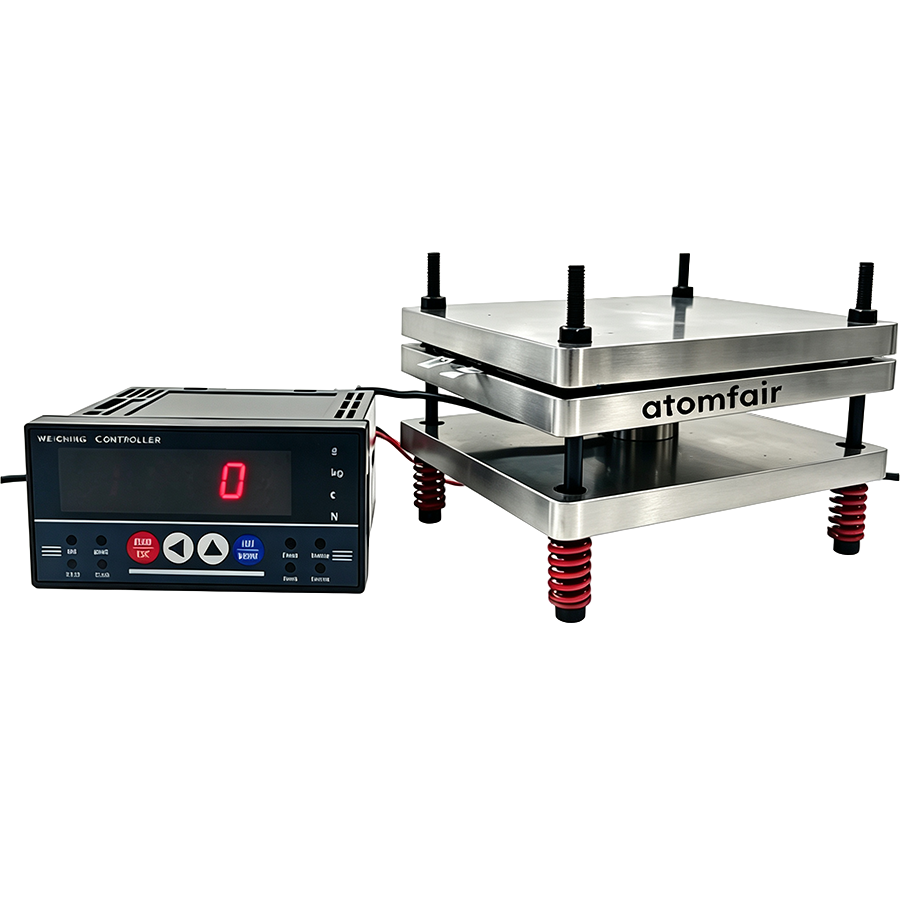
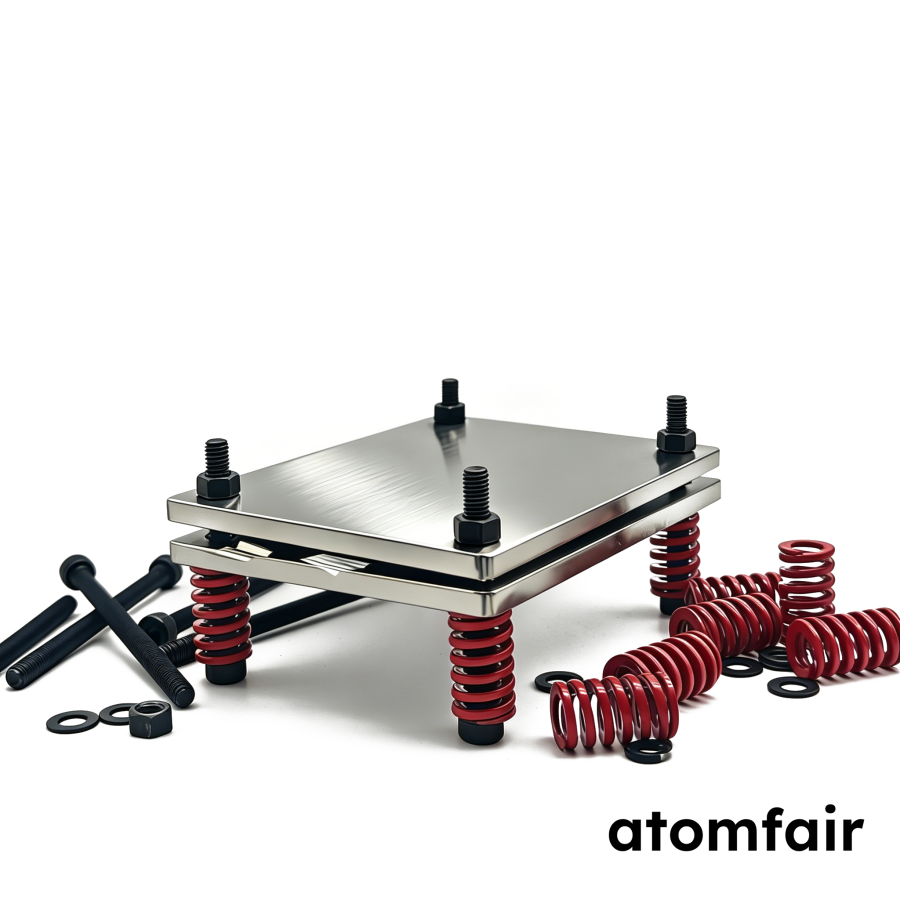
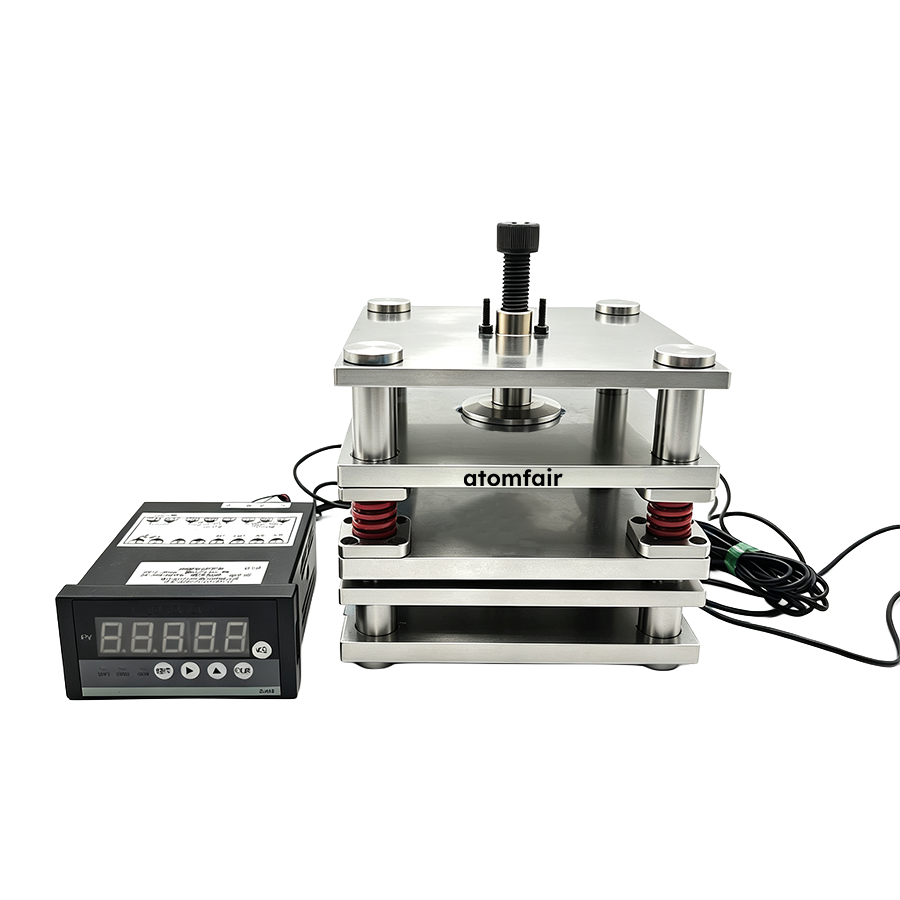
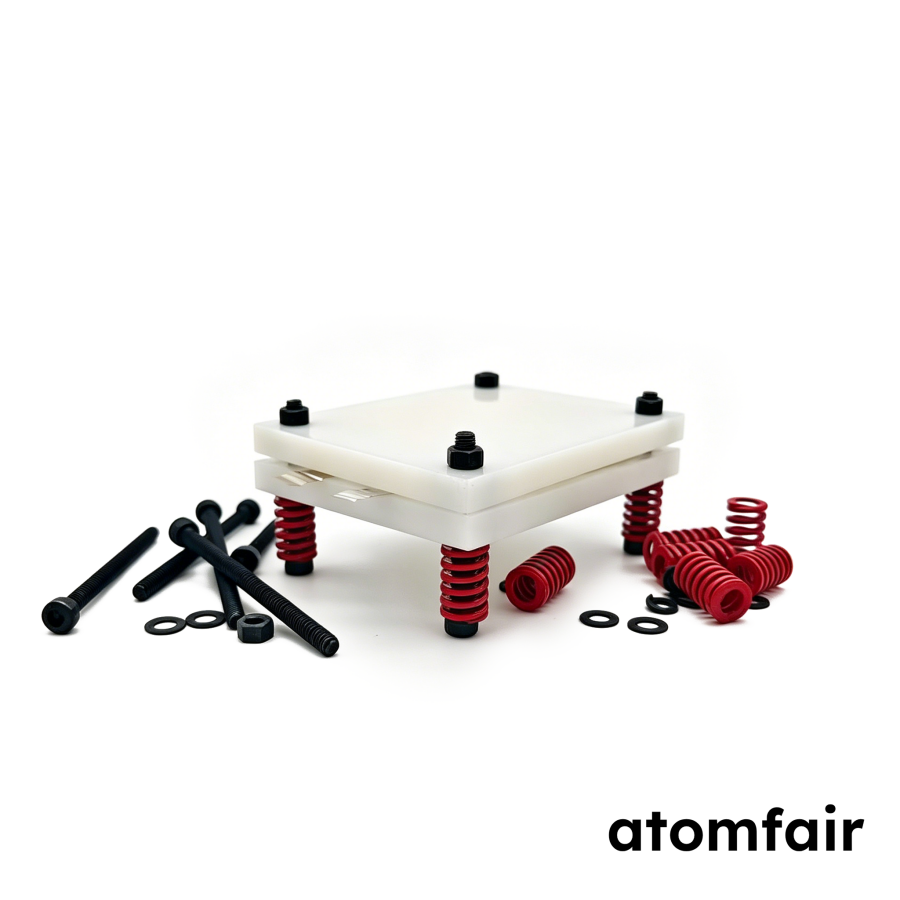
This fixture operates at 150 kg standard pressure (customizable to 200 kg) and clamps cell thicknesses from 0.1 to 1.5 cm using a 4-corner screw locking system with die spring buffer. The polypropylene construction provides full electrolyte resistance with zero swelling, while the sizing rule requires cell length and width to be 30 mm less than fixture dimensions for safe clamping.
- Working Pressure Limit: Standard working pressure is 150 kg, with customization up to 200 kg for applicable fixture sizes.
- Cell Thickness Compatibility: Compatible cell thickness range is 0.1 to 1.5 cm when using the die spring buffer.
- Fixture Sizing Rule: Maximum compatible cell length and width equal fixture length and width minus 30 mm to ensure safe clamping space.
- Material Compatibility: Polypropylene construction offers complete electrolyte resistance with zero chemical swelling and no electrical or magnetic interference.
- Surface Protection: The soft surface toughness acts as a protective buffer to eliminate cell film scratches during clamping.
How does the maximum working pressure of the ATM-PCBT-PP polypropylene fixture compare to stainless steel or aluminum alternatives, and what are the implications for high-pressure cycle testing?
The ATM-PCBT-PP PP fixture supports a standard working pressure of 150 kg, customizable up to 200 kg, making it ideal for medium and low-pressure cycle tests. For higher pressure requirements up to 500 kg, the same fixture design can be customized with 316 stainless steel, which offers the best electrolyte corrosion resistance and high-pressure compatibility. If lightweight portability and cost-effectiveness are prioritized over extreme load capacity, the PP version remains the optimal choice.
What is the exact sizing rule for fitting a pouch cell into the ATM-PCBT-PP fixture, and why is the 30 mm margin required?
The cell length and width must equal the fixture length and width minus 30 mm. For example, a fixture size of 8×100×130 mm accommodates a maximum cell size of ≤8×70×100 mm. This 30 mm margin ensures safe clamping space to protect the cell and maintain stable battery cycle testing data by preventing edge overhang and ensuring even pressure distribution.
How does the polypropylene construction of the ATM-PCBT-PP fixture prevent electrolyte swelling and eliminate electrical or magnetic interference during cycling?
The premium polypropylene material offers complete electrolyte resistance with zero chemical swelling, preventing dimensional changes that could compromise test pressure consistency. Additionally, PP is non-magnetic and electrically insulating, eliminating any electrical or magnetic baseline interference that could corrupt sensitive electrochemical measurements. The soft surface toughness also acts as a protective buffer to eliminate cell film scratches during clamping.
The ATM-PCBT-PP polypropylene pouch cell fixture offers complete electrolyte resistance and electromagnetic neutrality for medium-to-low-pressure cycle testing up to 200 kg, but its plastic construction limits maximum working pressure and long-term mechanical endurance relative to metal alternatives.
Positive
- Zero electrolyte swelling: Polypropylene is fully resistant to electrolyte contact with no chemical swelling, maintaining dimensional stability and preventing contamination during long-cycle testing.
- Electrically and magnetically inert: PP eliminates baseline electrical or magnetic interference, a critical advantage for accurate impedance and low-current measurements in battery cycling studies.
Trade-offs
- Limited maximum working pressure: Standard working pressure is 150 kg with a maximum of 200 kg in custom versions, restricting use in high-pressure cell testing protocols above this threshold.
- Lower mechanical strength than metals: Polypropylene has reduced stiffness and wear resistance compared to stainless steel or aluminum, which may lead to deformation or reduced fixture lifespan under repeated heavy loads or high-temperature cycling.
Every advanced material, component, equipment, and instrument in our catalog is backed by rigorous testing. We maintain strict internal quality management frameworks and align with CE conformity metrics to deliver transparent, reproducible performance data via our public open-science repository.
To request raw batch performance data, submit formal vendor registration paperwork, or execute a fast-turnaround R&D manufacturing loop, contact us at inquiry@atomfair.com.
Item is dispatched under the Atomfair Shipping & Delivery Framework (Free worldwide shipping on orders over $59 USD excl. heavy equipment). Return is governed by the Atomfair Return & Refund Policy (7-day technical return window).