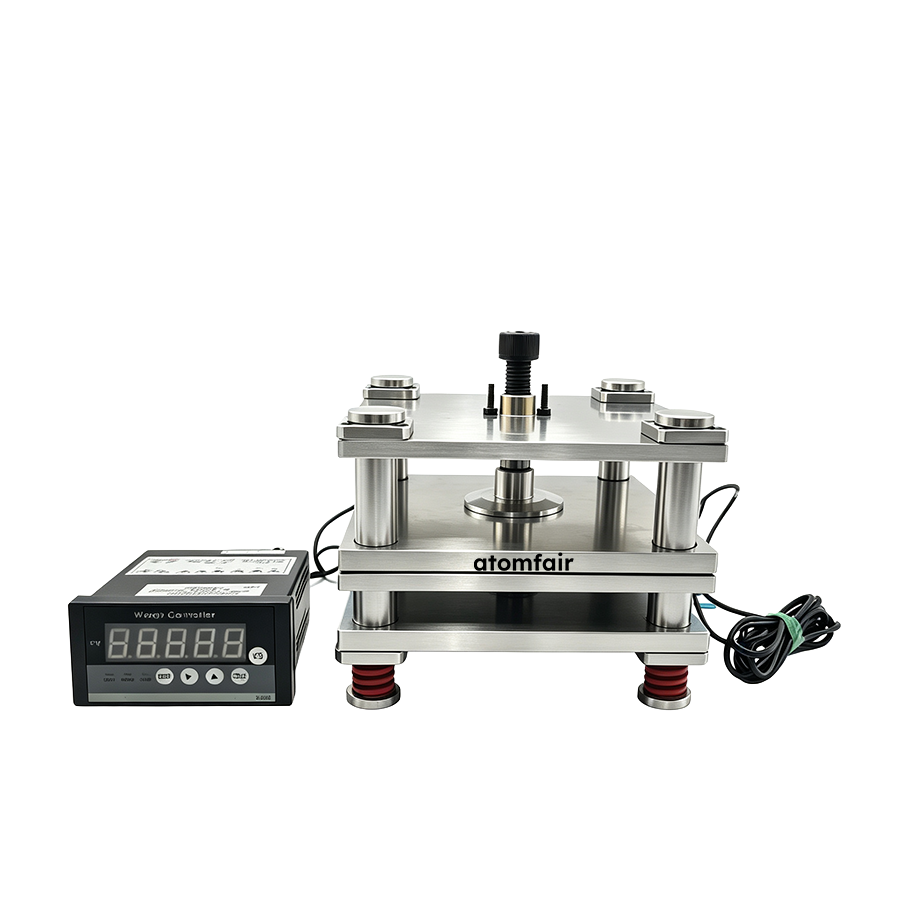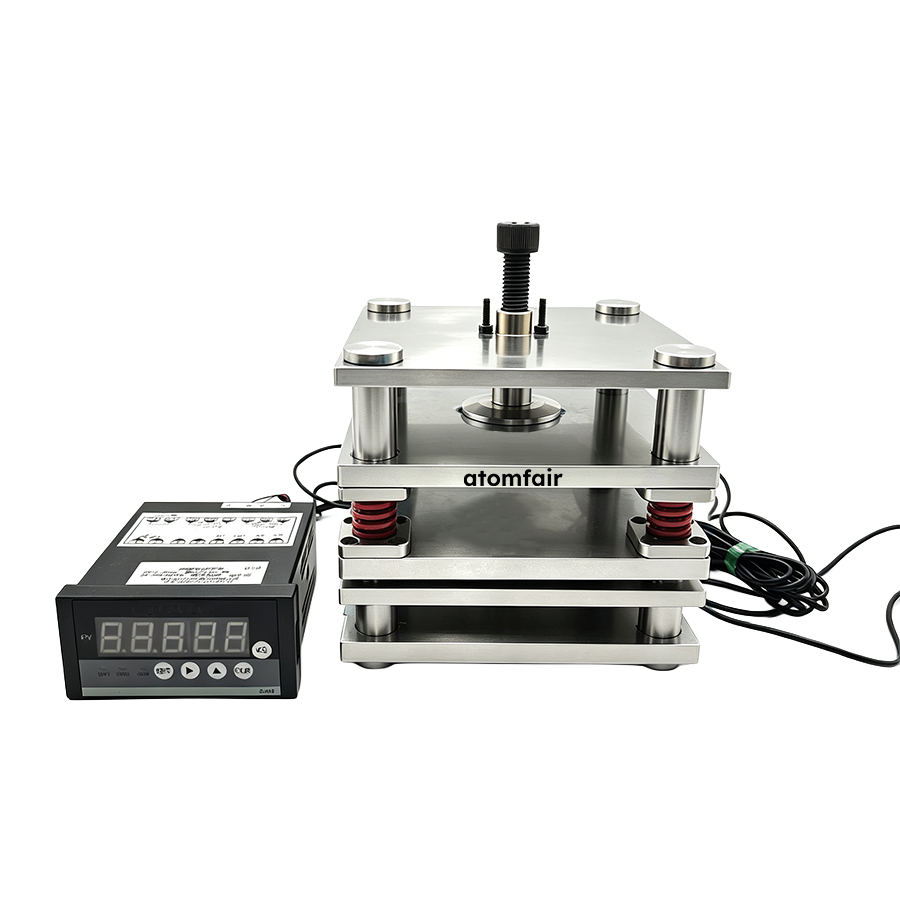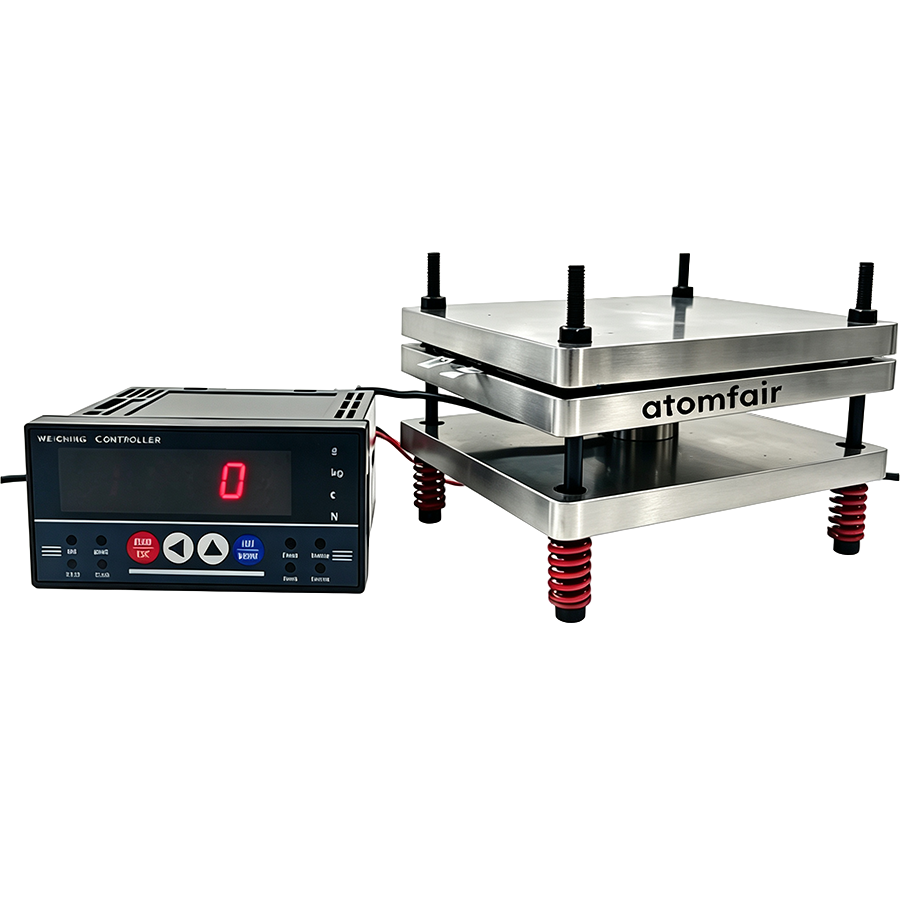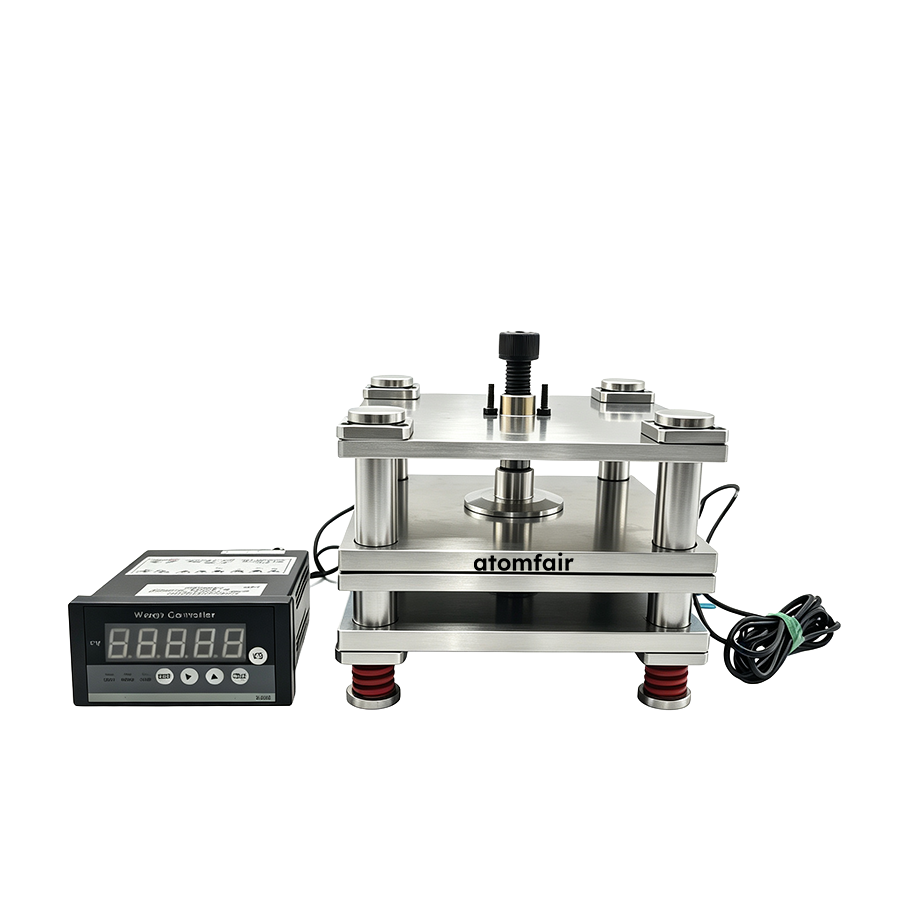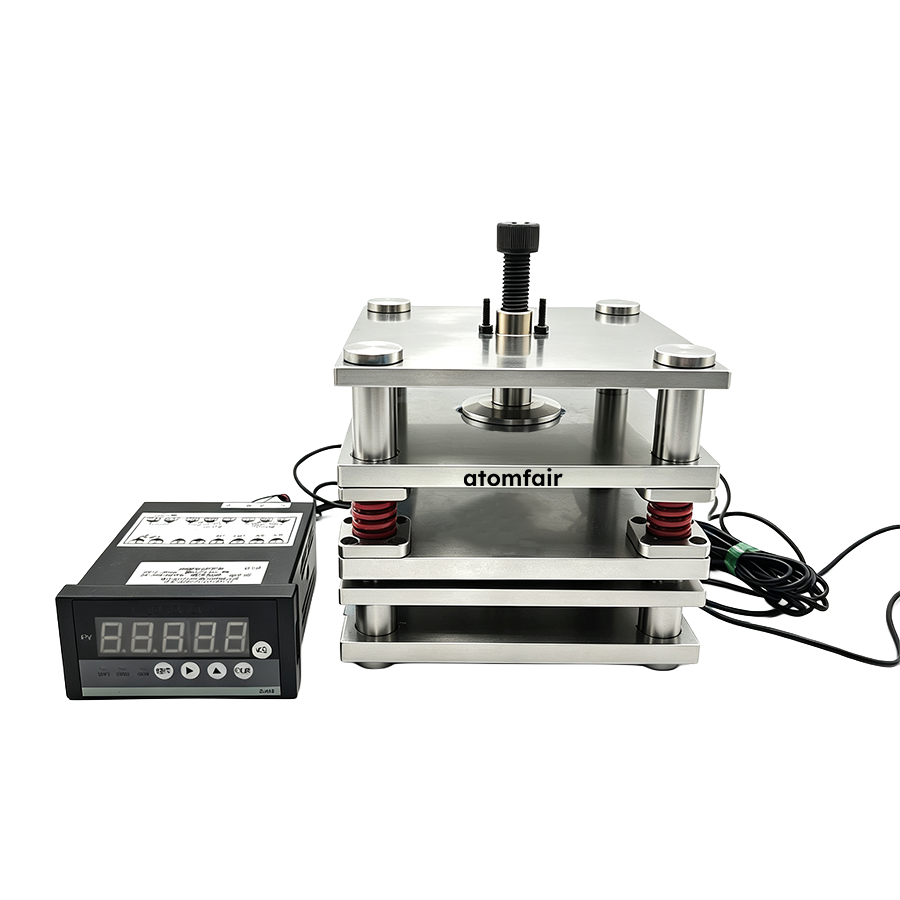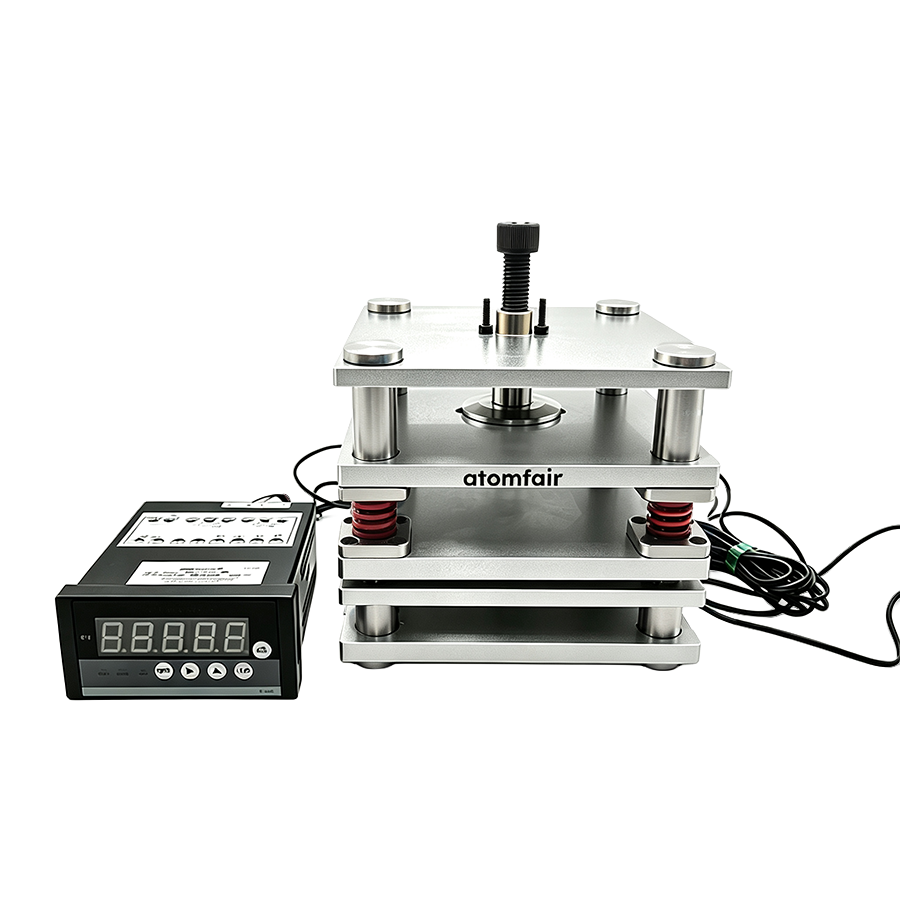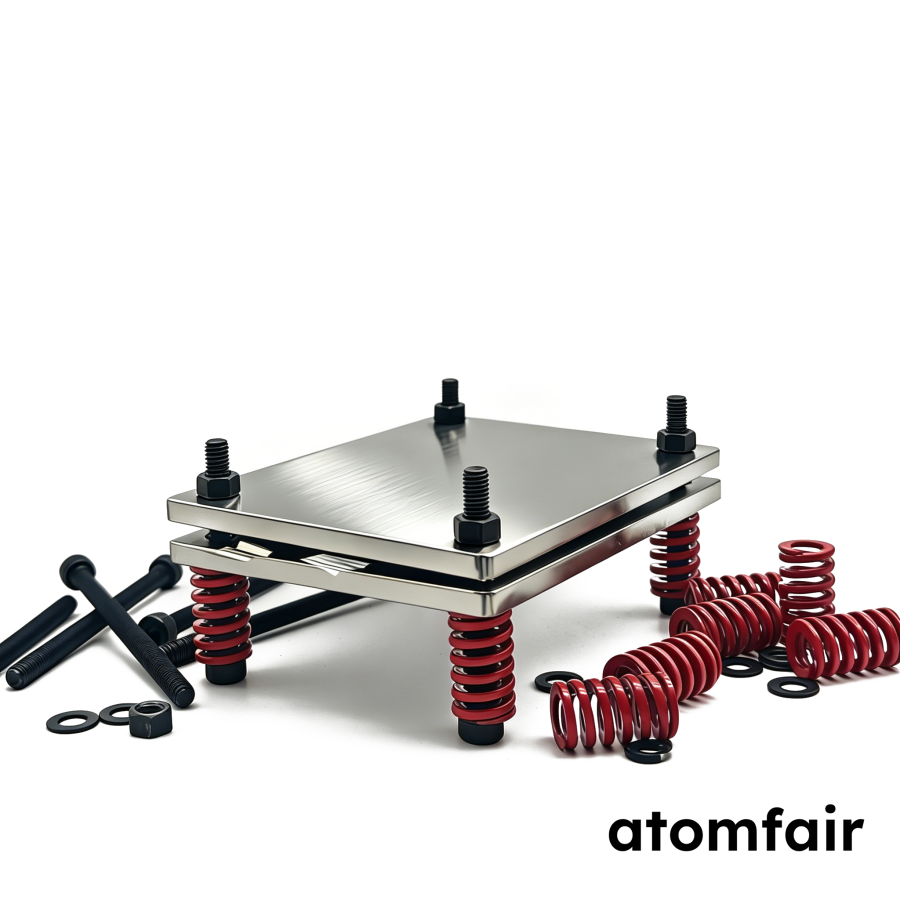
ATM-PCBT-SS POUCH CELL BATTERY TEST FIXTURE (316 STAINLESS STEEL VERSION)RESEARCH GRADE EQUIPMENT
|
||
|
|
|
||||||||||||||||||||||||||||||||||||||||
|
TAILORED SOLUTIONS FOR RESEARCH
Contact our engineering team for technical support or official institutional quotations.
EMAIL: inquiry@atomfair.com
|
||||||||||||||||||||||||||||||||||||||||
|
Manufacturer: Atomfair LLC
Brand: ATOMFAIR®
|
This fixture imposes specific dimensional and material compatibility requirements for reliable battery cycle testing. Proper selection of fixture size and material is necessary to prevent mechanical overload and electrolyte-induced corrosion.
- Cell Sizing Constraint: Cell length and width must be at least 30 mm smaller than the fixture length and width to ensure adequate clamping space and prevent edge damage.
- Material Compatibility Requirement: The fixture must be constructed from a material with sufficient electrolyte corrosion resistance, such as 316 stainless steel, to withstand long-term exposure to cell leakage or immersion environments.
- Working Pressure Limit: The standard working pressure is 300 kg, with a maximum of 500 kg for specific fixture sizes; exceeding these limits may cause structural failure.
- Cell Thickness Range: The fixture accommodates cell thicknesses from 0.1 cm to 2 cm using a 4-corner screw locking system with a die spring buffer.
- Customization Constraint: Fixture size, material, and pressure must be customized based on the cell dimensions and test requirements, with all customizations subject to ISO 9001 quality control.
What is the maximum working pressure achievable for small pouch cells using the ATM-PCBT-SS316 fixture?
Small cells clamped in the smallest fixture size (10 × 48 × 75 mm max cell) have a maximum theoretical load of only 300 kg, not the 500 kg that larger fixture sizes can support. The fixture size table shows that only fixture sizes with length and width ≥ 120 × 160 mm support the 500 kg maximum; smaller configurations are limited to 300 kg, representing a direct trade-off between cell size and achievable clamping pressure.
Can the ATM-PCBT-SS316 be used for immersion testing or with electrolyte leakage without compromising structural integrity?
Yes, the 316 stainless steel construction offers the absolute highest resistance against electrolyte corrosion and is specifically described as suitable for leakage and immersion scenarios. The non-magnetic 316 SS also eliminates baseline data interference and remains stable across high and low temperatures, making it ideal for long-cycle testing where electrolyte exposure is a risk.
How does the die spring buffer and 4-corner screw locking system ensure uniform pressure across cell thicknesses from 0.1 to 2 cm?
The 4-corner screw locking combined with the die spring buffer allows the fixture to securely clamp a wide range of cell thicknesses (0.1–2 cm) while maintaining the standard working pressure of 300 kg. The spring buffer compensates for thickness variations, preventing over‑or under‑clamping, and the rigid 316 stainless steel plates keep the clamping surfaces parallel for consistent pressure distribution across the entire electrode stack.
The ATM-PCBT-SS pouch cell test fixture in 316 stainless steel delivers exceptional corrosion resistance and structural rigidity for long-cycle battery testing, with a 4-corner screw and die spring clamping system that accommodates cells from 0.1 to 2 cm thickness and supports working pressures up to 500 kg when customized.
Positive
- Superior electrolyte corrosion resistance: 316 stainless steel construction provides the highest resistance against electrolyte attack, preventing structural degradation and baseline interference during long-term leakage or immersion scenarios.
- Precision clamping with pressure flexibility: The 4-corner screw locking system paired with a die spring buffer ensures uniform force distribution across cell thicknesses from 0.1 to 2 cm, with standard 300 kg working pressure and optional customization up to 500 kg.
Trade-offs
- Cell sizing constraint from fixture dimensions: The fixture imposes a mandatory 30 mm clearance on each side: cell length and width must equal fixture length and width minus 30 mm, limiting the maximum cell size that can be accommodated in a given fixture size.
- Customization required for non-standard requirements: Higher working pressures (above 300 kg) and non-standard fixture sizes or materials are available only through customization, which may involve lead times and engineering coordination per ISO 9001 processes.
Every advanced material, component, equipment, and instrument in our catalog is backed by rigorous testing. We maintain strict internal quality management frameworks and align with CE conformity metrics to deliver transparent, reproducible performance data via our public open-science repository.
To request raw batch performance data, submit formal vendor registration paperwork, or execute a fast-turnaround R&D manufacturing loop, contact us at inquiry@atomfair.com.
Item is dispatched under the Atomfair Shipping & Delivery Framework (Free worldwide shipping on orders over $59 USD excl. heavy equipment). Return is governed by the Atomfair Return & Refund Policy (7-day technical return window).