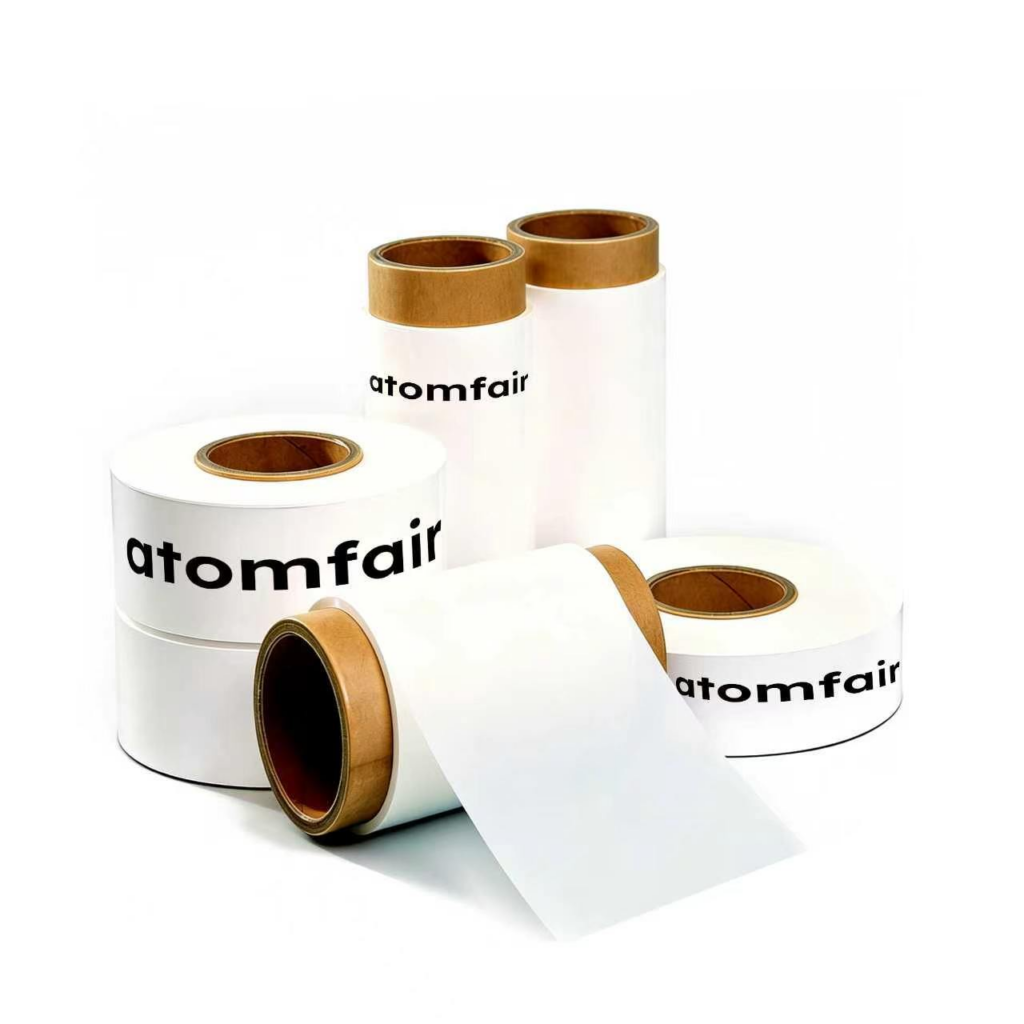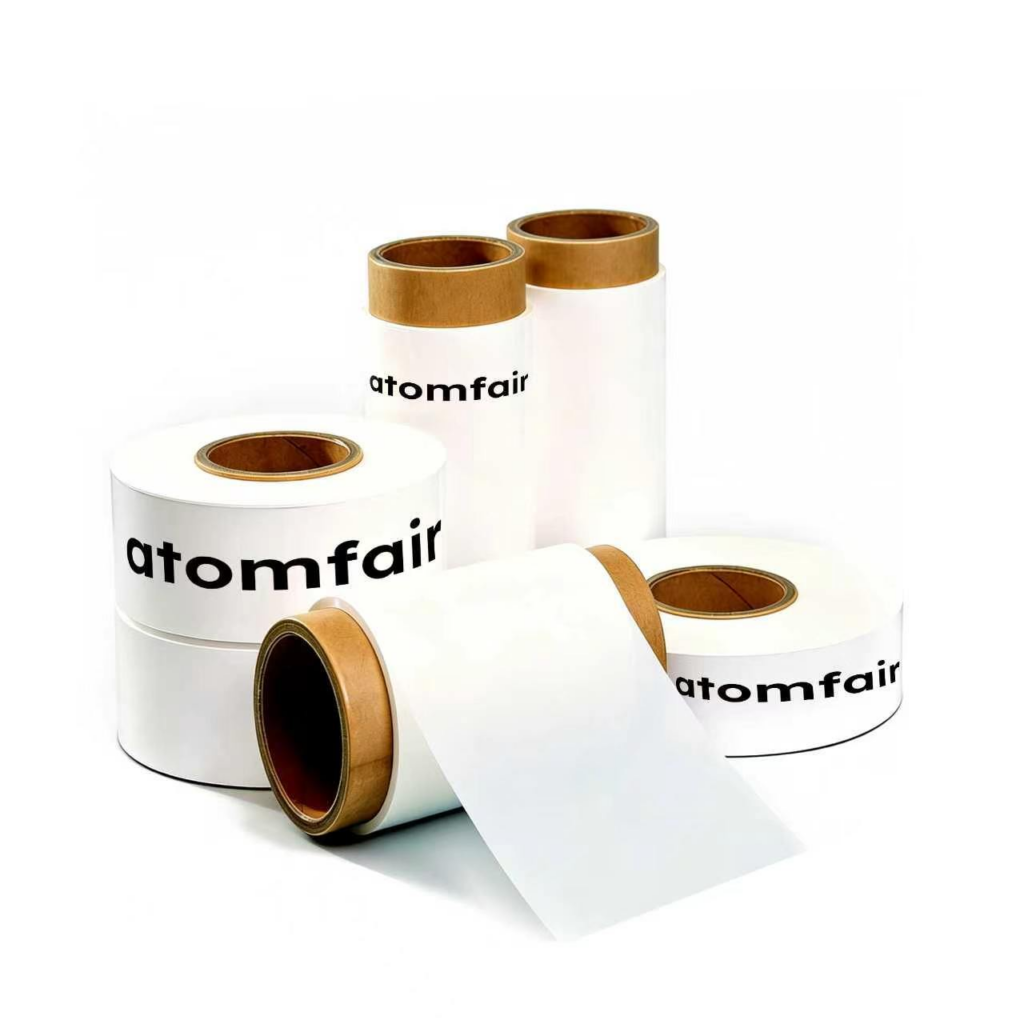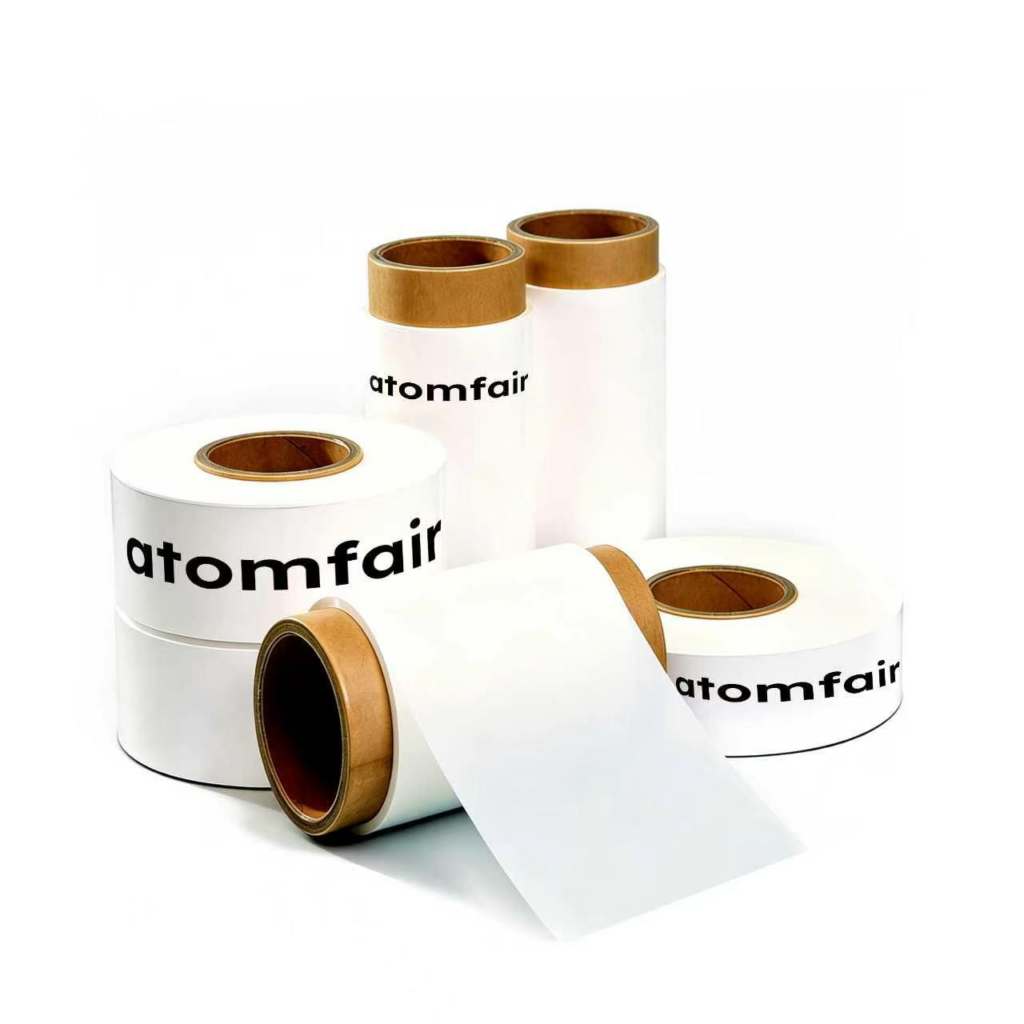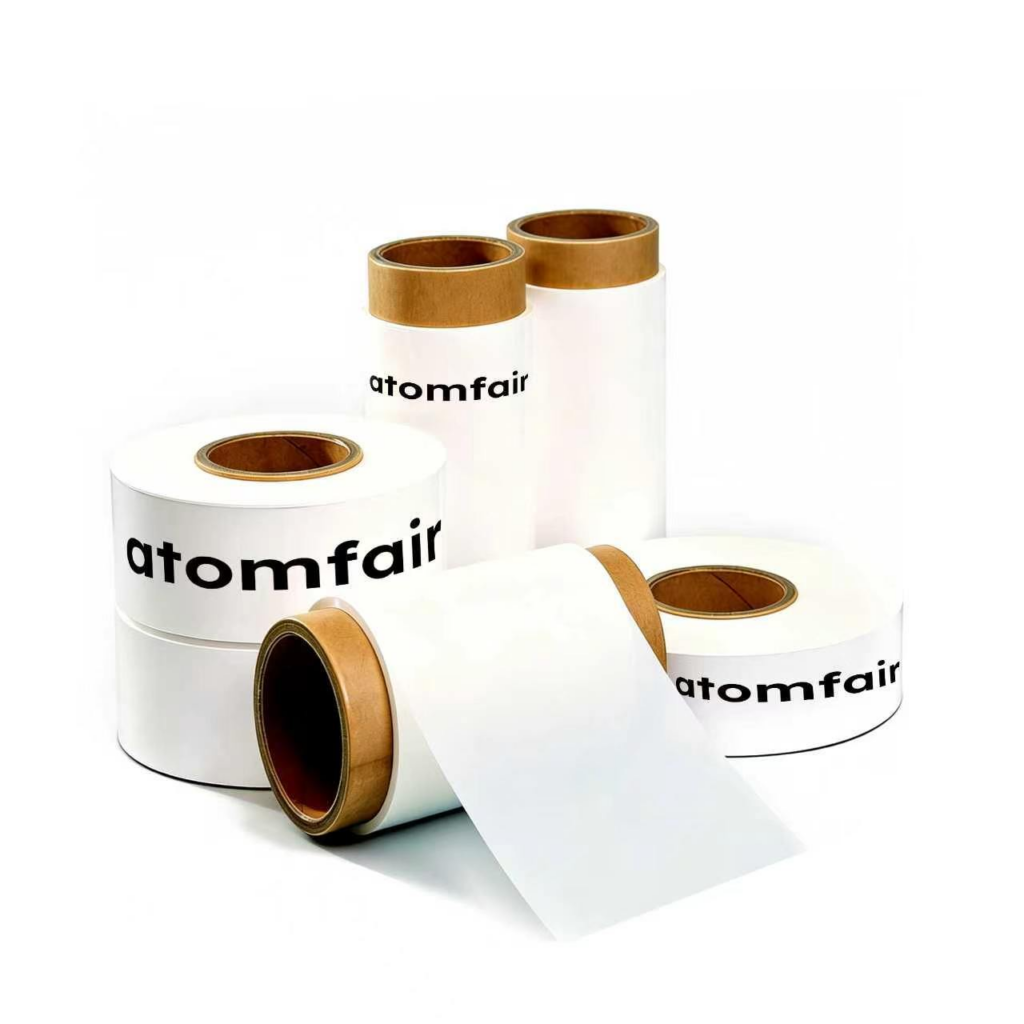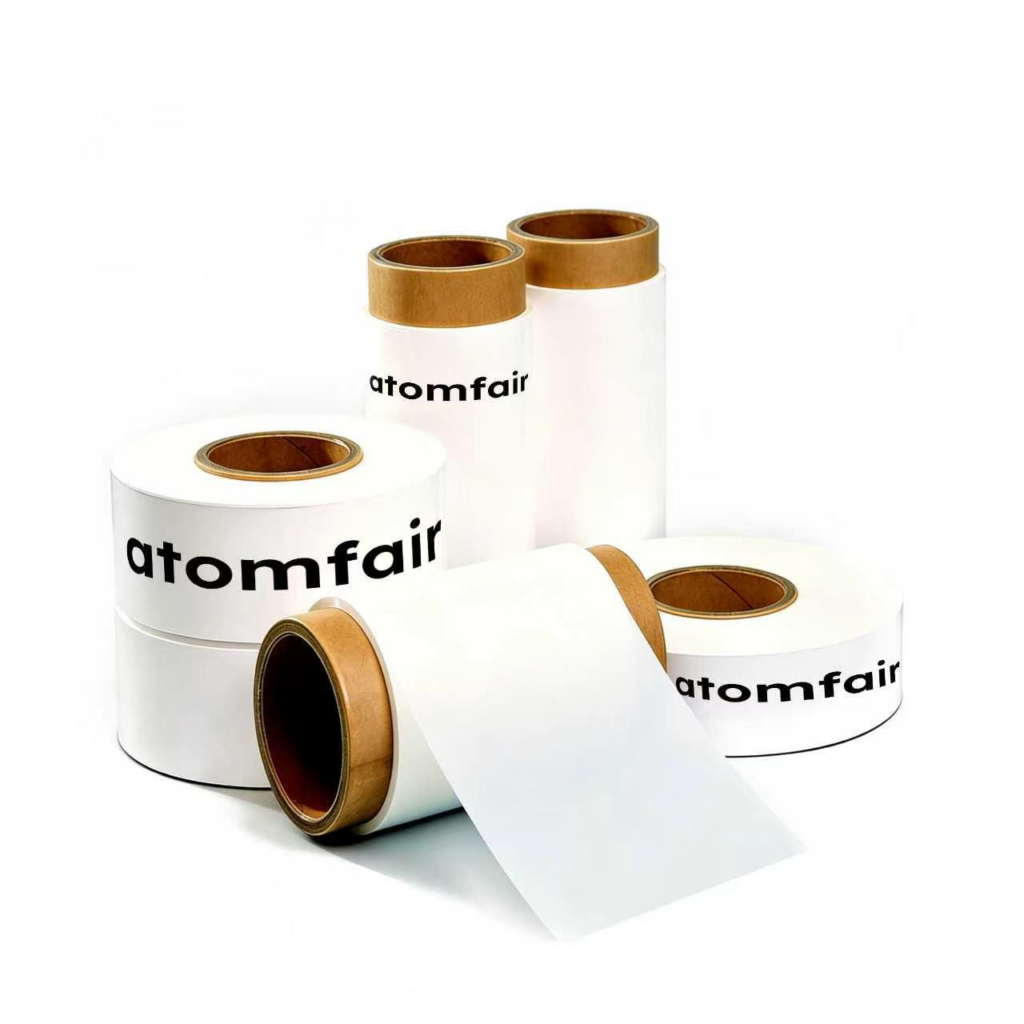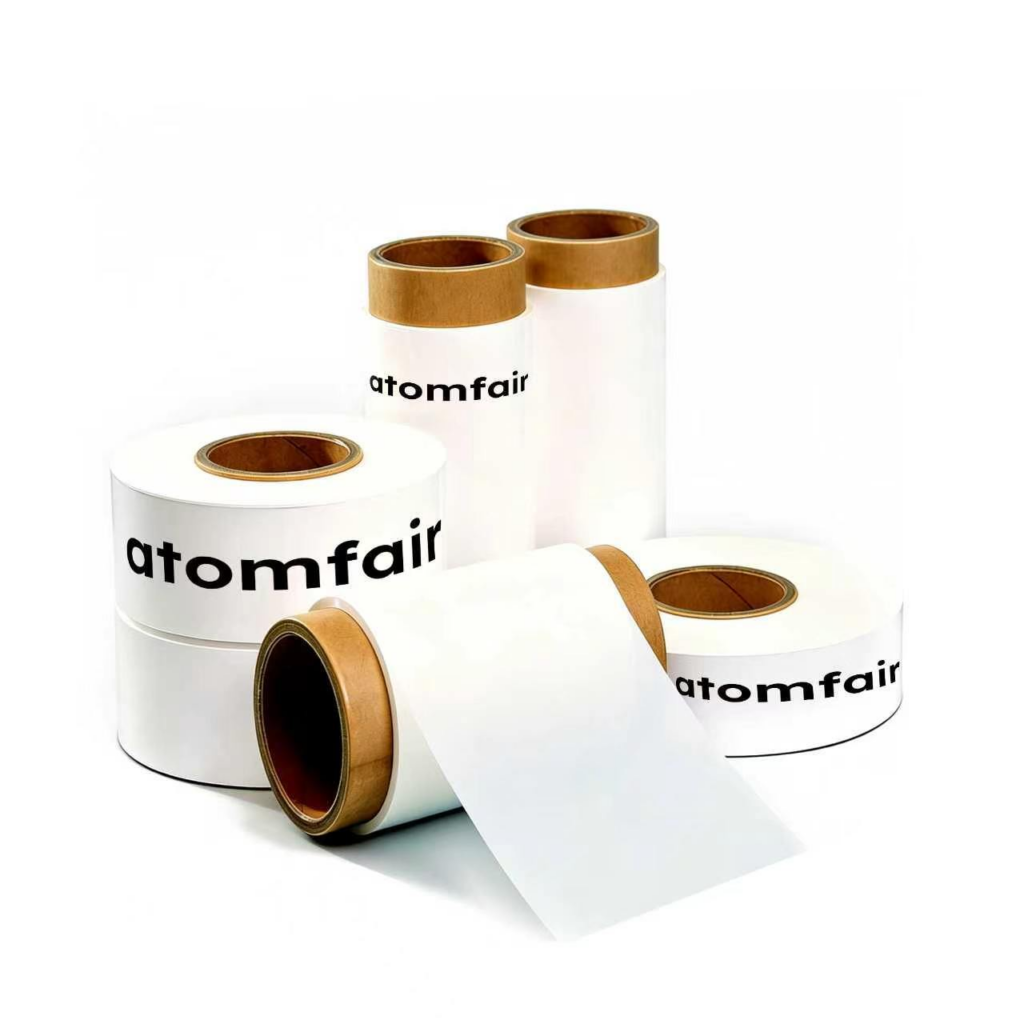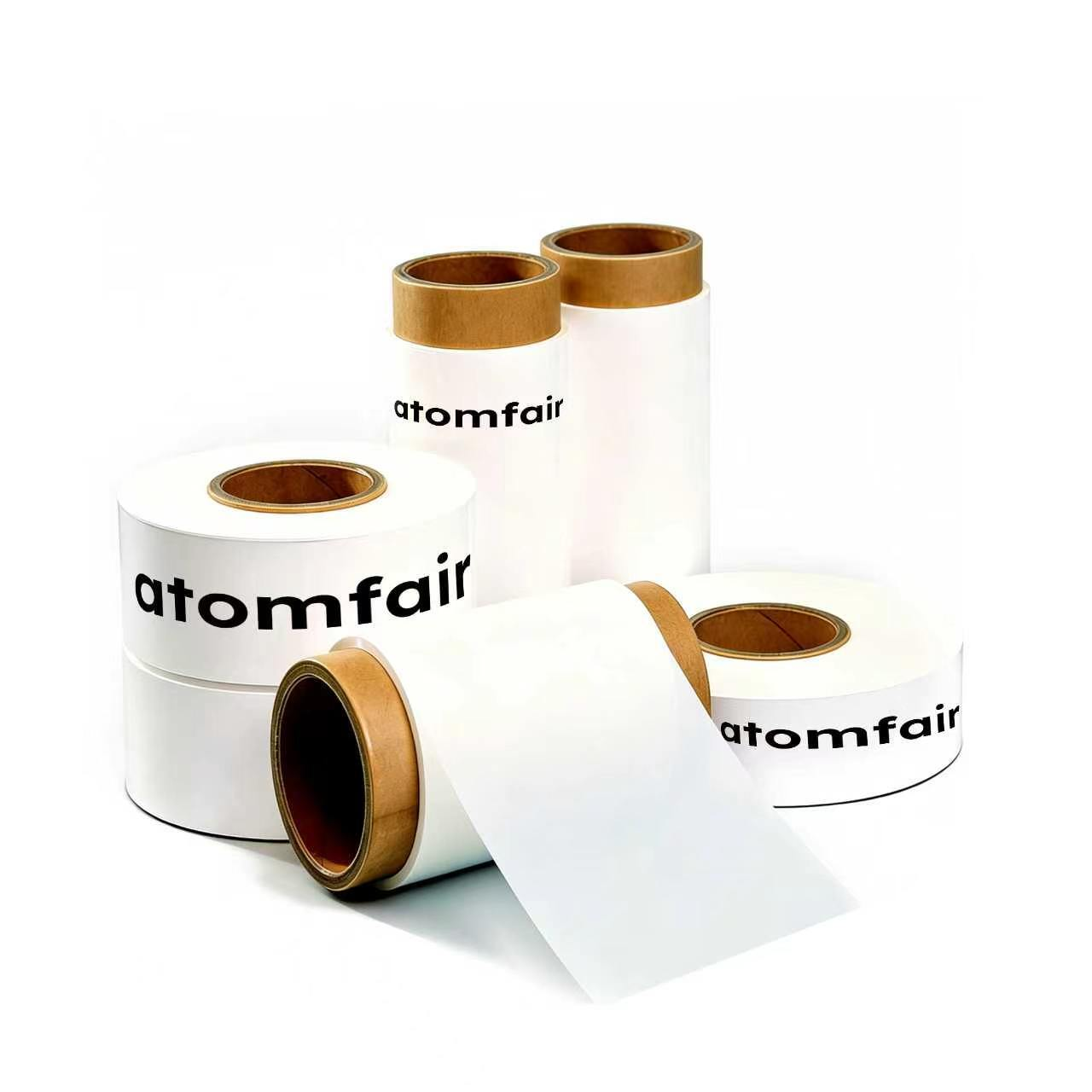
ATOMFAIR® DRY-PROCESS PP SEPARATOR 16μm (MODEL: AFSPPP16U60mm10m)RESEARCH GRADE MATERIAL – PRIMARY COMPONENT FOR ION TRANSMISSION
|
|||||||||||||||||||||||||||||||||||||||||
|
|||||||||||||||||||||||||||||||||||||||||
|
TAILORED SOLUTIONS FOR RESEARCH
Contact our engineering team for technical support or official institutional quotations.
EMAIL: inquiry@atomfair.com
|
|||||||||||||||||||||||||||||||||||||||||
|
Manufacturer: Atomfair LLC
Brand: ATOMFAIR®
|
|||||||||||||||||||||||||||||||||||||||||
This separator must be stored in a dry, well-ventilated environment at normal or low temperature, away from fire and heat sources. Mechanical handling must avoid severe collision, extrusion, and exposure to sunlight or rain to prevent performance degradation.
- Storage Environment Constraints: Store the separator sealed in a dry, well-ventilated environment at normal or low temperature, away from fire and heat sources.
- Transportation Handling Constraints: Avoid exposure to sunlight, rain, fire baking, severe collision, and extrusion during transportation.
- Thermal Degradation Constraint: Thermal shrinkage of up to 1.6% in the machine direction and 0% in the transverse direction may occur if exposed to temperatures near the 167°C melting point.
- Mechanical Damage Constraint: Puncture and tensile forces must be limited to prevent tearing or deformation of the thin 16μm polypropylene film.
- Chemical Compatibility Constraint: The polypropylene base film should be used only with compatible electrolyte systems to avoid swelling or degradation.
How does the air permeability of 355 seconds for the 20μm dry-process PP separator influence lithium-ion diffusion and rate capability compared to thinner or wet-process alternatives?
The 20μm dry-process PP separator exhibits an air permeability of 355 seconds and porosity of 40%, indicating higher ionic resistance than thinner variants like the 16μm version (210s) or wet-process PE separators of equal thickness (e.g., 224s). This limits its rate capability in high-power applications, but the trade-off yields superior thermal stability with a melting temperature of 167°C and longitudinal thermal shrinkage of only 1.1%, making it ideal for safety-oriented designs requiring moderate discharge rates.
Can this dry-process PP separator be integrated with high-voltage NMC or LCO cathodes and common carbonate electrolytes without compromising wetting or oxidative stability?
The hydrophobic polypropylene base film with 40% porosity and 355s air permeability requires surface activation or wetting agents to achieve full electrolyte uptake in carbonate-based systems used with NMC and LCO cathodes. Its melting point of 167°C provides a thermal runaway margin, but oxidative degradation at voltages above 4.5V should be validated, as polypropylene may form decomposition products that shorten cycle life. Pre-treatment or ceramic coatings are recommended for high-voltage compatibility.
What specific storage and handling protocols must be followed to preserve the integrity of this 20μm dry-process PP separator before cell assembly?
The separator must be stored sealed in a dry, well-ventilated environment at ambient or low temperature, away from fire and heat sources, per the manufacturer's packaging guidelines. During handling, avoid sunlight, rain, and mechanical shock; the 414g puncture strength and 20μm thickness offer moderate durability, but creasing or folding can introduce defects. Use cleanroom conditions and handle carefully when unrolling the 60mm-wide, 10m-long roll to prevent contamination.
This 20μm dry-process polypropylene separator offers low thermal shrinkage (MD 1.1%, TD 0.1%) and a puncture strength of 414 g, making it suitable for research cells requiring dimensional stability and dendrite resistance. Its air permeability of 355 S indicates moderate ionic conductivity, while the transverse tensile strength is only 20 kg/cm³, necessitating careful handling during cell assembly.
Positive
- Low thermal shrinkage: Longitudinal thermal shrinkage of 1.1% and transverse shrinkage of 0.1% ensure minimal dimensional change under elevated temperatures, preserving electrode alignment during battery operation.
- High puncture strength: Puncture strength of 414 g provides robust resistance to dendrite penetration, enhancing safety in lithium-ion battery research cells.
Trade-offs
- Directional mechanical weakness: Transverse tensile strength is only 20 kg/cm³, significantly lower than longitudinal strength (158 kg/cm³), creating potential for tearing during roll processing or cell assembly if orientation is not managed.
- Strict storage environment required: Must be stored sealed in a normal or low temperature, dry, and well-ventilated area away from fire and heat sources to preserve separator integrity, limiting lab storage flexibility.
Every advanced material, component, equipment, and instrument in our catalog is backed by rigorous testing. We maintain strict internal quality management frameworks and align with CE conformity metrics to deliver transparent, reproducible performance data via our public open-science repository.
To request raw batch performance data, submit formal vendor registration paperwork, or execute a fast-turnaround R&D manufacturing loop, contact us at inquiry@atomfair.com.
Item is dispatched under the Atomfair Shipping & Delivery Framework (Free worldwide shipping on orders over $59 USD excl. heavy equipment). Return is governed by the Atomfair Return & Refund Policy (7-day technical return window).