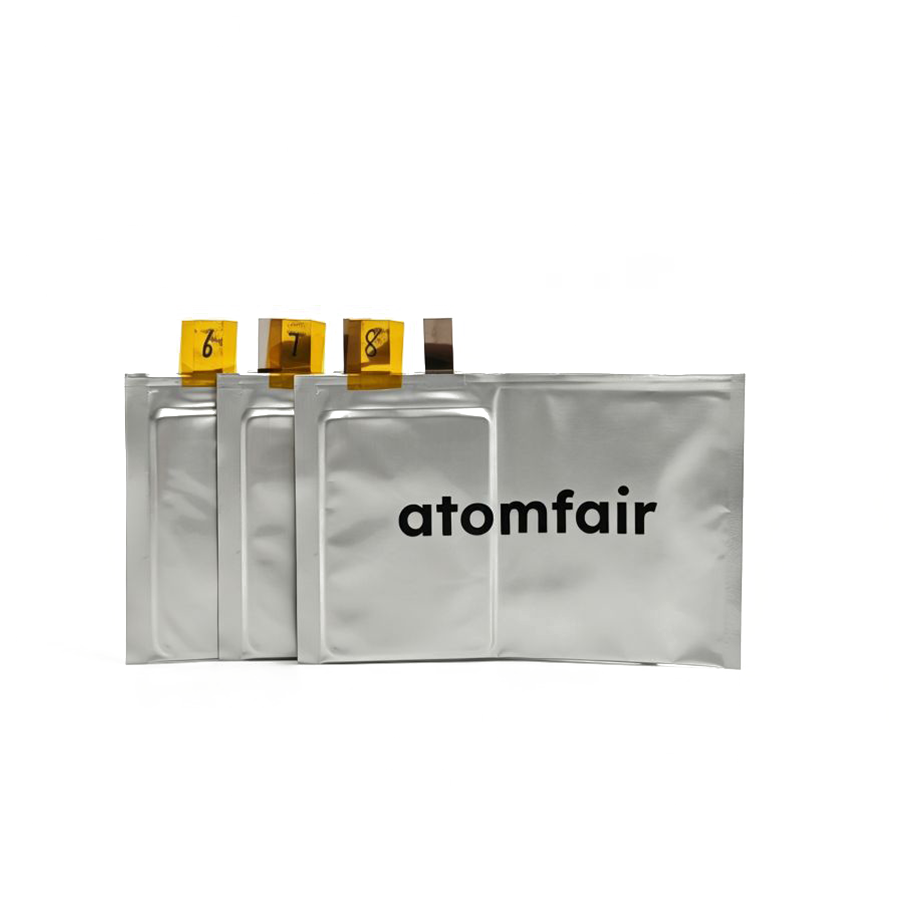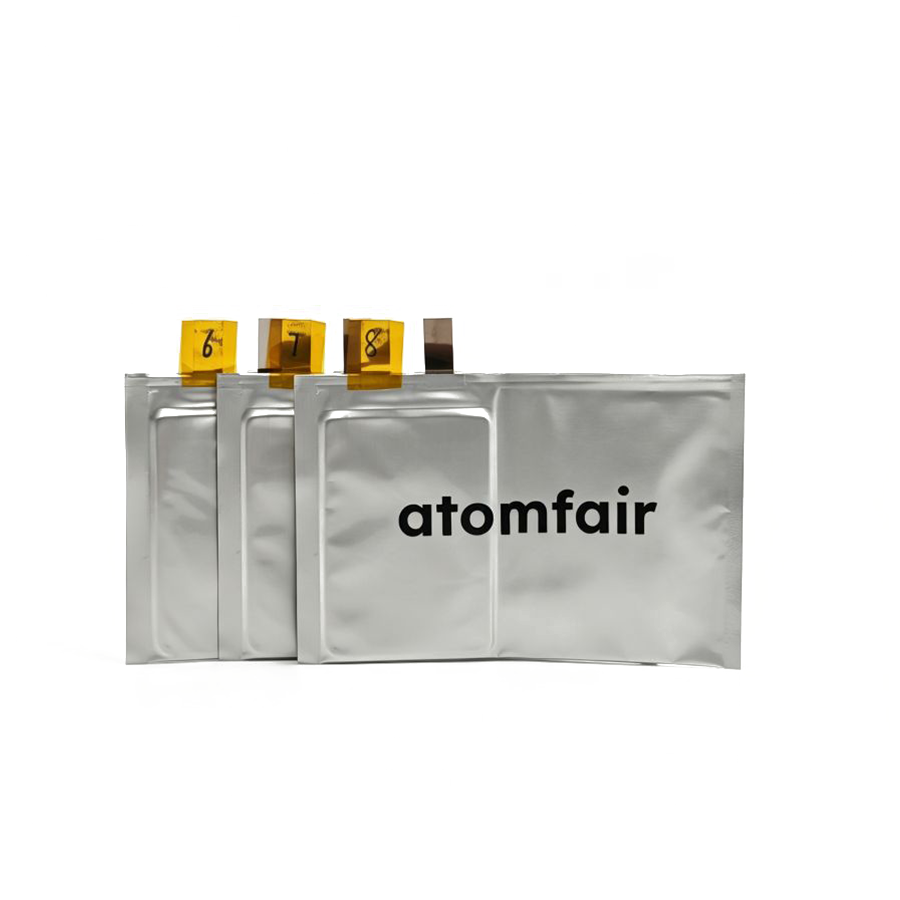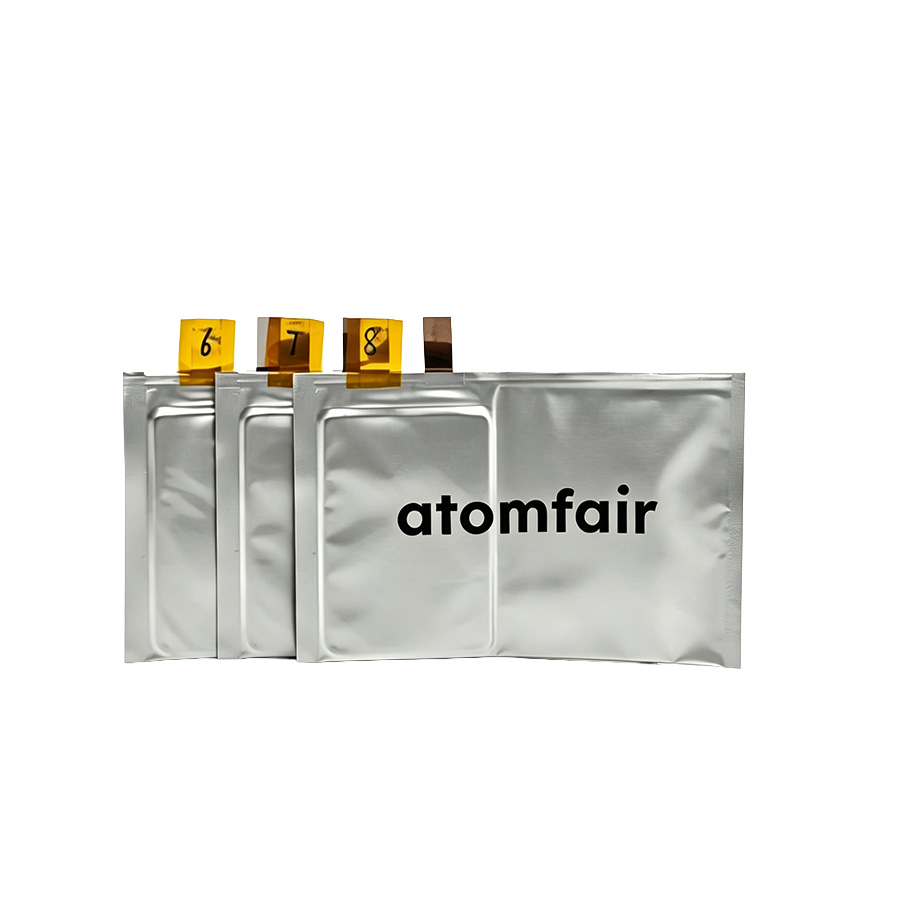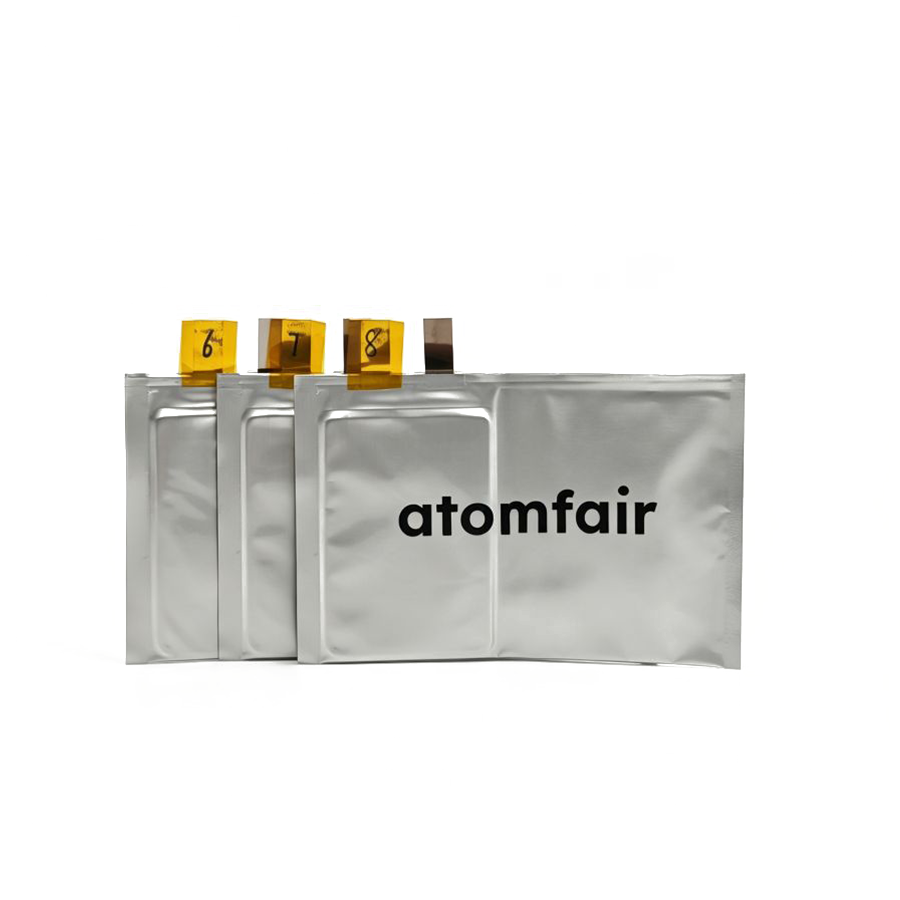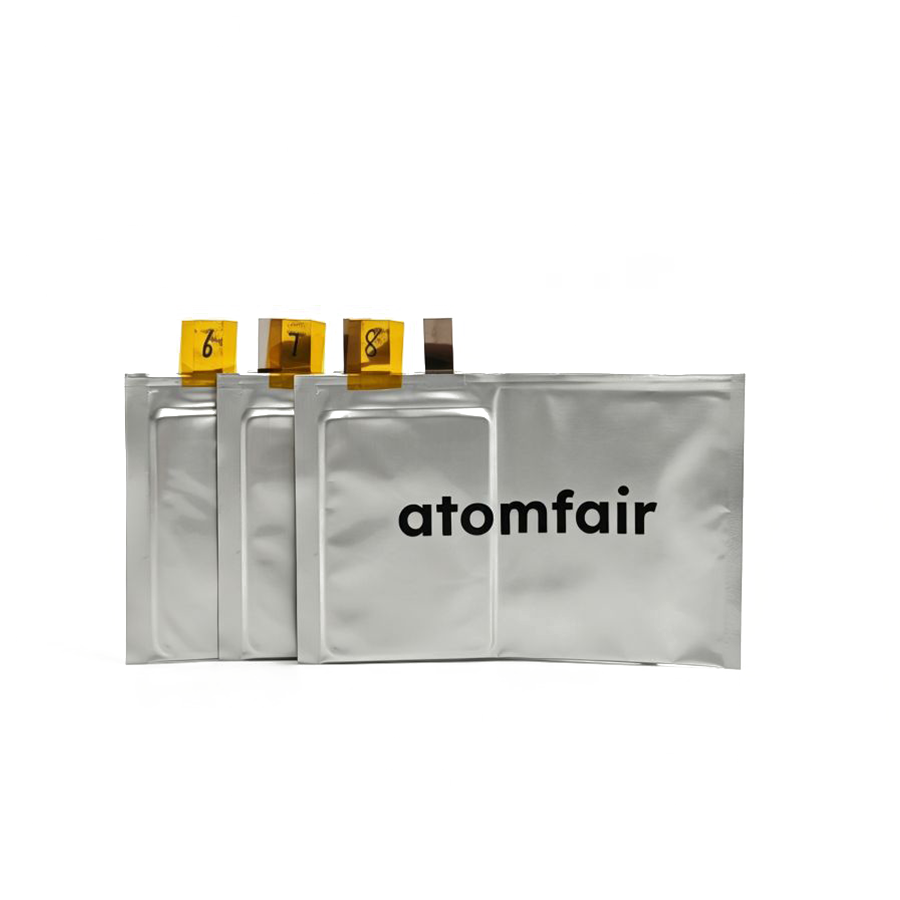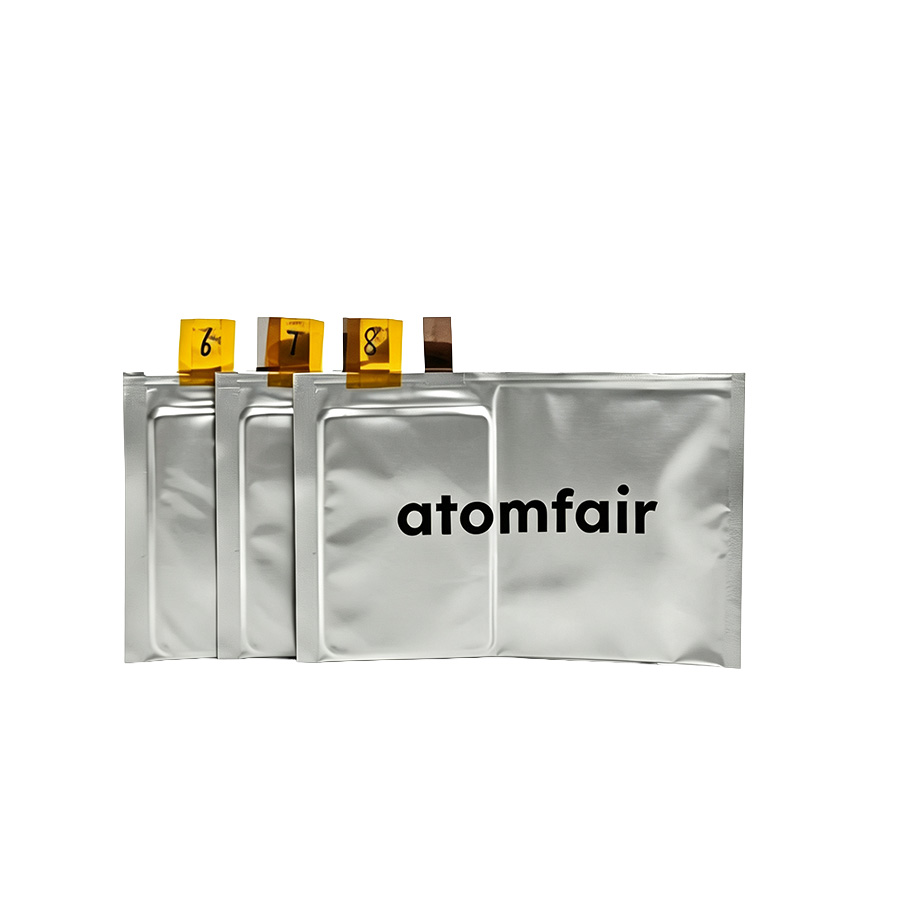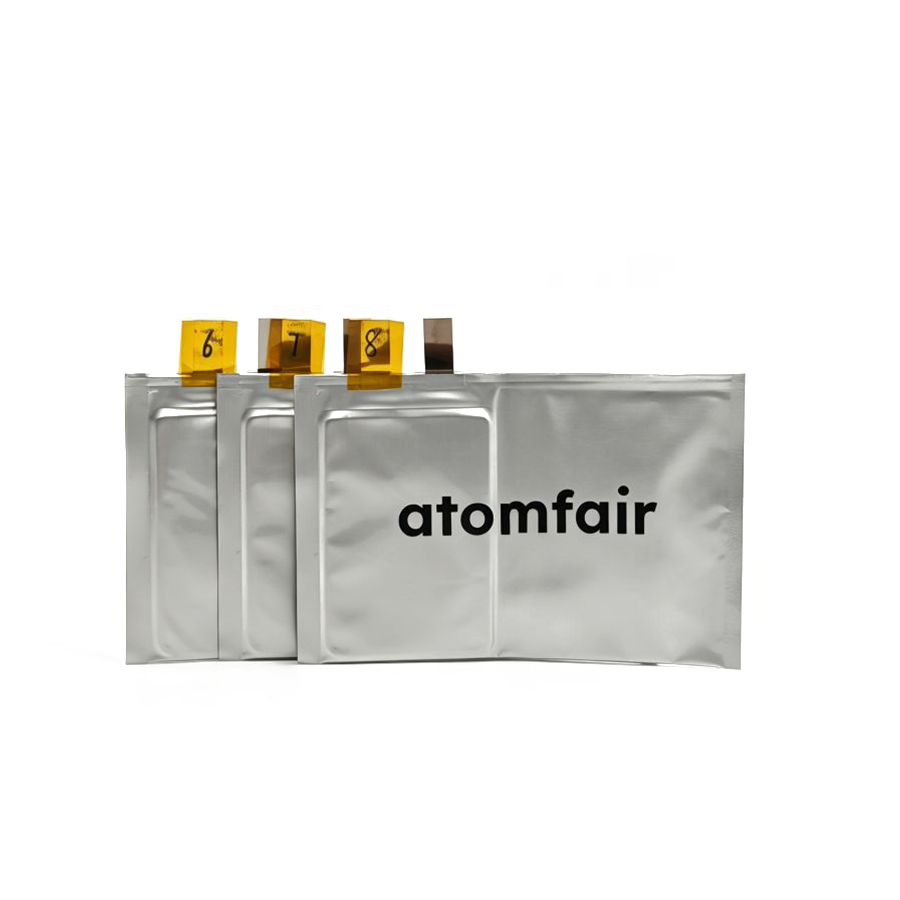
LCO Dry Pouch Cell (6.5Ah, 4.45V) – Si/C Anode |
||||||||||||||||||||||||||||||||||||||||||||||||||||||
|
||||||||||||||||||||||||||||||||||||||||||||||||||||||
Related Products |
||||||||||||||||||||||||||||||||||||||||||||||||||||||
|
||||||||||||||||||||||||||||||||||||||||||||||||||||||
|
TAILORED SOLUTIONS FOR RESEARCH
Contact our engineering team for technical support or official institutional quotations.
EMAIL: INQUIRY@ATOMFAIR.COM
|
||||||||||||||||||||||||||||||||||||||||||||||||||||||
|
Manufacturer: Atomfair LLC
Brand: ATOMFAIR®
|
||||||||||||||||||||||||||||||||||||||||||||||||||||||
This dry pouch cell contains a lithium metal anode and requires storage in a controlled inert atmosphere to prevent moisture and oxygen exposure. Electrolyte filling and cell activation must be performed in a glovebox under argon atmosphere with less than 0.1 ppm oxygen and moisture.
- Inert atmosphere storage requirement: Store the dry pouch cell in a sealed container within an inert atmosphere glovebox to prevent lithium metal oxidation and moisture absorption.
- Electrolyte compatibility and filling: Only use electrolytes that are compatible with lithium metal and LCO chemistry and fill the cell in an inert environment to ensure safety and performance.
- Short circuit prevention: Keep the cell terminals isolated from conductive surfaces to avoid electrical short circuits during storage and handling.
This procedure describes the safe electrolyte filling, sealing, and conditioning of the dry pouch cell for research use. Perform all steps in an inert atmosphere glovebox to maintain cell integrity and safety.
Required Equipment: Inert atmosphere glovebox (argon, O2/H2O <0.1 ppm), Pouch cell heat sealer with vacuum function, Electrolyte dispensing syringe with needle
- Glovebox transfer
Transfer the dry pouch cell, electrolyte, and sealing materials into the inert atmosphere glovebox and allow them to equilibrate for at least 30 minutes. - Electrolyte dispensing
Dispense the pre-determined volume of electrolyte into the pouch cell through the open tab using a syringe, ensuring complete wetting of the electrode stack. - Preliminary vacuum seal
Place the filled pouch cell into the vacuum sealer and apply a first seal at the designated tab area under vacuum to remove trapped air. - Final sealing
Remove the cell from the vacuum sealer and apply a second heat seal to fully close the pouch, ensuring hermetic closure. - Rest and stabilization
Allow the sealed cell to rest under inert atmosphere for at least 24 hours to ensure electrolyte distribution and electrode wetting before testing.
What electrolyte stability considerations are critical when operating this LCO lithium metal pouch cell at 4.45V cutoff?
The electrolyte must be oxidatively stable at 4.45 V to prevent decomposition on the LCO cathode, and chemically compatible with the lithium metal anode to suppress dendrite growth. The cell's voltage range is specified as 3.0 V–4.45 V, and the dry configuration gives the researcher full control to select a custom electrolyte that meets these high-voltage and anode stability requirements.
What downstream processing steps are required before this dry pouch cell can be cycled, and what environmental controls are necessary?
The dry pouch cell must be filled with a user-defined electrolyte and then sealed, with all handling performed in an inert atmosphere or dry room to protect the lithium metal anode from moisture degradation. The product explicitly notes that electrolyte is not included and that handling must occur in such controlled environments, making these steps non-negotiable prior to electrochemical testing.
What are the storage and safety requirements for the lithium metal anode in this dry pouch cell before electrolyte addition?
The lithium metal anode demands storage and handling strictly in an inert atmosphere (e.g., argon-filled glovebox) or a dry room to prevent oxygen and moisture exposure. The product specification instructs that handling must be performed in an inert atmosphere or dry room, and the dry, unfilled format means the anode is directly exposed to ambient conditions until electrolyte is added, necessitating these controlled storage conditions.
The Atomfair 5Ah LCO/Lithium Metal Dry Pouch Cell is a high-voltage research platform delivering exceptional volumetric energy density, but its lithium metal anode demands inert-atmosphere handling and the unfilled configuration requires users to independently source and integrate compatible electrolytes.
Positive
- Extreme volumetric energy density: Combining a high-voltage LCO cathode with a lithium metal anode maximizes volumetric energy density, enabling compact, high-performance cell designs for advanced battery R&D.
- Dry pouch for custom electrolyte: The unfilled dry pouch format provides full flexibility for integrating solid-state, polymer, or proprietary high-voltage liquid electrolytes without pre-formatting constraints.
Trade-offs
- Inert atmosphere handling required: The lithium metal anode necessitates processing within an inert atmosphere or dry room to prevent degradation, adding infrastructure and procedural overhead.
- Electrolyte not included: The cell ships without electrolyte, requiring the user to independently source and fill a suitable formulation, which demands specialized expertise and additional validation steps.
Every advanced material, component, equipment, and instrument in our catalog is backed by rigorous testing. We maintain strict internal quality management frameworks and align with CE conformity metrics to deliver transparent, reproducible performance data via our public open-science repository.
To request raw batch performance data, submit formal vendor registration paperwork, or execute a fast-turnaround R&D manufacturing loop, contact us at inquiry@atomfair.com.
Item is dispatched under the Atomfair Shipping & Delivery Framework (Free worldwide shipping on orders over $59 USD excl. heavy equipment). Return is governed by the Atomfair Return & Refund Policy (7-day technical return window).