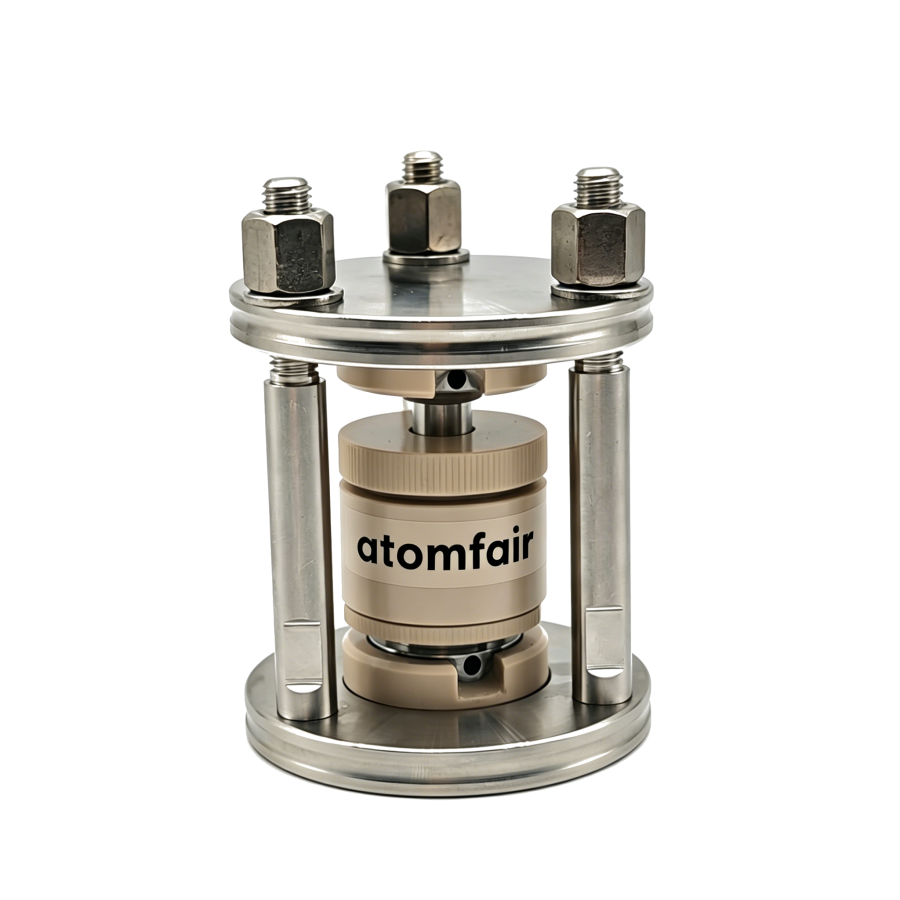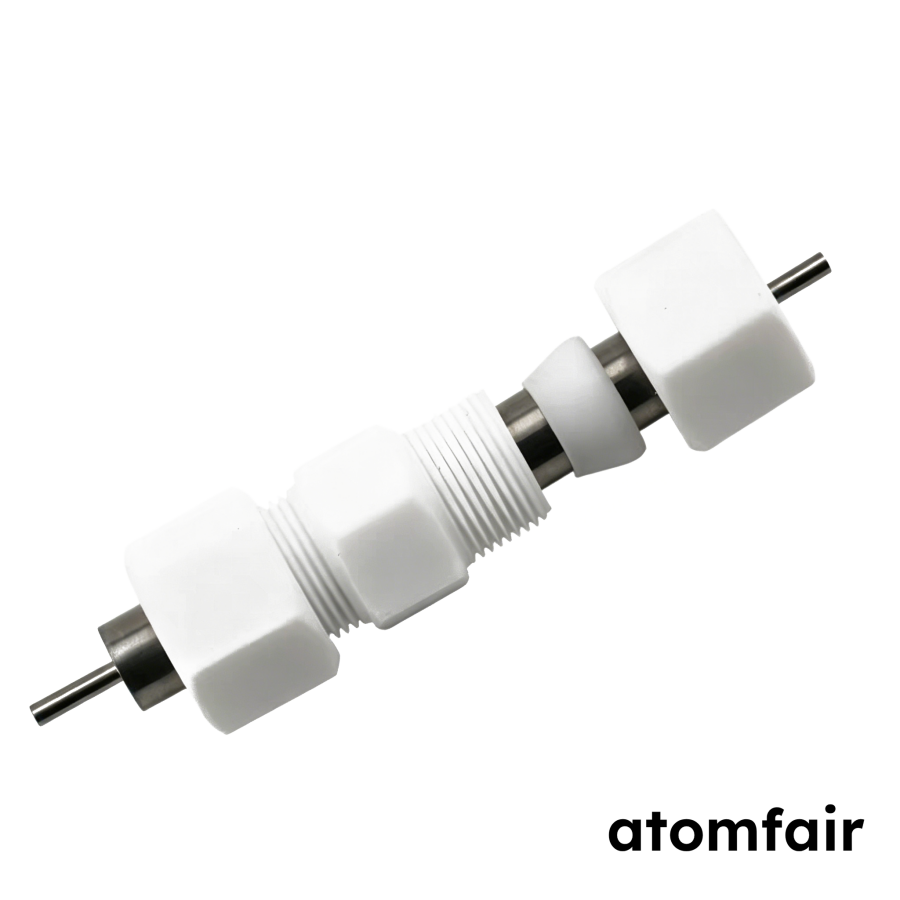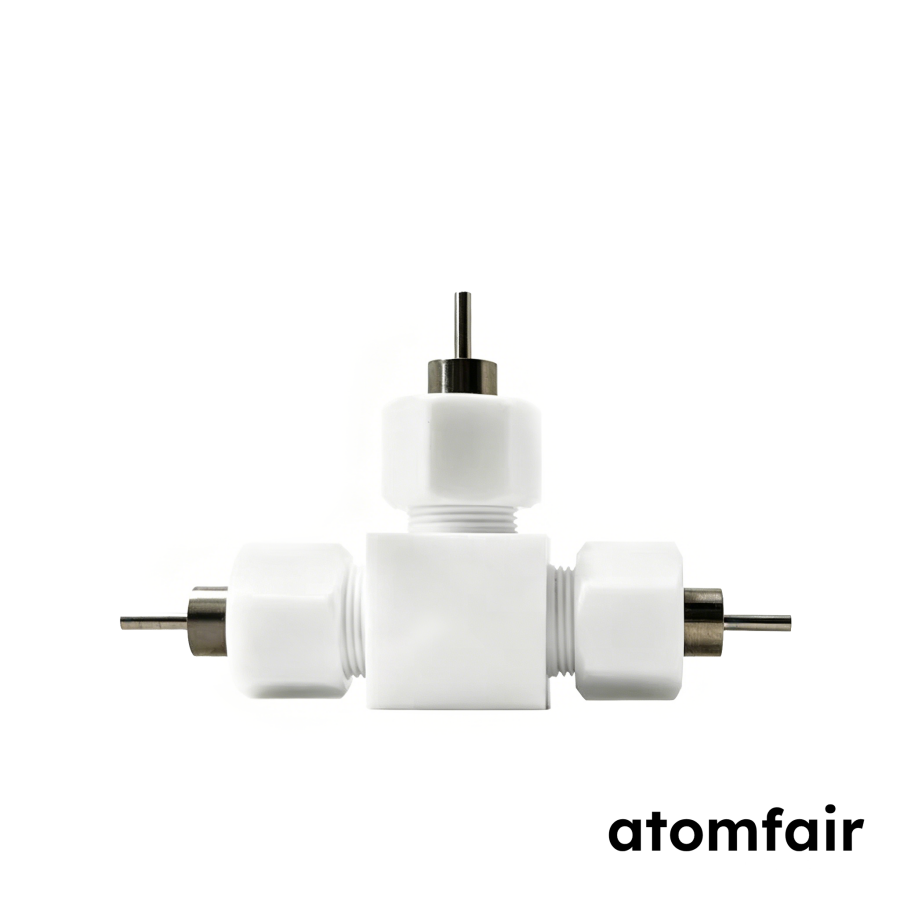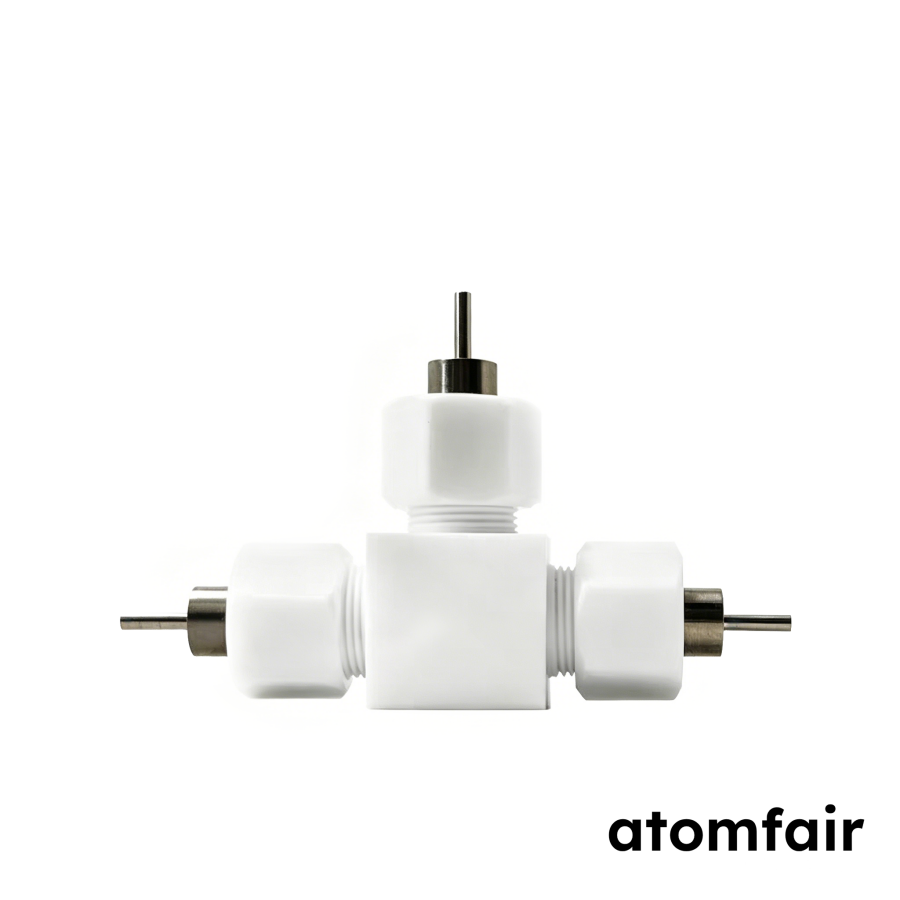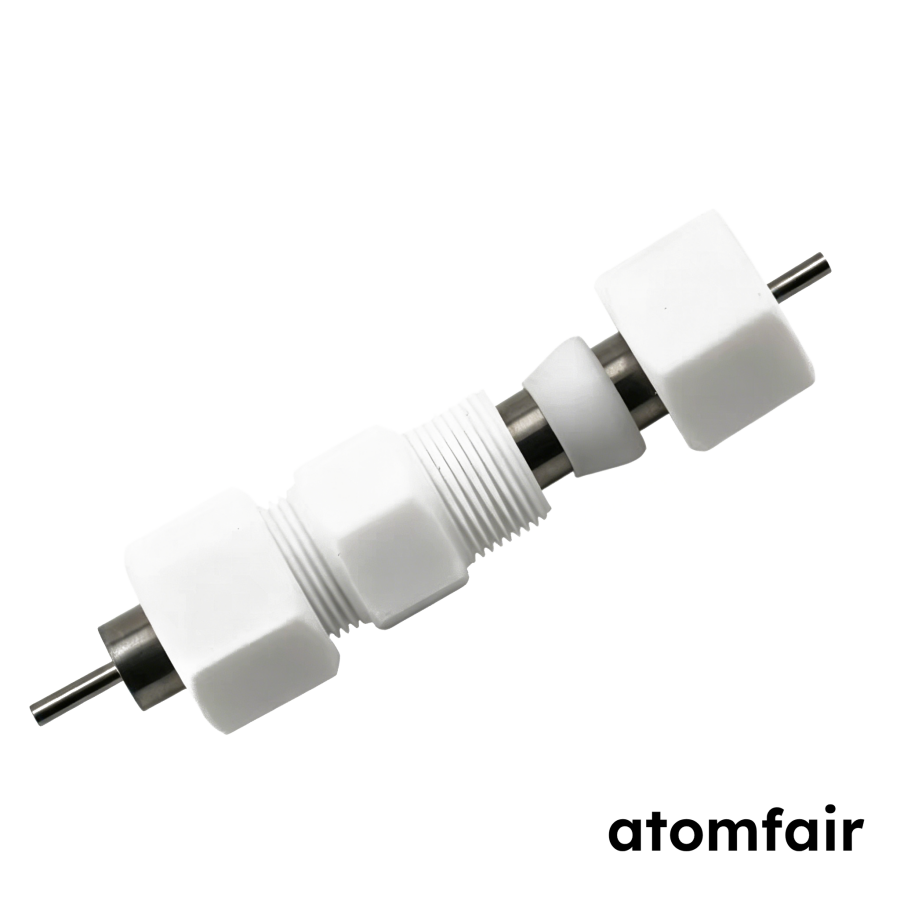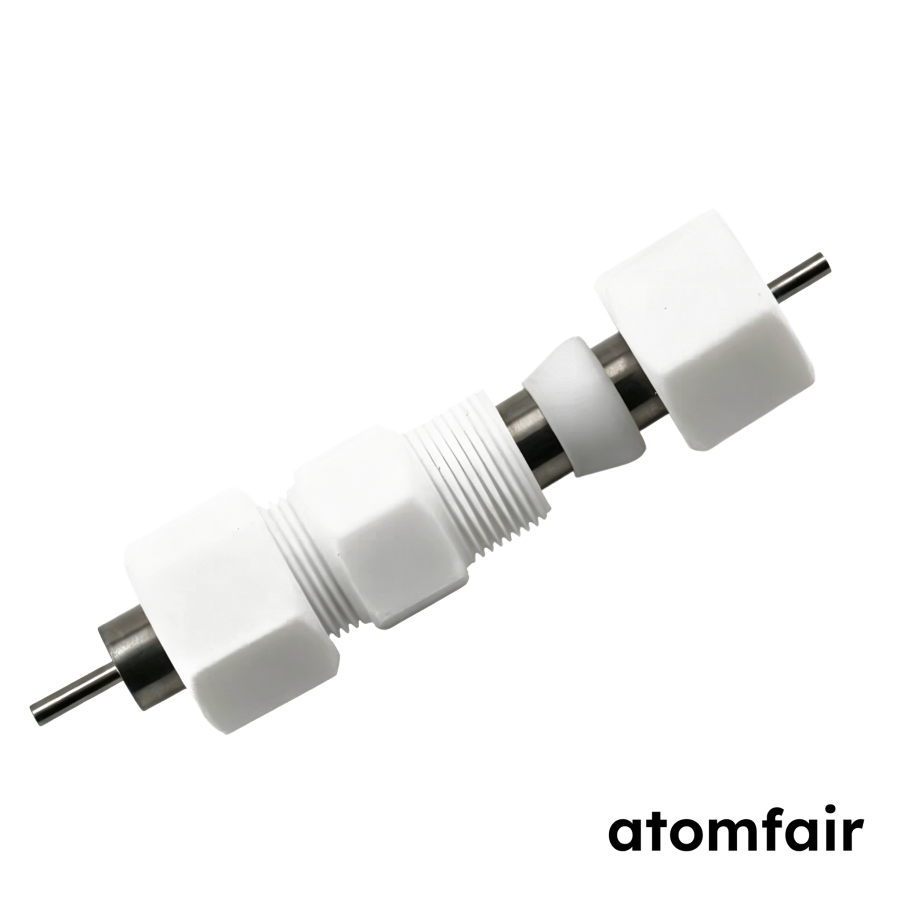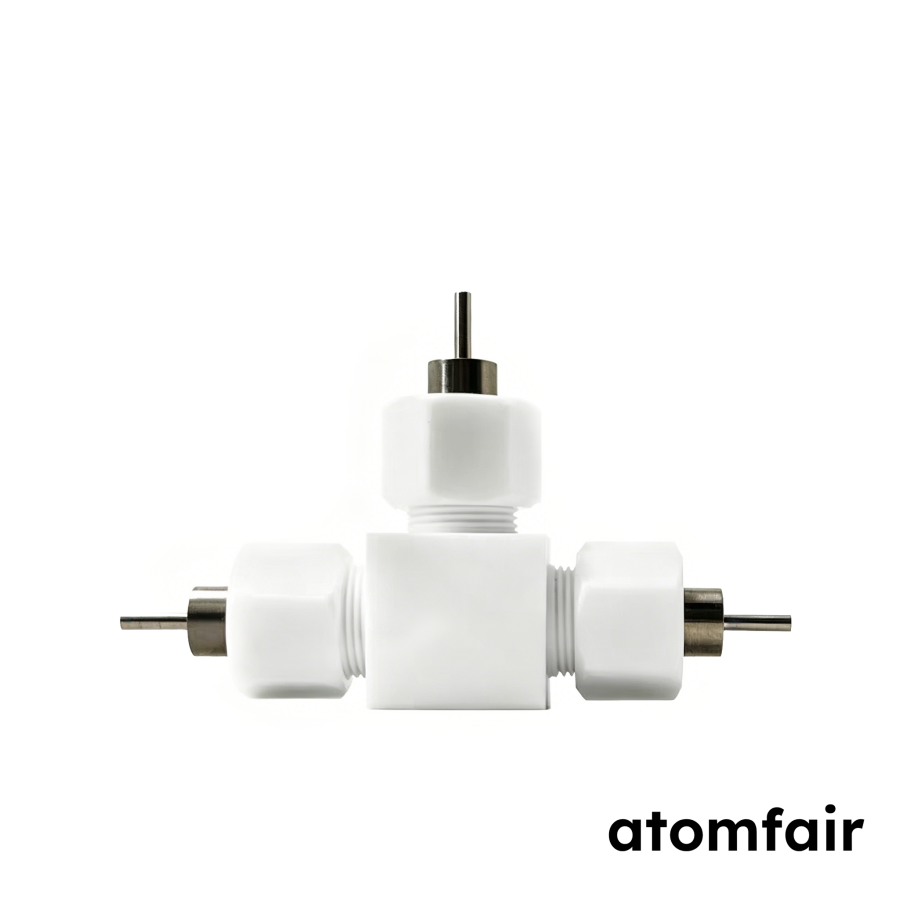
ATOMFAIR® SWAGELOK THREE-ELECTRODE TESTING CELL (PURE TITANIUM)RESEARCH GRADE MATERIAL
|
|||||||||||||||||||||||
|
|||||||||||||||||||||||
|
TAILORED SOLUTIONS FOR RESEARCH
Contact our engineering team for technical support or official quotations.
EMAIL: inquiry@atomfair.com
|
|||||||||||||||||||||||
|
Manufacturer: Atomfair LLC
Brand: ATOMFAIR®
|
This titanium testing cell requires immediate cleaning with electronics-grade solvents after each test cycle to prevent chemical residue accumulation and material degradation. Disassembled components must be stored in a cool, dry, clean container, and all hazardous waste disposal must comply with local environmental regulations.
- Cleaning Requirement: Clean all polished titanium components with electronics-grade solvents immediately after testing to remove chemical salt residues.
- Storage Condition: Store disassembled kits in a cool, dry, and clean container to protect the titanium finishes and reference interfaces.
- Disposal Compliance: Comply strictly with environmental disposal laws regarding hazardous material residues and chemical electrolytes used during cell operation.
- Compatibility: The pure titanium construction provides corrosion resistance against highly aggressive electrolytes, ensuring baseline reproducibility.
- Infrastructure Requirement: Assembly and testing inside a glovebox or controlled environment minimizes contamination and setup time.
This procedure describes safe assembly, operational cleaning, and storage of the pure titanium electrochemical testing cell. Proper handling ensures reliable data acquisition and longevity of the components.
Required Equipment: Electronics-grade solvent, Lint-free cloth, Cool, dry storage container, Glovebox or controlled environment
- Clean components
Clean all titanium components with electronics-grade solvents immediately after each testing cycle to remove chemical salt residues. - Assemble cell
Assemble the three-electrode configuration by securing the working, counter, and reference electrodes into the titanium body. - Perform testing
Perform electrochemical measurements in a glovebox or controlled environment to minimize contamination and maximize reproducibility. - Store cell
Store the disassembled cell in a cool, dry, and clean container to protect the titanium finishes and reference interfaces.
How does the pure titanium construction of the Swagelok three-electrode cell improve long-term data reproducibility in aggressive electrolytes?
The pure titanium metallurgy provides excellent corrosion resistance against highly aggressive electrolytes, minimizing material degradation that could cause data distortions and ensuring stable baseline reproducibility over multiple testing cycles. The three-electrode architecture further isolates working electrode potentials for high-fidelity data acquisition during cyclic voltammetry and impedance analysis.
What electrochemical techniques and applications are compatible with this pure titanium testing cell?
The cell is compatible with cyclic voltammetry (CV), electrochemical impedance spectroscopy (EIS), and galvanostatic/potentiostatic testing as specified in the technical details. It is optimized for battery R&D, fuel cell research, corrosion studies, and electroplating evaluation, making it versatile for a broad spectrum of energy storage applications.
What cleaning and storage procedures are required to maintain the integrity of the pure titanium surfaces?
After each testing cycle, all polished metal components must be cleaned with electronics-grade solvents to remove chemical salt residues. The disassembled kit should be stored in a cool, dry, clean container. Handling inside gloveboxes or controlled environments is recommended to minimize contamination, and all hazardous material residues must be disposed of according to environmental laws.
This pure titanium Swagelok three-electrode cell provides excellent corrosion resistance for aggressive electrolytes and high-fidelity electrochemical measurements via its isolated electrode architecture, but requires thorough post-test cleaning and controlled storage to maintain long-term reproducibility.
Positive
- Pure titanium corrosion resistance: High-grade titanium construction provides excellent resistance against highly aggressive electrolytes, maximizing long-term baseline reproducibility in demanding electrochemical environments.
- Isolated three-electrode architecture: The design isolates working electrode half-cell potentials from counter electrode drop, enabling high-fidelity data acquisition during cyclic voltammetry, impedance spectroscopy, and galvanostatic/potentiostatic testing.
Trade-offs
- Requires immediate cleaning after use: All polished metal components must be cleaned with electronics-grade solvents immediately after testing to remove chemical salt residues, adding a mandatory post-experiment step.
- Controlled storage conditions needed: Disassembled kits must be stored in a cool, dry, and clean container to prevent contamination or degradation of titanium surfaces and reference interfaces.
Every advanced material, component, equipment, and instrument in our catalog is backed by rigorous testing. We maintain strict internal quality management frameworks and align with CE conformity metrics to deliver transparent, reproducible performance data via our public open-science repository.
To request raw batch performance data, submit formal vendor registration paperwork, or execute a fast-turnaround R&D manufacturing loop, contact us at inquiry@atomfair.com.
Item is dispatched under the Atomfair Shipping & Delivery Framework (Free worldwide shipping on orders over $59 USD excl. heavy equipment). Return is governed by the Atomfair Return & Refund Policy (7-day technical return window).