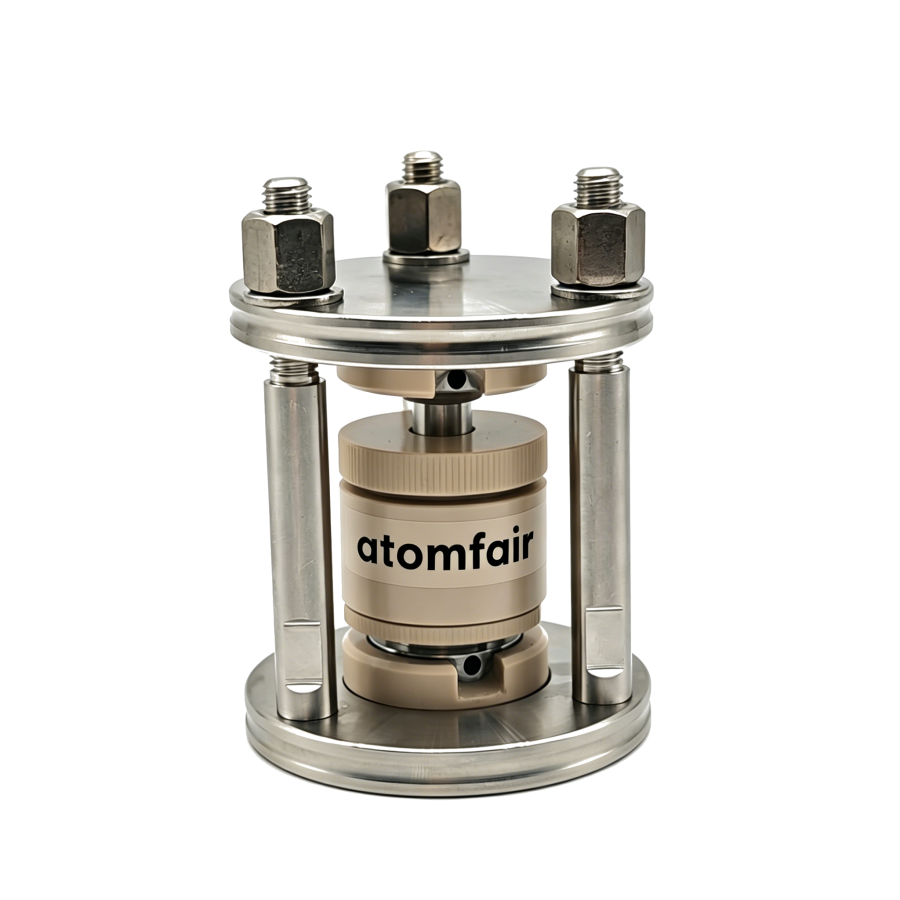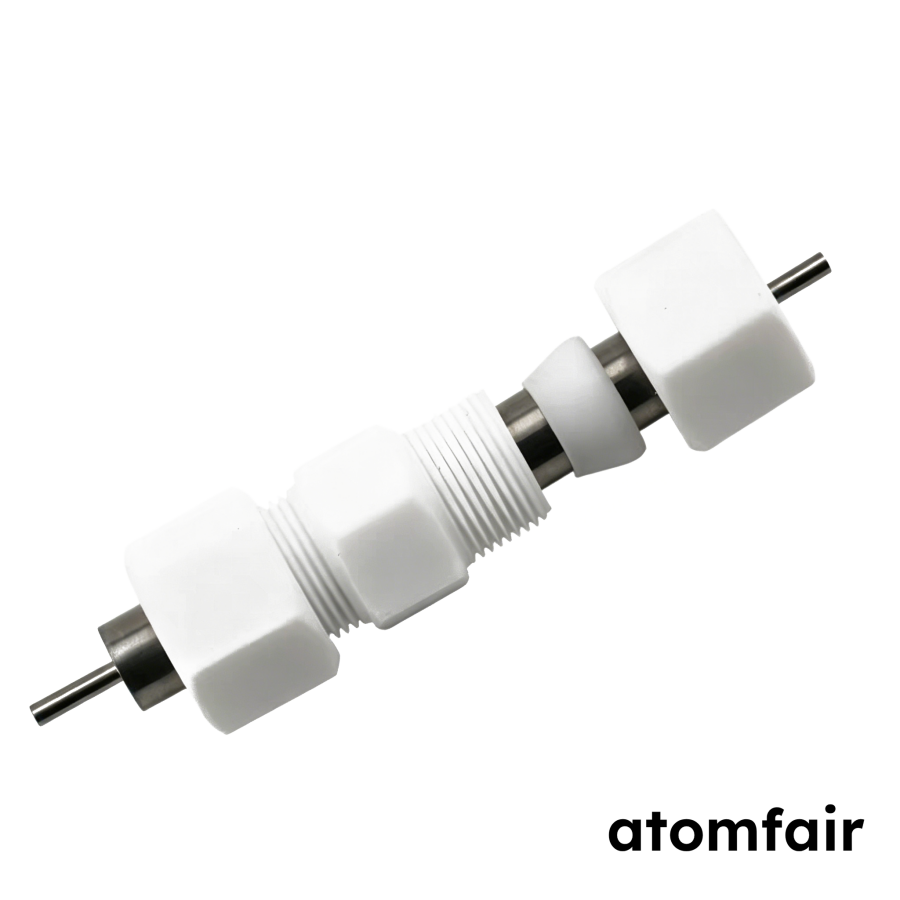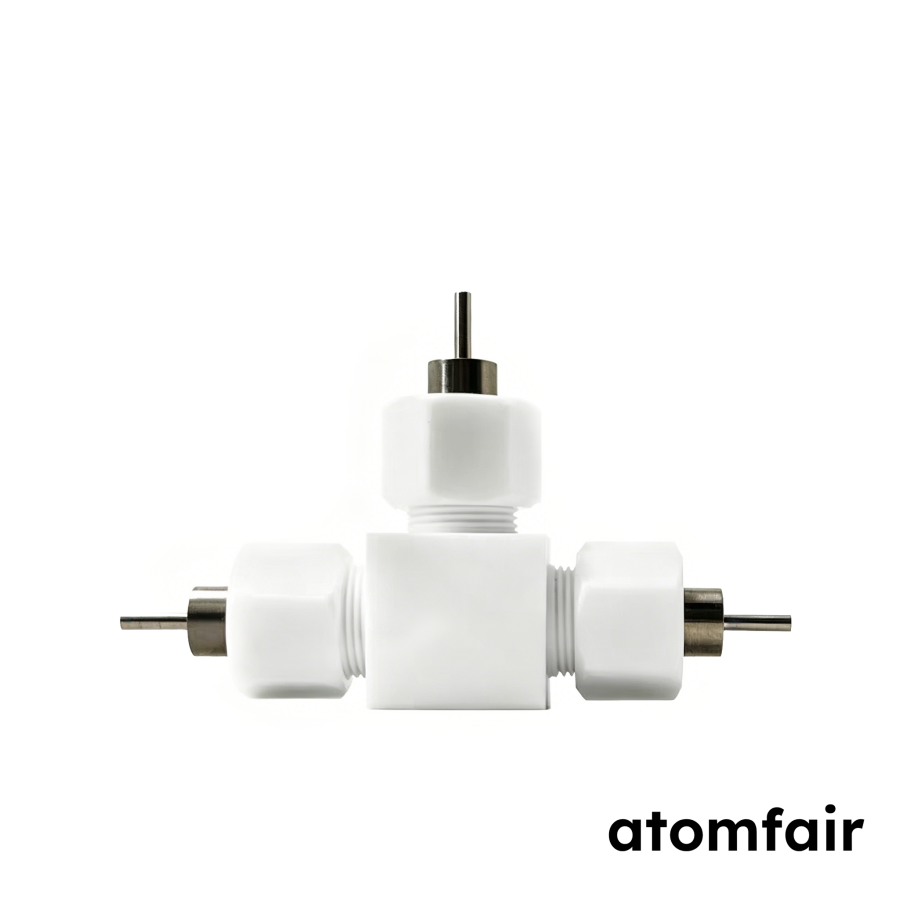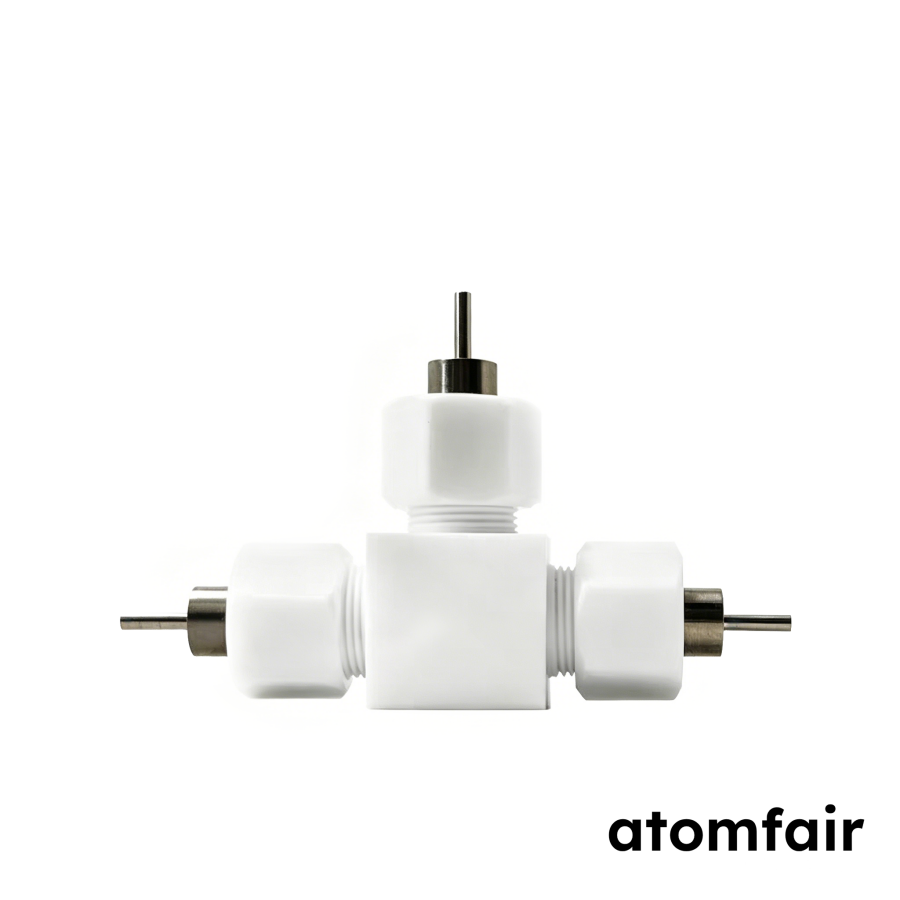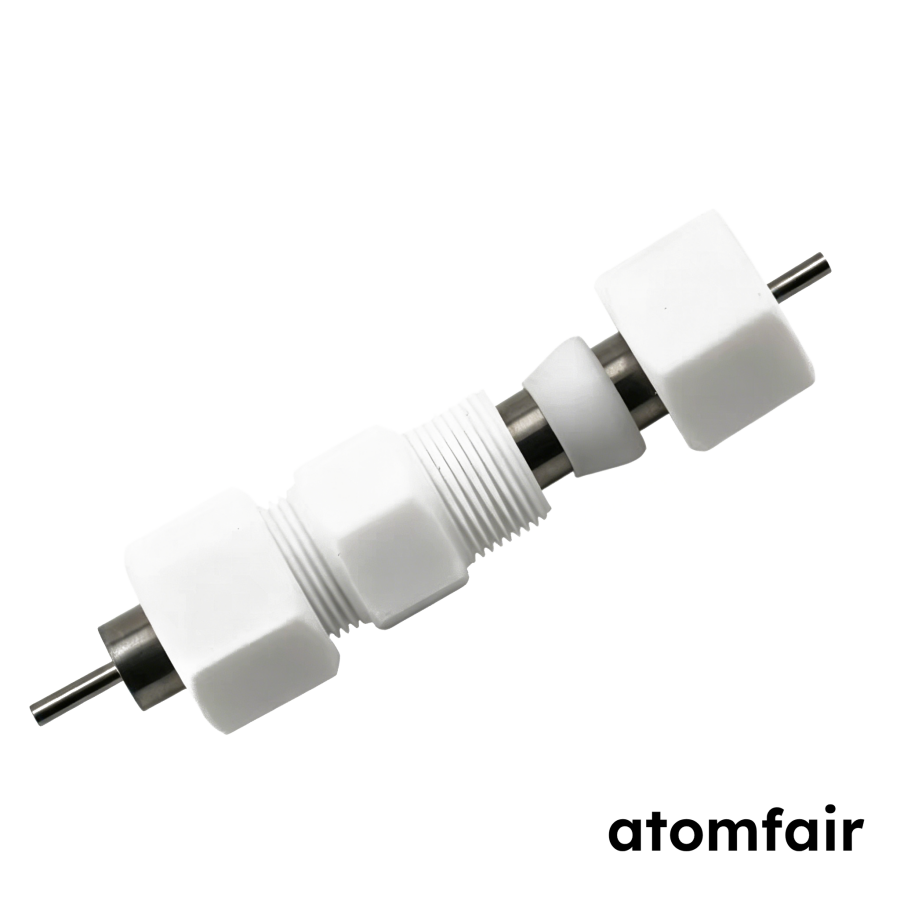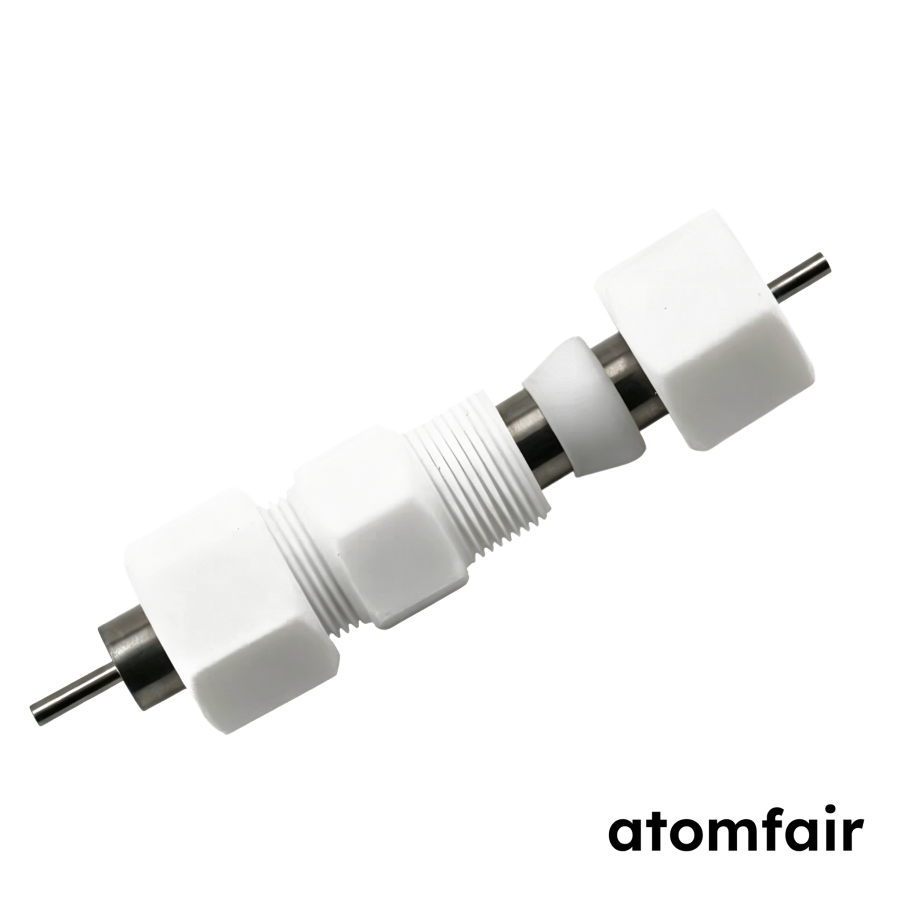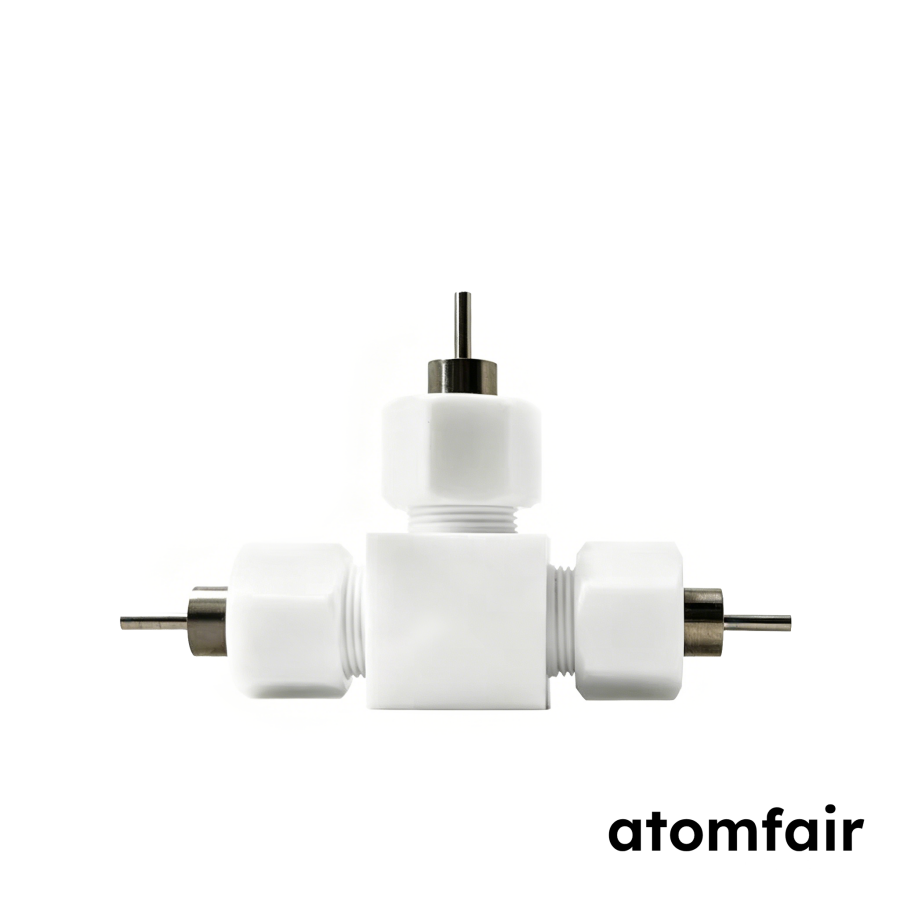
ATOMFAIR® SWAGELOK THREE-ELECTRODE TESTING CELL (HIGH-PURITY MOLYBDENUM)RESEARCH GRADE MATERIAL
|
|||||||||||||||||||||||
|
|||||||||||||||||||||||
|
TAILORED SOLUTIONS FOR RESEARCH
Contact our engineering team for technical support or official quotations.
EMAIL: inquiry@atomfair.com
|
|||||||||||||||||||||||
|
Manufacturer: Atomfair LLC
Brand: ATOMFAIR®
|
Ensure optimal performance and longevity of the testing cell by adhering to strict cleaning and storage protocols. The high-purity molybdenum body requires immediate post-use cleaning with electronic-grade solvents to prevent surface passivation and corrosion.
- Post-Use Cleaning: Wash all metallic components with electronic-grade solvents immediately after each use to remove electrolyte residues.
- Thorough Drying: Dry the components completely before storage to prevent moisture-induced corrosion.
- Desiccated Storage: Store the cell in a cool, clean, and desiccated environment when idle to maintain surface integrity.
- Hazardous Material Disposal: Dispose of residual hazardous materials and chemical-soaked residues in accordance with local regulations.
Proper post-use cleaning and storage are critical to prevent passivation and corrosion of the molybdenum cell. Follow these steps after each electrochemical experiment.
- Clean Components
Wash all metallic components with electronic-grade solvents immediately after use to remove electrolyte residues. - Dry Thoroughly
Dry the components completely to prevent moisture-induced corrosion. - Store Properly
Store the cell in a cool, clean, and desiccated environment when not in use.
How does the high-purity molybdenum body of this Swagelok three-electrode cell improve electrochemical performance compared to standard stainless steel cells?
The high-purity molybdenum construction delivers elite chemical passivity and advanced corrosion resistance against aggressive organic electrolyte solvents and reactive salts, minimizing voltage drop distortions during half-cell measurements. This metallurgy is specifically engineered to withstand long-term cycling in energy storage evaluation matrices while maintaining data accuracy. The source does not compare to stainless steel, but molybdenum's inherent inertness under high-voltage and corrosive conditions is a key advantage stated in the description.
Is the Atomfair Swagelok three-electrode testing cell compatible with solid-state battery electrolytes and glovebox operation?
Yes, the cell features universal compatibility with solid-state, lithium-ion, sodium-ion, and advanced chemistries. Its compact, modular layout and leak-proof Swagelok fittings enable secure airtight seals and easy benchtop assembly inside a glovebox, minimizing atmospheric ingress. The design is explicitly optimized for electrode material validation and advanced electrochemical studies in controlled environments.
What immediate post-experiment cleaning and storage procedures are recommended for the molybdenum cell components to prevent surface passivation?
All structural metallic components must be washed and dried using electronic-grade solvents immediately after use to mitigate surface passivation. When idle, the cell should be stored in a cool, clean, and desiccated environment. Compliance with local regulations for disposal of hazardous or chemical-soaked residues is also required.
This Swagelok three-electrode testing cell fabricated from high-purity molybdenum offers exceptional corrosion resistance against aggressive battery electrolytes, enabling precise half-cell measurements with minimal atmospheric ingress, but demands immediate post-use cleaning with electronic-grade solvents and controlled desiccated storage to prevent surface passivation.
Positive
- High-purity molybdenum body: Fabricated from high-purity molybdenum, this cell delivers superior corrosion resistance against aggressive organic electrolytes and reactive salts, extending operational lifespan in demanding electrochemical studies.
- Three-electrode with Swagelok fittings: The integrated three-electrode architecture combined with leak-proof Swagelok fittings enables accurate isolation of half-cell reactions while minimizing moisture ingress, ensuring reliable long-term data acquisition.
Trade-offs
- Post-use solvent cleaning required: All structural metallic components must be washed and dried using electronic-grade solvents immediately after each use to mitigate surface passivation, adding time to experimental workflows.
- Controlled storage environment needed: The cell must be stored in a cool, clean, and desiccated environment when idle to preserve surface integrity and prevent degradation, requiring dedicated storage infrastructure.
Every advanced material, component, equipment, and instrument in our catalog is backed by rigorous testing. We maintain strict internal quality management frameworks and align with CE conformity metrics to deliver transparent, reproducible performance data via our public open-science repository.
To request raw batch performance data, submit formal vendor registration paperwork, or execute a fast-turnaround R&D manufacturing loop, contact us at inquiry@atomfair.com.
Item is dispatched under the Atomfair Shipping & Delivery Framework (Free worldwide shipping on orders over $59 USD excl. heavy equipment). Return is governed by the Atomfair Return & Refund Policy (7-day technical return window).