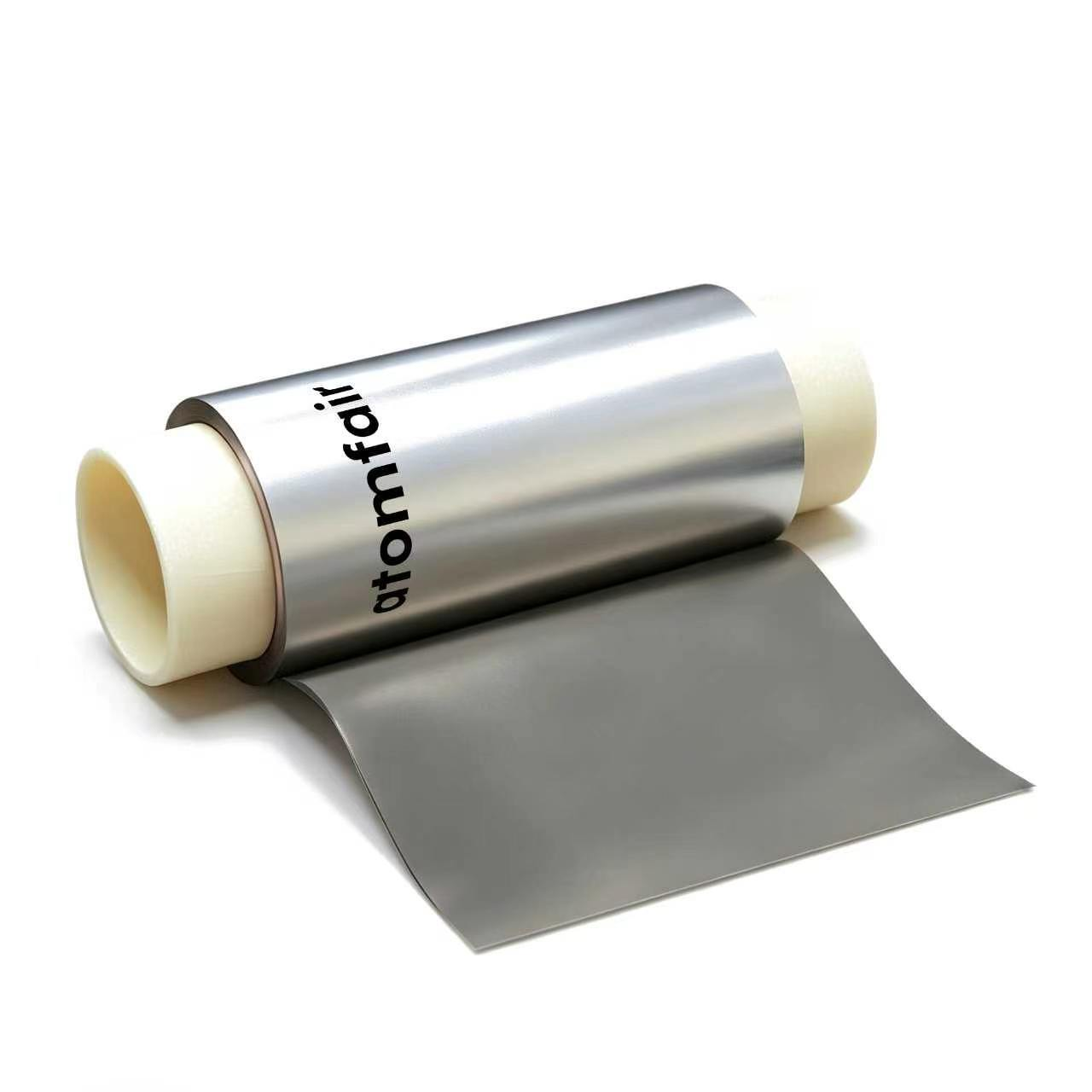
ATOMFAIR® Sodium Strip & Disc Al/Cu/Non-Collector R&D

$339.00

Institutional Procurement & Supply Compliance: As a verified US supplier, Atomfair accepts formal institutional Purchase Orders (POs), contract billing schedules, and custom procurement loops for university and national laboratories, and corporate R&D departments globally.

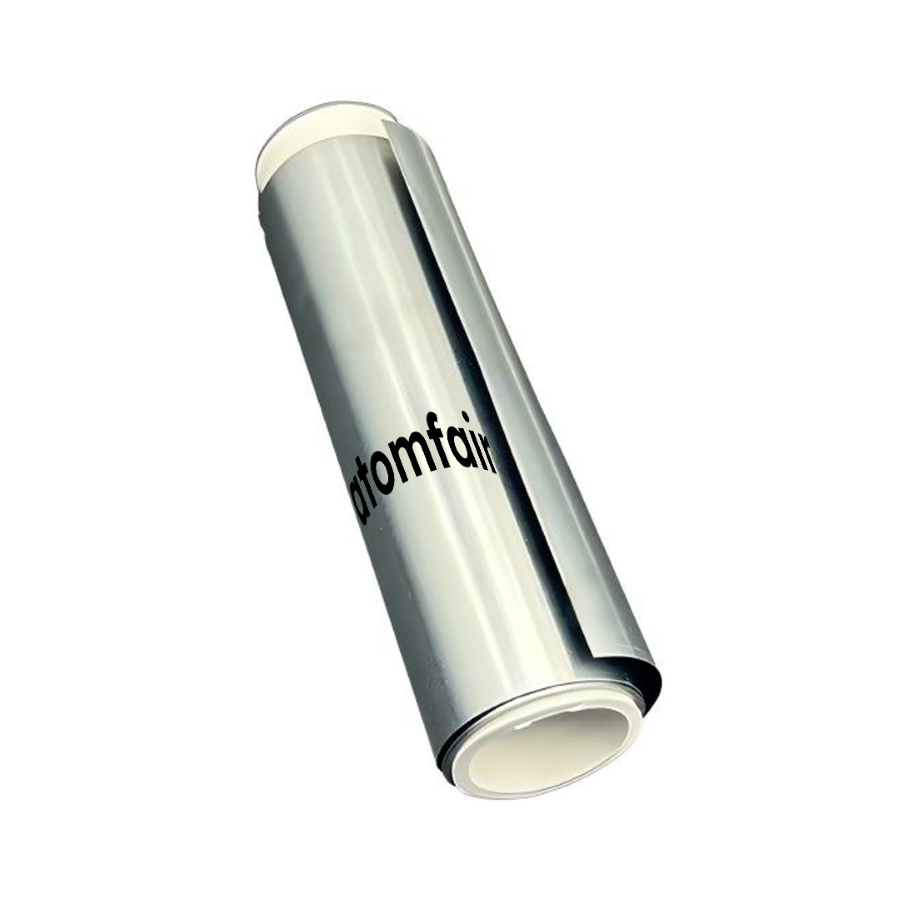
Battery grade sodium metal foil, 12μm thick × 200mm wide, 5kg roll, ≥99.9% purity, ideal for sodium-ion battery anode R&D. In stock. Order now.

SKU: AFMSHMPU545
Category:
Brands:


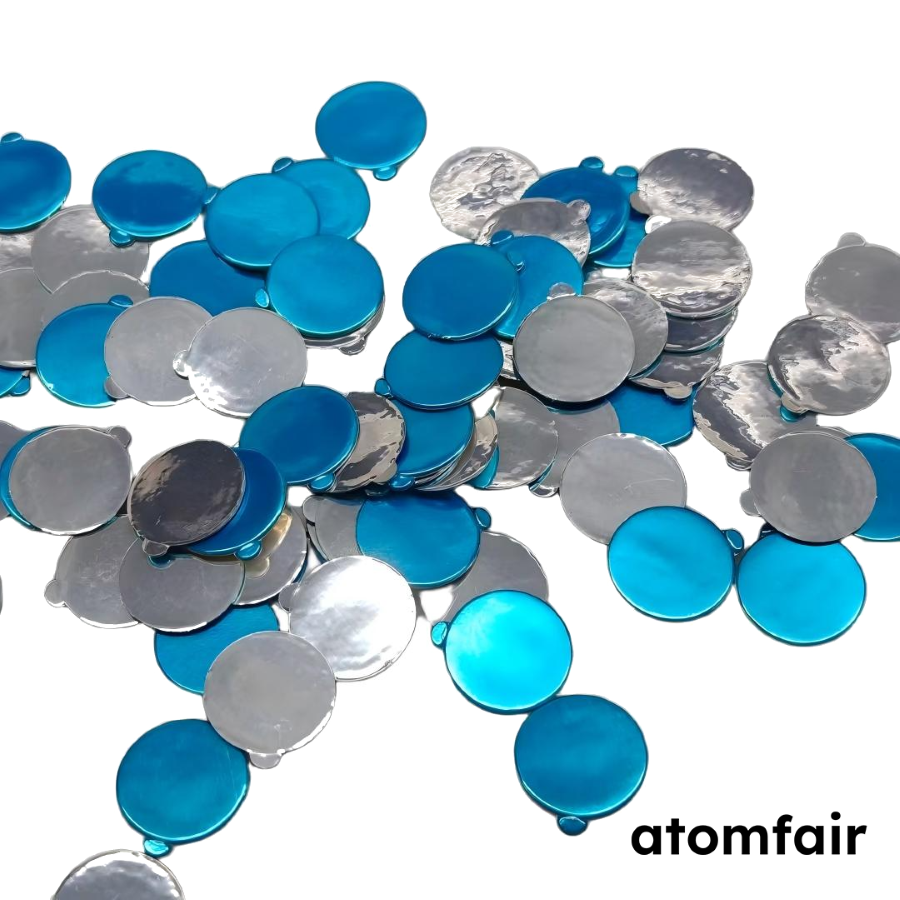
ATOMFAIR® SODIUM STRIP & SODIUM DISC (ROUND SHEET)

RESEARCH GRADE MATERIAL

Technical Specifications

PARAMETER DETAILS
1. Core Device & Electrochemical Design
Product Name Sodium Strip / Sodium Disc (Round Sheet)
Material High-Purity Sodium (Na)
Thickness 0.45 mm (Standard) / Custom thickness available
Length Up to 400 m
Collector Options Aluminum (Al) / Copper (Cu) / Non-Collector
Purity High-Purity Sodium (≥ 99.7%)
2. Cathode (Positive Electrode) Parameters
Surface Finish Smooth, uniform surface for consistent electrochemical performance
Collector Adhesion (Al/Cu) Strong bonding with collector substrate, prevents delamination
Non-Collector Option Self-supporting sodium disc for flexible experimental configurations
3. Anode (Negative Electrode) Parameters
Application Sodium-Ion Battery Anode Material & Current Collector
Softness (Thickness ≤0.2mm) Relatively soft, prone to deformation – collector-supported discs recommended
Non-Collector Handling Preheat to 50°C on hot plate before film removal for easier peeling
4. Separator & Physical Package Metrics
Packaging Aluminum foil bag sealed under argon atmosphere + outer metal canister
Storage Condition Glovebox storage (< 0.1 ppm O2, < 0.1 ppm H2O); Argon atmosphere
Shelf Life Maintains integrity when stored in glovebox with proper sealing
Manufacturing Rules Processed under strict ISO 9001 compliance conditions with argon-protected environment
Alternative Options Explore our related catalog or custom dimensions. For urgent technical custom requests or bulk inquiries, please contact our support team.

Collector Options Comparison

OPTION COLLECTOR MATERIAL THICKNESS FEATURES RECOMMENDED USE
Al Collector Aluminum Foil 0.45mm + Al layer Good mechanical support; stable; most commonly used Most recommended for sodium discs and general R&D
Cu Collector Copper Foil 0.45mm + Cu layer Excellent conductivity; alternative to Al Special electrochemical studies requiring Cu substrate
Non-Collector Self-Supporting Sodium 0.45mm (pure sodium) No substrate; requires preheating (50°C) for film removal Flexible experimental configurations; requires careful handling
Recommended: Al Collector for most applications. For thickness ≤0.2mm, collector-supported discs are strongly recommended due to softness and deformation risk.

Key Features & Advantages

  • Three Collector Options for Versatility: Available with Aluminum (most recommended), Copper, or Non-Collector (self-supporting) configurations to accommodate diverse sodium-ion battery research requirements.
  • Aluminum Collector Recommended: Aluminum foil-supported sodium discs provide excellent mechanical support, stability, and consistent electrochemical performance – the preferred choice for the majority of sodium metal anode R&D applications.
  • Ultra-Thin Configuration Support: For sodium thickness ≤0.2mm where the material is soft and prone to deformation, collector-supported discs are strongly recommended to maintain structural integrity during handling and assembly.
  • Superior Argon-Protected Packaging: Aluminum foil bags sealed under argon atmosphere (inside outer metal canister) ensure product integrity during transport. Must only be opened inside glovebox to prevent oxidation.

Handling & Safety Guidelines

# GUIDELINE
1 DO NOT OPEN ALUMINUM BAG IN AIR: The aluminum foil bag inside the metal canister is vacuum-sealed under argon atmosphere. Must only be opened inside glovebox. Opening in air will cause immediate oxidation – no returns/refunds for oxidized product.
2 Check Packaging Integrity: Upon receipt, if the aluminum foil bag is already leaking (air intrusion), DO NOT OPEN. Immediately photograph and contact customer service for replacement.
3 Outer Canister Contains Air: The outermost metal canister contains air – this is normal. Please transfer the canister into glovebox before opening the inner argon-sealed aluminum bag.
4 Non-Collector Heating: For non-collector sodium discs, preheat the surface to 50°C on a hot plate before film removal – this significantly eases peeling and prevents damage.
5 Cap Immediately After Use: Once opened inside glovebox, always cap the small glass vial immediately after removing discs to prevent oxidation of remaining material.

APPLICATION SCOPE: Sodium-ion battery anode material research, electrochemical testing, sodium metal anode development, academic research on sodium plating/stripping, and next-generation energy storage systems.
PACKAGING: Argon-sealed aluminum foil bag + outer metal canister. Inner bag contains inert argon atmosphere to prevent oxidation during transport. Outer canister contains normal air.
PRODUCT CODE: ATOMFAIR-Na (For internal material tracking, batch traceability, procurement, and quality management.)
CRITICAL SAFETY WARNING: Sodium metal is highly reactive with air and moisture. The aluminum bag MUST ONLY be opened inside a glovebox with O2 < 0.1 ppm and H2O < 0.1 ppm. Any oxidation due to improper handling voids product warranty. Inspect packaging immediately upon receipt – report any leakage without opening.

TAILORED SOLUTIONS FOR RESEARCH
Contact our engineering team for technical support or official institutional quotations.
EMAIL: inquiry@atomfair.com

Manufacturer Atomfair LLC
Brand ATOMFair

This document details the storage and handling constraints for reactive sodium metal foil. Sodium foil is highly sensitive to moisture and incompatible materials, requiring strict environmental controls.

  • Moisture Sensitivity: Sodium foil reacts vigorously with water and moisture, necessitating storage in a dry, inert atmosphere to prevent degradation and hazards.
  • Storage Temperature: Store in a cool environment away from heat sources to minimize reactivity and maintain material integrity.
  • Incompatible Materials: Keep sodium foil away from oxidizers, acids, halogens, and other incompatible substances to avoid violent reactions.
  • Personal Protective Equipment: Use appropriate PPE, including gloves, safety goggles, and protective clothing, when handling sodium foil to prevent skin or eye contact.
  • Disposal Requirements: Dispose of sodium waste according to local hazardous material regulations to ensure environmental safety.

Sodium foil requires careful handling to avoid contact with moisture and incompatible chemicals. Follow these steps to ensure safe storage and disposal.

Required Equipment: Personal protective equipment (gloves, goggles, lab coat)

  1. Don Protective Equipment
    Wear appropriate personal protective equipment including chemical-resistant gloves, safety goggles, and a lab coat before handling sodium foil.
  2. Store in Dry Environment
    Store the sodium foil in a cool, dry place away from moisture and any incompatible materials such as water, acids, or oxidizers.
  3. Dispose Properly
    Dispose of sodium foil waste according to local regulations for hazardous materials to prevent environmental contamination.

How does the 12 μm thickness of this battery-grade sodium foil affect mechanical integrity and cycle life compared to thicker foils in sodium-ion battery anodes?

The 12 μm thickness minimizes anode mass and volume, improving energy density and ionic transport efficiency. This thinner foil, however, requires careful handling to avoid tearing during cell assembly, as it provides less mechanical robustness than thicker alternatives; the high-purity sodium metal composition ensures consistent electrochemical performance and long cycle life when properly integrated.

What are the key compatibility constraints for using this 12 μm × 200 mm sodium foil with common carbonate-based electrolyte systems in sodium-ion prismatic cells?

This high-purity sodium foil is chemically compatible with standard carbonate electrolyte formulations, but the 200 mm width targets specific prismatic or pouch cell designs. For atypical cell geometries, the customizable thickness option allows adaptation; users must verify that the foil’s surface reactivity does not accelerate electrolyte decomposition in their specific system.

What infrastructure and storage conditions are required to safely handle and store a 5 kg roll of reactive sodium foil in a laboratory environment?

Storage must be in a cool, dry place, isolated from moisture and incompatible materials, ideally in an airtight container under inert argon atmosphere to prevent oxidation. Handling requires appropriate PPE—including chemical-resistant gloves and safety glasses—and the 5 kg roll should be dispensed in a glovebox to mitigate fire risk from air exposure.

This Atomfair battery-grade sodium foil at 12μm thickness provides high purity and excellent conductivity for sodium-ion battery anodes, but requires strict moisture-free storage and protective handling due to its high reactivity.

Positive

  • High Purity for Optimal Performance: The high-purity sodium metal composition ensures minimal contamination, directly contributing to improved battery efficiency and energy density in sodium-ion cells.
  • Excellent Conductivity for Ion Transport: Superior electrical conductivity facilitates efficient ion transport across the anode, enhancing overall battery charge/discharge rates and cycle stability.

Trade-offs

  • Requires Protective Handling for Safety: Sodium metal is highly reactive; operators must use appropriate PPE (gloves, goggles, protective clothing) and work in a controlled environment to prevent skin contact or air exposure.
  • Moisture-Sensitive Storage Required: The foil must be stored in a cool, dry place away from moisture and incompatible materials to avoid degradation or hazardous reactions, necessitating strict humidity control in lab storage.

Every advanced material, component, equipment, and instrument in our catalog is backed by rigorous testing. We maintain strict internal quality management frameworks and align with CE conformity metrics to deliver transparent, reproducible performance data via our public open-science repository.

To request raw batch performance data, submit formal vendor registration paperwork, or execute a fast-turnaround R&D manufacturing loop, contact us at inquiry@atomfair.com.

Item is dispatched under the Atomfair Shipping & Delivery Framework (Free worldwide shipping on orders over $59 USD excl. heavy equipment). Return is governed by the Atomfair Return & Refund Policy (7-day technical return window).

Related Products