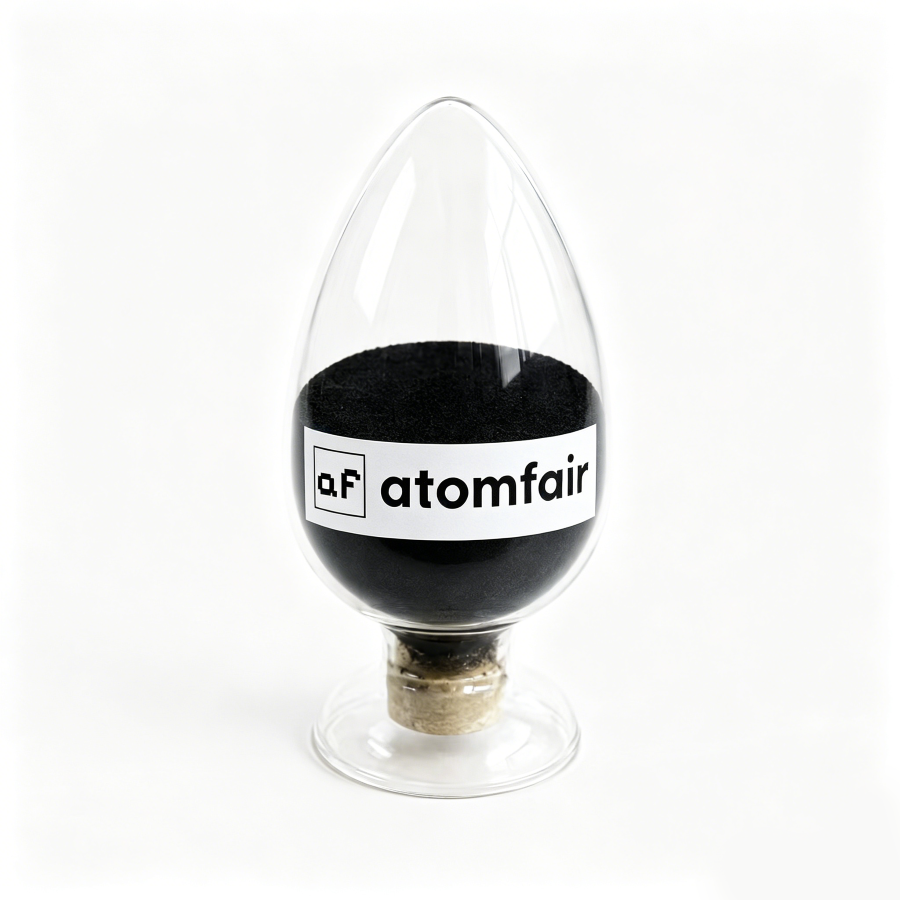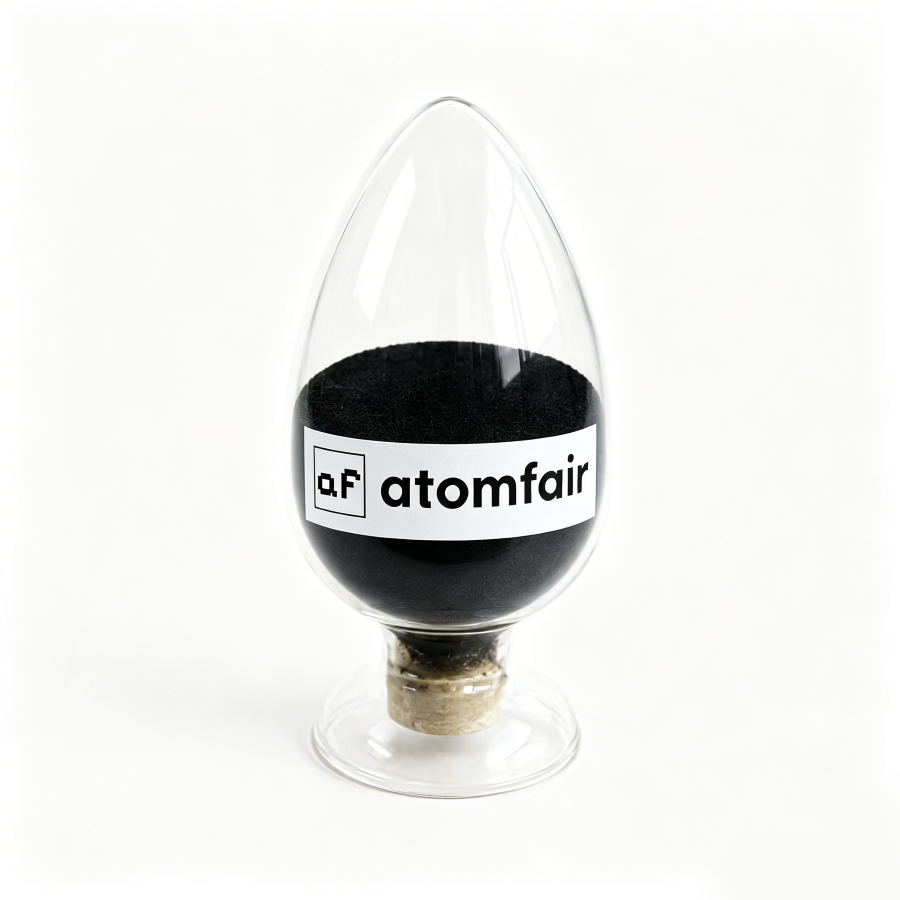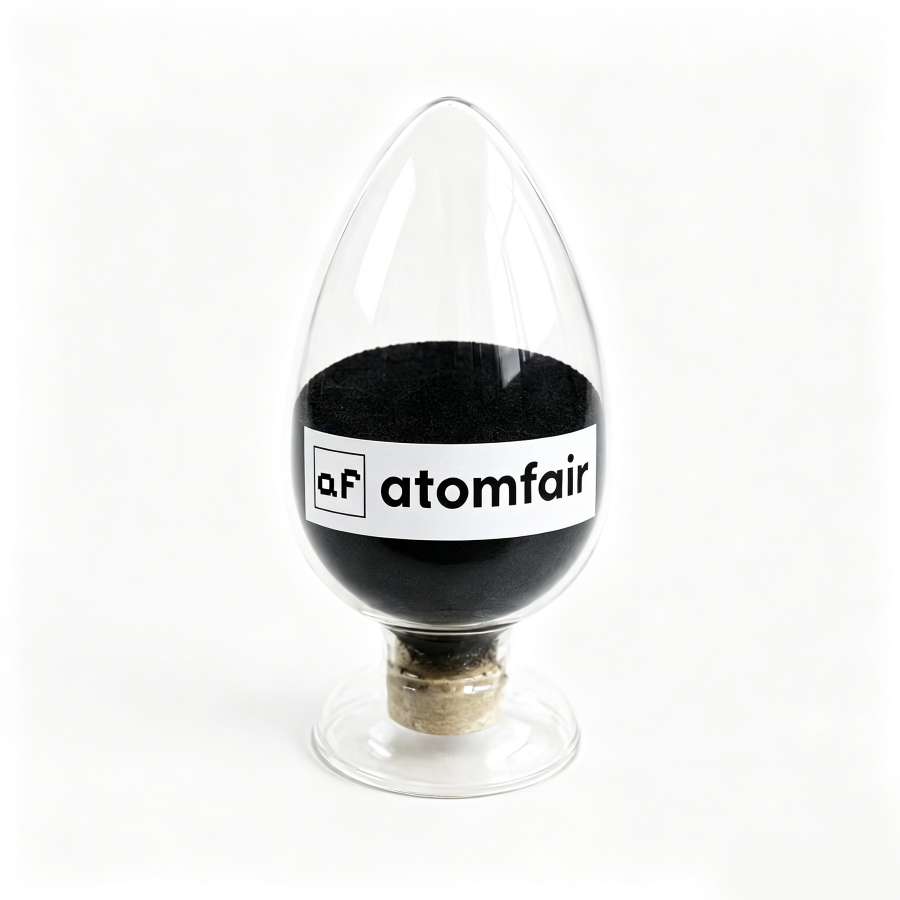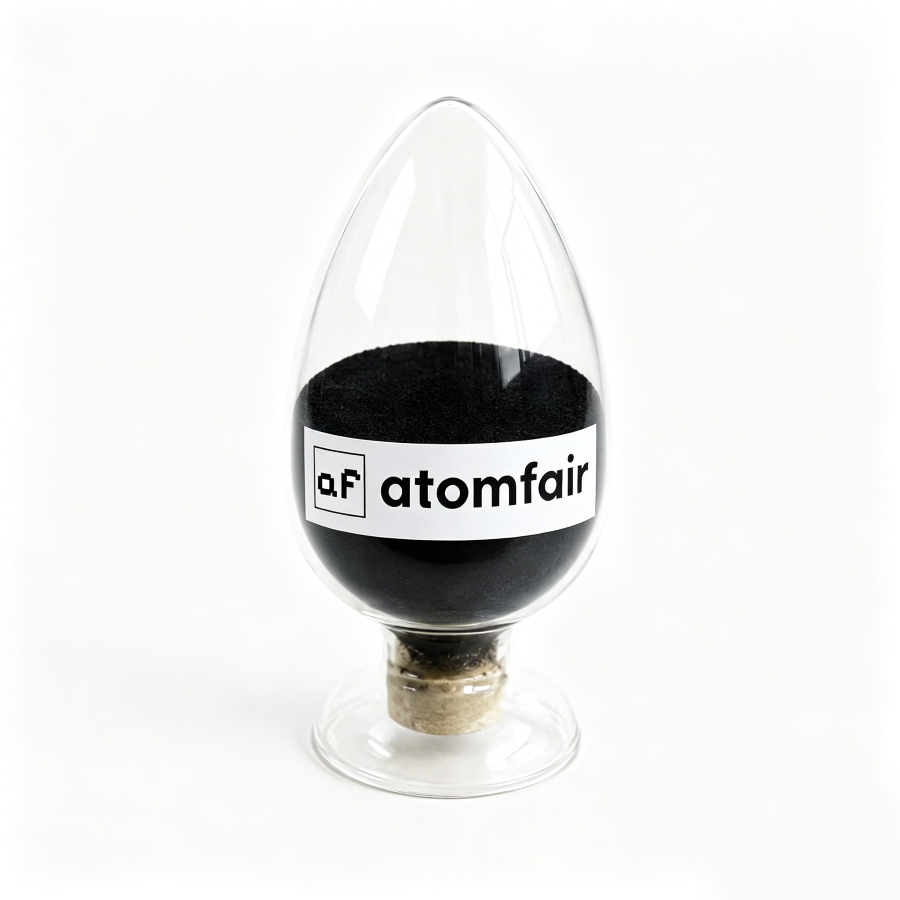
ATOMFAIR® COAL-DERIVED HARD CARBON ANODE POWDERINDUSTRIAL GRADE MATERIAL
|
|||||||||||||||||||||||||||
|
|||||||||||||||||||||||||||
|
TRANSITION TO COST-EFFECTIVE ANODES
Contact our engineering team for technical support, customizable PSD options, or official quotations.
EMAIL: inquiry@atomfair.com
|
|||||||||||||||||||||||||||
|
Manufacturer: Atomfair LLC
Brand: ATOMFAIR®
|
|||||||||||||||||||||||||||
This hard carbon powder requires specification of particle size (D50) for optimal electrochemical performance. The material is intended for use in sodium-ion and lithium-ion battery anode fabrication.
- Particle Size Customization: Particle size (D50) is customizable upon request to meet specific anode formulation requirements.
How does the reversible capacity of coal-derived hard carbon compare to synthetic graphite in sodium-ion battery applications?
Coal-derived hard carbon provides a higher reversible capacity than graphite for sodium-ion batteries due to its non-graphitizable structure with expanded interlayer spacing optimized for sodium-ion intercalation. The material's unique pore structure and interlayer spacing are specifically engineered to accommodate larger radius ions, enabling effective energy storage that graphite cannot achieve. This makes it the ideal primary anode for SIBs.
Can coal-derived hard carbon be used directly in existing lithium-ion battery manufacturing lines?
Yes, coal-derived hard carbon is designed for compatibility with both sodium-ion and lithium-ion technologies, allowing integration into existing battery manufacturing processes. Its versatile compatibility with multiple chemistries enables direct substitution in high-performance niche LIB applications and as a primary anode for SIB cells. The material's physical form as a fine black powder is amenable to standard electrode coating procedures.
What storage conditions are required to maintain the electrochemical performance of coal-derived hard carbon powder?
Store in a cool, dry place away from moisture and incompatible materials to ensure stability and prevent degradation of its amorphous structure. The material's high surface area and pore structure make it susceptible to moisture adsorption, which can compromise capacity in sodium-ion cells. Use appropriate PPE and handle in controlled environments to maintain purity.
This coal-derived hard carbon anode powder provides a cost-effective, high-capacity anode material for sodium-ion and lithium-ion batteries, utilizing an optimized non-graphitizable structure with expanded interlayer spacing for enhanced ion transport and excellent cycle stability. It requires moisture-free storage and controlled handling to avoid inhalation of fine powder.
Positive
- High Sodium-Ion Storage Capacity: Optimized non-graphitizable structure with expanded interlayer spacing enables effective intercalation of large-radius sodium ions, providing high capacity for SIB anodes.
- Cost-Effective for Large-Scale Production: Derived from abundant coal precursors, offering significant competitive pricing advantage for industrial-scale battery manufacturing.
Trade-offs
- Moisture Sensitivity: Must be stored in a cool, dry environment away from moisture to maintain stability; exposure may degrade electrochemical performance.
- Inhalation Hazard: Fine powder requires appropriate PPE to prevent inhalation during handling; controlled environment needed to maintain purity.
Every advanced material, component, equipment, and instrument in our catalog is backed by rigorous testing. We maintain strict internal quality management frameworks and align with CE conformity metrics to deliver transparent, reproducible performance data via our public open-science repository.
To request raw batch performance data, submit formal vendor registration paperwork, or execute a fast-turnaround R&D manufacturing loop, contact us at inquiry@atomfair.com.
Item is dispatched under the Atomfair Shipping & Delivery Framework (Free worldwide shipping on orders over $59 USD excl. heavy equipment). Return is governed by the Atomfair Return & Refund Policy (7-day technical return window).