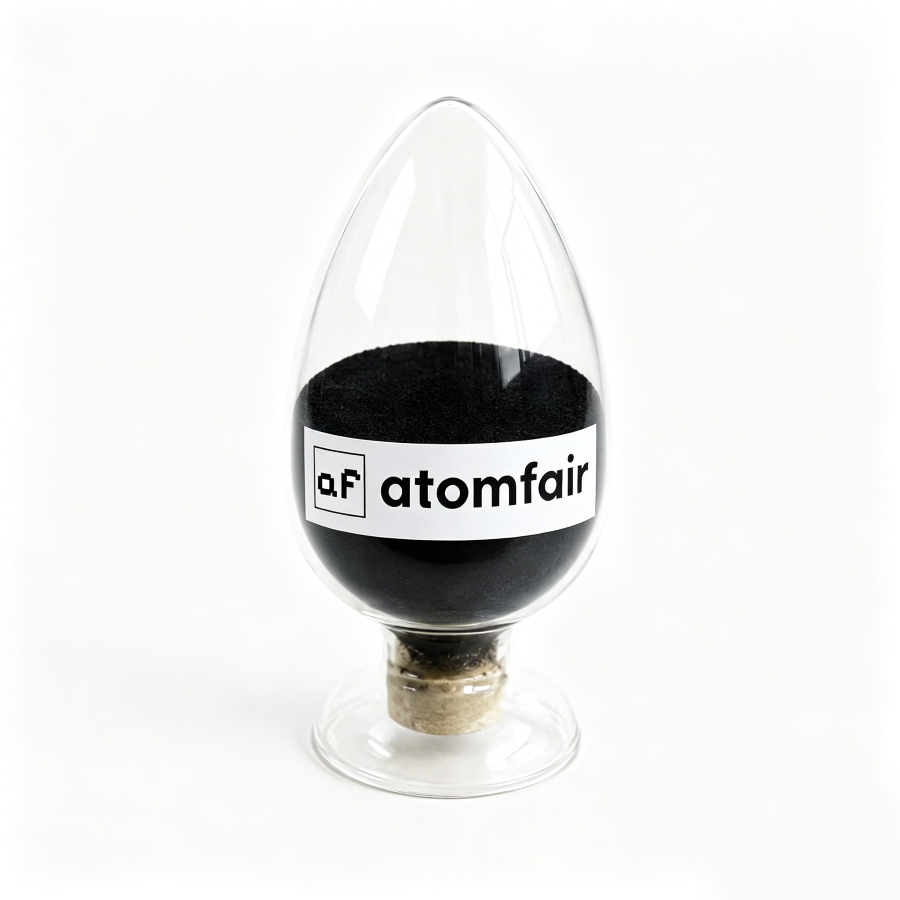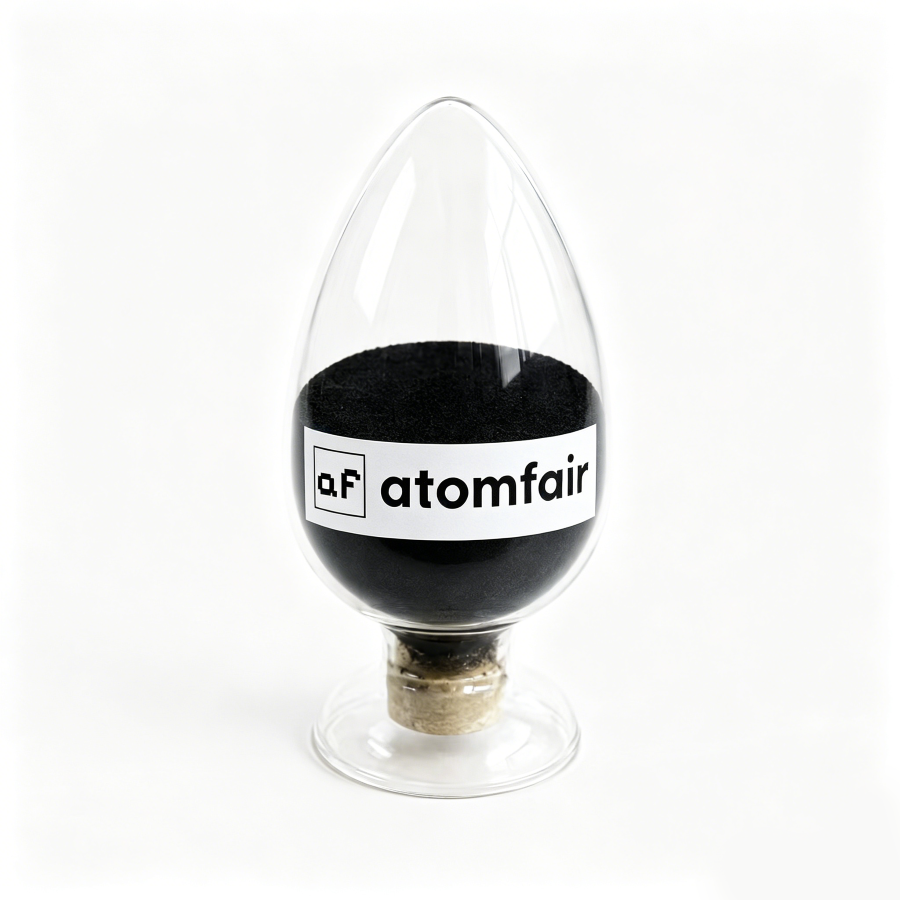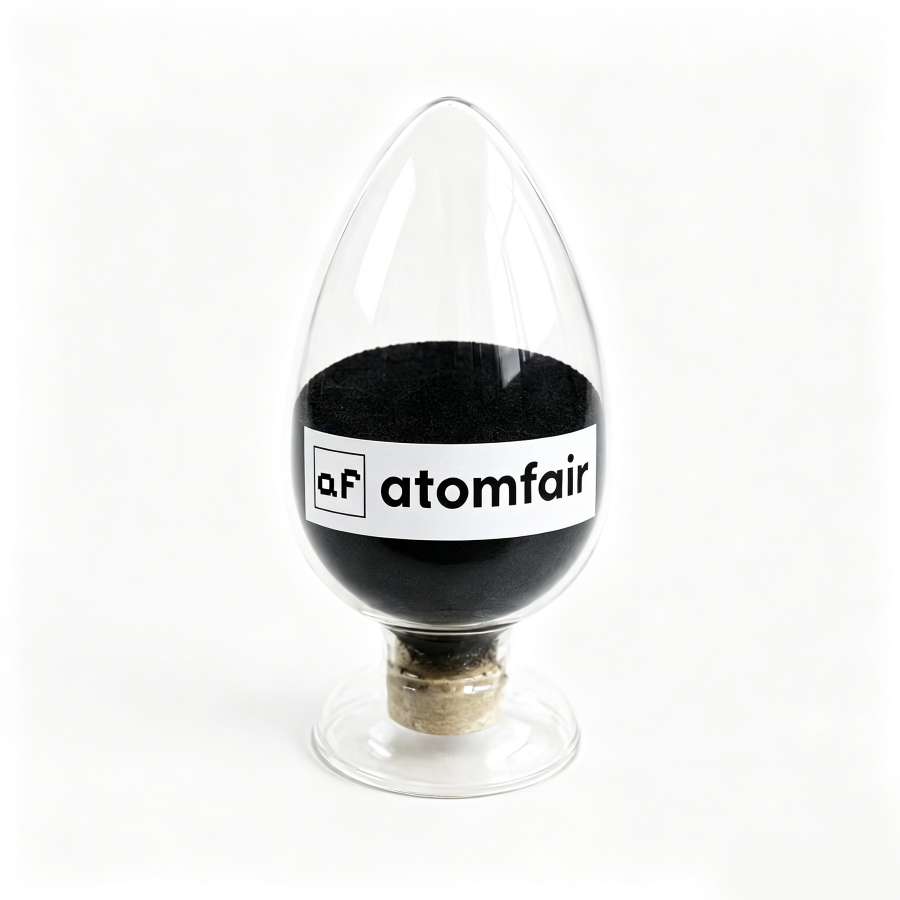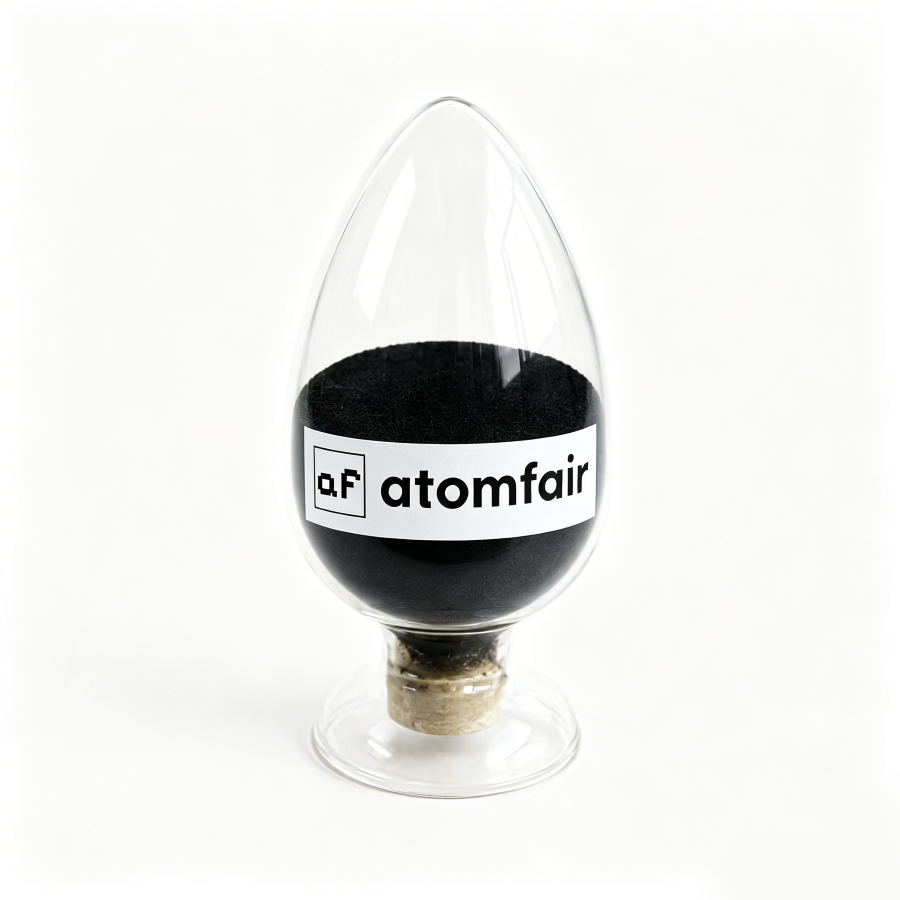
ATOMFAIR® HARD CARBON ANODE POWDERRESEARCH GRADE MATERIAL
|
|||||||||||||||||||||||||||||
|
|||||||||||||||||||||||||||||
|
TAILORED SOLUTIONS FOR RESEARCH
Contact our engineering team for technical support or official institutional quotations.
EMAIL: inquiry@atomfair.com
|
|||||||||||||||||||||||||||||
|
Manufacturer: Atomfair LLC
Brand: ATOMFAIR®
|
|||||||||||||||||||||||||||||
Hard carbon anode powder must be stored in a dry, inert atmosphere to prevent moisture absorption and oxidation. The powder requires processing in a controlled environment with appropriate safety measures due to its fine particulate nature.
- Moisture Sensitivity: Exposure to ambient humidity can degrade electrochemical performance.
What specific advantages does the non-graphitizable structure of AF-HC-380 provide over graphitic carbon for high-rate lithium-ion battery applications?
The non-graphitizable structure of AF-HC-380 provides larger interlayer spacing, which facilitates efficient sodium-ion intercalation and high-rate lithium-ion transport. This structural feature enhances conductivity and improves charge-discharge efficiency and power capability, as stated in the product description.
Is the AF-HC-380 hard carbon anode powder suitable for use in both sodium-ion and lithium-ion battery chemistries without significant modification?
Yes, the AF-HC-380 is explicitly described as highly compatible with sodium-ion, lithium-ion, and solid-state electrochemical research. Its application scope confirms it as a primary anode material for SIBs and ideal for high-performance and fast-charging LIBs, requiring no fundamental formulation changes.
What are the recommended handling and storage protocols for AF-HC-380 hard carbon anode powder to ensure safety and material integrity?
Always use appropriate personal protective equipment (PPE) when handling the powder. Store it in a cool, dry environment away from moisture and oxidizing materials to prevent degradation and maintain electrochemical performance, as specified in the product's safety documentation.
This hard carbon anode powder delivers 380 mAh/g capacity from its non-graphitizable structure with expanded interlayer spacing, making it an effective host for sodium and lithium ions. Its fine powder form requires controlled storage and handling to maintain electrochemical performance.
Positive
- High specific capacity of 380 mAh/g: The material’s 380 mAh/g capacity directly boosts energy density in compact battery designs, a critical metric for next-generation energy storage.
- Non-graphitizable structure enhances ion transport: Larger interlayer spacing from the non-graphitizable carbon structure facilitates efficient sodium-ion intercalation and high-rate lithium-ion transport, improving power capability and cycle stability.
Trade-offs
- Moisture-sensitive storage required: The powder must be stored in a cool, dry environment away from moisture and oxidizing materials to prevent degradation of electrochemical properties.
- Fine powder demands PPE for handling: The fine black powder form requires appropriate personal protective equipment (PPE) to avoid inhalation and contact risks during laboratory processing.
Every advanced material, component, equipment, and instrument in our catalog is backed by rigorous testing. We maintain strict internal quality management frameworks and align with CE conformity metrics to deliver transparent, reproducible performance data via our public open-science repository.
To request raw batch performance data, submit formal vendor registration paperwork, or execute a fast-turnaround R&D manufacturing loop, contact us at inquiry@atomfair.com.
Item is dispatched under the Atomfair Shipping & Delivery Framework (Free worldwide shipping on orders over $59 USD excl. heavy equipment). Return is governed by the Atomfair Return & Refund Policy (7-day technical return window).