|
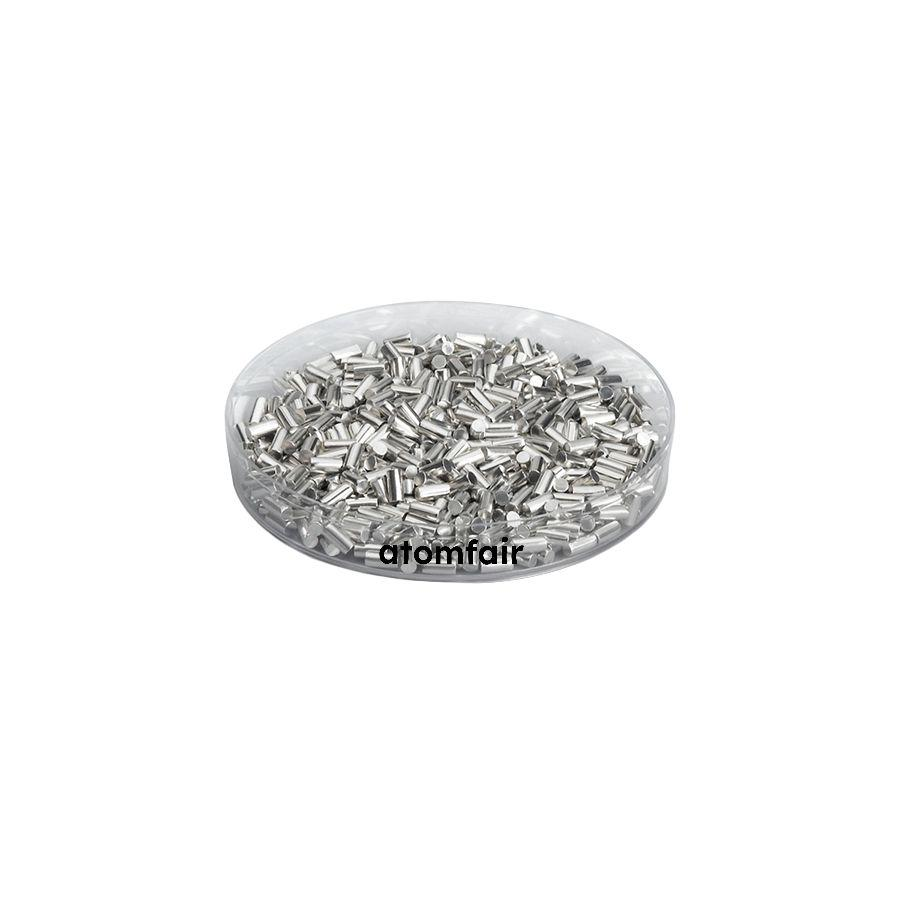
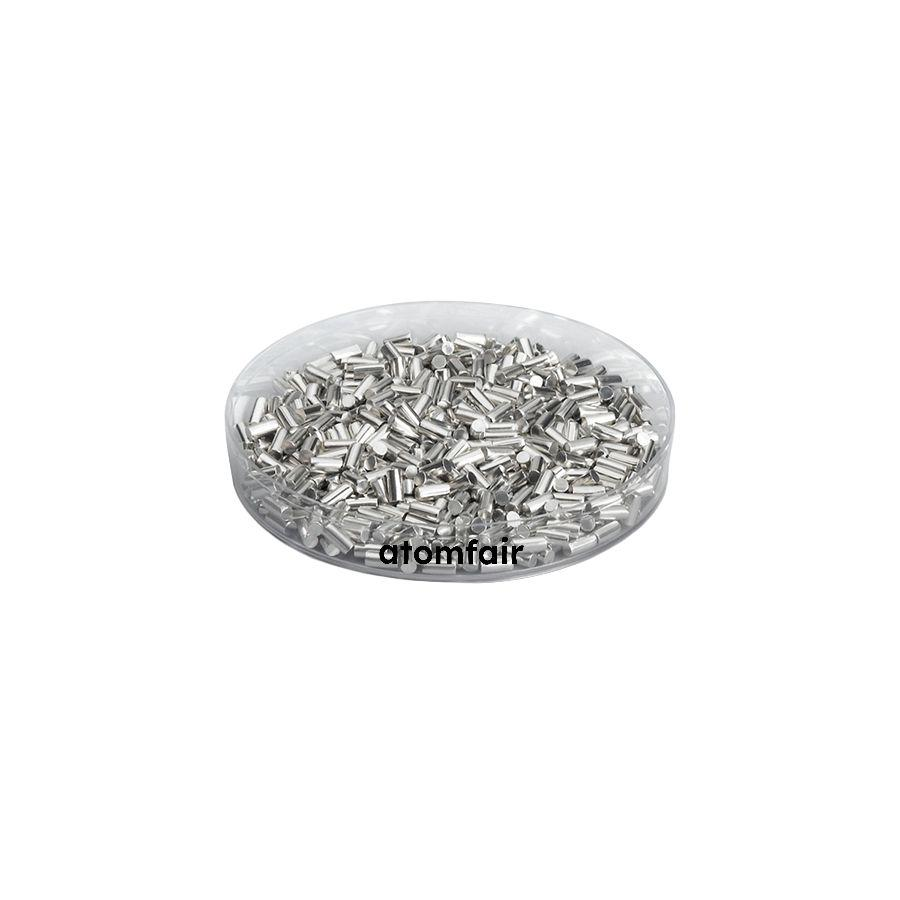
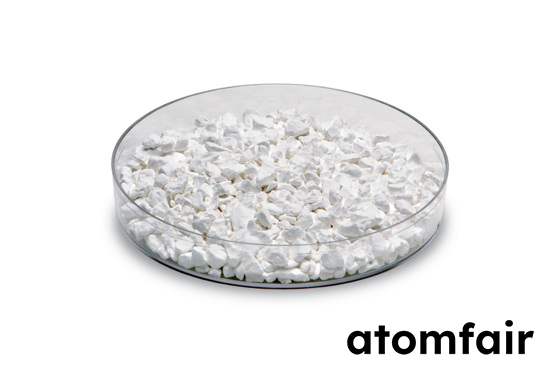
Yttrium Oxide (Y2O3) Evaporation Material, Pieces, 99.99%, 325 mesh
Product Type: Compound Evaporation Material
Research-grade laboratory product
|
|||||||||||||||||||||||||||||||||||||||
|
|||||||||||||||||||||||||||||||||||||||
|
LABORATORY PROCUREMENT SUPPORT
For material selection, deposition-source matching, pack-size confirmation or quotation support, contact our technical sales team.
INQUIRY: inquiry@atomfair.com
|
|||||||||||||||||||||||||||||||||||||||
|
Manufacturer: Atomfair LLC
Brand: ATOMFAIR®
|
Yttrium oxide evaporation material requires e-beam or thermal evaporation with specific liner materials to prevent contamination and achieve proper film deposition. The material's high melting point of 2410°C and Z-ratio of 1.00 demand precise control of evaporation parameters and source geometry.
- Evaporation Method Requirement: Use e-beam evaporation as the preferred method, with thermal evaporation available only by RFQ due to material constraints.
- Liner and Boat Compatibility: Select a graphite, alumina, or boron nitride liner for e-beam evaporation, or a tungsten, molybdenum, or tantalum boat for thermal evaporation to avoid chemical reaction with the molten material.
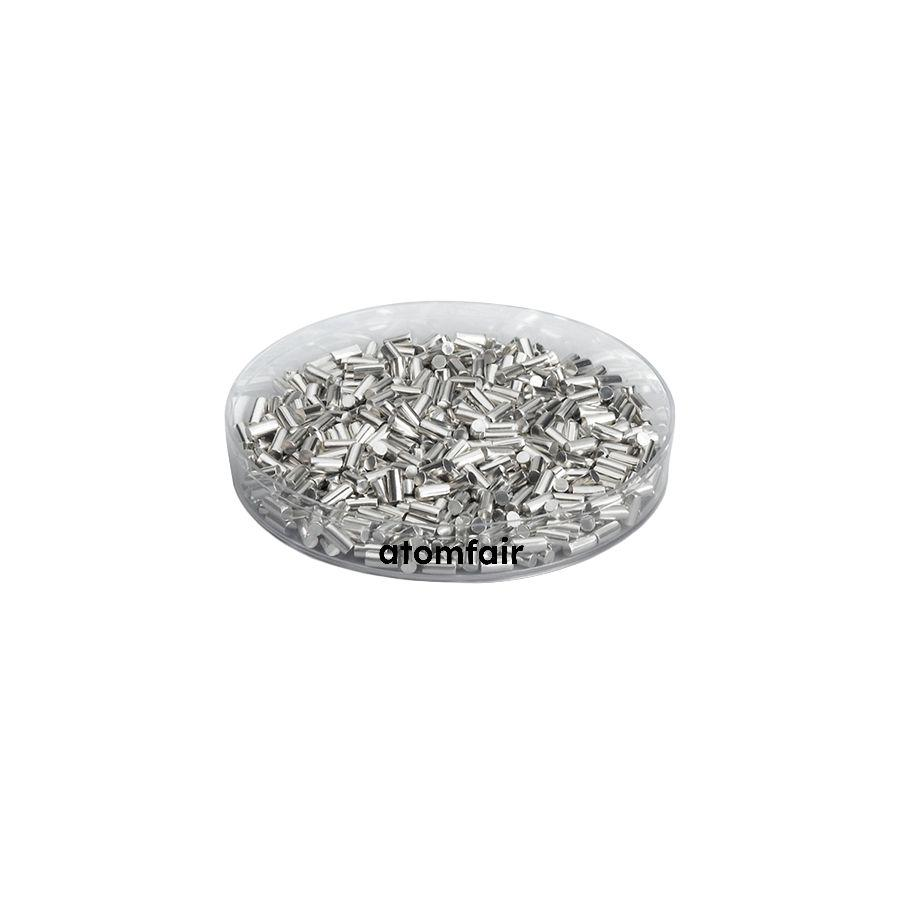
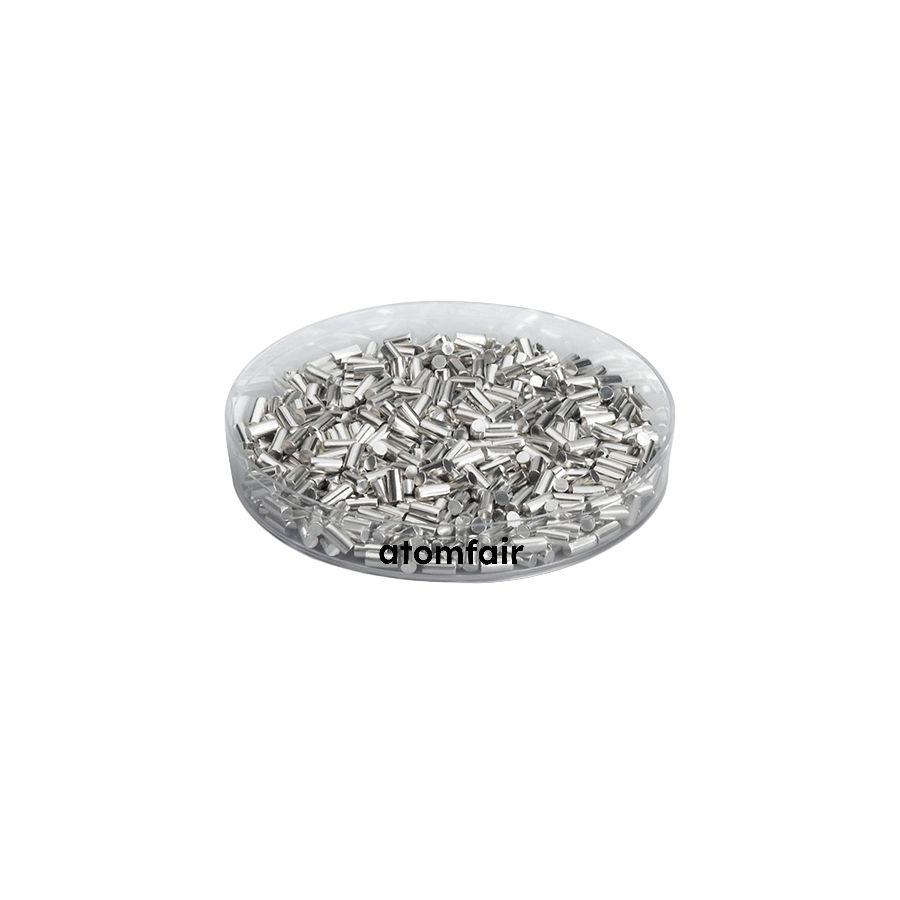
- Physical Form Constraint: Load the material as pieces of 325 mesh size to ensure consistent evaporation rate and source packing.
- Melting Point Handling: Operate at temperatures approaching 2410°C, requiring a high-temperature evaporation source and appropriate thermal management.
- Z-Ratio Calibration: Set the thickness monitor Z-ratio to 1.00 for accurate film thickness measurement during deposition.
This procedure guides the verification and preparation of Yttrium Oxide evaporation material for thin-film deposition. Follow these steps to ensure proper material selection and source compatibility before evaporation.
- Confirm Material Specifications
Confirm the model, purity, form, size range, and pack size against the deposition source specifications to ensure compatibility. - Review Documentation
Review the certificate, safety data sheet, and shipment conditions to ensure compliance with laboratory use requirements. - Match Evaporation Parameters
Match the evaporation source hardware and process route to the material's melting point, density, and film requirements for optimal deposition.
How does the melting point of 2,410°C and density of 5.01 g/cm³ affect the e-beam evaporation process for Y2O3 pieces?
The high melting point (2,410°C) and density (5.01 g/cm³) of Y2O3 pieces make e-beam evaporation the preferred method, as stated in the product specifications. Thermal evaporation is available only by RFQ. The density and melting point influence material behavior during deposition, requiring careful matching of evaporation source hardware and process parameters.
Which hearth liner or boat materials are compatible with e-beam evaporation of Y2O3 pieces?
For e-beam evaporation of Y2O3 pieces, the product specifies compatibility with graphite, Al2O3, or BN liners, as well as W, Mo, or Ta boats. Sheet2 hardware lists graphite and tungsten as compatible materials. This guidance ensures proper source loading and avoids contamination during deposition.
What does the 325 mesh particle size indicate about the physical form of Y2O3 evaporation material?
The 325 mesh particle size indicates that the Y2O3 evaporation material is supplied as pieces within that mesh size range, as specified in the product table. This physical form is designed for source loading and evaporation review in vacuum thin-film deposition workflows, and must be confirmed before ordering to match deposition hardware.
Yttrium Oxide (Y2O3) evaporation material in pieces at 99.99% purity and 325 mesh size is evaluated for E-beam evaporation with good performance, requiring specific hearth liners or boats and confirmation of deposition-source geometry before use.
Positive
- High purity for thin-film deposition: 99.99% purity specification enables consistent film stoichiometry and reduces contamination risk in vacuum deposition processes.
- Defined physical form and mesh size: Supplied as pieces at 325 mesh, facilitating controlled source loading and predictable evaporation behavior in E-beam systems.
Trade-offs
- E-beam preferred; thermal by RFQ only: E-beam evaporation is the recommended method with good performance, while thermal evaporation requires a request for quotation, limiting immediate process flexibility.
- Deposition-source compatibility must be confirmed: Buyers must verify hearth liner material (graphite, Al2O3, BN) or boat type (W, Mo, Ta) and source geometry before ordering to avoid hardware mismatch.
Every advanced material, component, equipment, and instrument in our catalog is backed by rigorous testing. We maintain strict internal quality management frameworks and align with CE conformity metrics to deliver transparent, reproducible performance data via our public open-science repository.
To request raw batch performance data, submit formal vendor registration paperwork, or execute a fast-turnaround R&D manufacturing loop, contact us at inquiry@atomfair.com.
Item is dispatched under the Atomfair Shipping & Delivery Framework (Free worldwide shipping on orders over $59 USD excl. heavy equipment). Return is governed by the Atomfair Return & Refund Policy (7-day technical return window).