|
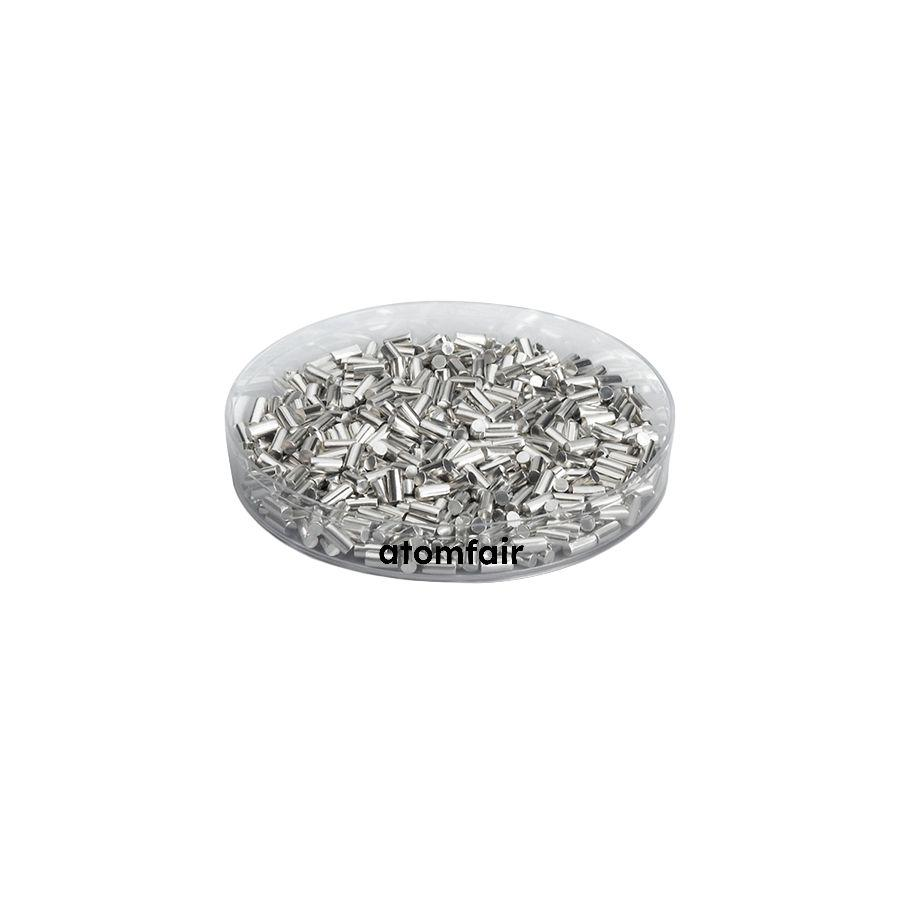
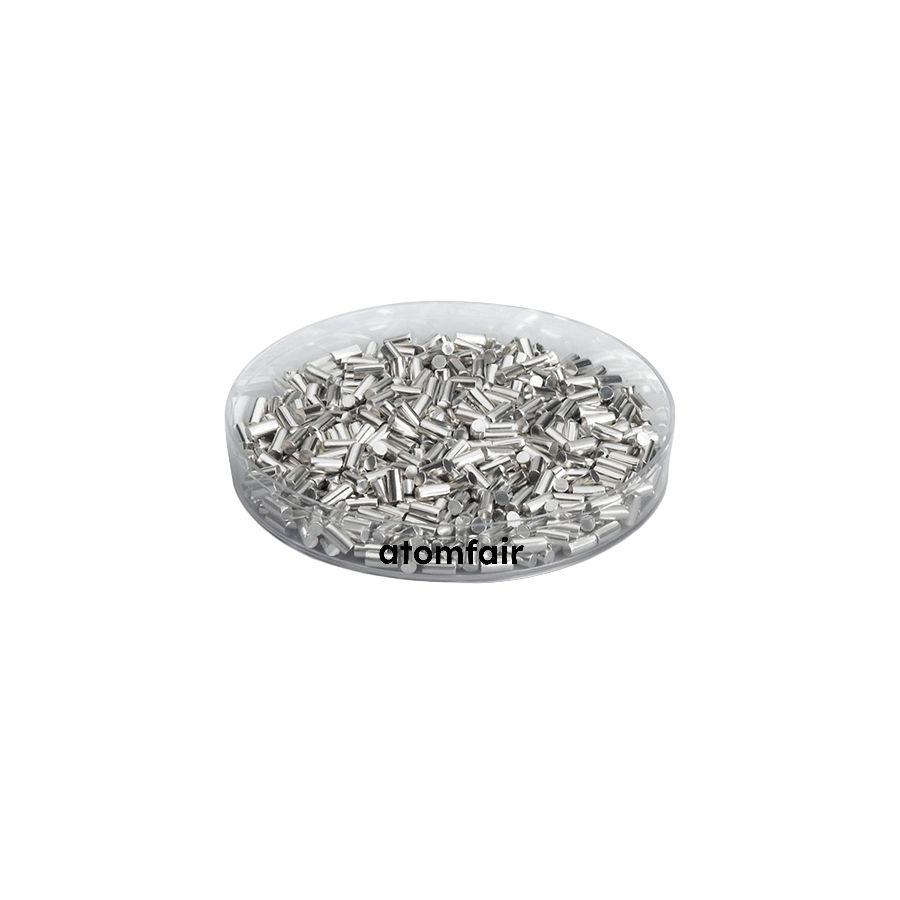
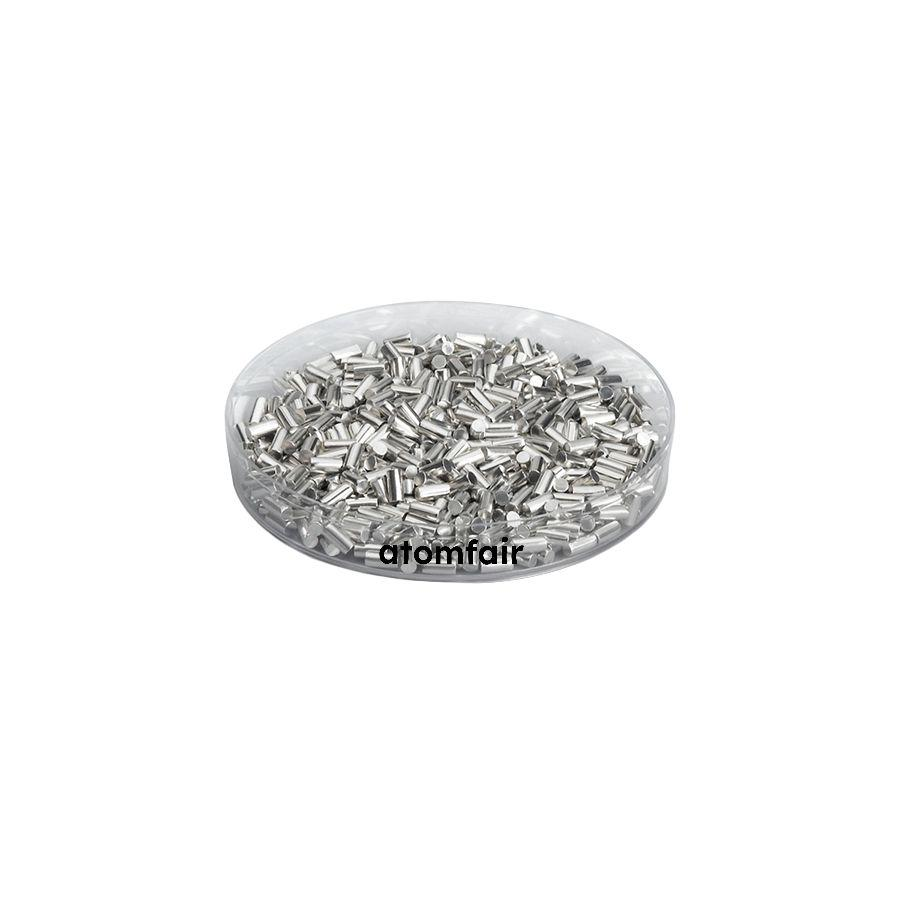
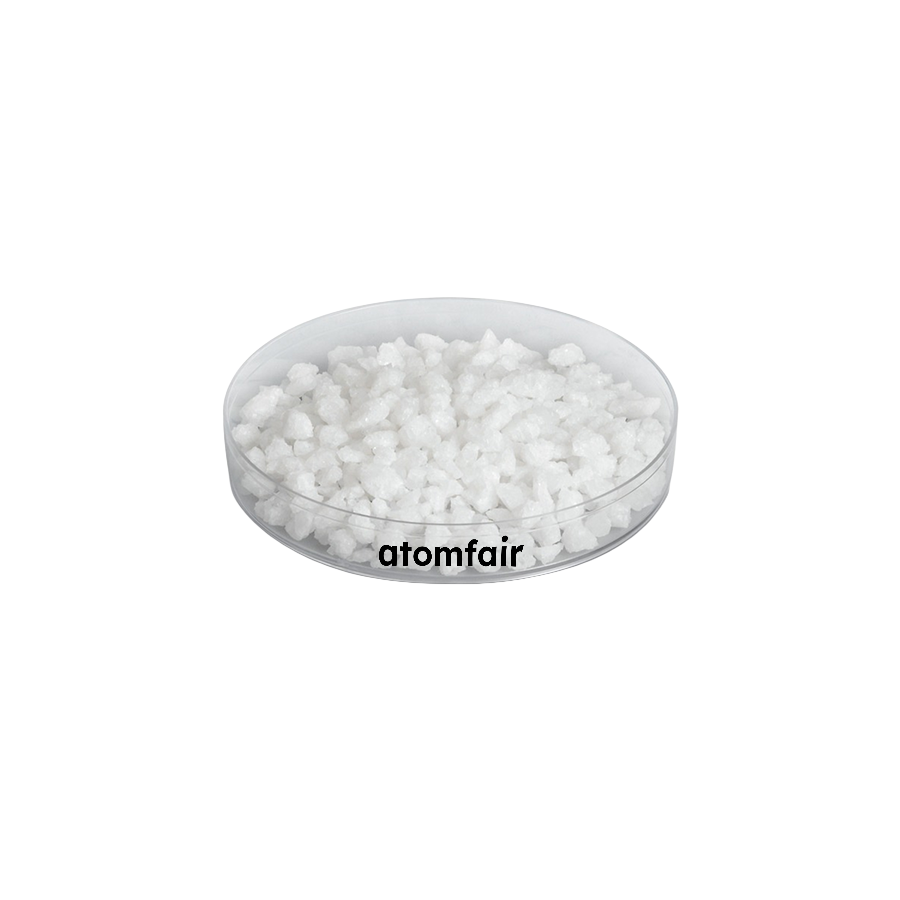
Terbium Oxide (Tb2O3) Evaporation Material, Pieces, 99.9%, 325 mesh
Product Type: Compound Evaporation Material
Research-grade laboratory product
|
|||||||||||||||||||||||||||||||||||||
|
|||||||||||||||||||||||||||||||||||||
|
LABORATORY PROCUREMENT SUPPORT
For material selection, deposition-source matching, pack-size confirmation or quotation support, contact our technical sales team.
INQUIRY: inquiry@atomfair.com
|
|||||||||||||||||||||||||||||||||||||
|
Manufacturer: Atomfair LLC
Brand: ATOMFAIR®
|
This material requires specific deposition source hardware and process conditions to achieve optimal thin-film results. Compatibility with E-beam or thermal evaporation systems must be confirmed prior to use.
- Deposition Source Compatibility: Confirm that the evaporation source geometry and liner material (graphite, Al2O3, BN, or W/Mo/Ta boat) are compatible with the pieces form and 325 mesh particle size.
- Melting Point Consideration: The melting point of 2387°C dictates that the source material must withstand high temperatures without degradation.
- Density and Loading: The material density of 7.87 g/cm³ affects the weight-to-volume ratio for source loading calculations.
- Process Route Matching: Match the evaporation method (E-beam preferred, thermal by RFQ) to the material's behavior and film requirements to avoid contamination or incomplete evaporation.
- Pre-Use Documentation: Review the certificate, safety data sheet, and shipment conditions to ensure proper handling and storage prior to deposition.
What evaporation method is recommended for Terbium Oxide (Tb2O3) Pieces?
E-beam evaporation is the preferred method for Terbium Oxide (Tb2O3) Pieces. Thermal evaporation is also possible by request for quotation (RFQ) using an E-beam hearth with graphite, Al2O3, or BN liner or a W/Mo/Ta boat, as specified in the product documentation.
Which liner or boat materials are recommended for evaporating Tb2O3?
Compatible liner materials include graphite, Al2O3, and BN for use with an E-beam hearth. Alternatively, W, Mo, or Ta boats are suitable for thermal evaporation, as stated in the product's technical specifications.
Terbium Oxide (Tb2O3) evaporation material in pieces at 325 mesh and 99.9% purity is evaluated for vacuum thin-film deposition, with E-beam evaporation as the preferred method and thermal evaporation available by RFQ, requiring careful source hardware matching due to its high melting point of 2,387°C and density of 7.87 g/cm³.
Positive
- High purity for consistent films: The 99.9% purity specification supports reproducible thin-film stoichiometry and reduces contamination risks in sensitive optical or electronic layer applications.
- Defined particle size for loading: Supplied as pieces at 325 mesh, the form factor facilitates controlled loading into E-beam hearths or boats, aiding uniform evaporation rates and source utilization.
Trade-offs
- High melting point requires robust hardware: With a melting point of 2,387°C, this material demands E-beam evaporation with compatible liners (graphite, Al2O3, BN) or refractory metal boats (W, Mo, Ta), limiting flexibility for standard thermal evaporation setups without RFQ.
- Thermal evaporation requires RFQ confirmation: Thermal evaporation is not directly supported and requires a request for quotation (RFQ), adding lead time and requiring pre-approval of source geometry and liner compatibility.
Every advanced material, component, equipment, and instrument in our catalog is backed by rigorous testing. We maintain strict internal quality management frameworks and align with CE conformity metrics to deliver transparent, reproducible performance data via our public open-science repository.
To request raw batch performance data, submit formal vendor registration paperwork, or execute a fast-turnaround R&D manufacturing loop, contact us at inquiry@atomfair.com.
Item is dispatched under the Atomfair Shipping & Delivery Framework (Free worldwide shipping on orders over $59 USD excl. heavy equipment). Return is governed by the Atomfair Return & Refund Policy (7-day technical return window).