|
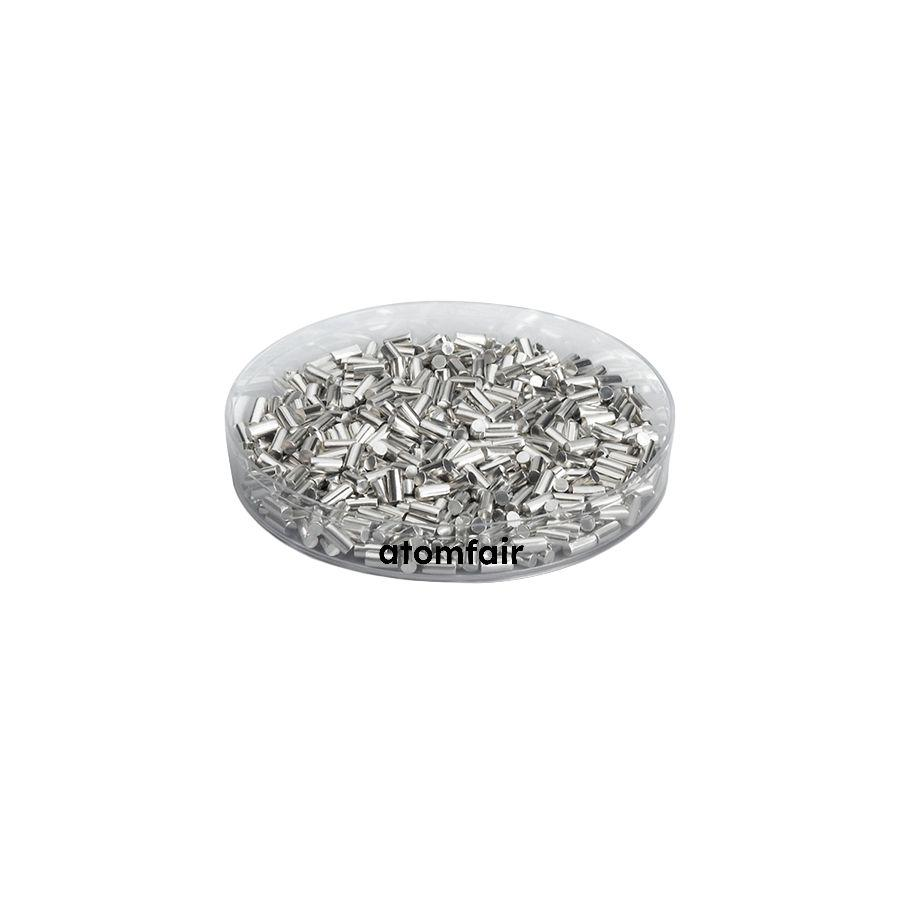
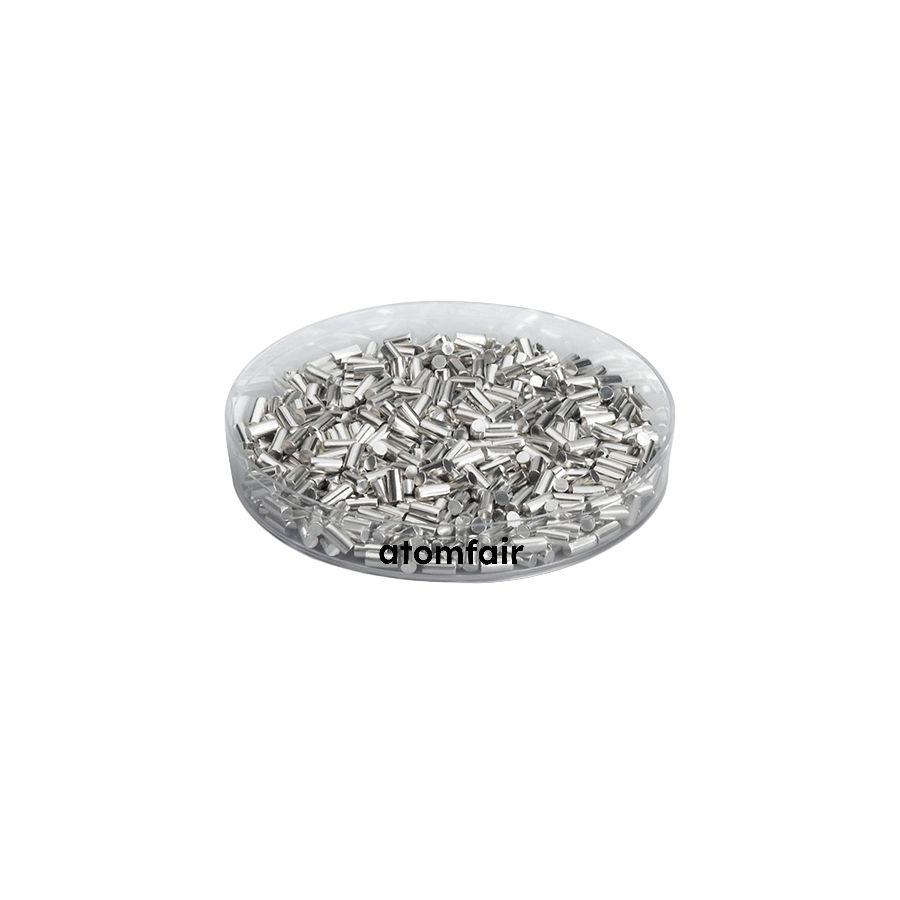
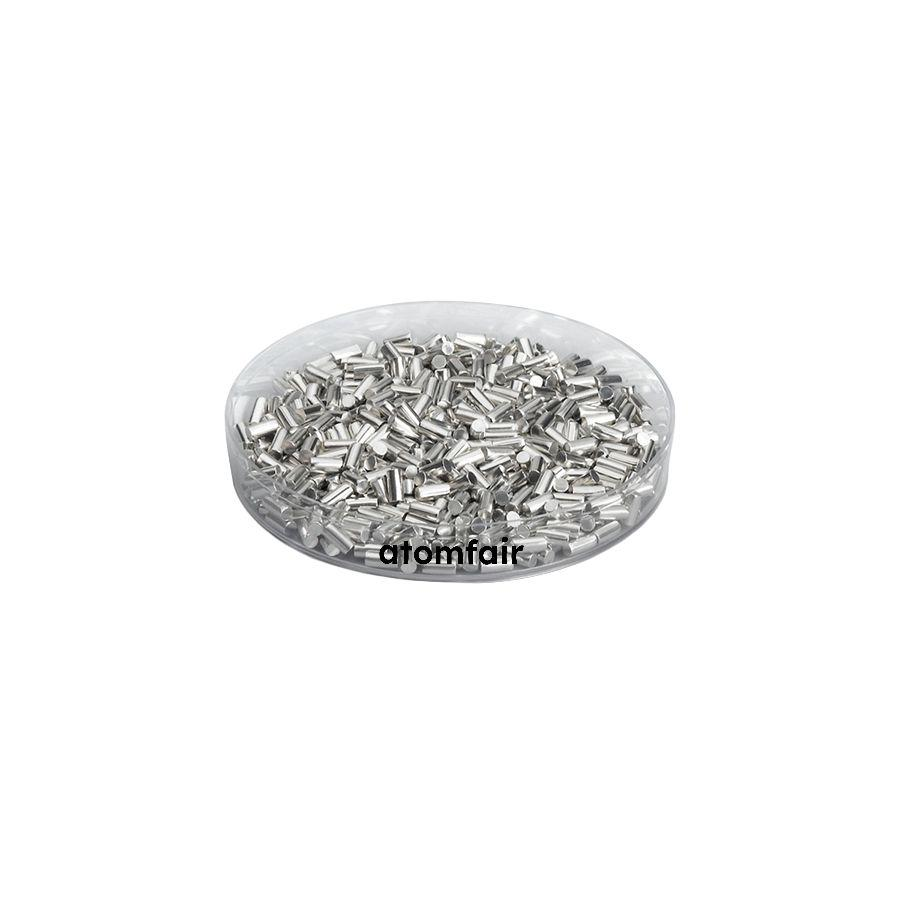
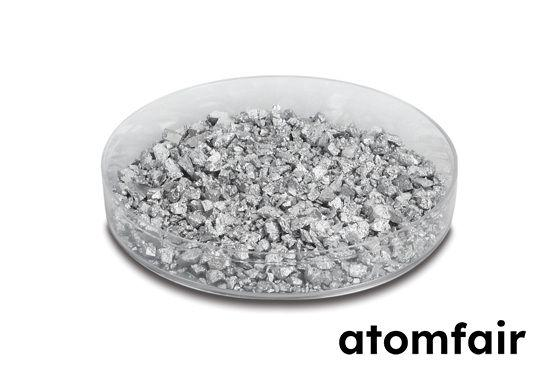
Sodium (Na) Evaporation Material, Pieces, 99.95%, under mineral oil/inert gas
Product Type: Pure Metal Evaporation Material
Research-grade laboratory product
|
|||||||||||||||||||||||||||||||||||||
|
|||||||||||||||||||||||||||||||||||||
|
LABORATORY PROCUREMENT SUPPORT
For material selection, deposition-source matching, pack-size confirmation or quotation support, contact our technical sales team.
INQUIRY: inquiry@atomfair.com
|
|||||||||||||||||||||||||||||||||||||
|
Manufacturer: Atomfair LLC
Brand: ATOMFAIR®
|
Store under inert atmosphere or mineral oil to prevent oxidation and moisture reaction. Handle only in a dry inert environment using sealed ampoules or refractory metal boats to avoid ignition and contamination.
- Atmosphere Constraint: Store and handle under inert gas or mineral oil to prevent oxidation and violent reaction with moisture.
- Evaporation Source Compatibility: Use only sealed ampoules or tantalum, molybdenum, or tungsten boats in an inert handling setup.
- Moisture Sensitivity: Avoid any contact with water, as sodium reacts violently to produce hydrogen gas and heat.
- Handling Environment: Perform all handling in a dry inert atmosphere, such as a glovebox, to maintain material integrity.
- Containment Requirement: Keep material submerged in mineral oil or under inert gas during storage and transfer.
This procedure describes the safe transfer and loading of sodium pieces from storage into an evaporation source under inert conditions. Follow these steps to prevent ignition, contamination, and exposure to reactive hazards.
Required Equipment: Inert gas glovebox, Sealed ampoule or refractory metal boat, Dry tweezers or spatula, Lint-free cloth
- Transfer to glovebox
Transfer the sodium pieces from the storage container to a dry inert glovebox while maintaining the material under mineral oil. - Remove excess oil
Remove excess mineral oil by gently blotting with a lint-free cloth under inert atmosphere. - Load into evaporation source
Place the clean sodium pieces into the preheated evaporation boat or ampoule using dry tweezers. - Seal source
Seal the evaporation source under inert gas if using a sealed ampoule to prevent air exposure. - Transfer to deposition chamber
Transfer the loaded evaporation source to the deposition chamber without exposing sodium to air.
How should sodium pieces stored under mineral oil be prepared for vacuum evaporation?
Sodium pieces are supplied under mineral oil or inert gas to prevent oxidation. Before evaporation, the mineral oil must be completely removed in a dry, inert atmosphere, typically using a solvent rinse or by evaporation under vacuum. The product specification requires strict dry inert handling, and the recommended evaporation method is thermal/resistive evaporation using a sealed ampoule or Ta/Mo/W boat in an inert handling setup.
What boat materials are recommended for thermal evaporation of sodium?
Sodium evaporation is compatible with tantalum (Ta), molybdenum (Mo), or tungsten (W) boats, as specified in the product description. The evaporation source should be used in an inert handling setup, and a sealed ampoule is also an option. These materials resist chemical attack by sodium at the evaporation temperature, which is near its melting point of 98°C.
What are the critical challenges in evaporating sodium for thin-film deposition?
Sodium's low melting point (98°C) and high reactivity require careful handling to avoid oxidation and contamination. The material must be stored under mineral oil or inert gas and handled in a strictly dry, inert environment. Thermal evaporation must be performed in a sealed ampoule or using a refractory metal boat (Ta, Mo, W) to prevent reaction with the source. The specified purity of 99.95% ensures consistent film quality, but the deposition rate and film uniformity depend on precise temperature control due to the low melting point.
Sodium (Na) evaporation material, 99.95% purity, supplied as pieces under mineral oil/inert gas, is suitable for thermal/resistive evaporation but demands strict dry inert handling and compatible source hardware due to its high reactivity and low melting point.
Positive
- High Purity 99.95%: The 99.95% purity specification ensures consistent film composition and minimizes contamination in thin-film deposition applications.
- Defined Physical Form for Source Loading: Supplied as pieces under mineral oil/inert gas with a specified size range, facilitating uniform loading into evaporation sources and reproducible deposition rates.
Trade-offs
- Strict Inert Handling Required: Sodium's high reactivity with moisture and oxygen requires storage under mineral oil or inert gas and handling in a dry inert atmosphere, increasing laboratory infrastructure demands.
- Low Melting Point and Source Constraints: With a melting point of 98°C, the material requires careful temperature control and specific evaporation sources (sealed ampoule or Ta/Mo/W boat) to avoid premature melting or reaction.
Every advanced material, component, equipment, and instrument in our catalog is backed by rigorous testing. We maintain strict internal quality management frameworks and align with CE conformity metrics to deliver transparent, reproducible performance data via our public open-science repository.
To request raw batch performance data, submit formal vendor registration paperwork, or execute a fast-turnaround R&D manufacturing loop, contact us at inquiry@atomfair.com.
Item is dispatched under the Atomfair Shipping & Delivery Framework (Free worldwide shipping on orders over $59 USD excl. heavy equipment). Return is governed by the Atomfair Return & Refund Policy (7-day technical return window).