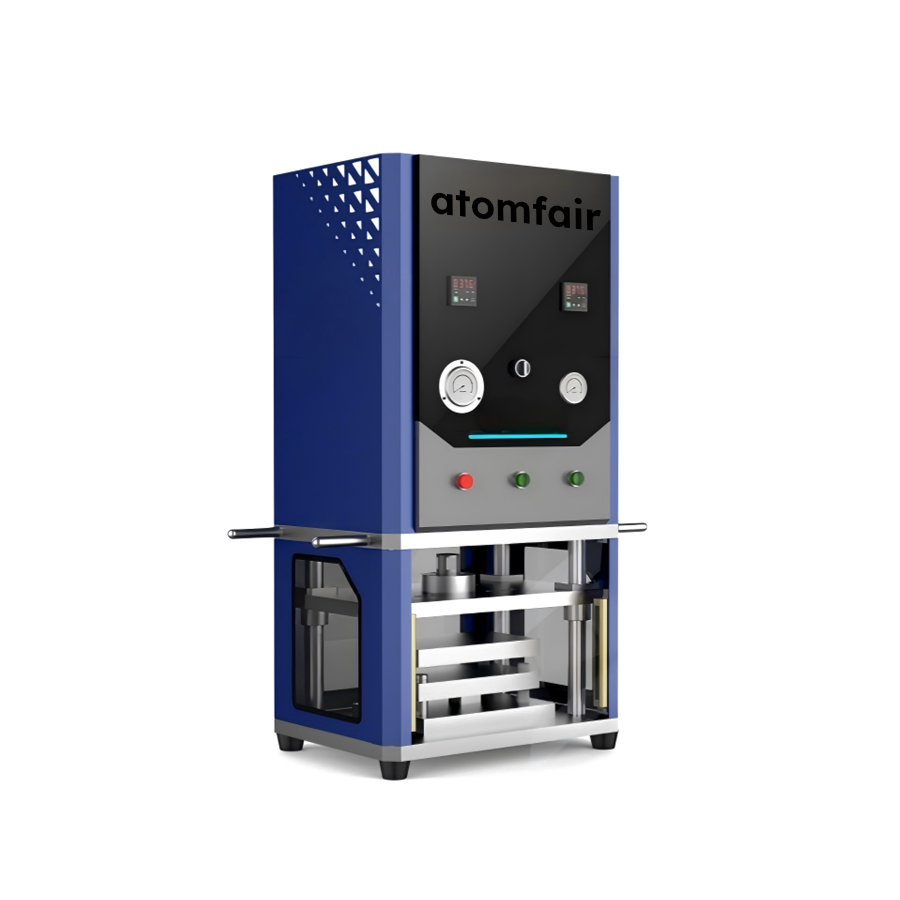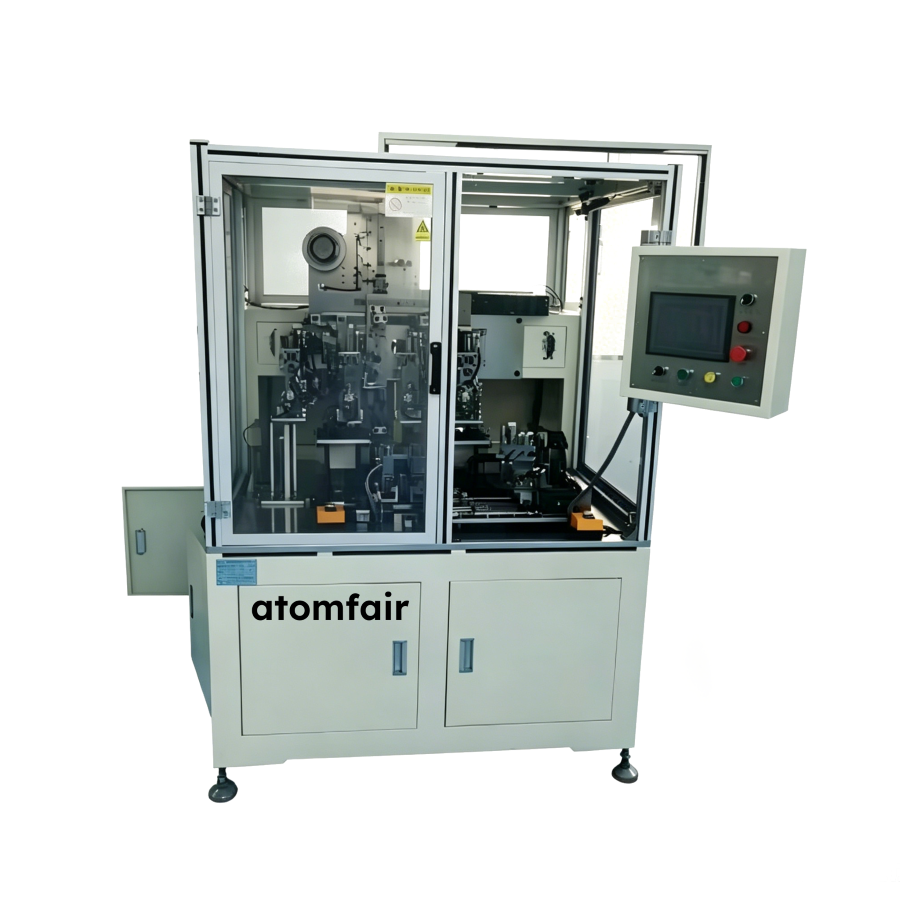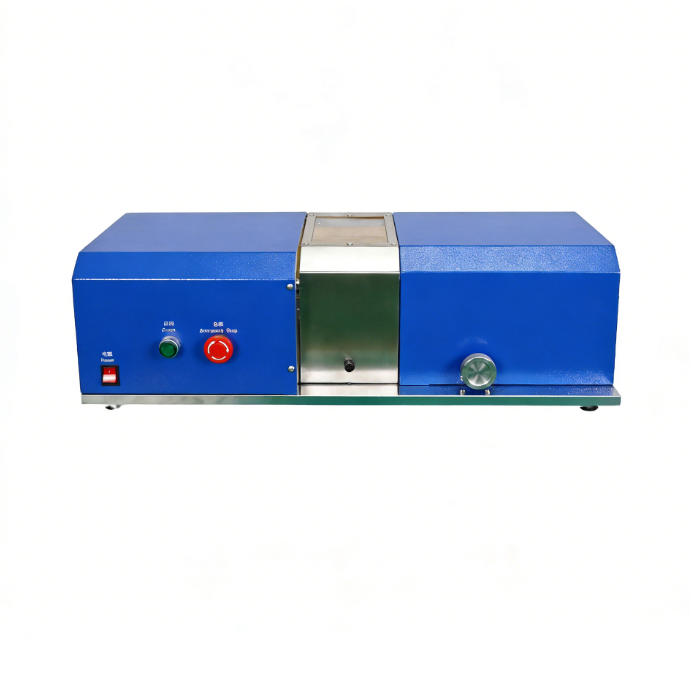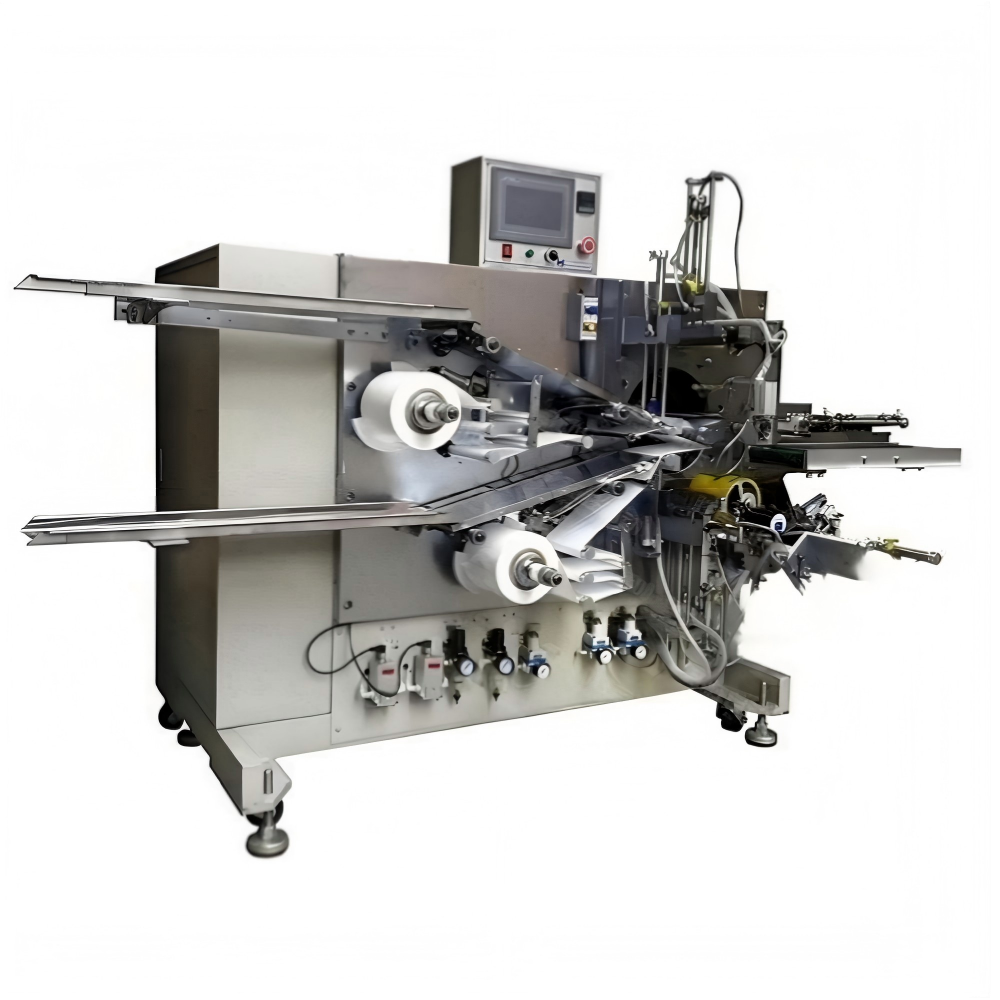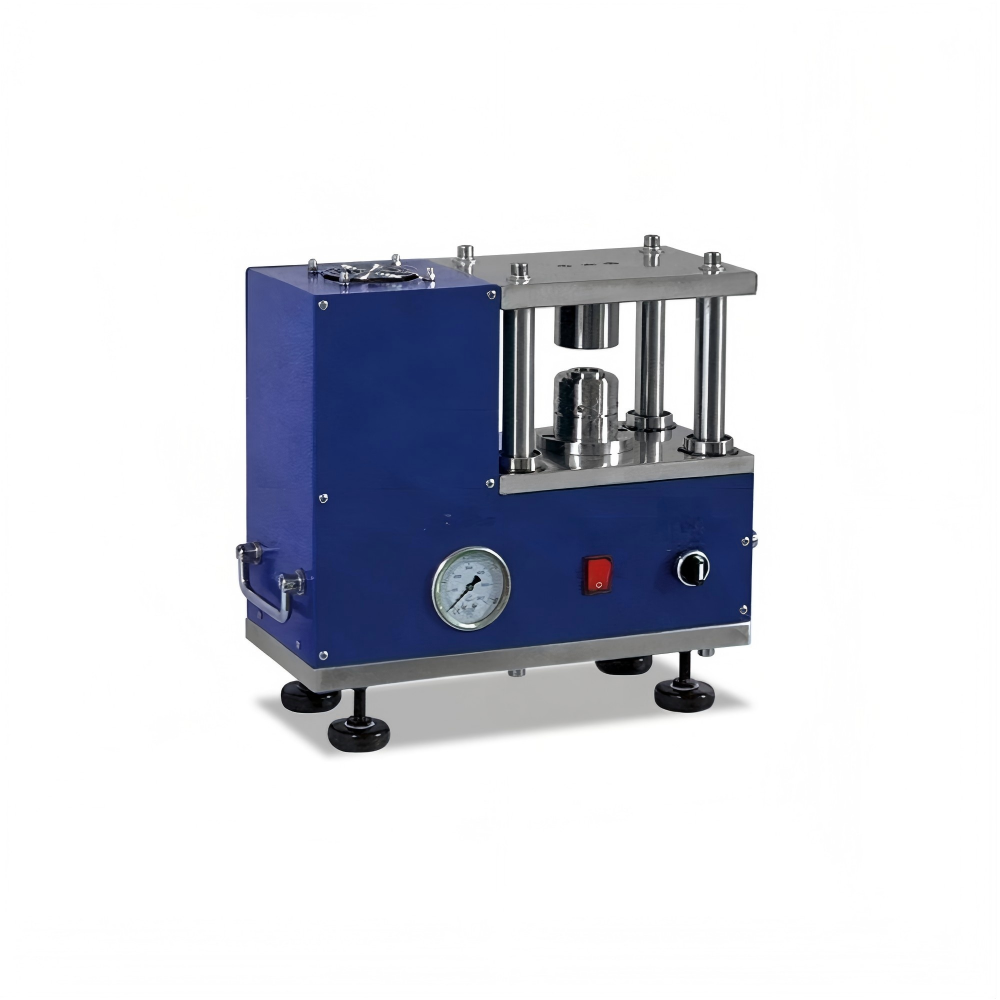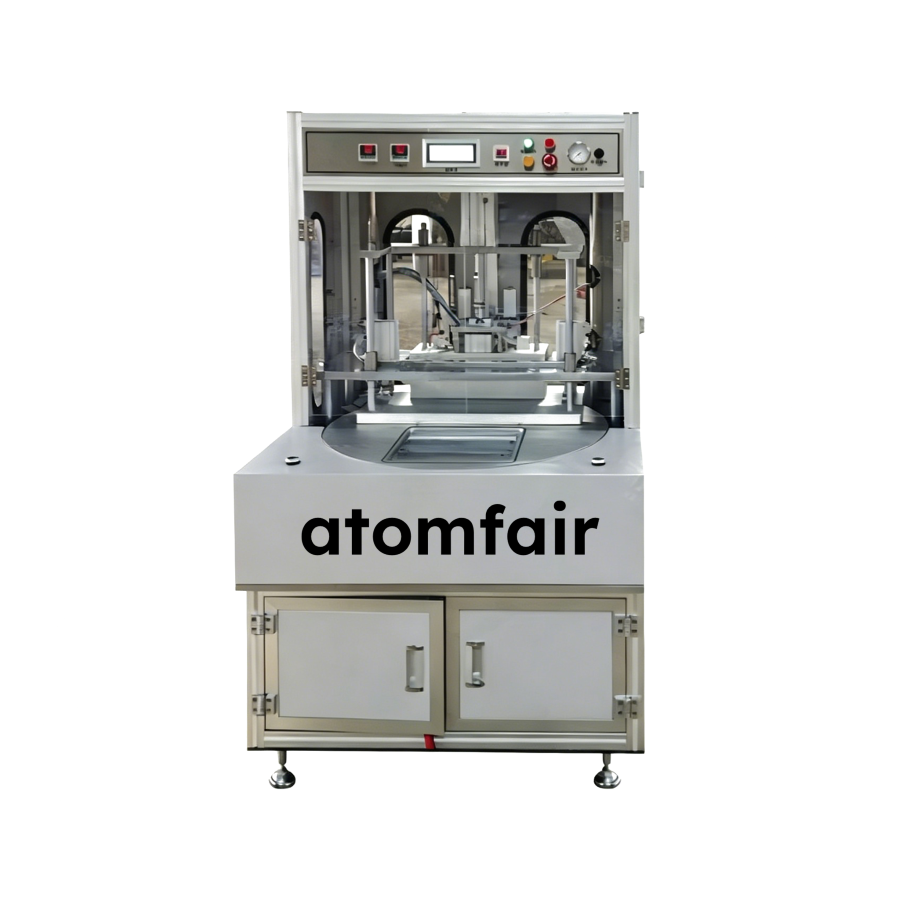
ATOMFAIR® RSS218 ROTARY SECONDARY SEALING MACHINE FOR POUCH CELLSRESEARCH GRADE MATERIAL
|
|||||||||||||||||||||||||||||||||||||||||||
|
|||||||||||||||||||||||||||||||||||||||||||
|
TAILORED SOLUTIONS FOR RESEARCH
Contact our engineering team for technical support or official institutional quotations.
EMAIL: inquiry@atomfair.com
|
|||||||||||||||||||||||||||||||||||||||||||
|
Manufacturer: Atomfair LLC
Brand: ATOMFAIR®
|
|||||||||||||||||||||||||||||||||||||||||||
This machine requires a clean, dry environment with proper electrical grounding to mitigate fire and shock hazards. The electrolyte recovery system and anticorrosion-treated components demand regular maintenance to prevent chemical leaks and mechanical degradation.
- Storage Environment: Store in a temperature-controlled, low-humidity area to preserve electronic and sealing component integrity.
- Electrical Safety: Use only a grounded 220V/50Hz power supply with appropriate overcurrent protection to avoid electrical faults.
- Chemical Handling: Implement spill containment and ventilation protocols during electrolyte recovery to minimize exposure risks.
- Mechanical Maintenance: Lubricate linear guide bushes and cylinder seals per manufacturer schedule to prevent seizure or leakage.
- System Integrity: Periodically verify vacuum pump oil level and replace if contaminated to maintain -0.095 MPa capability.
Follow these steps to safely initialize and operate the rotary secondary sealing machine for pouch cells. The machine uses precise temperature, vacuum, and pressure controls to ensure high-quality seals.
Required Equipment: Compressed air supply (0.5–0.7 MPa), Grounded electrical power supply (220V/50Hz)
- Power and Air Connection
Connect the machine to the compressed air line and grounded power supply, ensuring pressure and voltage match specified ranges. - Parameter Configuration
Set the sealing head temperature (room temp–230°C), chamber vacuum (up to -0.095 MPa), and sealing time (0–99.9 s) via the control panel. - Parameter Verification
Confirm that the pressure, vacuum, and temperature sensors read within the set values; the machine will not start if any condition is unmet. - Pouch Loading
Place the pouch battery (max 200×200×8 mm) into the sealing chamber and align the head with the sealing area. - Sealing Cycle Initiation
Activate the sealing cycle; the cylinder-driven heads will close, seal, and retract automatically under programmed control. - Post-Seal Inspection
Inspect the seal for uniformity and check that the electrolyte recovery mechanism has collected any excess liquid.
How does the sealing head's ±0.01mm parallelism trade off with adjustable temperature and pressure to maintain the 99% qualification rate across varying aluminum-plastic film thicknesses?
The ±0.01mm parallelism ensures uniform pressure distribution, which is critical for sealing consistency. With adjustable sealing head pressure and temperature control accuracy of ±2°C, the machine can compensate for film thickness variations of 0.14–0.3 mm. However, increasing sealing width up to 8 mm may require longer sealing time or higher temperature to maintain the same seal integrity, trading cycle time for seal strength.
What are the battery size constraints and how does the machine integrate with different pouch cell formats without requiring tooling changes?
The machine accepts pouch cells up to 200×200×8 mm including air bag, with a sealing head length ≤200 mm and adjustable sealing width from 4–8 mm. Cylinder-driven heads with double linear guide bushes provide precise alignment for various sizes, and the machine is easily adjustable without dedicated tooling changes. Anticorrosion treatment on all electrolyte-contacting parts ensures long-term compatibility with standard Li-ion electrolytes.
What are the compressed air and electrical infrastructure requirements for operating this rotary secondary sealing machine, and what safety features mitigate electrolyte handling hazards?
The machine requires 220V/50Hz electrical supply and compressed air at 0.5–0.7 MPa. It operates at a chamber vacuum up to -0.095 MPa and sealing temperatures up to 230°C. A pressure detection system prevents startup if vacuum, temperature, or pressure are out of spec, and the built-in electrolyte separation mechanism recovers excess electrolyte to reduce chemical exposure. The 300 kg unit requires a stable, level surface with adequate clearance for its 450×550×1450 mm footprint.
The Atomfair RSS218 is a dedicated secondary sealing machine for lithium-ion pouch cells, offering a 99% qualification rate and ±0.01 mm head parallelism. Its integrated electrolyte recovery and pressure/temperature interlocks enhance process consistency, but the machine is limited to batteries under 200×200×8 mm and requires a 0.5–0.7 MPa compressed air supply.
Positive
- High parallelism and qualification rate: ±0.01 mm head parallelism combined with a 99% product qualification rate ensures consistent sealing quality and high yield in production.
- Integrated pressure, vacuum, and temperature interlocks: The machine will not start unless pressure, vacuum, and temperature meet set values, preventing defects and enhancing process safety.
Trade-offs
- Limited maximum battery size: Accepts pouch cells only up to 200 × 200 × 8 mm (including air bag), restricting use to smaller-format batteries typical of consumer electronics rather than larger EV packs.
- Requires external compressed air supply: Needs a regulated air supply at 0.5–0.7 MPa, adding infrastructure complexity, noise, and ongoing energy costs for labs or pilot lines.
Every advanced material, component, equipment, and instrument in our catalog is backed by rigorous testing. We maintain strict internal quality management frameworks and align with CE conformity metrics to deliver transparent, reproducible performance data via our public open-science repository.
To request raw batch performance data, submit formal vendor registration paperwork, or execute a fast-turnaround R&D manufacturing loop, contact us at inquiry@atomfair.com.
Item is dispatched under the Atomfair Shipping & Delivery Framework (Free worldwide shipping on orders over $59 USD excl. heavy equipment). Return is governed by the Atomfair Return & Refund Policy (7-day technical return window).