|
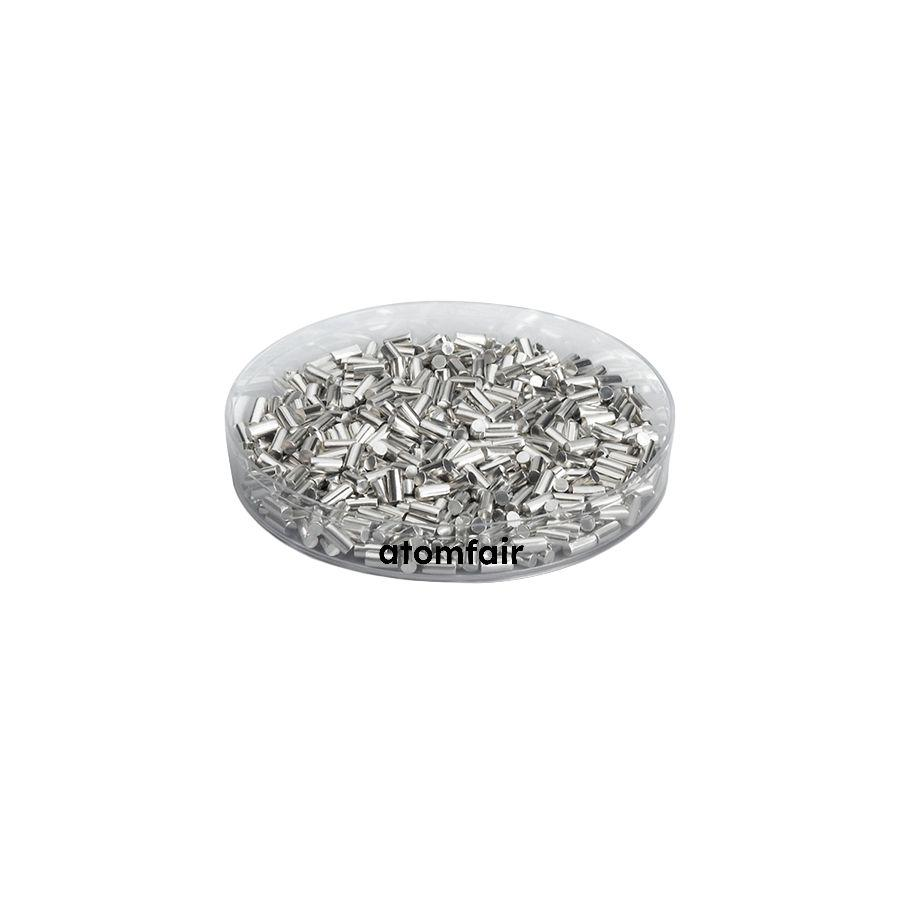
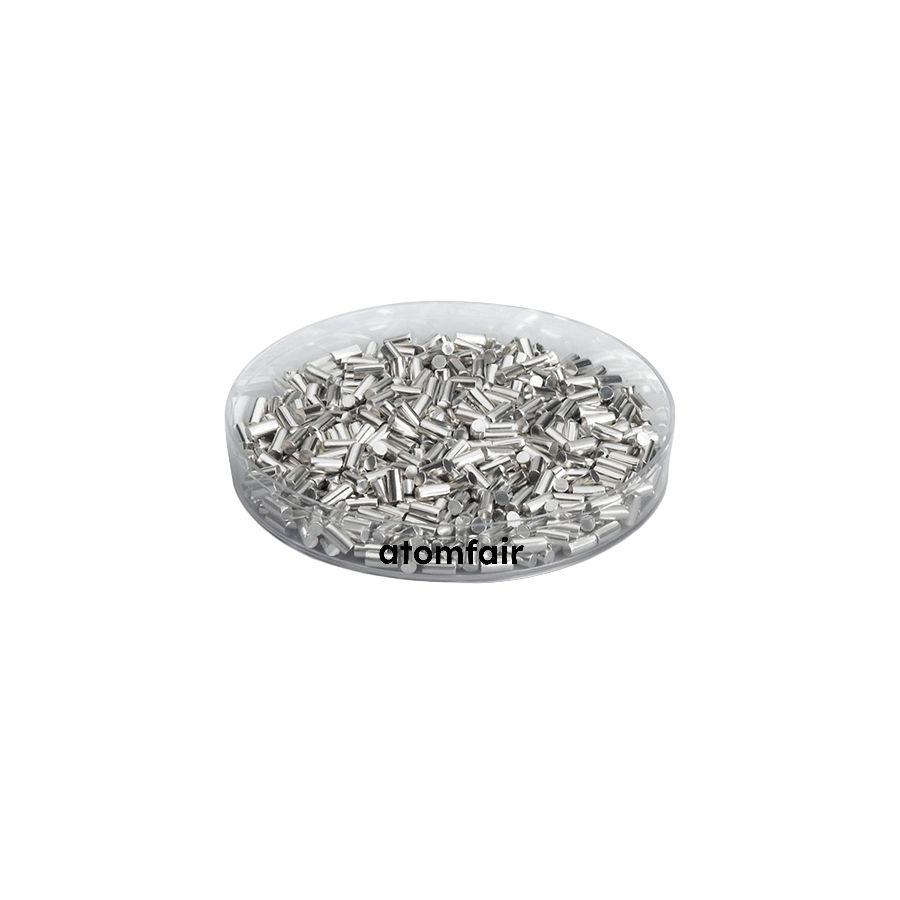
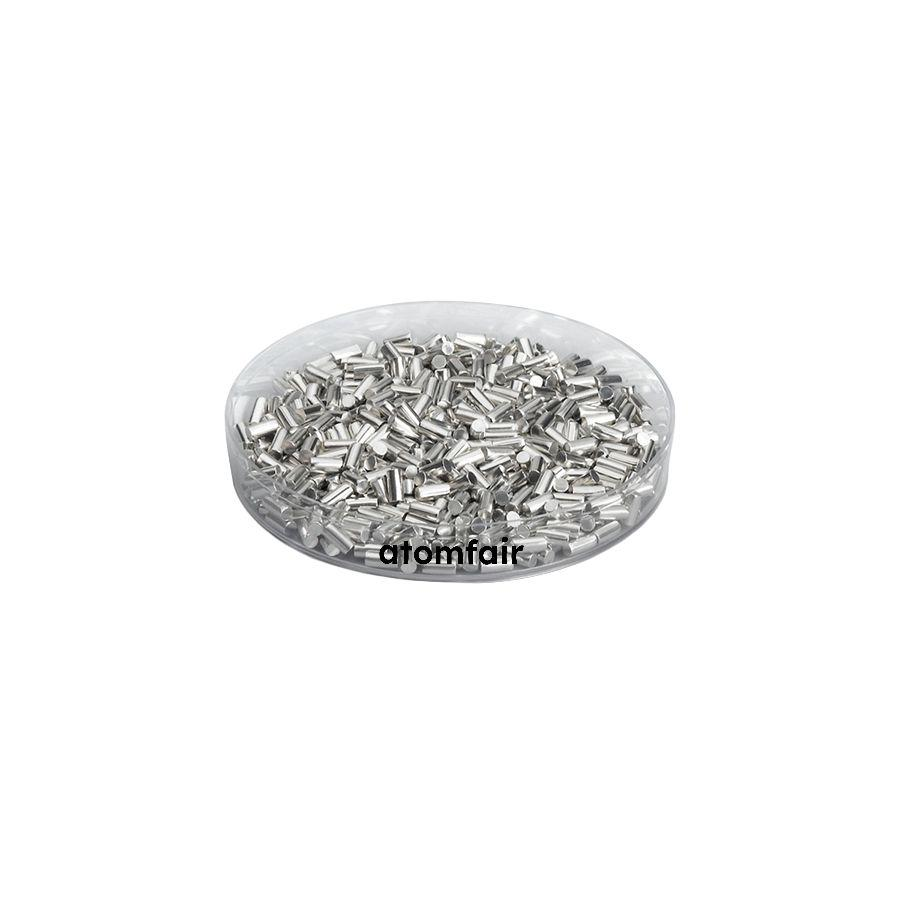
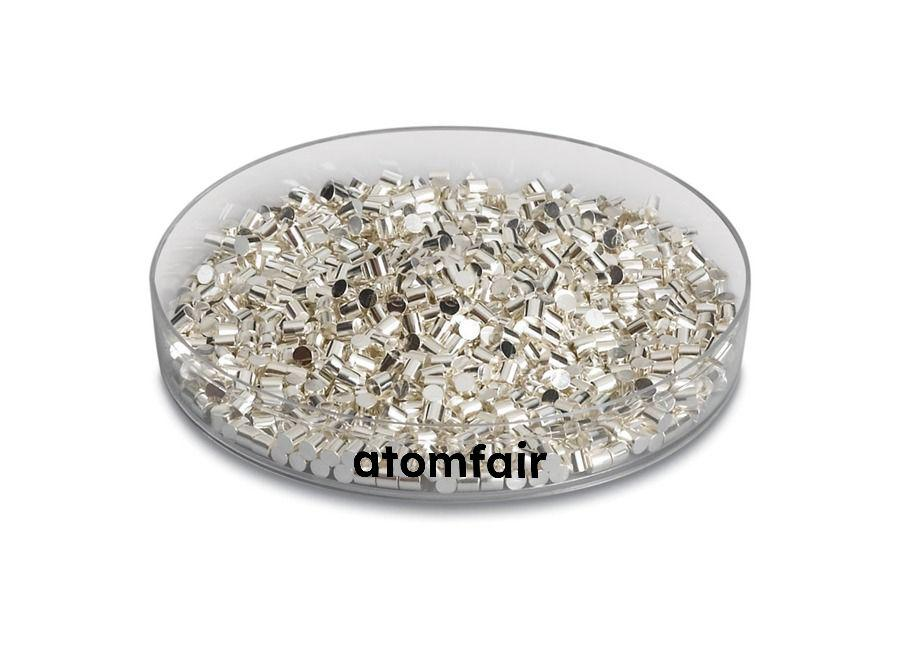
Rhodium (Rh) Evaporation Material, Pieces, 99.95%, 1-3 mm
Product Type: Pure Metal Evaporation Material
Research-grade laboratory product
|
|||||||||||||||||||||||||||||||||||||||
|
|||||||||||||||||||||||||||||||||||||||
|
LABORATORY PROCUREMENT SUPPORT
For material selection, deposition-source matching, pack-size confirmation or quotation support, contact our technical sales team.
INQUIRY: inquiry@atomfair.com
|
|||||||||||||||||||||||||||||||||||||||
|
Manufacturer: Atomfair LLC
Brand: ATOMFAIR®
|
This rhodium evaporation material requires use with a water-cooled copper e-beam hearth and compatible liners such as graphite, Al2O3, BN, or Ta due to its high melting point of 1966°C. The Z-ratio of 0.21 must be programmed into the deposition monitor for accurate film thickness control.
- Evaporation Source Compatibility: The material must be used with an e-beam evaporation source and a water-cooled copper hearth, with liners made of graphite, Al2O3, BN, or Ta.
- Melting Point Constraint: The high melting point of 1966°C necessitates e-beam evaporation as the preferred deposition method.
- Deposition Monitoring: A Z-ratio of 0.21 must be entered into the quartz crystal microbalance to ensure correct thickness measurement.
- Density Consideration: The density of 12.4 g/cm³ should be factored into material consumption calculations and film density expectations.
- Procurement Verification: Confirm model, purity, form, size range, and deposition-source compatibility before ordering.
What is the significance of the Z-ratio of 0.21 for rhodium evaporation material in e-beam deposition?
The Z-ratio of 0.21 for rhodium (Rh) is a critical parameter for quartz crystal microbalance (QCM) thickness monitoring during e-beam evaporation. This value corrects the acoustic impedance mismatch between the deposited film and the quartz crystal, ensuring accurate film thickness measurement. A Z-ratio this low indicates a significant correction factor is required; using the default value for many metals (e.g., 1.0) would lead to substantial thickness errors in rhodium films.
Which liner materials are compatible with e-beam evaporation of rhodium pieces?
For e-beam evaporation of rhodium (Rh) pieces, compatible liner materials include graphite, Al2O3 (alumina), BN (boron nitride), and Ta (tantalum). The product specification recommends using a water-cooled copper e-beam hearth with one of these liners to contain the molten rhodium during deposition, as each material offers suitable thermal and chemical stability at rhodium's melting point of 1,966 °C.
Why is e-beam evaporation the preferred method for depositing rhodium thin films from this material?
E-beam evaporation is preferred for rhodium (Rh) because of its high melting point of 1,966 °C and density of 12.4 g/cm³, which make thermal evaporation impractical without localized high-energy heating. The e-beam method focuses electron energy directly onto the rhodium pieces (1–3 mm size) in a water-cooled copper hearth, enabling controlled vaporization without crucible contamination when used with compatible liners such as graphite, Al2O3, BN, or Ta.
Rhodium pieces (99.95%, 1–3 mm) are designed for e-beam evaporation in vacuum thin-film deposition, with a high melting point of 1,966°C that requires compatible high-power e-beam sources. The defined purity and piece form support process matching, but the standard grade may not satisfy ultra-high-purity film requirements.
Positive
- Defined purity and form for process matching: Specified as 99.95% pure Rhodium in pieces (1–3 mm), enabling clear procurement and direct compatibility with e-beam evaporation source loading requirements.
- Compatible with multiple liner materials: Suitable for use with water-cooled copper e-beam hearth and graphite, Al2O3, BN, or Ta liners, providing flexibility in evaporation source configuration.
Trade-offs
- High melting point limits evaporation methods: With a melting point of 1,966°C, this material is restricted to high-power e-beam evaporation systems and is not compatible with standard thermal evaporation sources.
- Standard purity may not meet ultra-high-purity needs: The 99.95% purity is a standard grade; applications requiring higher purity (e.g., >99.99%) should consider RFQ-controlled grades, as referenced in the product documentation.
Every advanced material, component, equipment, and instrument in our catalog is backed by rigorous testing. We maintain strict internal quality management frameworks and align with CE conformity metrics to deliver transparent, reproducible performance data via our public open-science repository.
To request raw batch performance data, submit formal vendor registration paperwork, or execute a fast-turnaround R&D manufacturing loop, contact us at inquiry@atomfair.com.
Item is dispatched under the Atomfair Shipping & Delivery Framework (Free worldwide shipping on orders over $59 USD excl. heavy equipment). Return is governed by the Atomfair Return & Refund Policy (7-day technical return window).