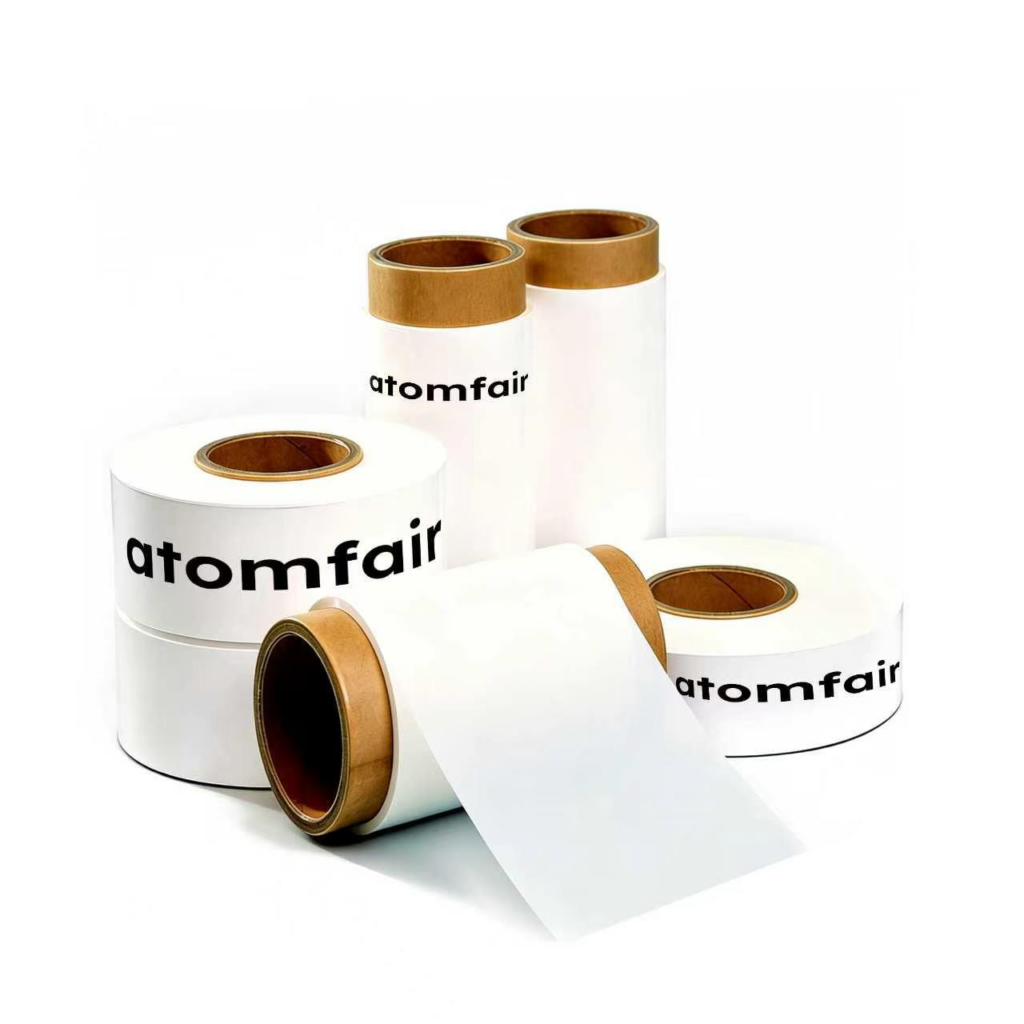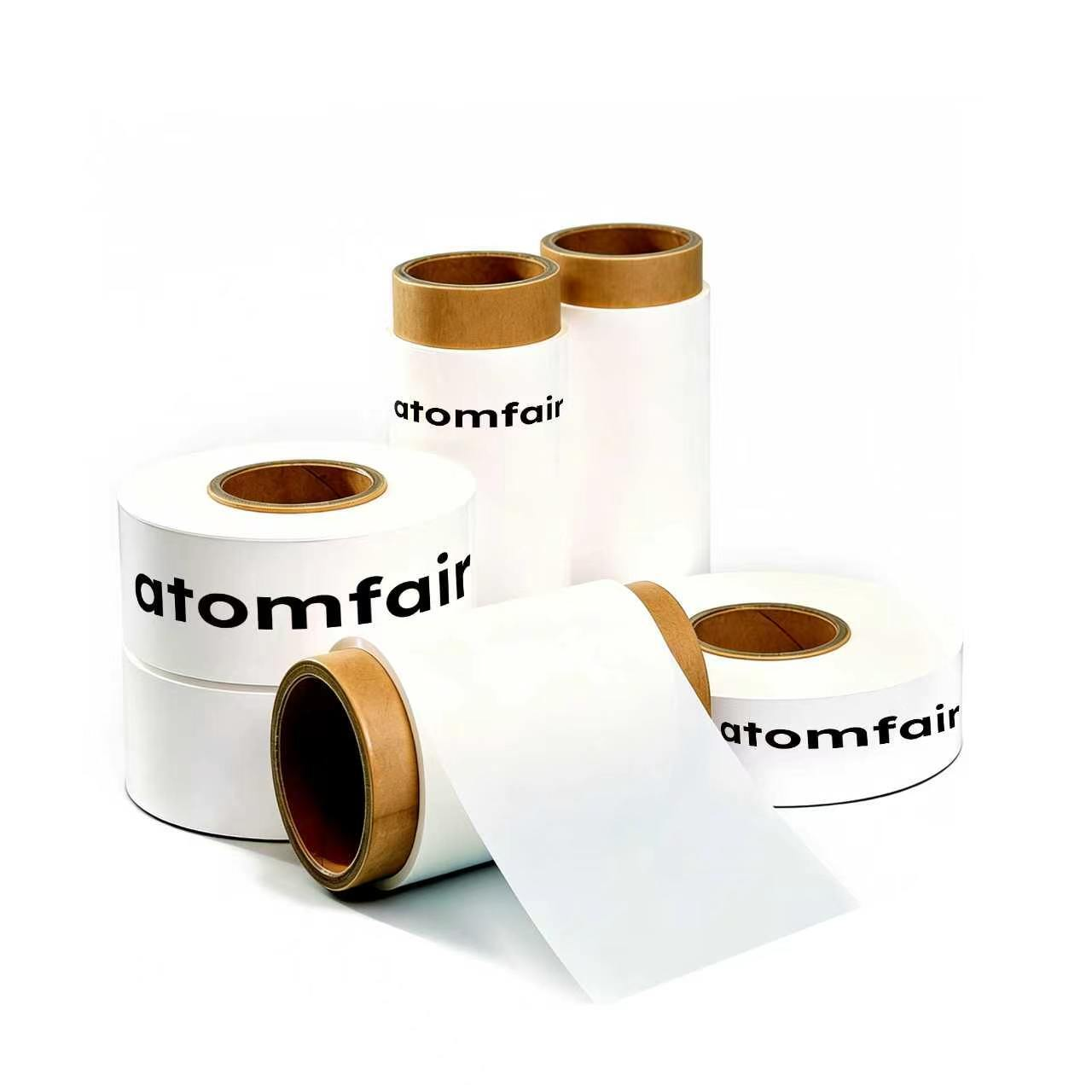
Our PCF-2 PTFE Ceramic CCL Film delivers the balance of electrical performance, mechanical robustness, and cost-efficiency that commercial RF and microwave PCB manufacturers need most. With a 40:60 PTFE-to-ceramic ratio, it’s engineered for volume production runs where consistent Dk/Df performance across every panel matters.
Key Specifications
| Parameter | Value |
|---|---|
| PTFE : Ceramic Filler Ratio | 40% : 60% |
| Dielectric Constant (Dk) | 3.0 |
| Dissipation Factor (Df) | 0.0003 |
| Mechanical Strength | 10 MPa |
| Thickness | 120 µm |
| Operating Temperature | -200°C to +260°C |
| Chemical Resistance | Resistant to strong acids, alkalis, and organic solvents |
Why PCF-2
- Dk 3.0 aligns with widely-used industry reference points for commercial RF laminate design
- Df of 0.0003 keeps insertion loss low even across multi-inch trace runs
- Optimized ceramic loading improves CTE match to copper, reducing warpage risk during multilayer lamination
- Strong middle-ground choice for engineers migrating from standard PTFE laminates seeking better cost-performance balance
Recommended Applications: Base station antenna feed networks, RF power amplifiers, microwave backhaul links, general-purpose high-frequency PCBs
The film requires precise temperature control during multilayer lamination to prevent warpage caused by CTE mismatch with copper. It maintains structural integrity over an operating temperature range of -200°C to +260°C and is resistant to strong acids, alkalis, and organic solvents.
- CTE Mismatch Control: The ceramic loading optimizes the coefficient of thermal expansion to match copper, reducing warpage risk during multilayer lamination.
- Thermal Stability: The film operates reliably from -200°C to +260°C without degradation.
- Chemical Resistance: The PTFE and ceramic composition resists strong acids, alkalis, and organic solvents, enabling use in harsh environments.
- Mechanical Strength: The 10 MPa mechanical strength ensures structural integrity during handling and lamination processes.
- Dielectric Performance Consistency: The 40:60 PTFE-to-ceramic ratio provides consistent Dk of 3.0 and low Df of 0.0003 across production panels.
How does the 40:60 PTFE-to-ceramic ratio in PCF-2 affect dielectric constant stability across temperature compared to pure PTFE laminates?
The 60% ceramic filler loading in PCF-2 improves the coefficient of thermal expansion (CTE) match to copper, which reduces warpage risk during multilayer lamination and helps maintain consistent Dk/Df performance across panels. The Dk is specified at 3.0 and Df at 0.0003, with an operating temperature range of -200°C to +260°C, indicating stable electrical properties across a wide thermal window.
Is PCF-2 compatible with standard multilayer PCB lamination processes for base station antenna feed networks?
Yes, PCF-2 is engineered for volume production runs and its optimized ceramic loading improves CTE match to copper, reducing warpage risk during multilayer lamination. It is recommended for base station antenna feed networks, RF power amplifiers, and microwave backhaul links, confirming compatibility with standard high-frequency PCB fabrication workflows.
What handling or storage precautions are required for PCF-2 PTFE ceramic film to maintain its 0.0003 dissipation factor?
The product description specifies chemical resistance to strong acids, alkalis, and organic solvents, but does not provide explicit handling or storage instructions. To preserve the low Df of 0.0003 and Dk of 3.0, standard PTFE laminate handling practices—such as avoiding moisture absorption and contamination—should be followed, though no specific storage conditions are stated in the source.
The PCF-2 PTFE Ceramic CCL Film provides a Dk of 3.0 and ultra-low Df of 0.0003, with a wide operating temperature range from -200°C to +260°C and chemical resistance, making it suitable for commercial RF and microwave PCB applications. Its 10 MPa mechanical strength and 120 µm thickness are key parameters for design consideration.
Positive
- Ultra-low dissipation factor: Df of 0.0003 minimizes insertion loss across multi-inch trace runs, critical for high-frequency signal integrity.
- Extreme temperature range: Operates from -200°C to +260°C, enabling use in harsh thermal environments without degradation.
Trade-offs
- Moderate mechanical strength: With a tensile strength of 10 MPa, the film may be less robust than higher-strength alternatives, requiring careful handling during lamination and processing.
Every advanced material, component, equipment, and instrument in our catalog is backed by rigorous testing. We maintain strict internal quality management frameworks and align with CE conformity metrics to deliver transparent, reproducible performance data via our public open-science repository.
To request raw batch performance data, submit formal vendor registration paperwork, or execute a fast-turnaround R&D manufacturing loop, contact us at inquiry@atomfair.com.
Item is dispatched under the Atomfair Shipping & Delivery Framework (Free worldwide shipping on orders over $59 USD excl. heavy equipment). Return is governed by the Atomfair Return & Refund Policy (7-day technical return window).